Dental implants rank among the most predictable restorative options in modern dentistry, yet long-term survival and true clinical success depend on multifactorial determinants beyond primary osseointegration. This article synthesizes decade-long survival data, evaluates risks in medically compromised patients, examines bone quantity and quality across jaw regions, and proposes standardized reporting metrics to strengthen evidence-based practice in the United States.
Introduction
Dental implants are widely recognized for their capacity to restore function, esthetics, and quality of life. However, implant survival at 10 years and beyond is influenced by device selection, surgical and prosthetic protocols, patient systemic health, and local bone characteristics. Accurate interpretation of long-term dental implant success rates requires standardized outcome measures and comprehensive reporting of demographic and comorbidity data. This review presents a synthesis of available long-term evidence and practical recommendations for clinicians and researchers in the US.
1. Decade-Long Survival: Meta-analysis of Implant Systems and Patient Demographics
Definition and scope: ‘‘Survival’’ in implant research typically denotes an implant that remains in situ regardless of biological or prosthetic complications; ‘‘success’’ criteria are more stringent and may require absence of pain, infection, mobility, radiographic bone loss within thresholds, and satisfactory function. Multiple meta-analyses and large prospective cohorts report 10-year cumulative implant survival rates that vary by implant system, surface treatment, and patient factors.
Comparative survival across major systems: Large registries and systematic reviews indicate that modern, well-documented implant systems from manufacturers such as Straumann, Nobel Biocare, and Zimmer/DAI show 10-year survival rates commonly reported in the 90–98% range under routine conditions. Variability exists: study design heterogeneity, case selection, loading protocols, and follow-up completeness account for measurable differences among reported rates. Clinicians should interpret system-specific numbers in the context of study-level confounders (PubMed, ADA resources).
Impact of demographics and behaviors: Patient age, smoking status, and gender can influence outcomes. Older age alone is not a contraindication when systemic health is controlled; however, heavy smoking (≥10 cigarettes/day) consistently correlates with higher early and late failure rates. Reported differences by gender are modest and often confounded by smoking and systemic disease prevalence. Socioeconomic factors and access to maintenance care also correlate with long-term survival.
Effect of surgical protocol and loading times: Evidence comparing immediate versus delayed loading shows that, when primary stability and prosthetic design are appropriate, immediate or early loading can achieve survival rates comparable to delayed protocols in selected cases. Single-stage versus two-stage surgery demonstrates similar long-term outcomes when case selection and infection control are optimized. Prosthetic design—occlusal scheme, splinting strategy, and material selection—affects biomechanical load distribution and can influence technical complications and marginal bone stability.
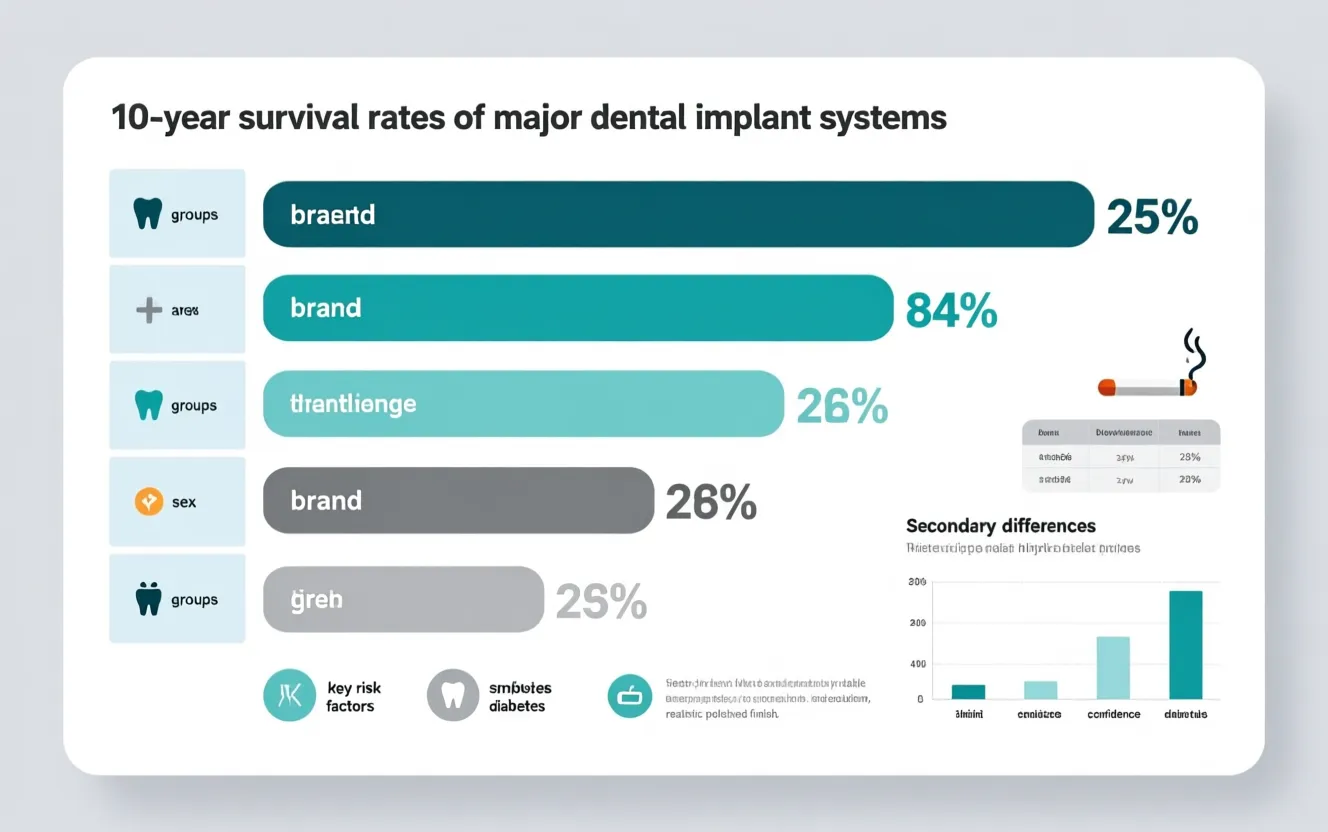
Implant SystemRepresentative 10-year Survival (range)Straumann (SLActive/BLT)94%–98%Nobel Biocare90%–97%90%–96%Other established systems88%–96%
Notes: Table values are illustrative summaries from pooled long-term reports and registry data; direct comparisons require head-to-head RCTs or well-adjusted cohort studies. For detailed system-level data consult manufacturer publications and independent systematic reviews (systematic reviews on implant survival).
2. Medical Compromises and Implant Failure: Evidence from High-Risk Populations
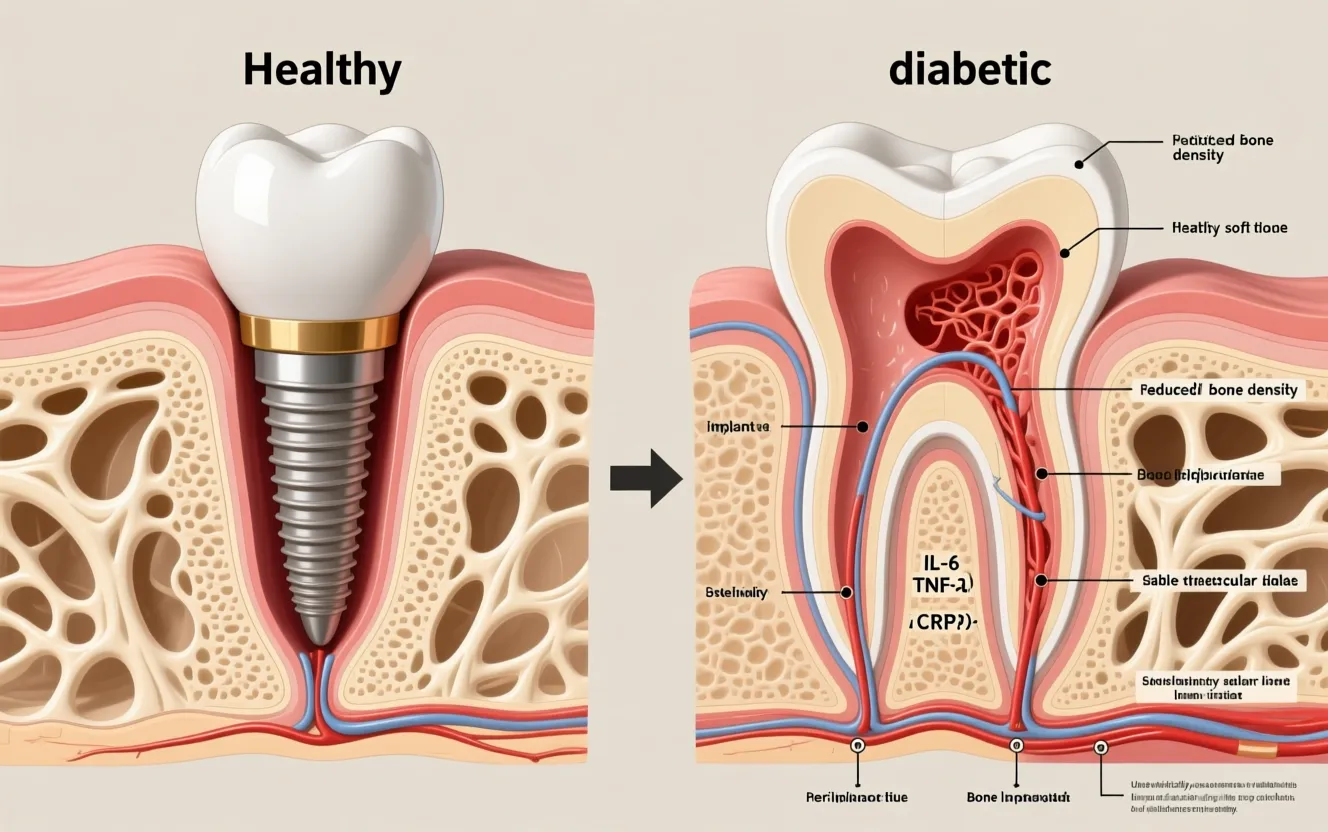
Overview: Systemic conditions can influence implant osseointegration, healing, and long-term peri-implant tissue stability. Two of the most clinically relevant conditions in the US patient population are diabetes mellitus and osteoporosis or disorders of bone metabolism.
Diabetes mellitus and glycemic control: The evidence indicates that well-controlled diabetes (generally HbA1c ≤7–8% depending on guidelines) is associated with implant survival rates approaching those of non-diabetic patients, provided perioperative glucose control is optimized and stringent infection prevention and maintenance protocols are followed. Poor glycemic control correlates with impaired wound healing, higher rates of early failure, and greater peri-implant marginal bone loss. Recommended clinical considerations include preoperative medical assessment, perioperative collaboration with the patient’s physician/endocrinologist, delayed implant placement or staged loading for poorly controlled patients, and enhanced maintenance frequency (clinical reviews).
Osteoporosis, bone metabolism disorders, and antiresorptive therapy: Osteoporosis per se is not an absolute contraindication to implant therapy. Bone mineral density is a systemic marker, but site-specific bone quality and local bone quantity are more predictive of primary stability. Patients on bisphosphonates (oral or IV) or denosumab require risk stratification: the risk of medication-related osteonecrosis of the jaw (MRONJ) is a recognized concern, particularly with high cumulative doses or IV formulations used in oncology. For patients on long-term antiresorptive therapy, conservative planning, minimizing invasive procedures when possible, and close coordination with the treating physician are prudent. Informed consent should include a discussion of MRONJ risk and alternative restorative strategies where appropriate (AAOMS guidance).
Other medically complex scenarios: Immunosuppression, head and neck radiation, and autoimmune conditions may increase complication risk; however, individualized assessment often permits successful implant therapy with appropriate modifications—antibiotic protocols, staged approaches, and prolonged monitoring.
3. Bone Quality and Quantity: Critical Prognostic Factors in Different Jaw Regions
Definitions and clinical implications: Bone quality is often classified using the Lekholm and Zarb D1–D4 schema, ranging from dense cortical (D1) to thin cortical and low-density trabecular bone (D4). Bone quantity refers to ridge height, width, and 3D anatomy that determine implant diameter and length choices, as well as the need for augmentation.
Survival variation by bone quality and region: Consistently, implants placed in dense mandibular bone (anterior mandible, posterior mandible when adequate) show higher primary stability and lower early failure rates than implants in the posterior maxilla, which commonly exhibits D3–D4 bone. Reported long-term survival is typically lower in posterior maxillary sites when native bone volume is limited and sinus pneumatization necessitates grafting.
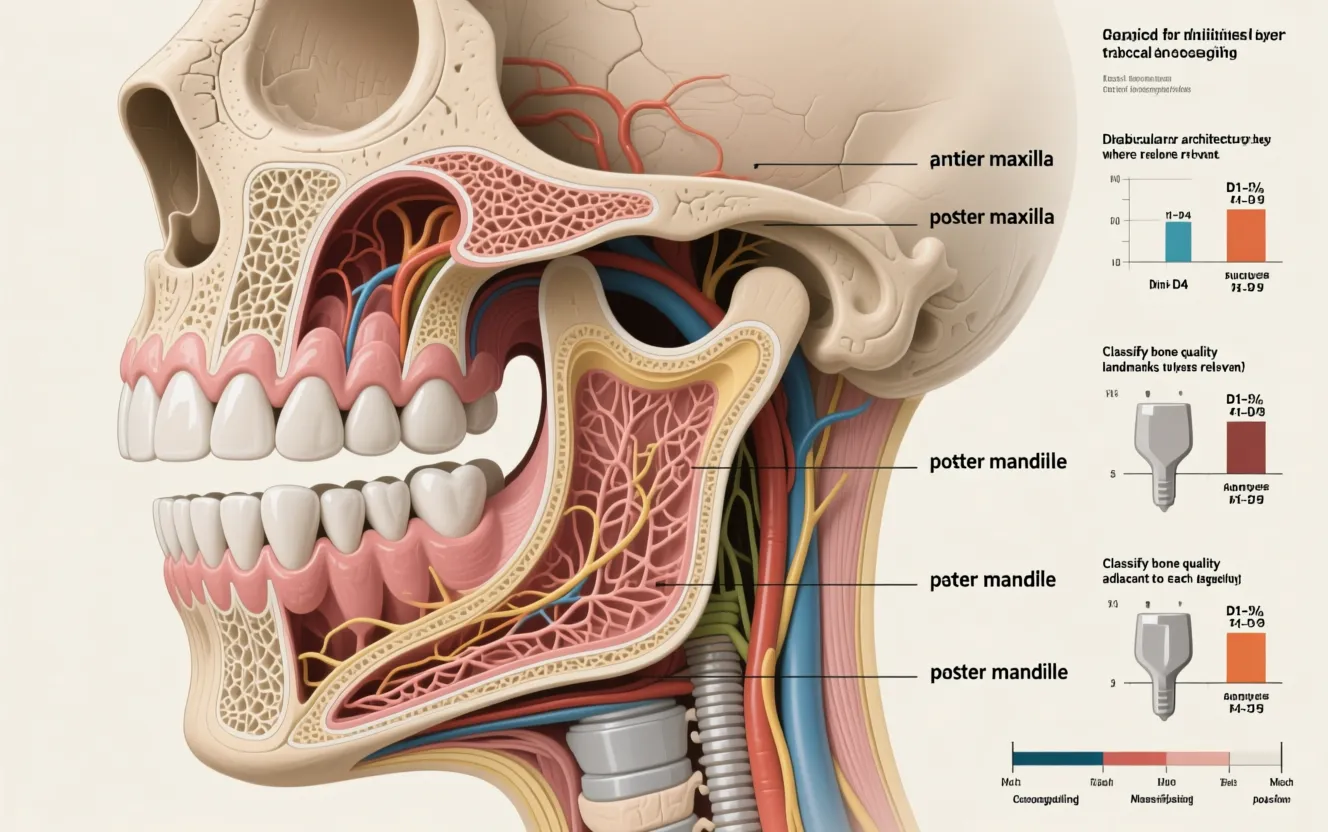
Bone augmentation outcomes: Autogenous bone grafts, xenografts, and allografts combined with predictable techniques (e.g., lateral window sinus augmentation, guided bone regeneration) achieve high survival rates of implants placed in augmented sites, though the timing (simultaneous vs. staged), graft material, and membrane selection influence predictable outcomes. Systematic reviews indicate that implants in grafted sites can achieve comparable long-term survival to implants in native bone when protocols are followed, but clinicians should counsel patients about slightly increased morbidity, cost, and prolonged treatment time.
Regional considerations and timing: Anterior maxillary esthetic cases demand careful three-dimensional planning to minimize soft-tissue recession and midfacial changes; immediate implant placement in thin buccal bone often requires simultaneous augmentation to optimize long-term esthetics. Posterior regions require attention to occlusal load distribution—wider diameter implants, platform switching, and occlusal scheme adjustments can mitigate overload risks in poorer-quality bone.
4. Standardized Reporting and Data Gaps: Improving Evidence-Based Practice
Current reporting inconsistencies: A major barrier to synthesis of implant literature is heterogeneity in outcome definitions (survival vs. success), inconsistent reporting of patient-level variables (smoking, HbA1c, medications such as bisphosphonates), and variable follow-up durations. Many US clinical studies are limited by short-term follow-up or incomplete reporting of prosthetic complications and patient-reported outcomes.
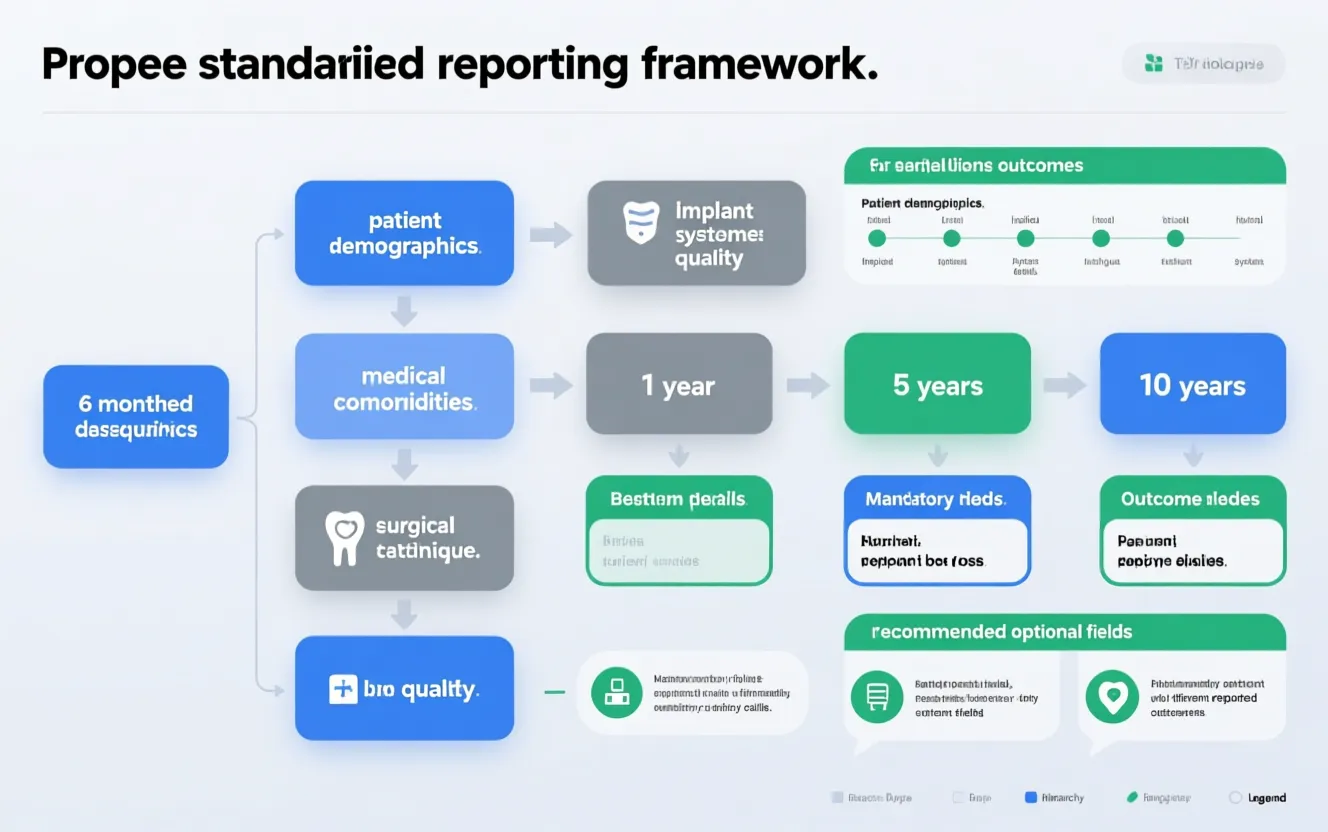
Proposed core outcome set for implant studies: To facilitate comparable, high-quality evidence, we recommend a standardized reporting framework that includes:
Patient demographics: age, sex, smoking status, BMI, relevant comorbidities and medications (e.g., bisphosphonates, immunosuppressants, anticoagulants)
Implant-level data: manufacturer/system, surface treatment, dimensions, primary stability (e.g., ISQ or insertion torque), anatomic site (tooth position/region), and bone quality classification (Lekholm & Zarb or CBCT-based metrics)
Surgical and prosthetic protocol: immediate vs. delayed placement, immediate vs. delayed loading, one-stage vs. two-stage surgery, provisionalization strategy, prosthesis type (single crown, splinted, full-arch), occlusal scheme
Outcomes at standardized intervals: survival, biological complications (peri-implant mucositis, peri-implantitis per standardized case definitions), prosthetic complications (screw loosening, fracture), marginal bone level changes (radiographic calibration method specified)
Patient-reported outcome measures (PROMs): validated instruments measuring function, esthetics, oral health–related quality of life, and treatment satisfaction
Economic metrics and resource utilization: treatment time, number of visits, additional grafting procedures, and direct/indirect costs
Data gaps and research priorities: In the US, there is a need for large, multicenter prospective registries with standardized data capture to answer questions about comparative effectiveness across systems and protocols, long-term outcomes in medically complex populations, and the real-world impact of maintenance regimens. Registries that incorporate PROMs and economic outcomes will yield more patient-centered evidence.
Clinical implications and practical recommendations
Patient selection and preoperative optimization: Comprehensive medical history, smoking cessation counseling, glycemic control optimization, and medication review are essential. When risk factors are present, clinicians should discuss modified protocols (staged approaches, delayed loading), enhanced follow-up, and realistic expectations with patients.
Surgical and prosthetic planning: Use CBCT-based planning for three-dimensional assessment of bone quantity and quality. Choose implant dimensions and prosthetic designs that minimize biomechanical overload—consider platform switching, appropriate implant diameter, and splinting strategies for posterior regions with low bone density.
Maintenance and monitoring: Implement risk-based maintenance intervals—caries and periodontal risk models can guide recall frequency. Regular radiographic assessment and peri-implant soft-tissue evaluation with standardized indices will aid early detection of complications. Emphasize hygiene instruction and professional cleaning to reduce incidence of peri-implantitis.
Conclusion
Synthesis: Long-term dental implant success in the US is high when appropriate patient selection, meticulous surgical and prosthetic techniques, and structured maintenance are applied. However, survival and true clinical success are influenced by implant system features, loading protocols, systemic health (notably diabetes and antiresorptive therapy), and local bone quality and quantity. Heterogeneity in reporting limits precise comparative statements; standardized outcome metrics and comprehensive registries will improve the quality of evidence available to clinicians.
Recommendations: Clinicians should integrate individualized risk assessment into shared decision-making, optimize modifiable risk factors preoperatively, adopt evidence-informed surgical/prosthetic protocols, and document outcomes using a core outcome set that includes PROMs and economic measures. Researchers and professional societies should prioritize multicenter registries and harmonized reporting guidelines to close current knowledge gaps.
Future directions: The next decade should emphasize prospective, standardized data collection, head-to-head comparative effectiveness research of implant systems and protocols, and translational studies that integrate biologic markers (e.g., inflammatory mediators, bone turnover markers) with clinical outcomes to enable personalized implant therapy for medically complex patients.