Image attributed to Future.
Our team has tested every major compact camera over the last two decades. While the might have taken over for everyday photography, point-and-shoot cameras still have a place today. If you’re looking for a pocket-friendly camera with advanced controls, a generous zoom range or sharper optics, a point-and-shoot is probably the answer.
The is a great example. It offers a huge 30x zoom range in a body small enough to slip into a jacket pocket, making it a great choice for travel photography. If you’re willing to spend more, the remains one of the best premium point-and-shoots we've tested, with fast performance and excellent results.
This guide is based on the feedback from our team of specialist reviewers. Each point-and-shoot included below has been extensively tested in real-world conditions. There are also a few second-hand options included that offer great value, if you’re open to buying used.
The best point-and-shoot cameras in 2025
Why you can trust TechRadar We spend hours testing every product or service we review, so you can be sure you're buying the best.
Below you'll find full write-ups for each of the best point-and-shoot cameras in our list. We've tested each one comprehensively, so you can be sure that our recommendations can be trusted.
The best pocketable point and shoot camera for super zoom
Image 1 of 6
(Image credit: Future)
(Image credit: Future)
(Image credit: Future)
(Image credit: Future)
(Image credit: Future)
(Image credit: Future)
Image 1 of 6
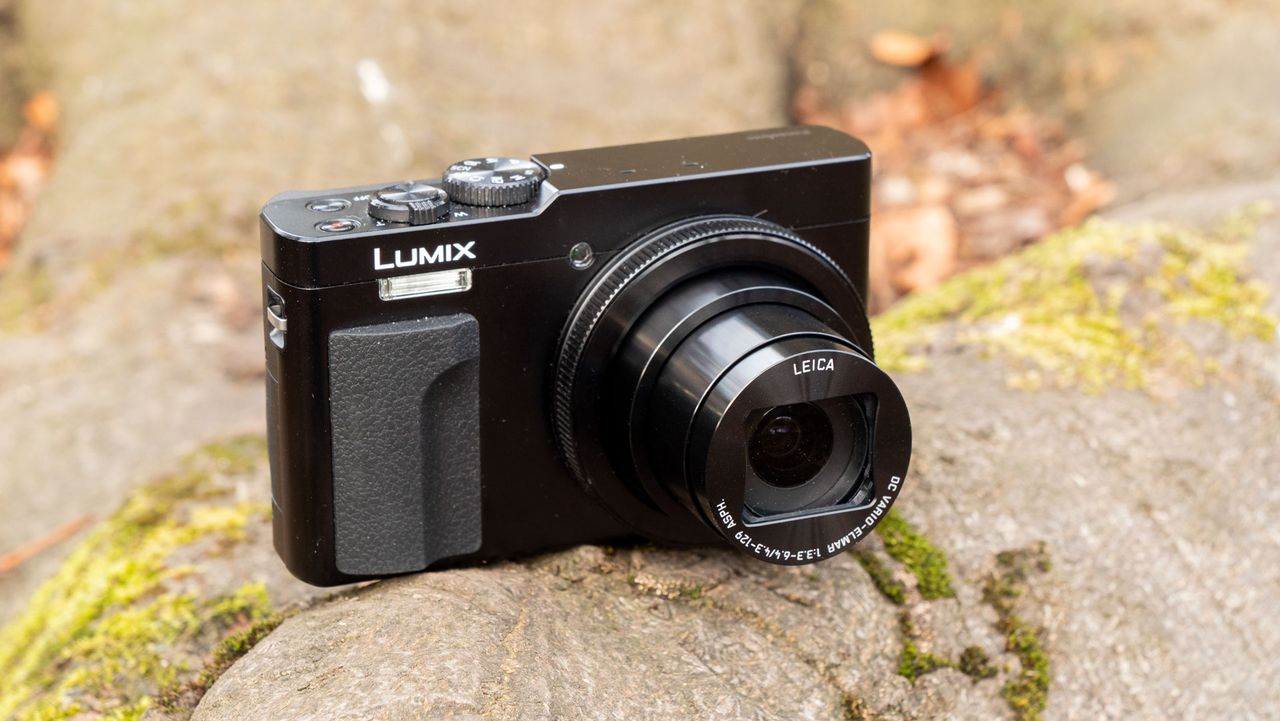
Image 2 of 6
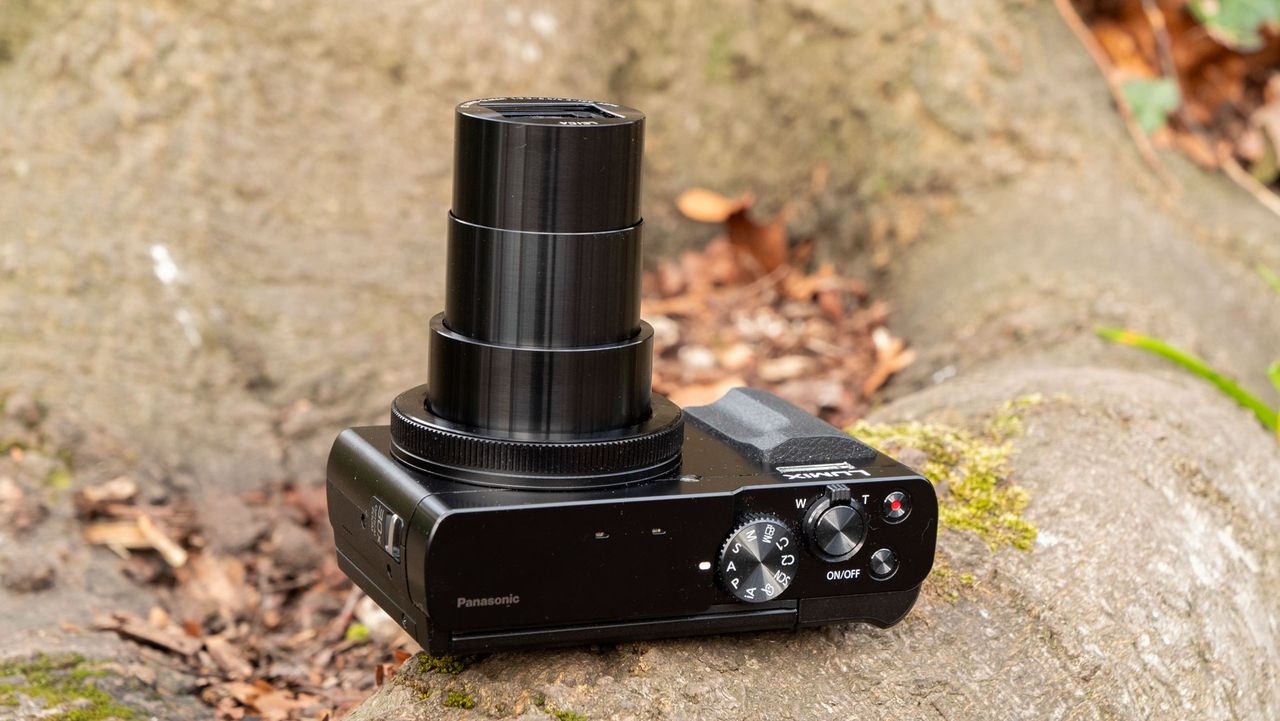
Image 3 of 6
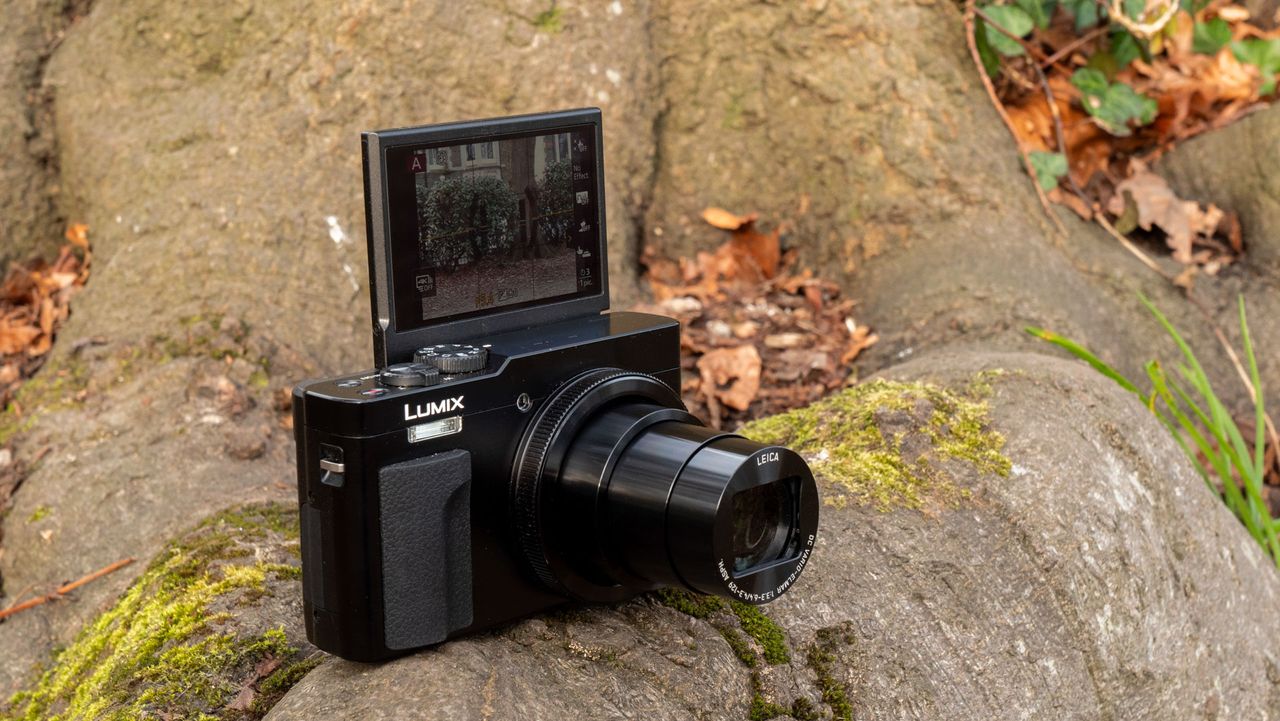
Image 4 of 6
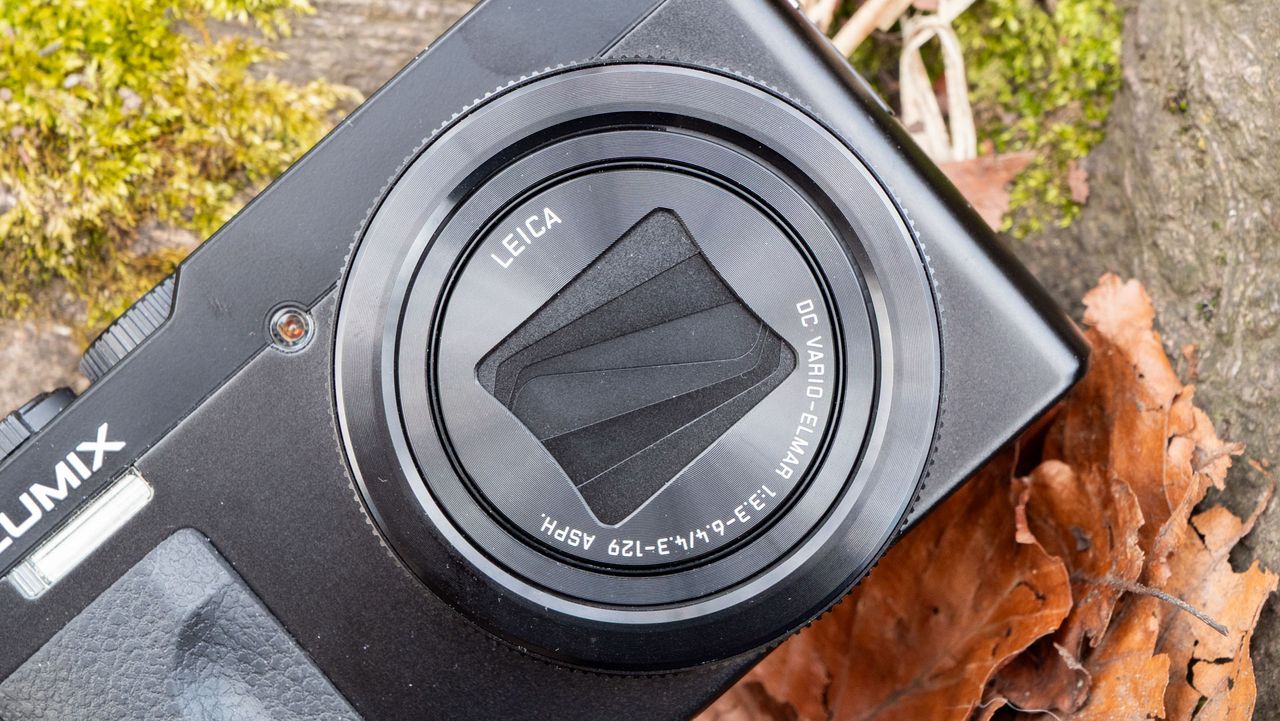
Image 5 of 6
Image 6 of 6
1. Panasonic Lumix ZS99 / TZ99
The best compact super-zoom
Our expert review:
Specifications
Camera type: Zoom point-and-shoot
Sensor: 1/2.3-inch
Resolution: 20.3MP
Video: 4K
Lens: 24-720mm f/3.3-6.4 (30x optical)
Viewfinder: N/A
Screen: 3.0-inch tilt-touchscreen, 1,040,000 dots
Reasons to buy
+
30x stabilised optical zoom
+
Decent 4K video
+
Lovely tilt-touchscreen
Reasons to avoid
-
We'd like a better grip
Panasonic Lumix ZS99 / TZ99 sample images
Image 1 of 5

(Image credit: Future)

(Image credit: Future)

(Image credit: Future)
(Image credit: Future)

(Image credit: Future)
Image 1 of 5

Image 2 of 5

Image 3 of 5

Image 4 of 5
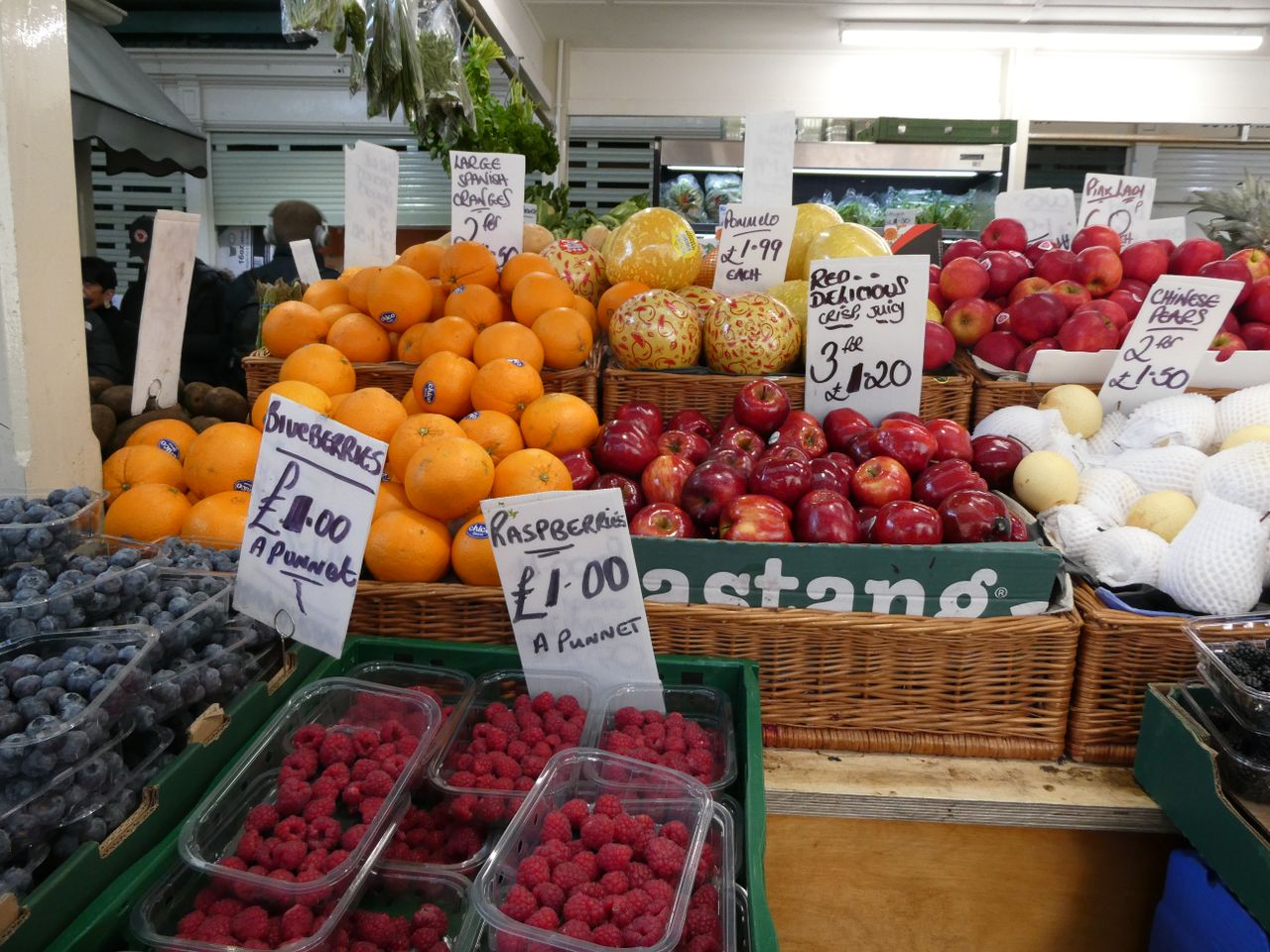
Image 5 of 5

Buy it if:
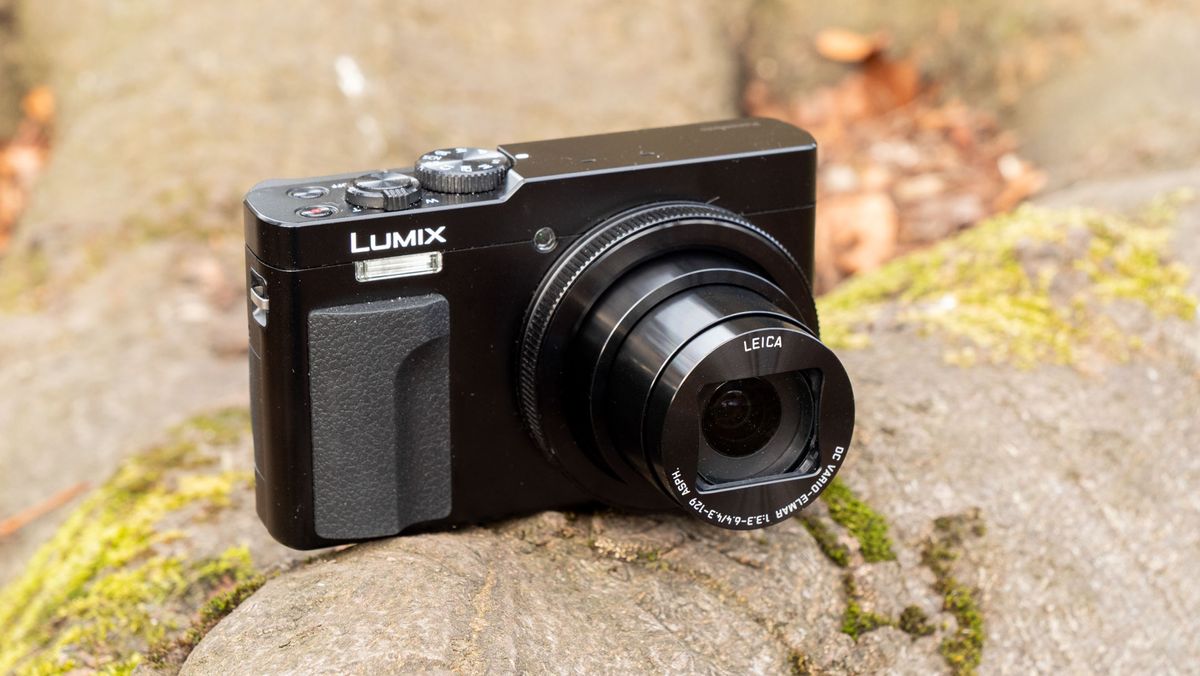
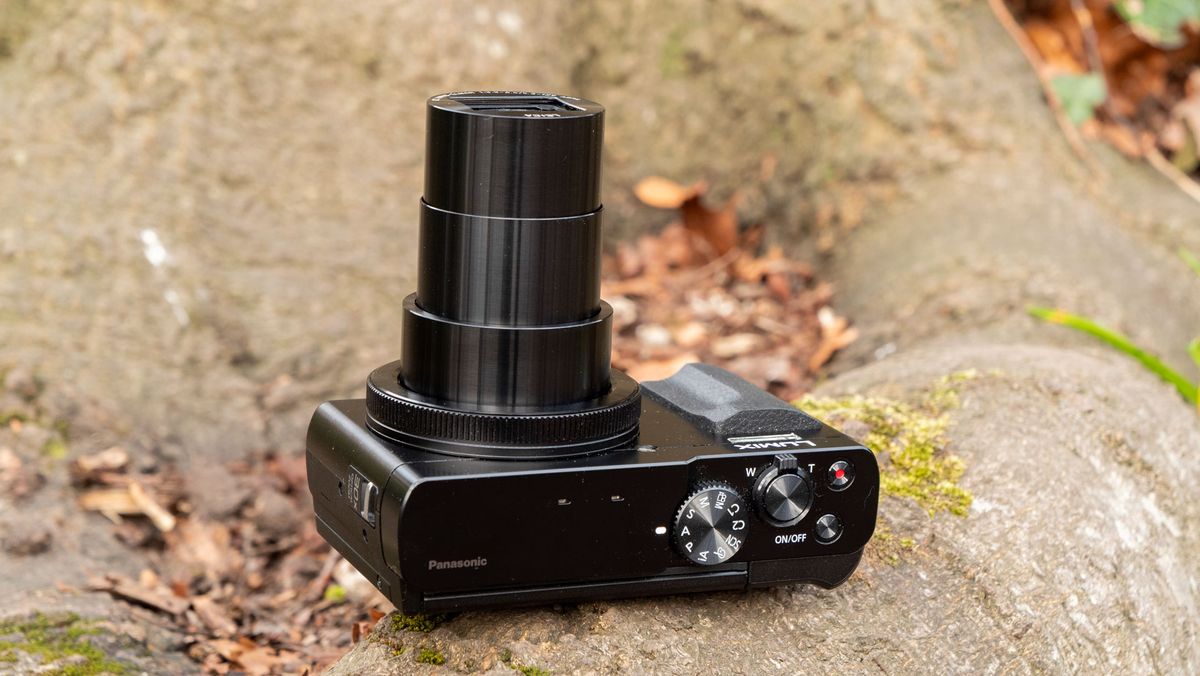
✅ You want a huge zoom range: With a focal length of 24-720mm, the ZS99 / TZ99 has a huge 30x optical zoom range, putting it ahead of almost every point-and-shoot.
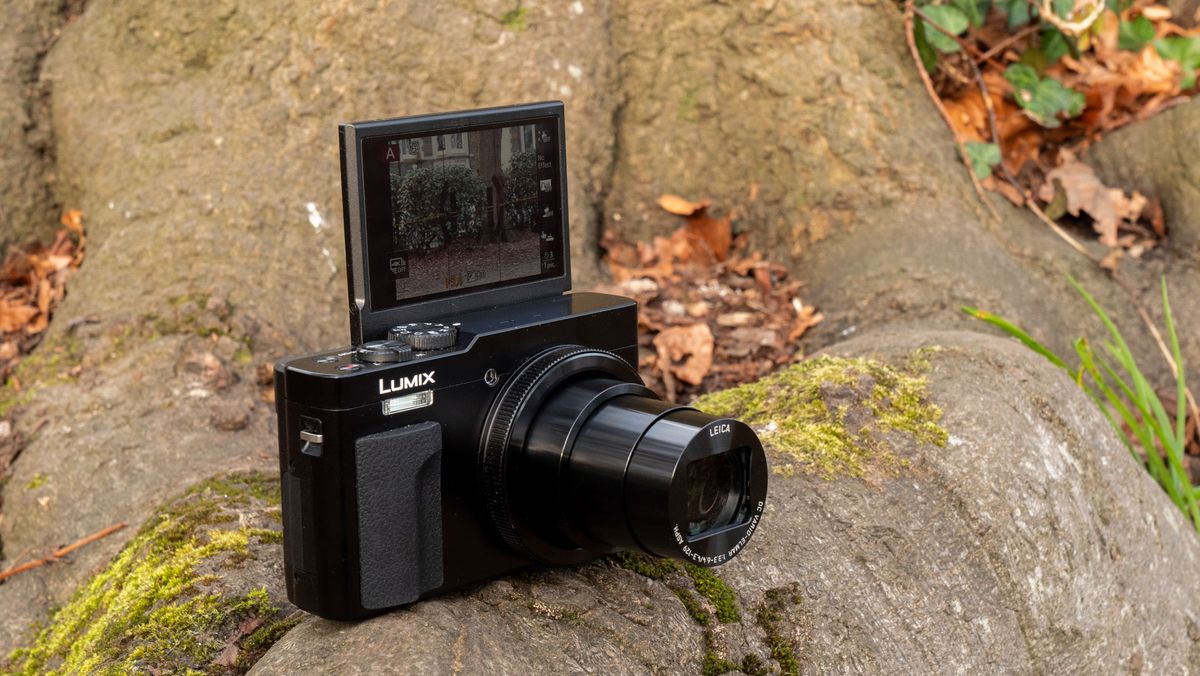
✅ You appreciate extra features: From its 3-inch tilting touchscreen to five-axis image stabilization, the ZS99 / TZ99 is a feature-packed point-and-shoot.
Don't buy it if:
❌ You want a viewfinder: Sadly Panasonic removed the viewfinder from the older Lumix ZS100 / TZ100 in its 2025 update. The 0.2-inch viewfinder was on the small side, but nonetheless it was good to have.
❌ You'll shoot wide angles a lot: Its zoom range offers incredible versatility, but results can look a bit soft when shooting at its widest angle.
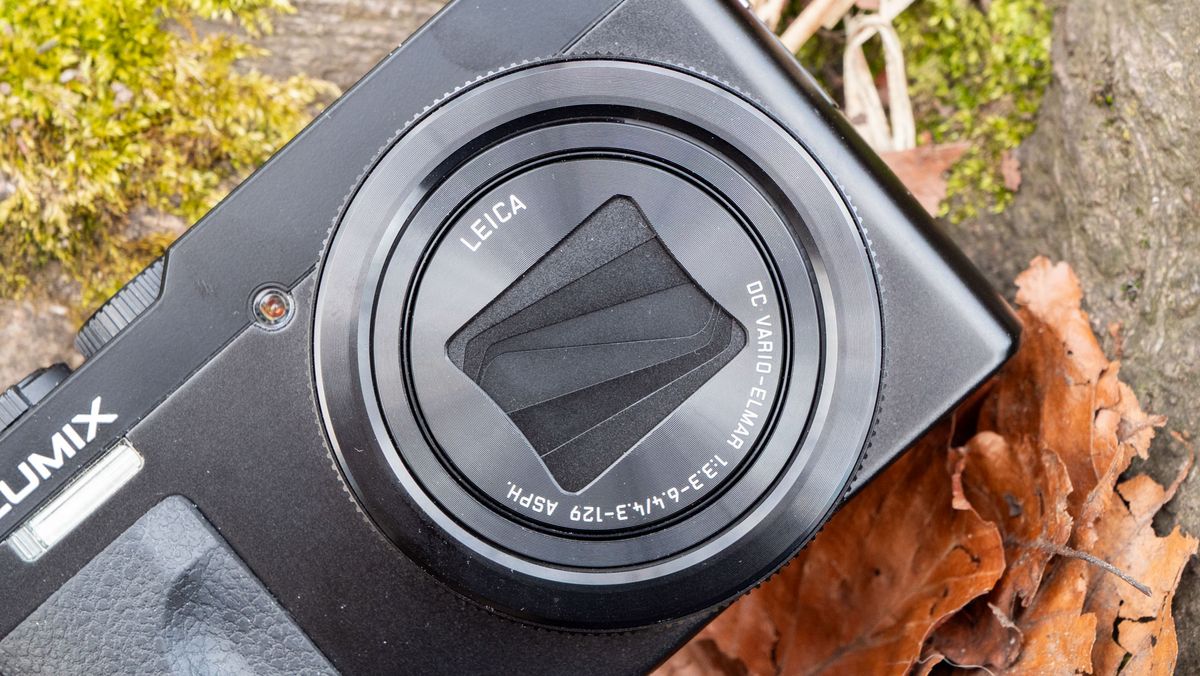
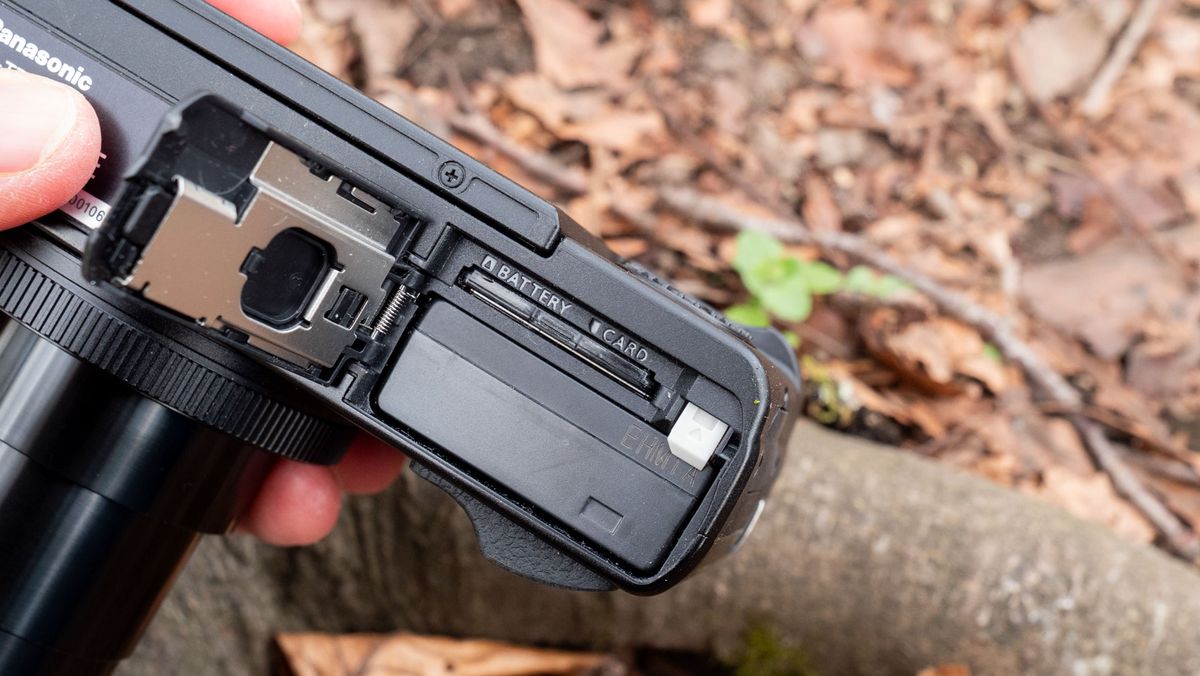
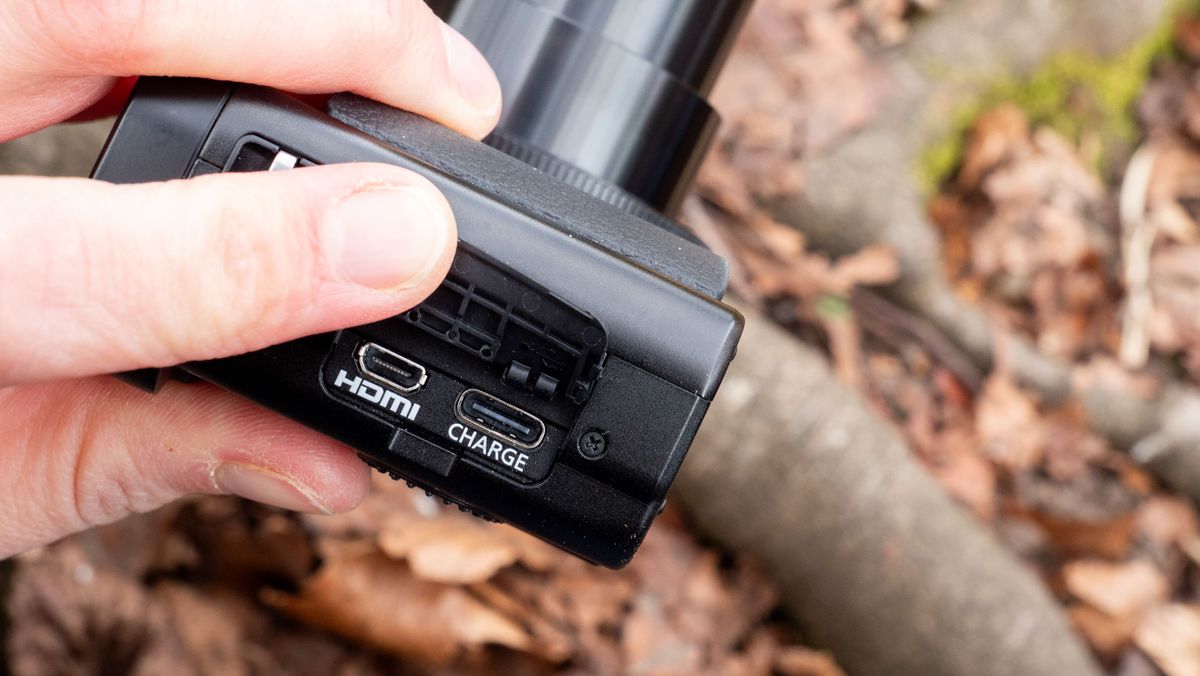
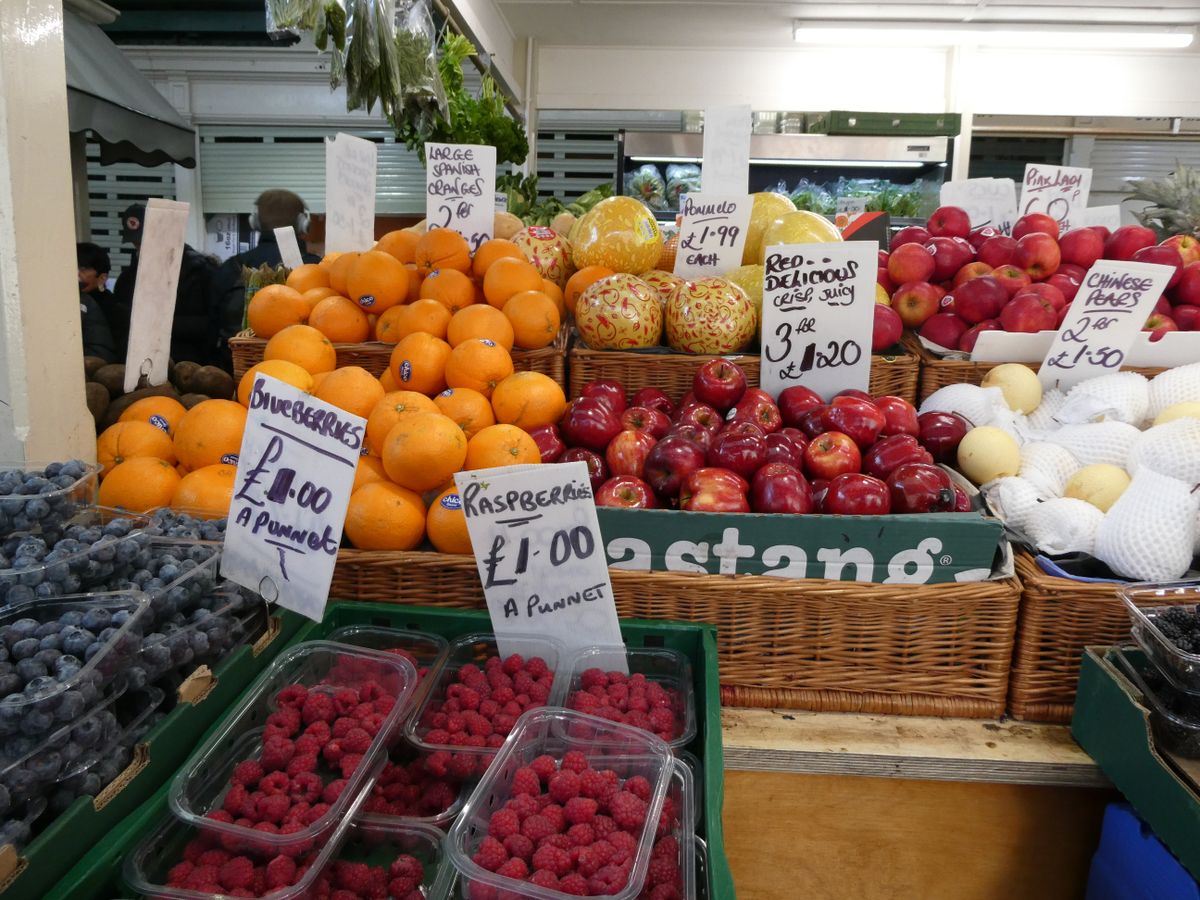
The ZS99 / TZ99 is one of many cameras of the 'travel-zoom' point-and-shoot genre which pioneered. This camera is equipped with a 30x optical zoom and a 24-720mm focal range, supported by a five-axis image stabilization. There are similar cameras with bigger zooms, but in our tests we found the ZS99 / TZ99 offers the most well-rounded package.
Key features include the lovely 3-inch touchscreen that tilts up for an intuitive selfie mode. Sadly, Panasonic has removed the viewfinder in the newer version but you still get nice tactile controls and the ZS99 / TZ99 can shoot in raw format and offers in-camera raw editing, plus impressive video quality too. And in a time when it's hard to find a new point-and-shoot for less than $1,000 / £1,000, the ZS99 / TZ99 comes in at an attractive price point.
Read our in-depth
The best premium point and shoot camera
Image 1 of 5
(Image credit: Future)
(Image credit: Future)
(Image credit: Future)
(Image credit: Future)
(Image credit: Future)
Image 1 of 5
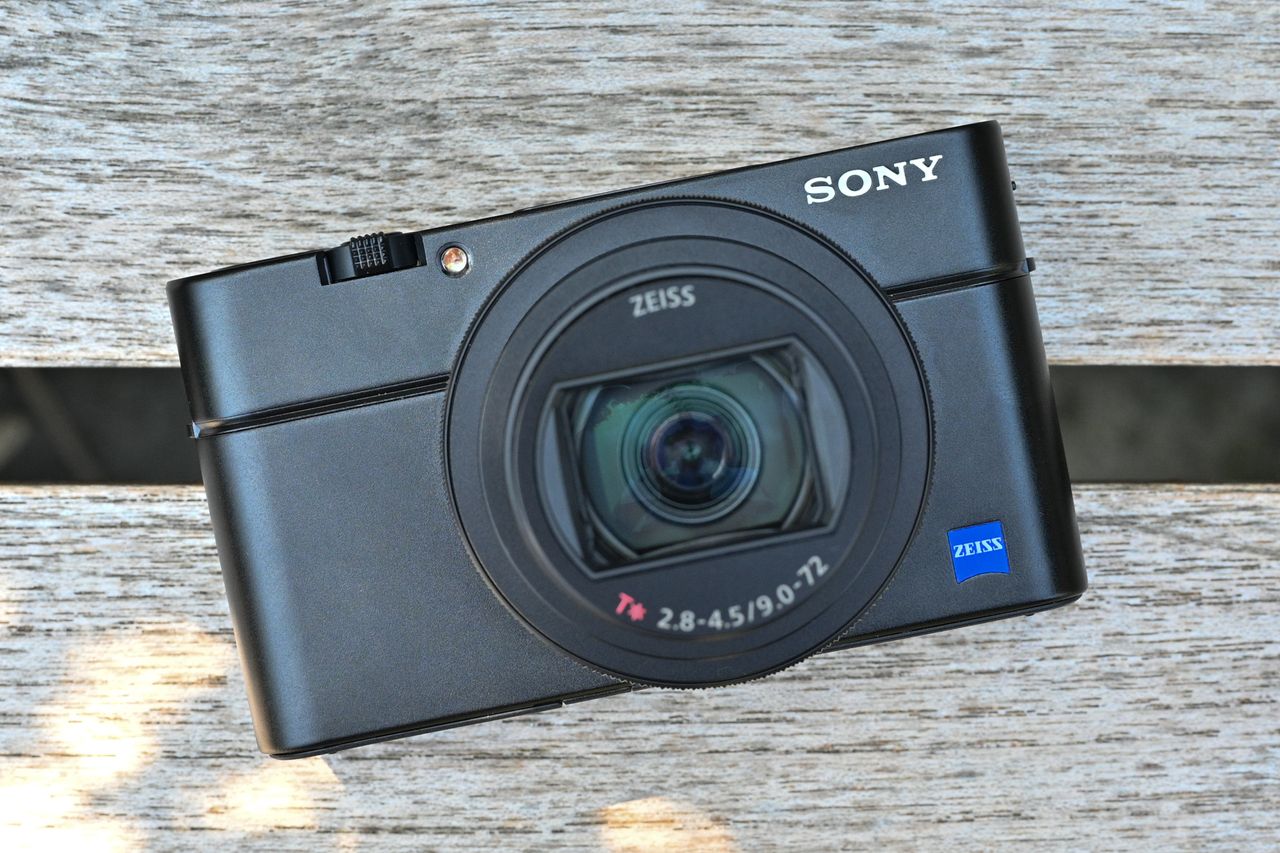
Image 2 of 5
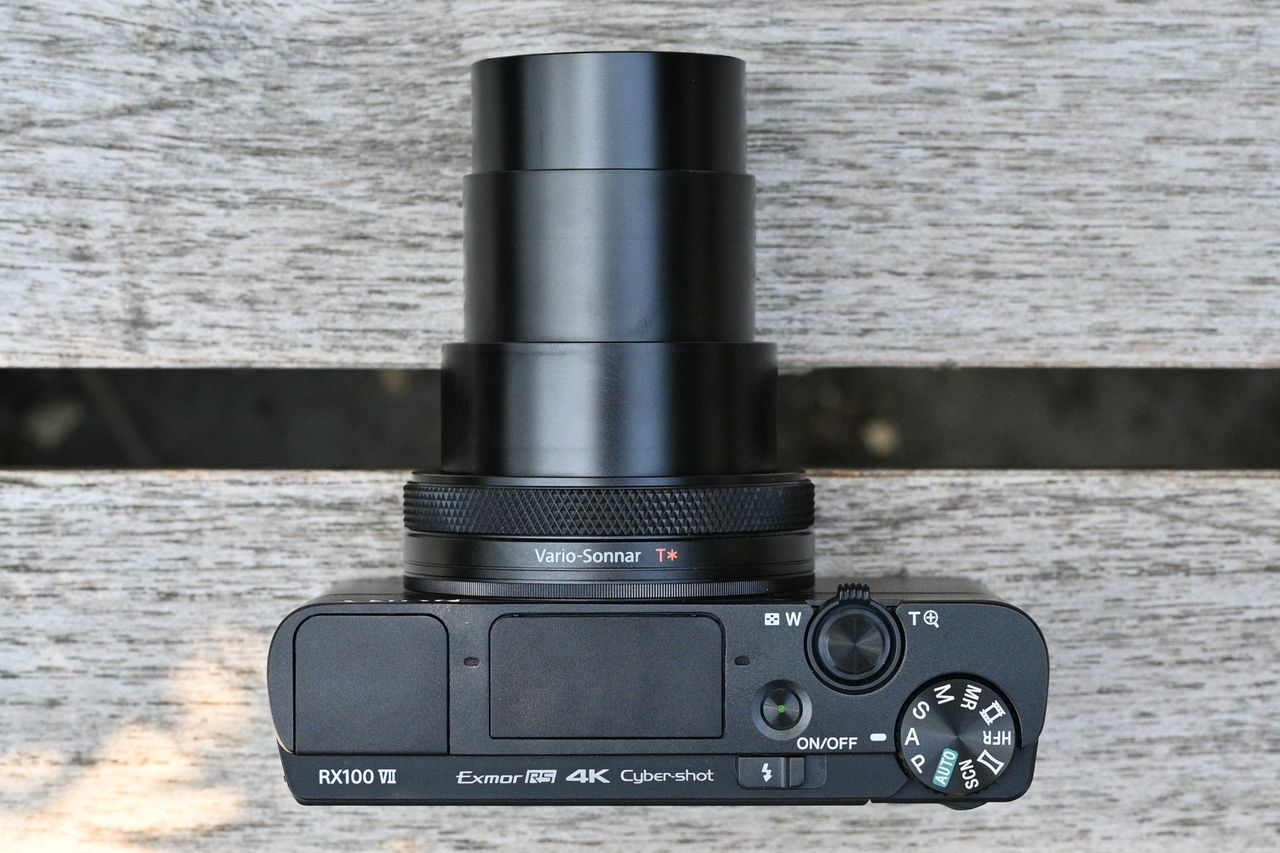
Image 3 of 5
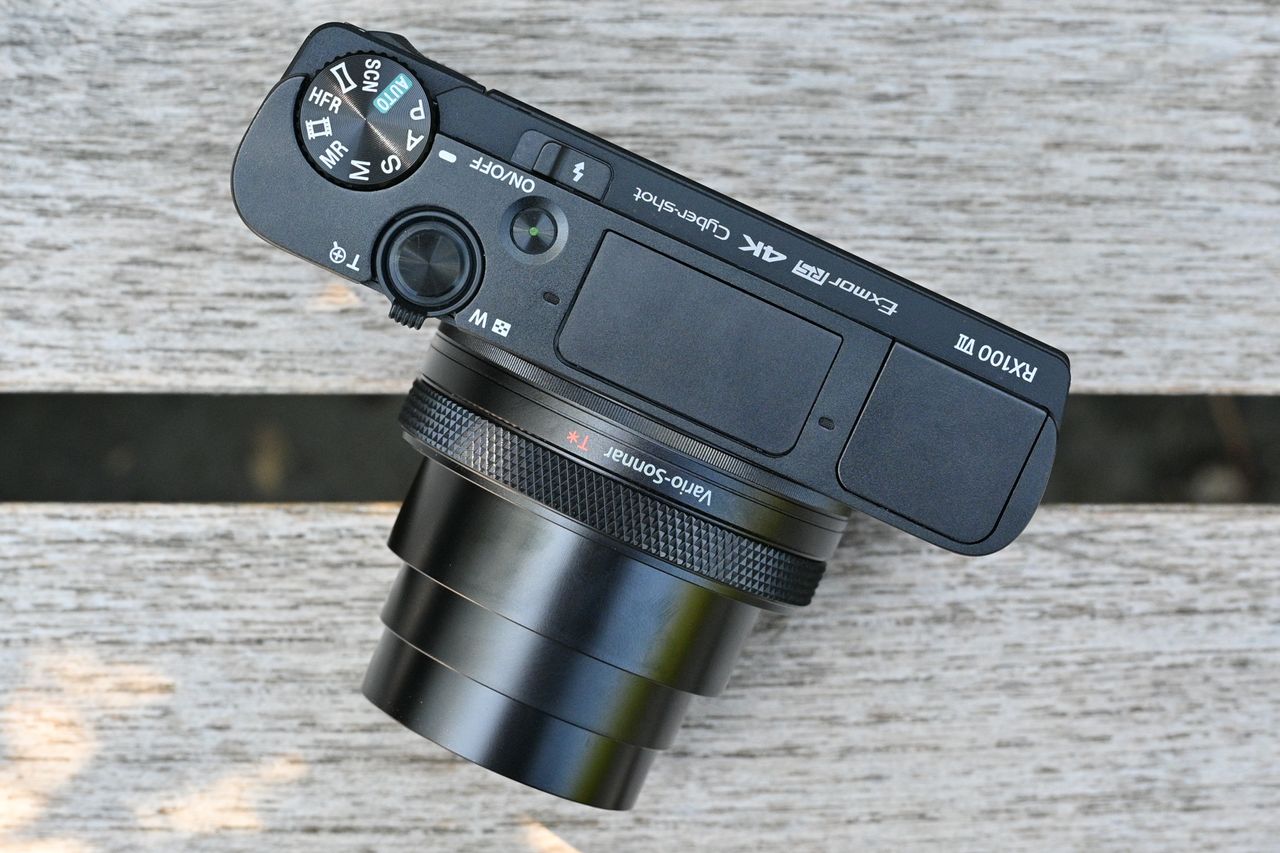
Image 4 of 5
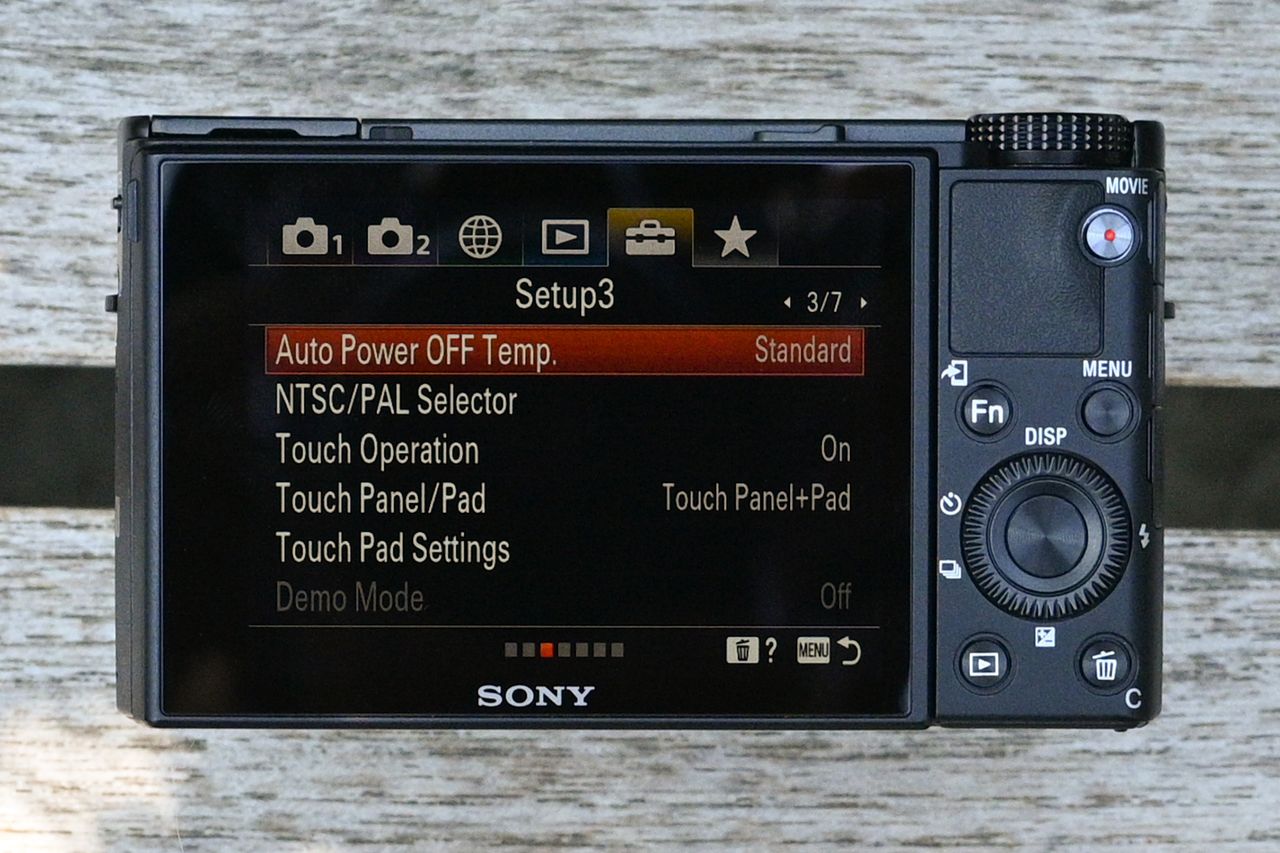
Image 5 of 5
The best premium point-and-shoot
Specifications
Sensor: 1-inch, 20.1MP
Lens: 24-200mm, f/2.8-4.5
Monitor: 3.0-inch tilt-angle touchscreen, 921,000 dots
Viewfinder: EVF
Continuous shooting: 20fps
Movies: 4K
User level: Intermediate/expert
Reasons to buy
+
Sterling autofocus system
+
Lovely videos
Reasons to avoid
-
Handling not ideal
-
Expensive
Sony RX100 VII sample images
Image 1 of 5

Sony Cyber-shot RX100 VII at 41.9mm, f/4.5, 1/125sec, ISO250 (Image credit: Future)
Click to view the full-size image

Sony Cyber-shot RX100 VII at 50.7mm, f/4.5, 1/160sec, ISO1250 (Image credit: Future)
Click to view the full-size image
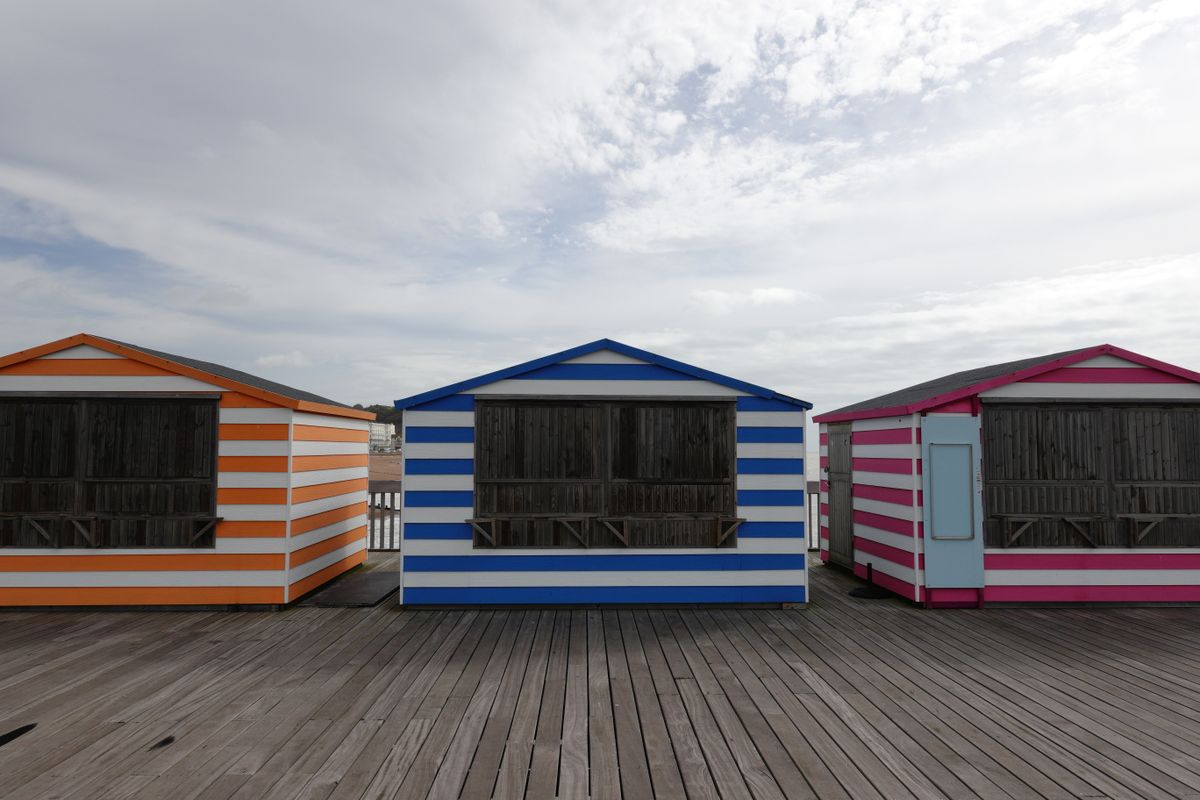
Sony Cyber-shot RX100 VII at 24mm, f/5.6, 1/800sec, ISO100 (Image credit: Future)
Click to view the full-size image

Sony Cyber-shot RX100 VII at 24mm, f/3.2, 1/30sec, ISO320 (Image credit: Future)
Click to view the full-size image

Sony Cyber-shot RX100 VII at 49mm, f/4, 1/100sec, ISO100 (Image credit: Future)
Click to view the full-size image
Image 1 of 5

Image 2 of 5

Image 3 of 5

Image 4 of 5

Image 5 of 5

Buy it if:
✅ You want a premium point-and-shoot: With a 1-inch sensor, impressive autofocus and useful manual controls, this is a high-end camera.
✅ You plan to shoot video: The RX100 VII can record high-quality 4K video footage with face detection, which isn't true of every point-and-shoot.
Don't buy it if:
❌ You have a limited budget: Even several years after its launch, the Sony RX100 VII remains a very expensive point-and-shoot camera.
❌ You only need a simple camera: The RX100 VII is one of the most advanced point-and-shoot cameras you can buy, with a price tag to match.
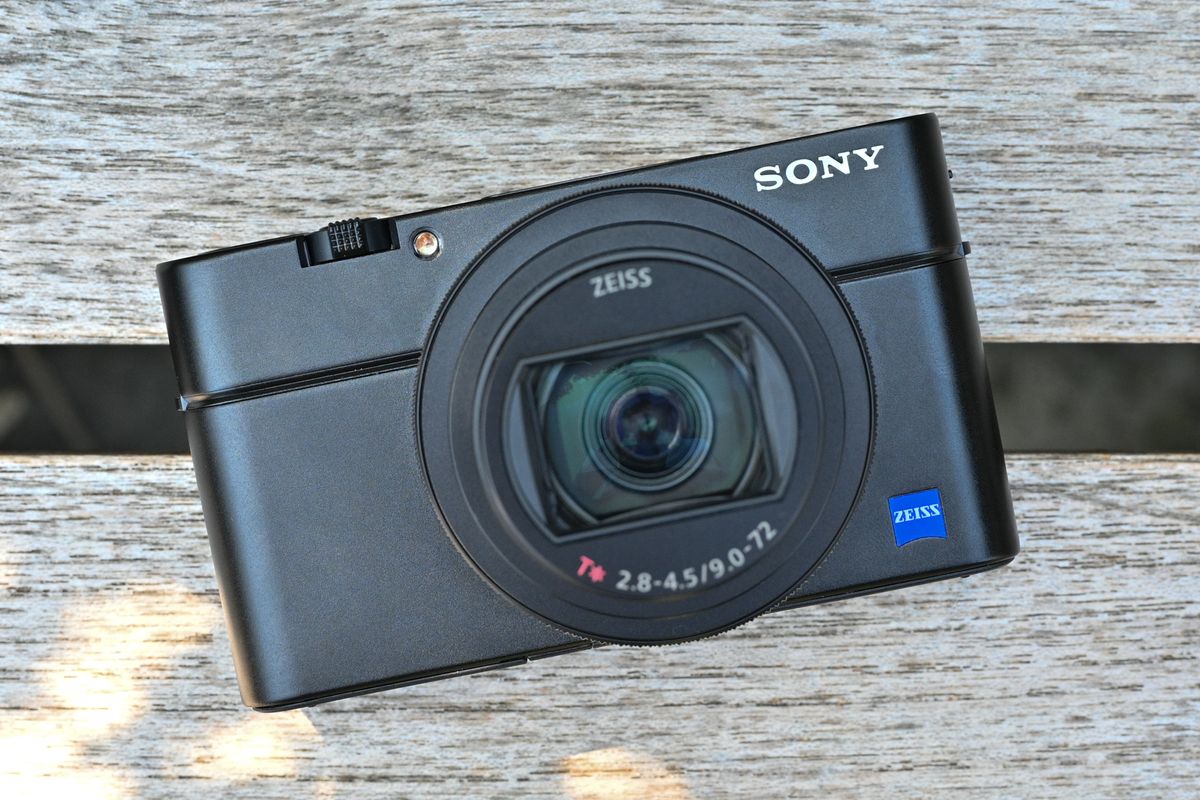
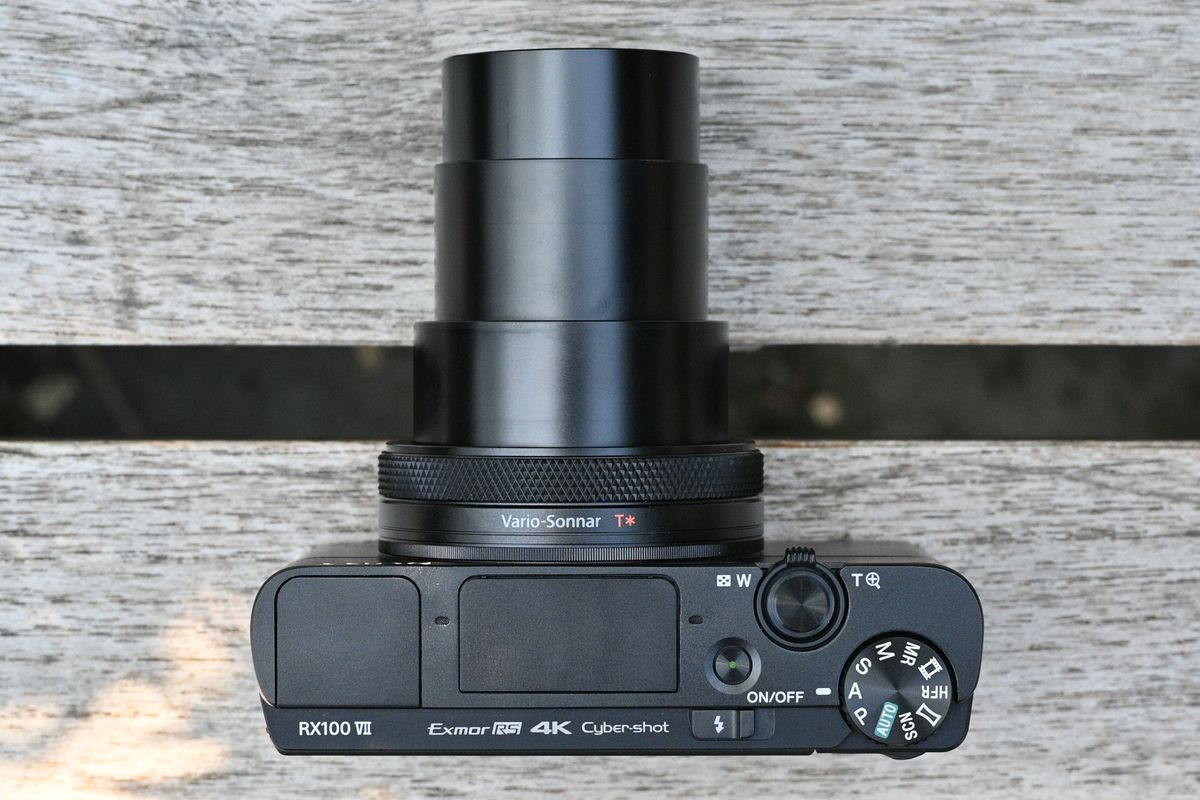
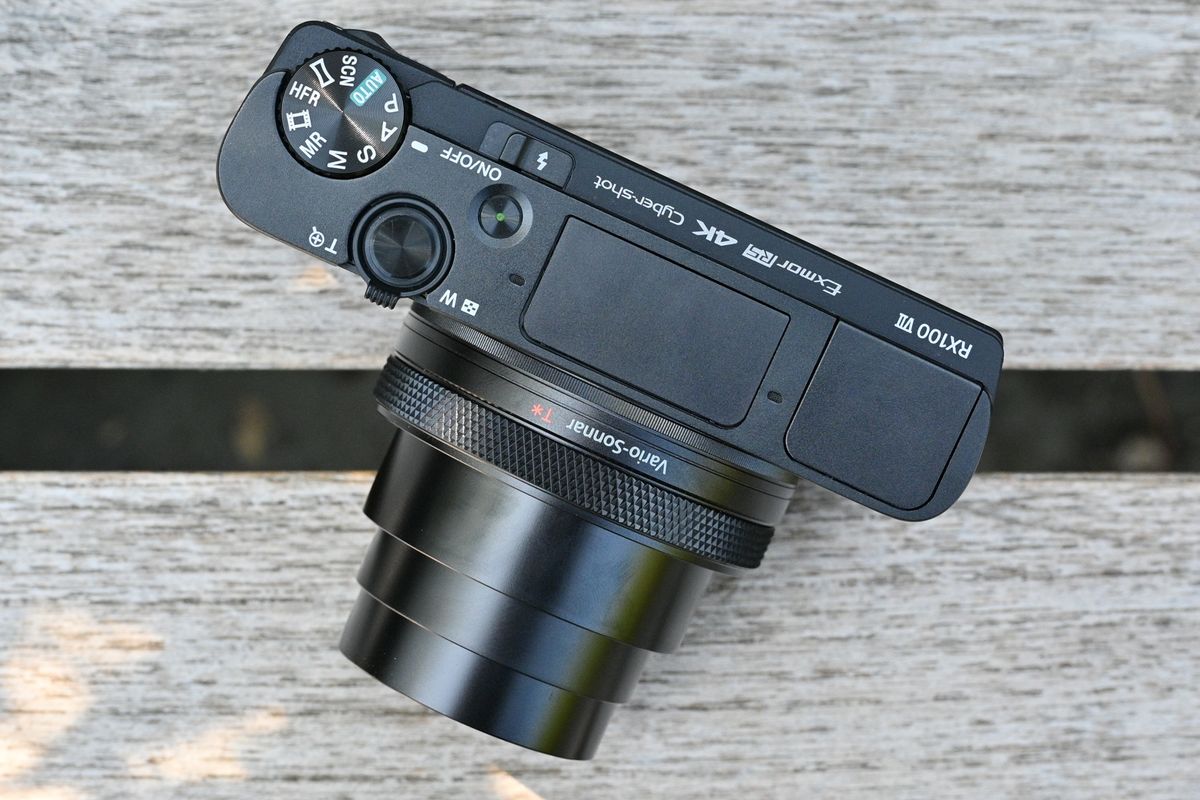
's RX100 series has long been the pinnacle of premium compact cameras and the RX100 VII is the series' high water-mark. It's bursting with features, but the key one for its point-and-shoot usability is its class-leading autofocus. It can reliably track moving subjects like speeding pets or lock onto people with its Face/Eye AF mode, which means you can simply focus on composition.
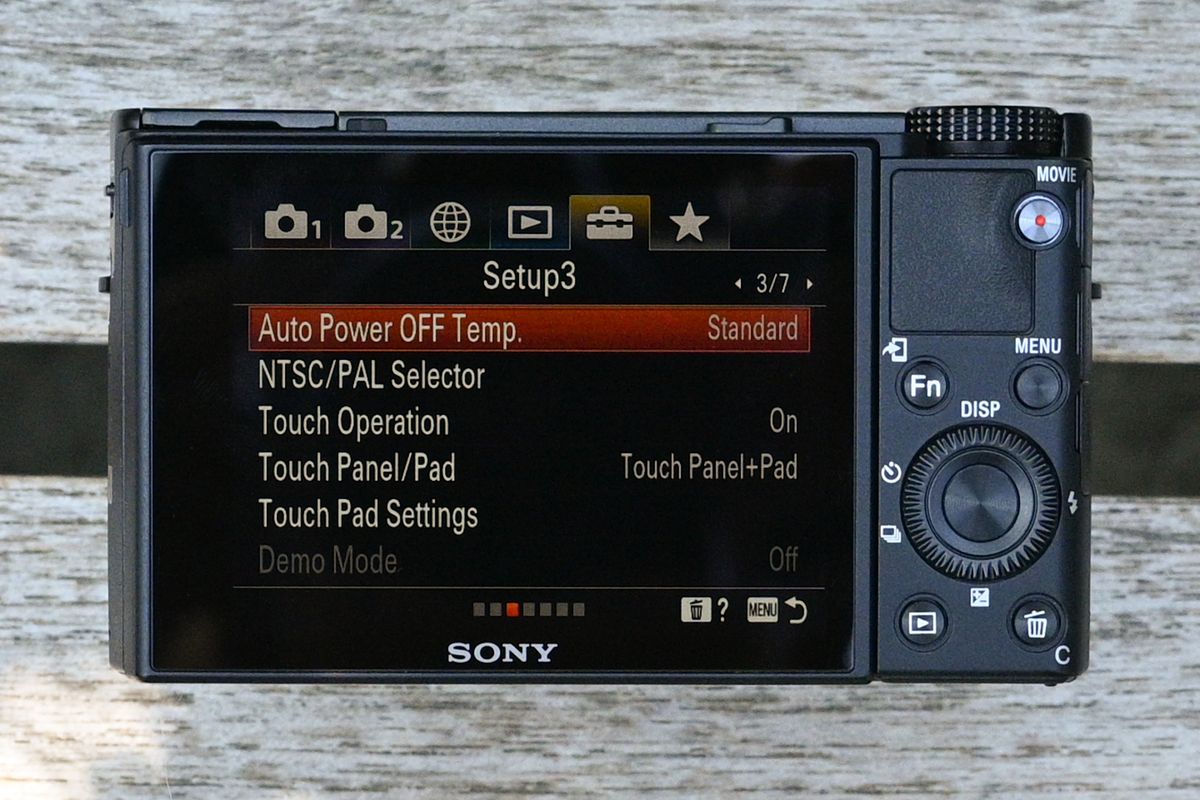
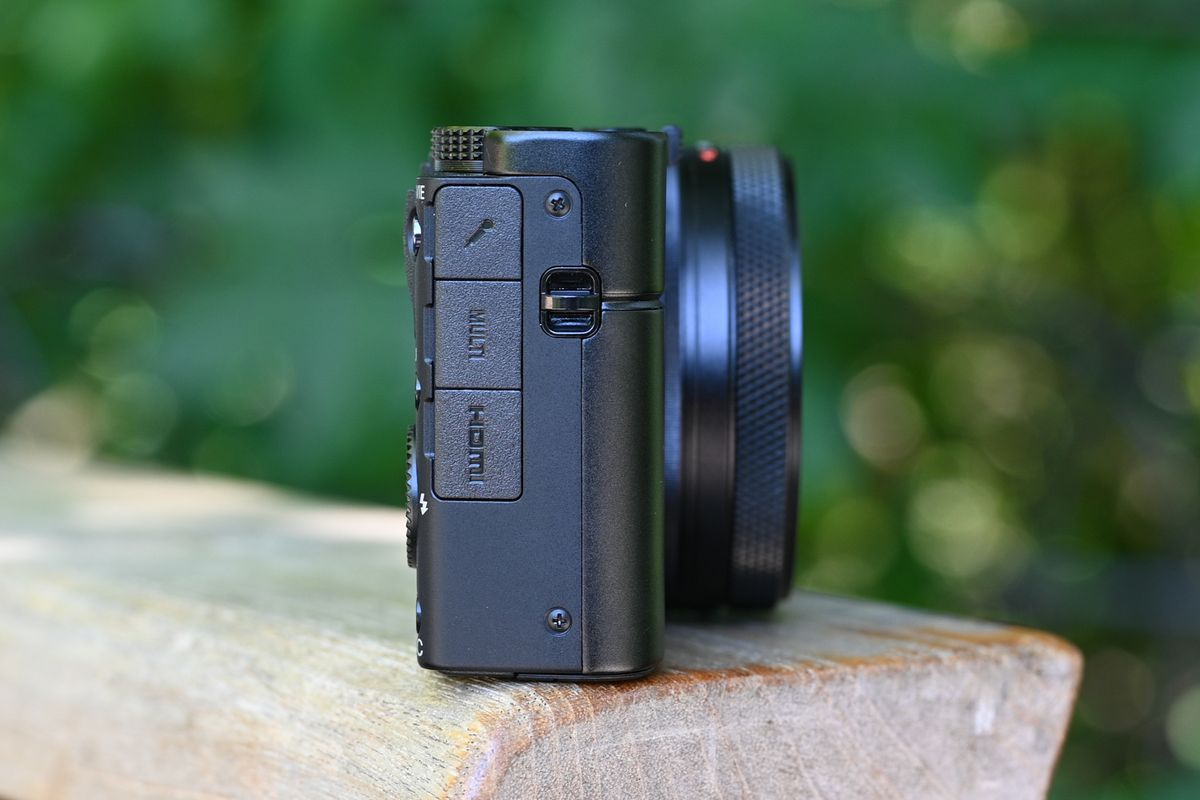
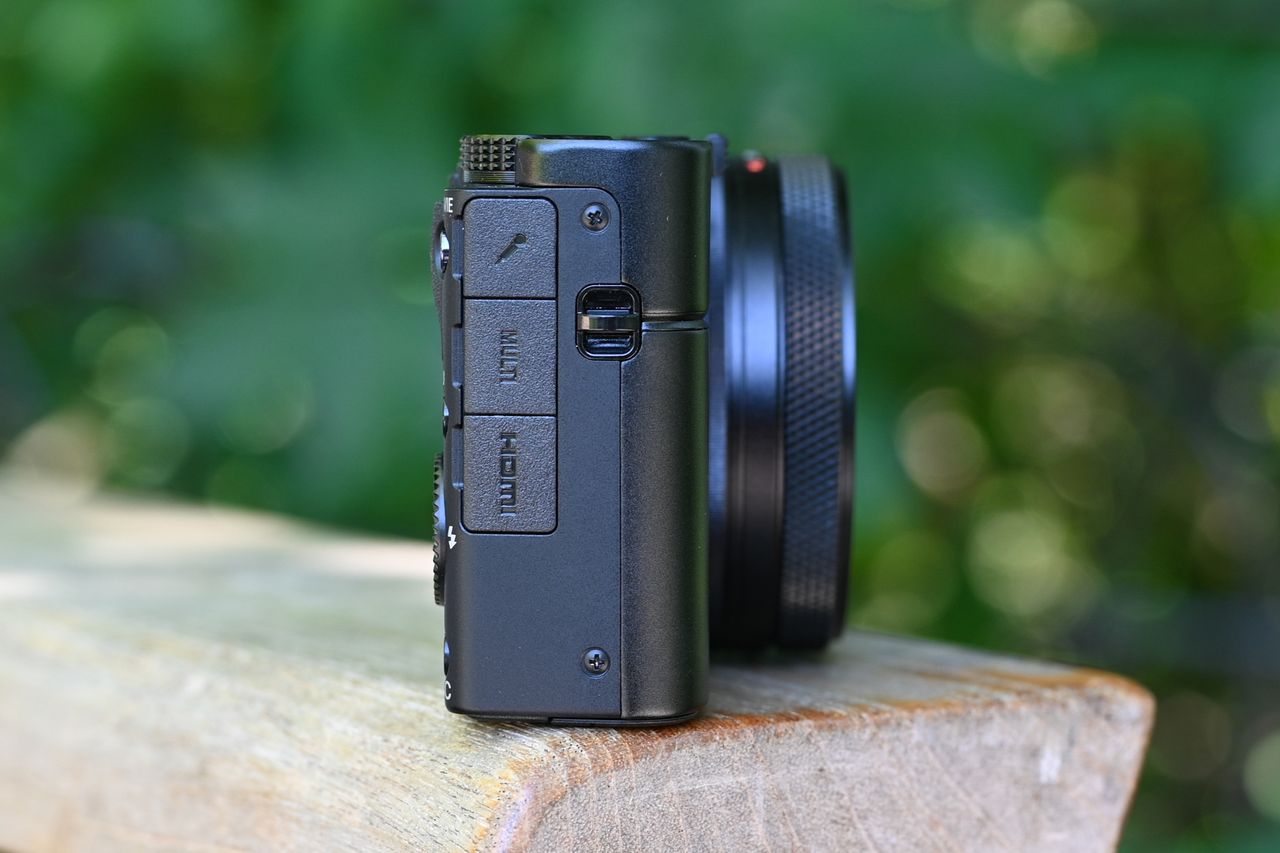
The RX100 VII is also a pretty dab hand at video too, offering detailed 4K footage with minimal rolling shutter and handy features like a microphone jack. Aside from its price tag, we found that this camera's only real downsides are its lack of touchscreen functionality and a fairly average battery life. Some may also prefer the handling and shooting experience of the PowerShot G7X Mark III (see no.7 below). But otherwise this is the best money-no-object compact camera around.
Read our in-depth
The best photo quality from your pocket
Image 1 of 5
(Image credit: Future / Tim Coleman)
(Image credit: Future / Tim Coleman)
(Image credit: Future / Tim Coleman)
(Image credit: Future / Tim Coleman)
(Image credit: Future / Tim Coleman)
Image 1 of 5
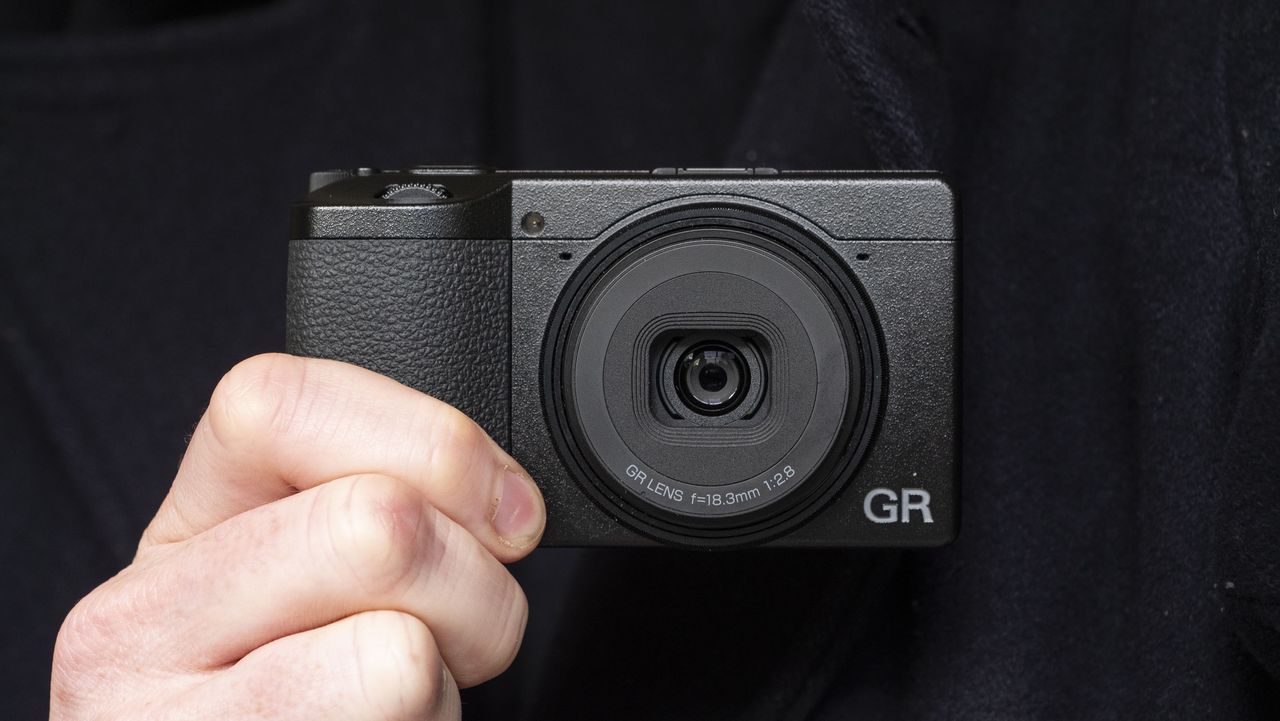
Image 2 of 5
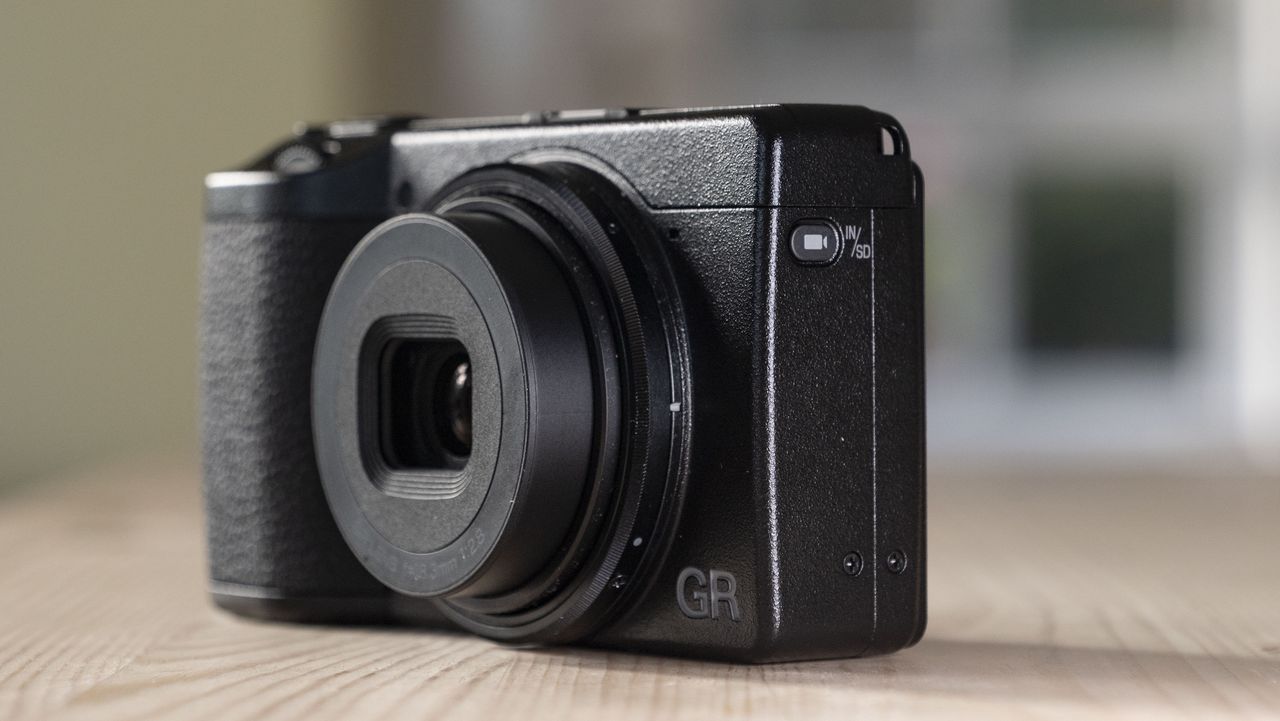
Image 3 of 5
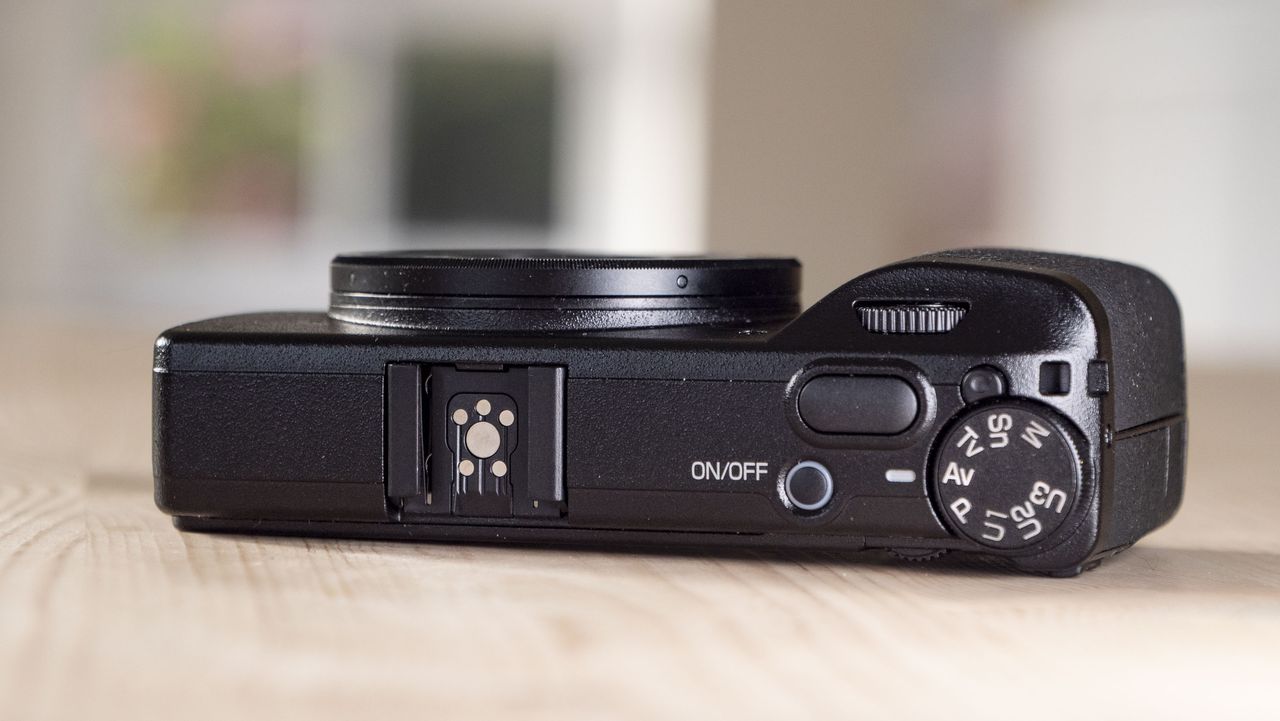
Image 4 of 5
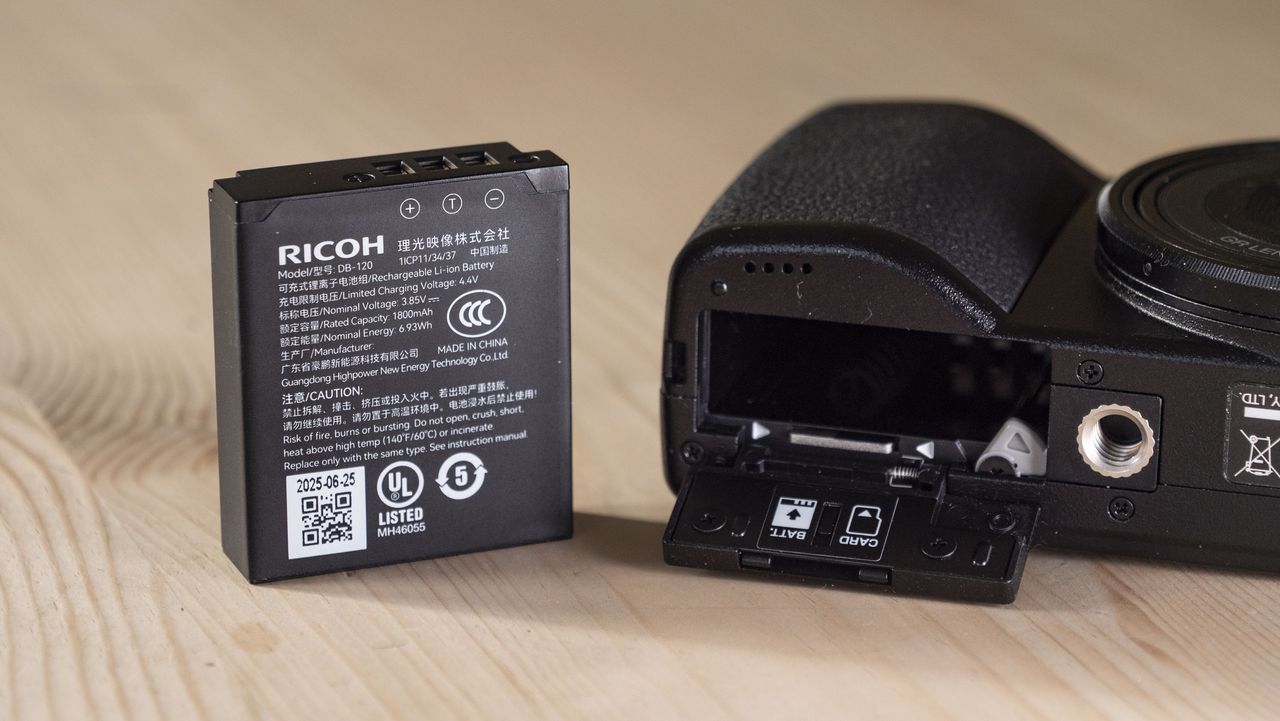
Image 5 of 5
The best compact for outright image quality
Specifications
Sensor: APS-C
Lens: 18.3mm (28mm equiv.) f/2.8-16
Monitor: 3.0-inch TFT LCD touchscreen
Continuous shooting speed: 4fps
Viewfinder: None
User level: Intermediate
Reasons to buy
+
Sharp and stabilized 26MP APS-C sensor
+
Tiny size and improved handling for single-hand use
+
Lightning-fast startup time and improved battery life
Reasons to avoid
-
Still not weather-sealed
-
No built-in flash
-
Video recording is an after thought
-
Autofocus can be sluggish
Ricoh GR IV sample images
Image 1 of 5

(Image credit: Future / Tim Coleman)
(Image credit: Tim Coleman)
(Image credit: Future / Tim Coleman)
(Image credit: Tim Coleman)

(Image credit: Tim Coleman)
Image 1 of 5

Image 2 of 5
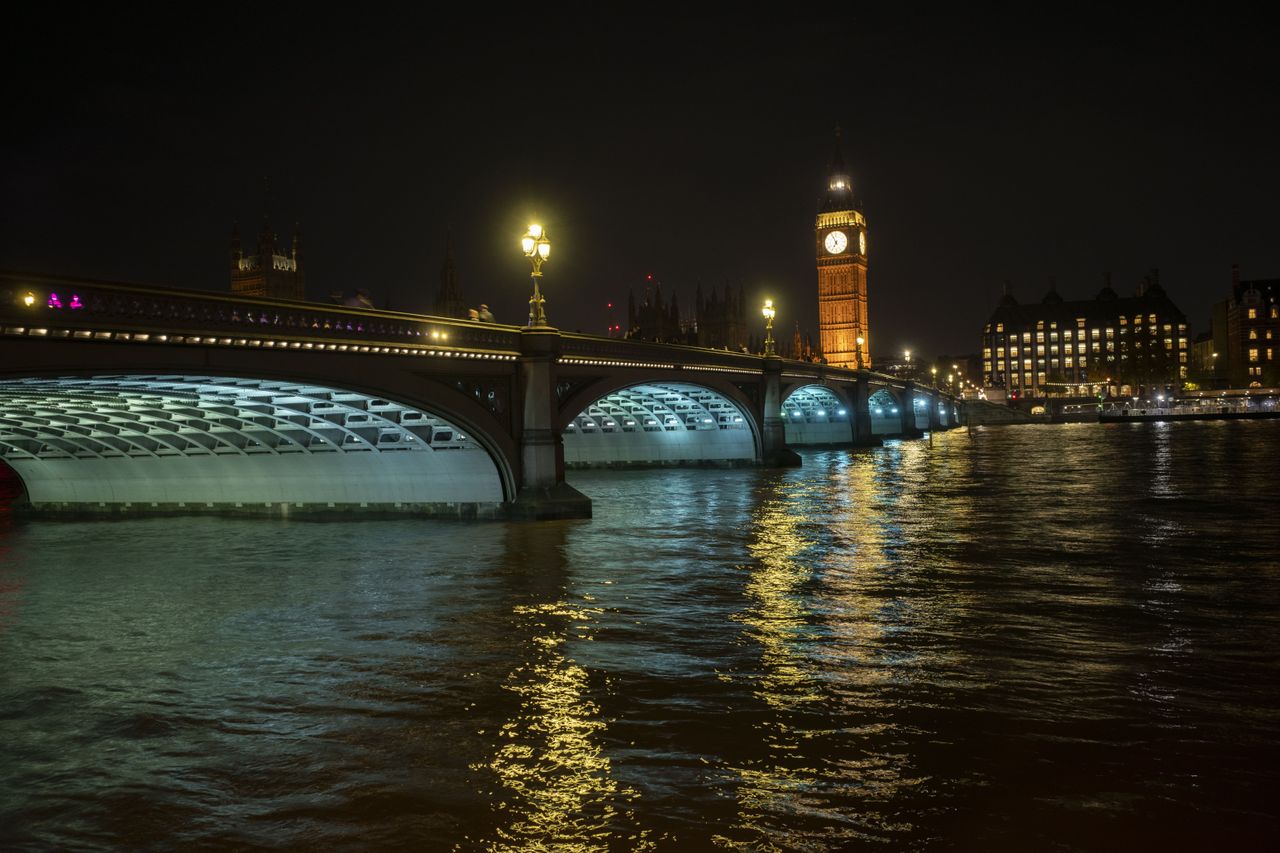
Image 3 of 5
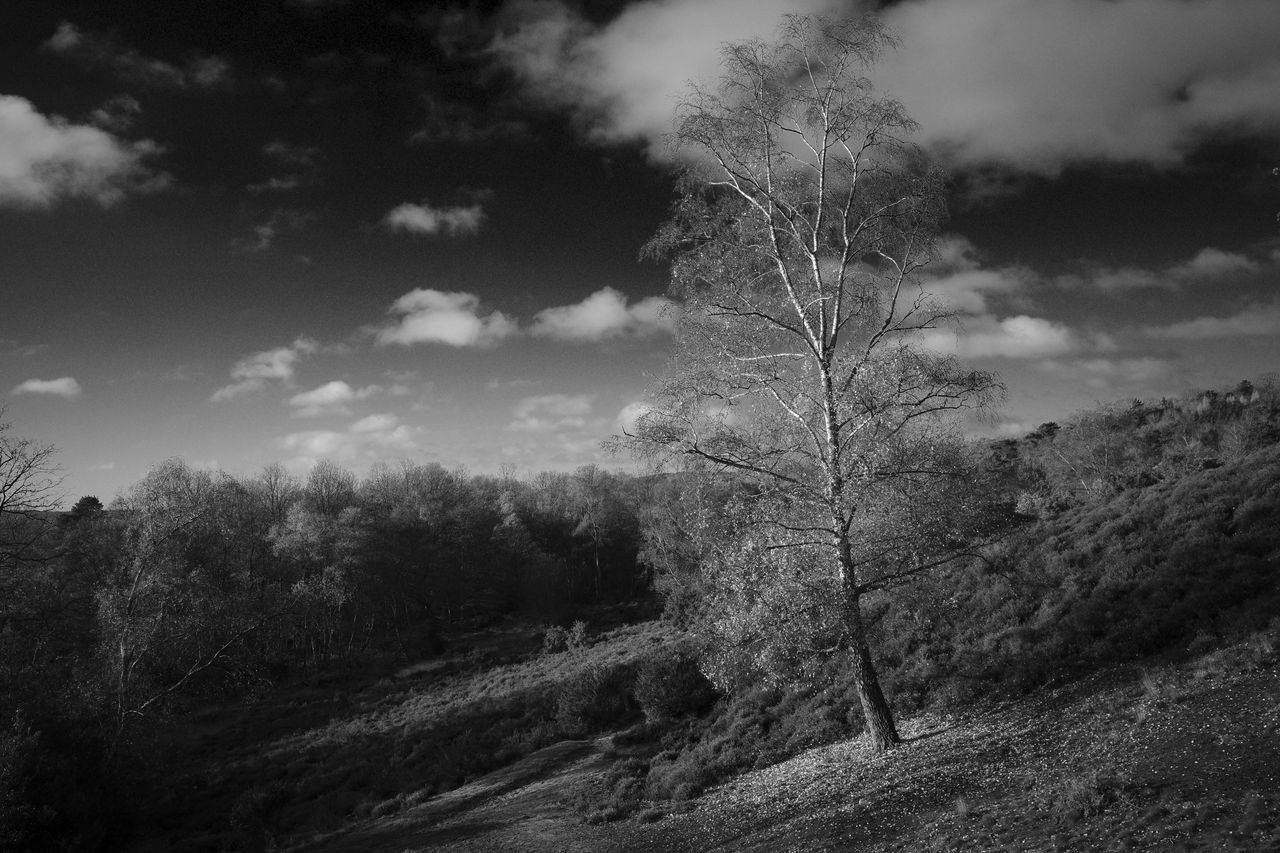
Image 4 of 5
Image 5 of 5

Buy it if:
✅ You want a true pocket camera with superb image quality: The 5-axis stabilized 26MP APS-C sensor and refined 28mm lens are a superb combo for photo-philes.
✅ You want a smartphone step up: Like a phone, the GR IV is a camera that you can carry with you almost everywhere – just don't take it to the beach.
Don't buy it if:
❌ You want a rugged camera: The camera isn't weather sealed, and as such you need to look after it – as I know from my experience with my GR III!
❌ You shoot video a lot: Maxing out at 1080p, video recording is very much an afterthought in the GR IV. It's nice to have all the same, but you'll be better off using your phone.
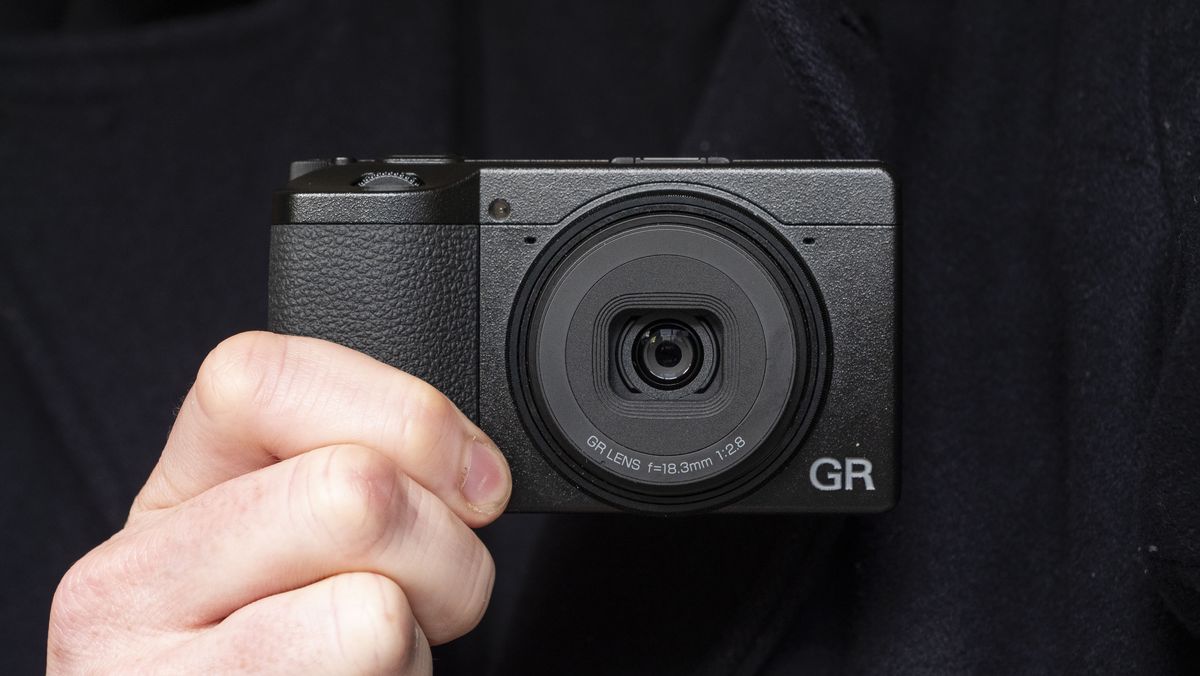
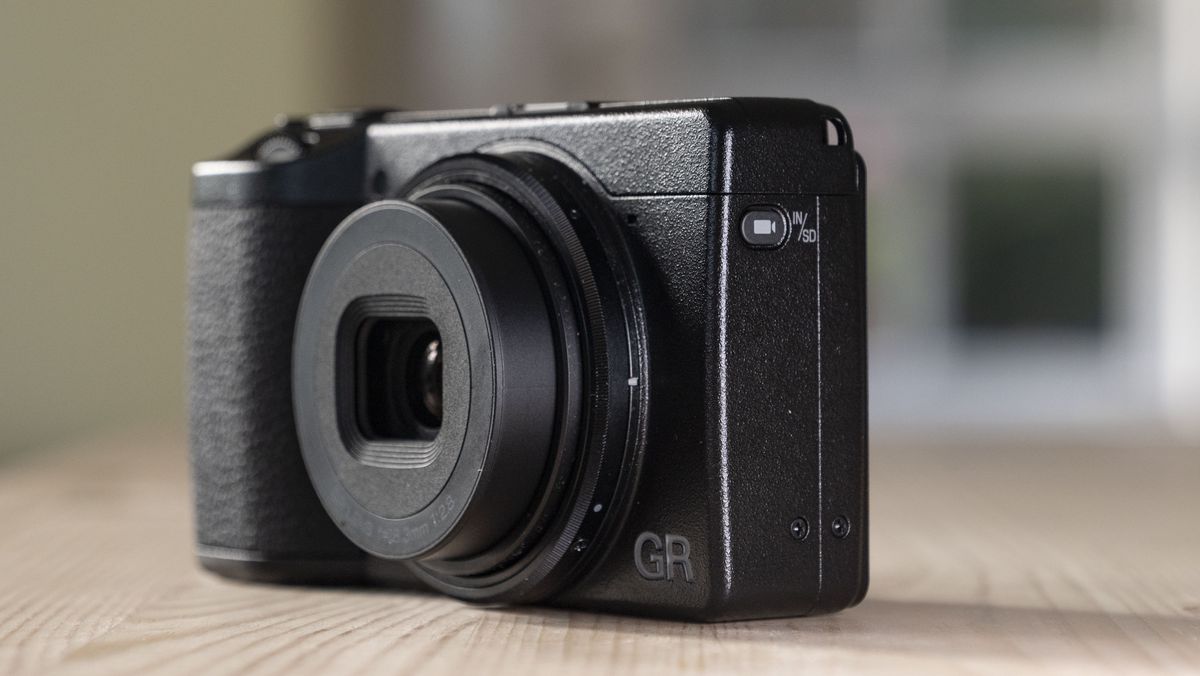
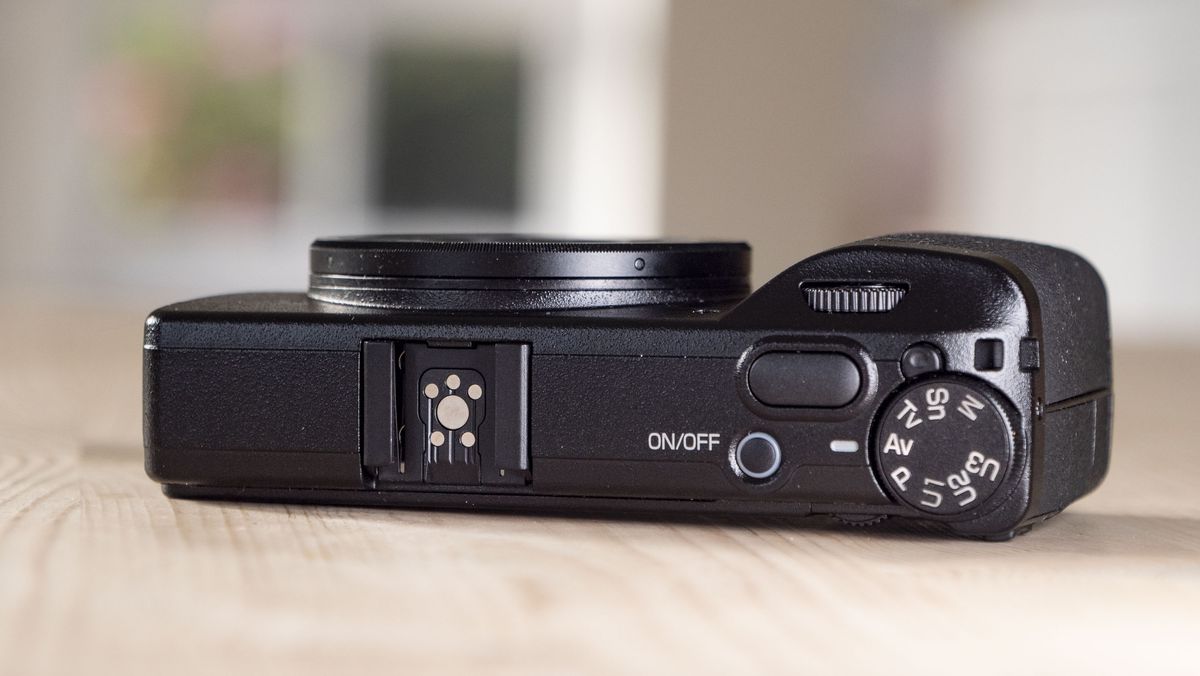
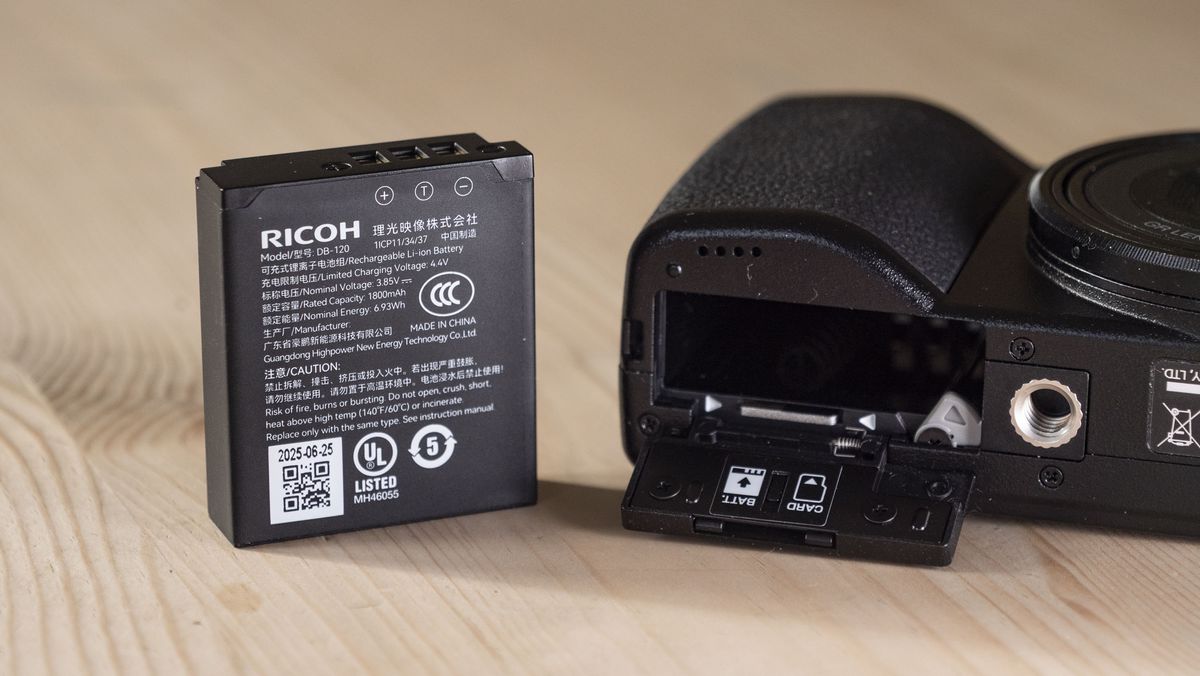
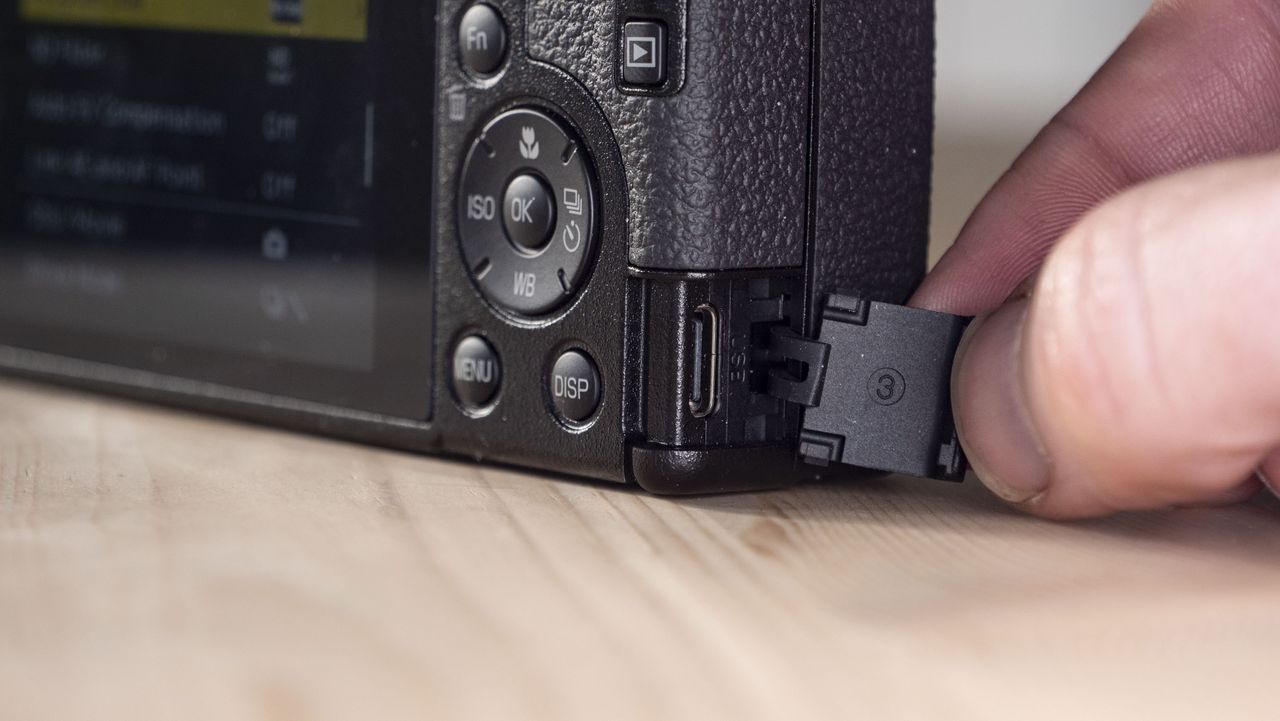
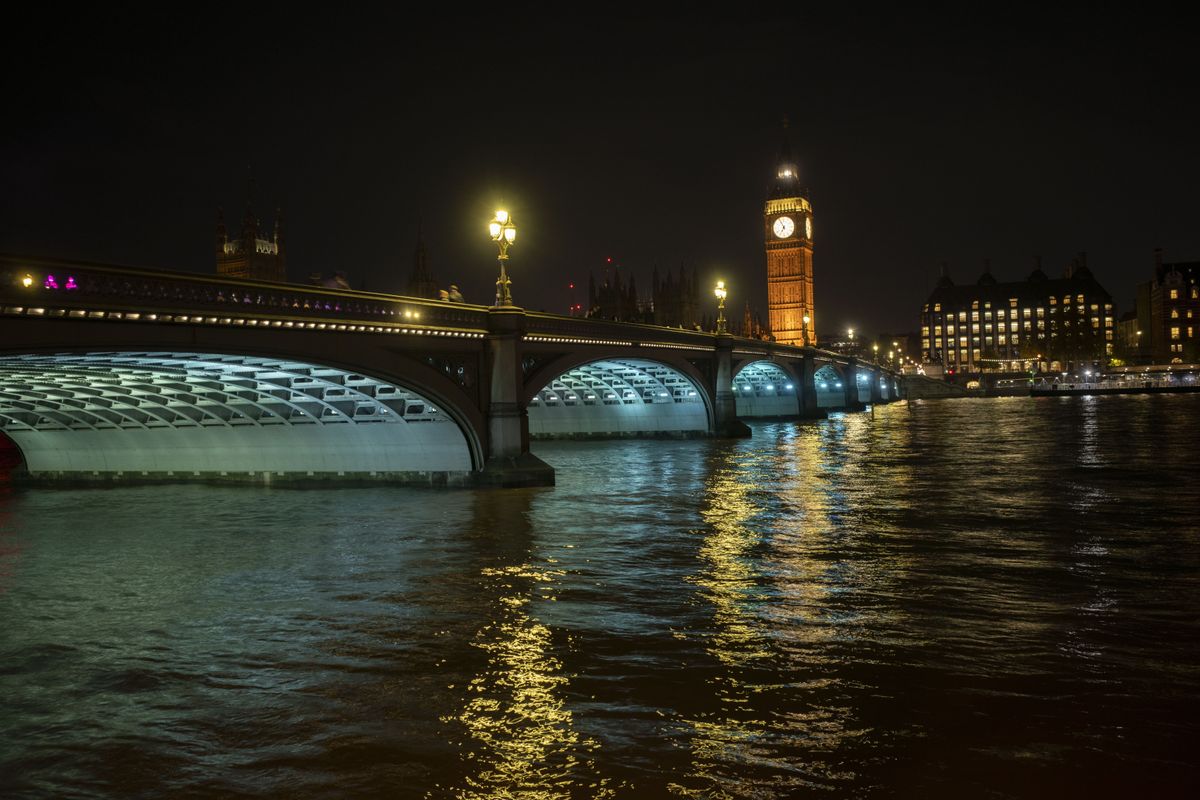
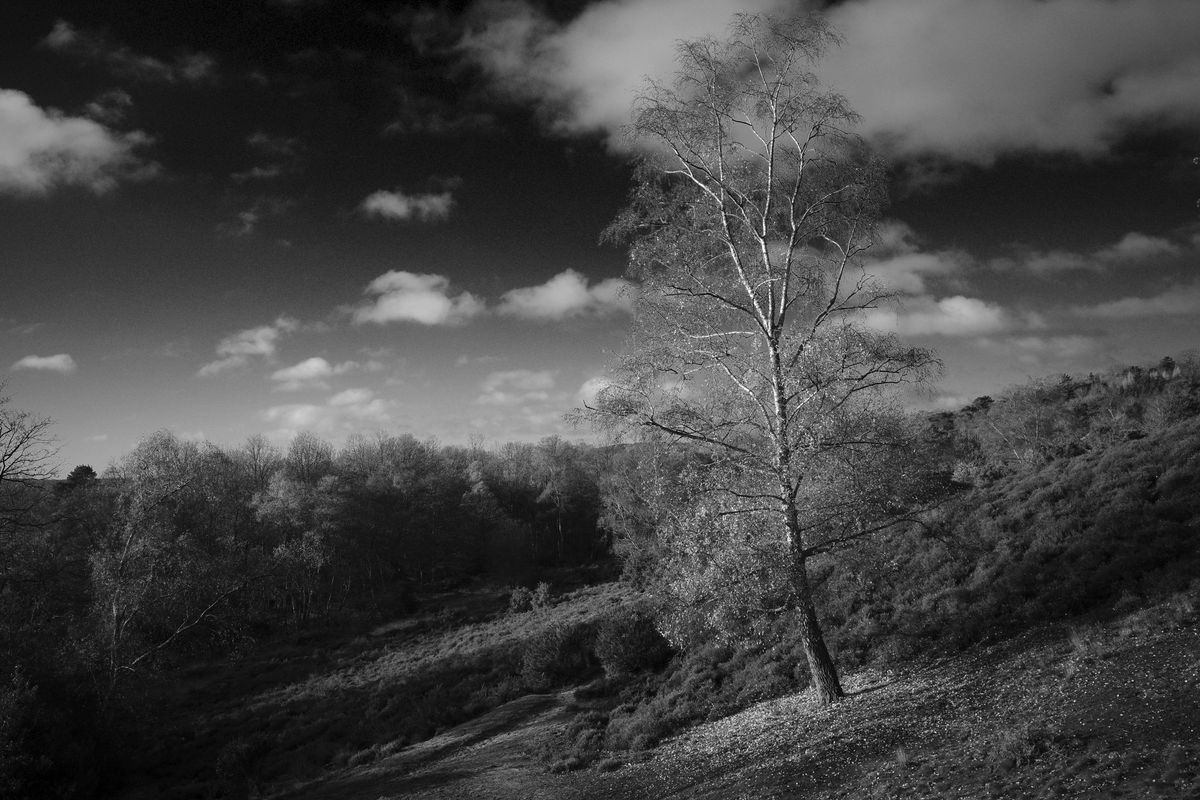
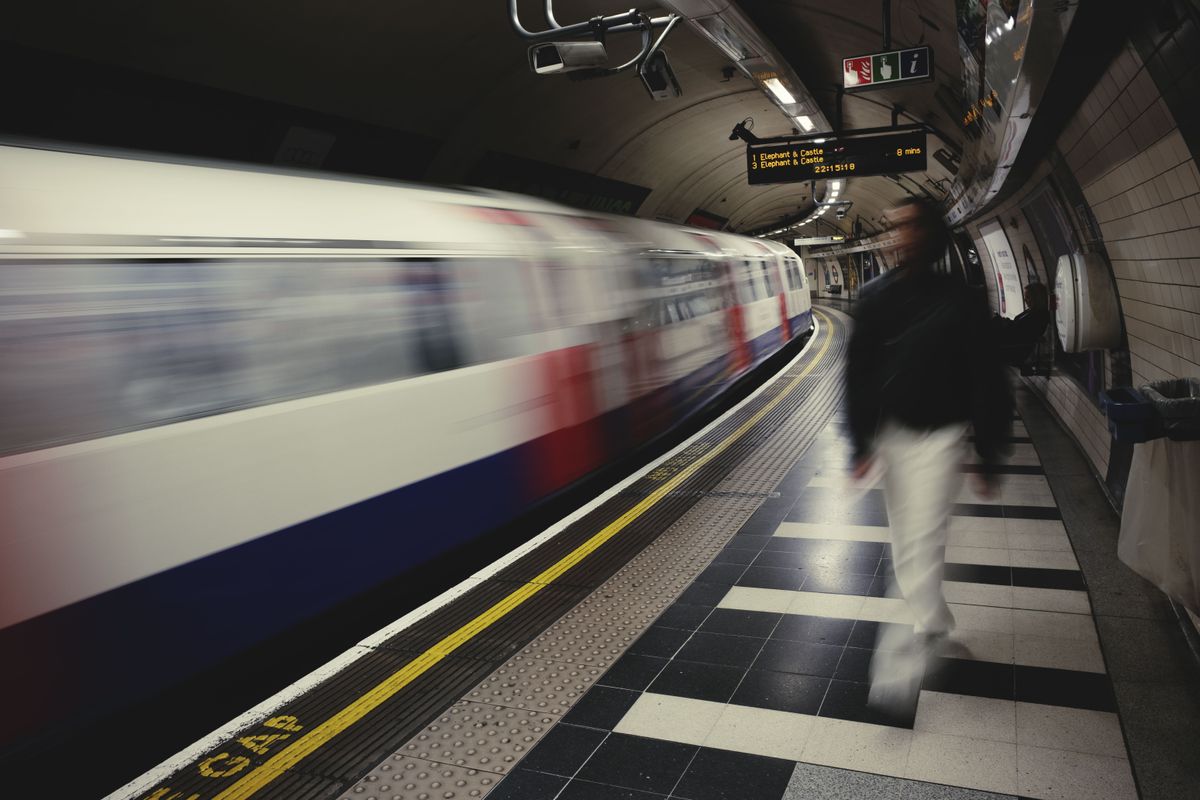
Ricoh's GR point-and-shoot lineup has earned a devoted following among photographers (me included!) who appreciate the way it pairs genuinely pocket-friendly design with incredible image quality. This newest model, released in 2025, stays true to that formula, packing a superb 5-axis stabilized 26MP APS-C sensor into its diminutive frame while delivering welcome upgrades like extended battery performance and a generous 53GB of onboard storage. Thanks to its fixed 28mm lens and near-instantaneous power-up, this camera excels as a go-anywhere companion for street photography and travel shooting.
That said, it won't be the right fit for everyone. The autofocus can be frustratingly slow, there's no built-in flash, and video resolution maxes out at a paltry 1080p. The lack of weather sealing also stands out as a puzzling omission for a camera that otherwise seems perfectly engineered to be a faithful, ever-present travel companion. Still, here's what matters most: you simply won't find another camera this small that delivers photographs of this caliber.
Read our in-depth
The best rugged point and shoot camera
Image 1 of 5
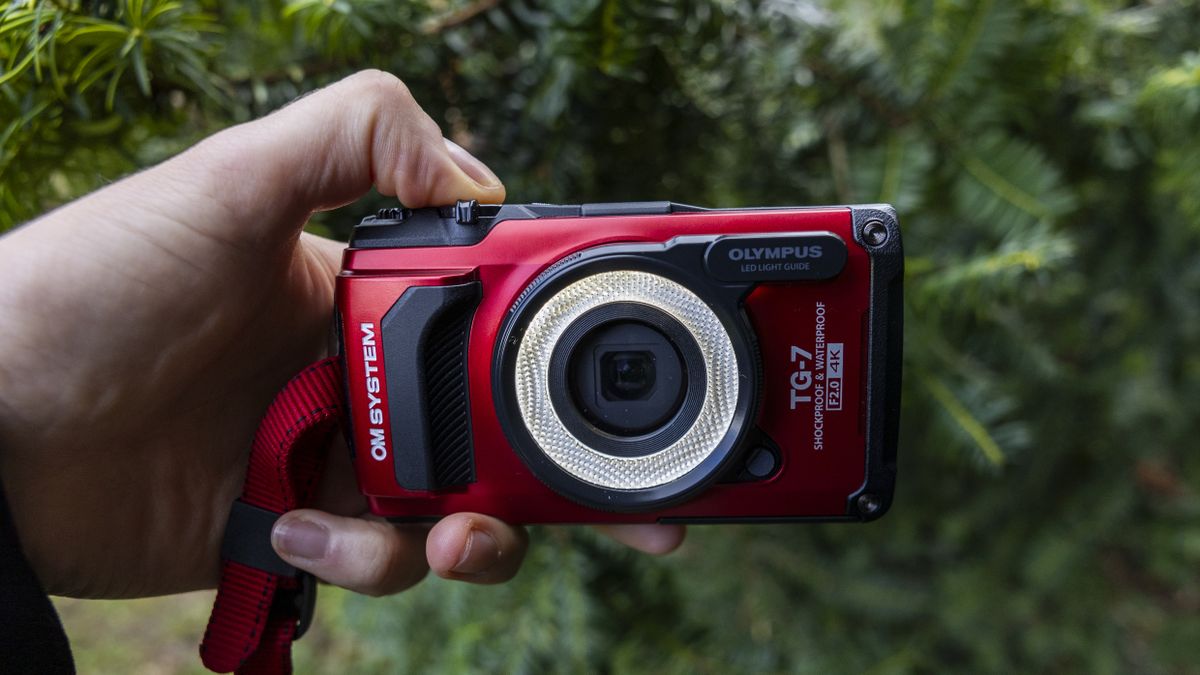
The OM Tough TG-7 is compatible with a wide range of accessories such as flash modifiers and floating cases (Image credit: Lauren Scott)
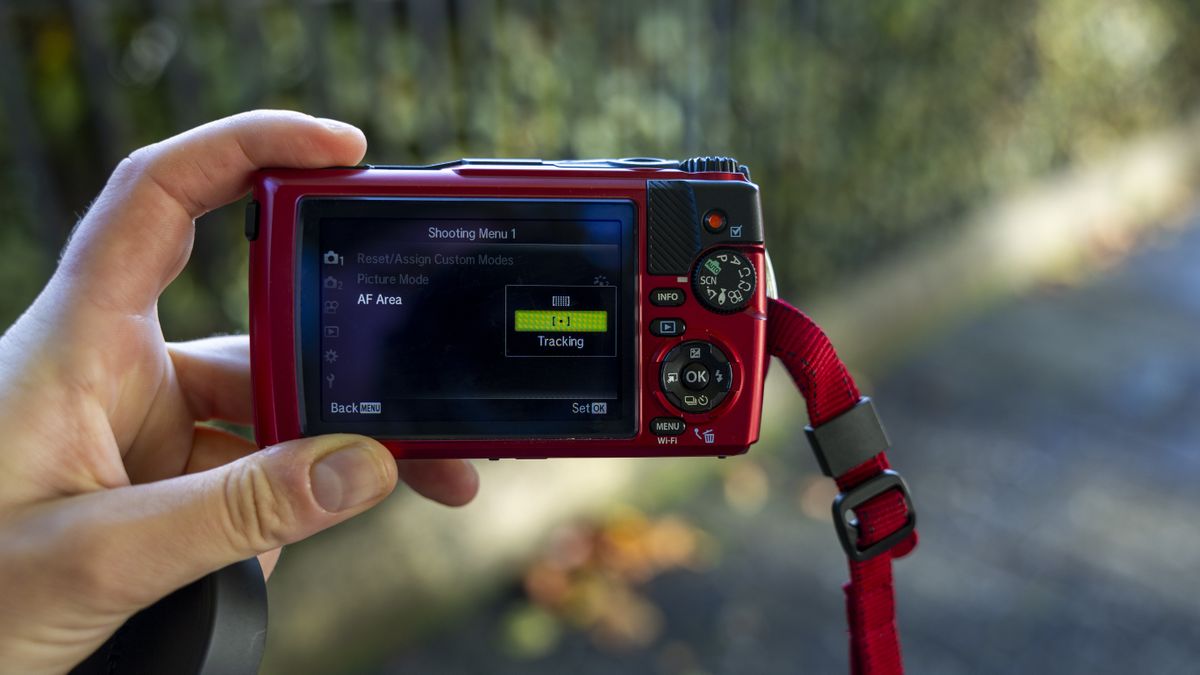
Focus modes (Image credit: Lauren Scott)
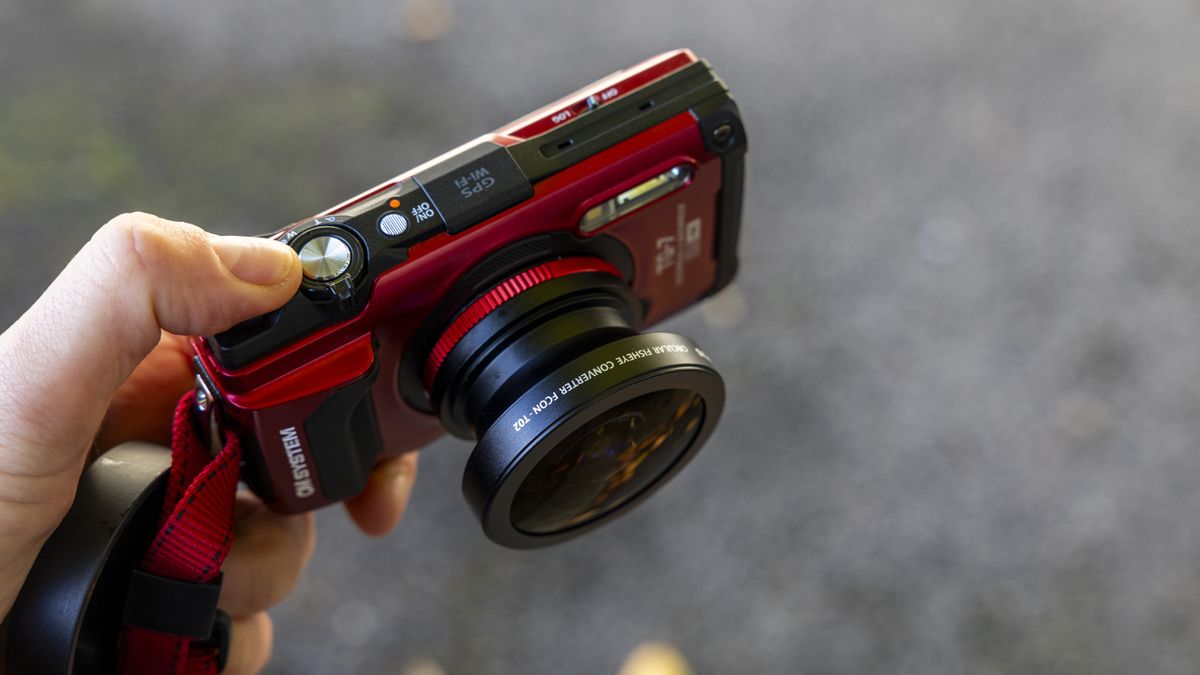
A screw-on fisheye converter adds new creative effects and possibilities (Image credit: Lauren Scott)
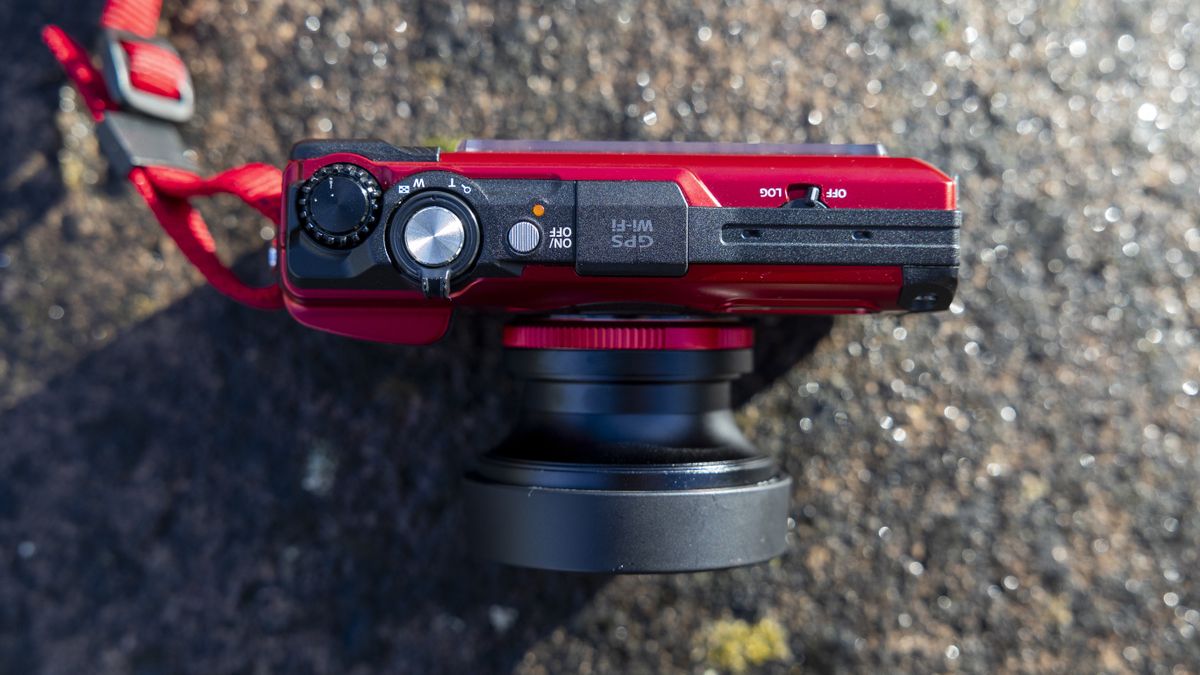
The Log/Off switch at the top of the TG-7 is used to toggle GPS. It can also record information in the image metadata like temperature and elevation (Image credit: Lauren Scott)
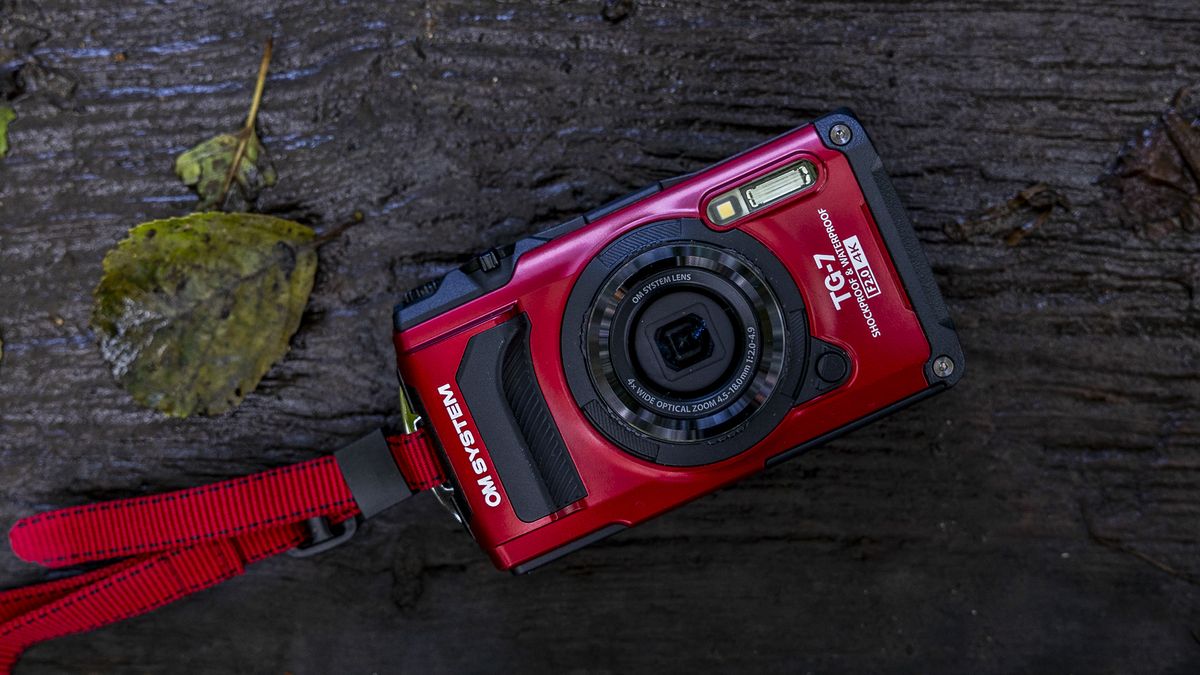
With a 4x zoom lens, the TG-7 offers a versatile focal range and macro focus (Image credit: Lauren Scott)
Image 1 of 5
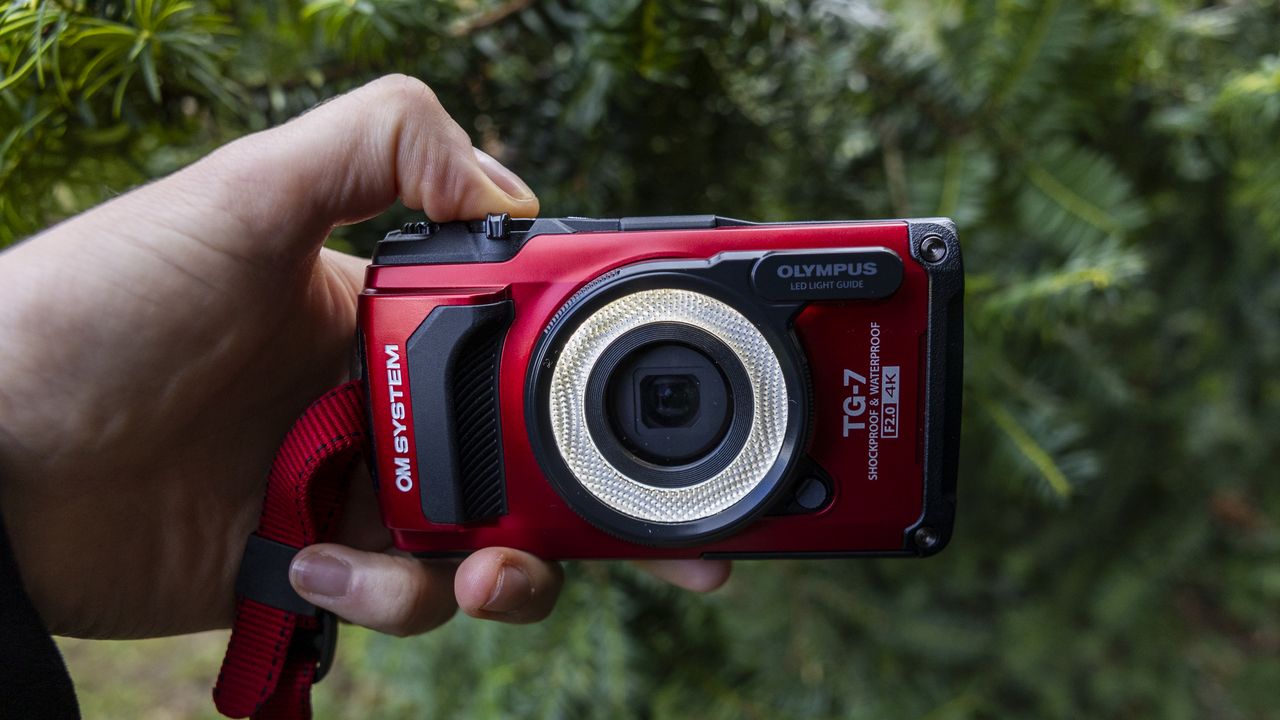
Image 2 of 5
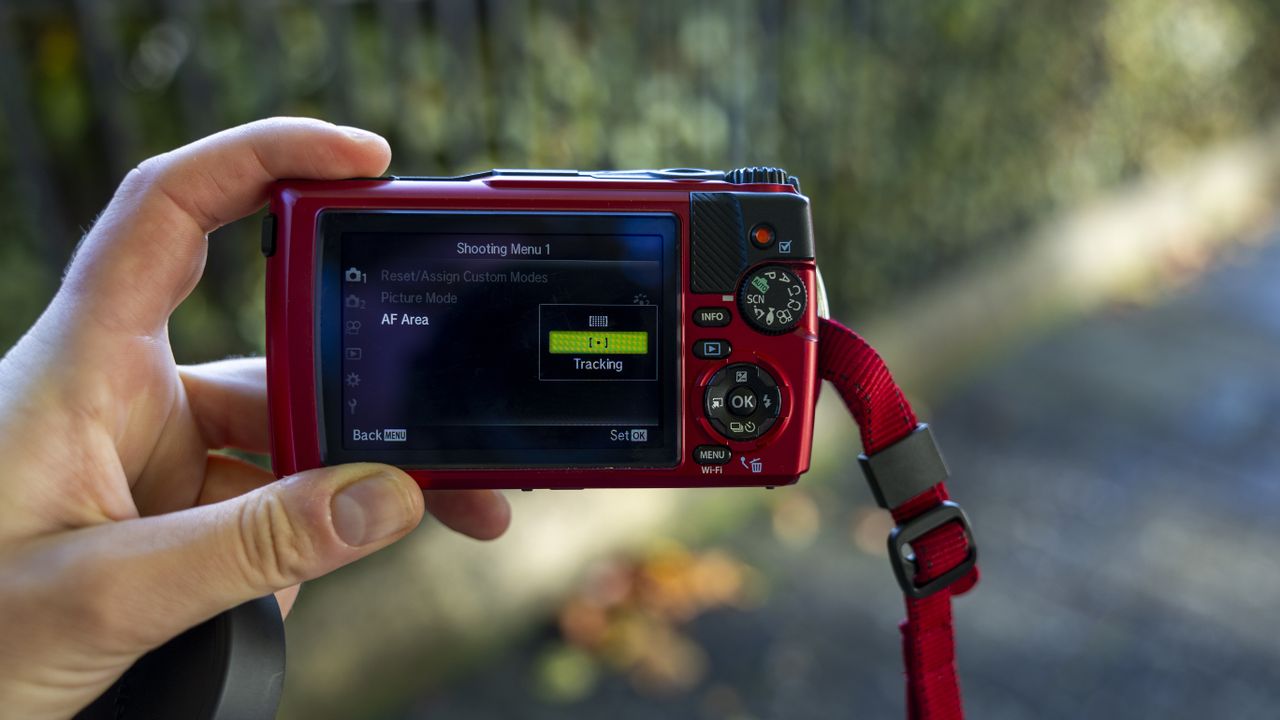
Image 3 of 5
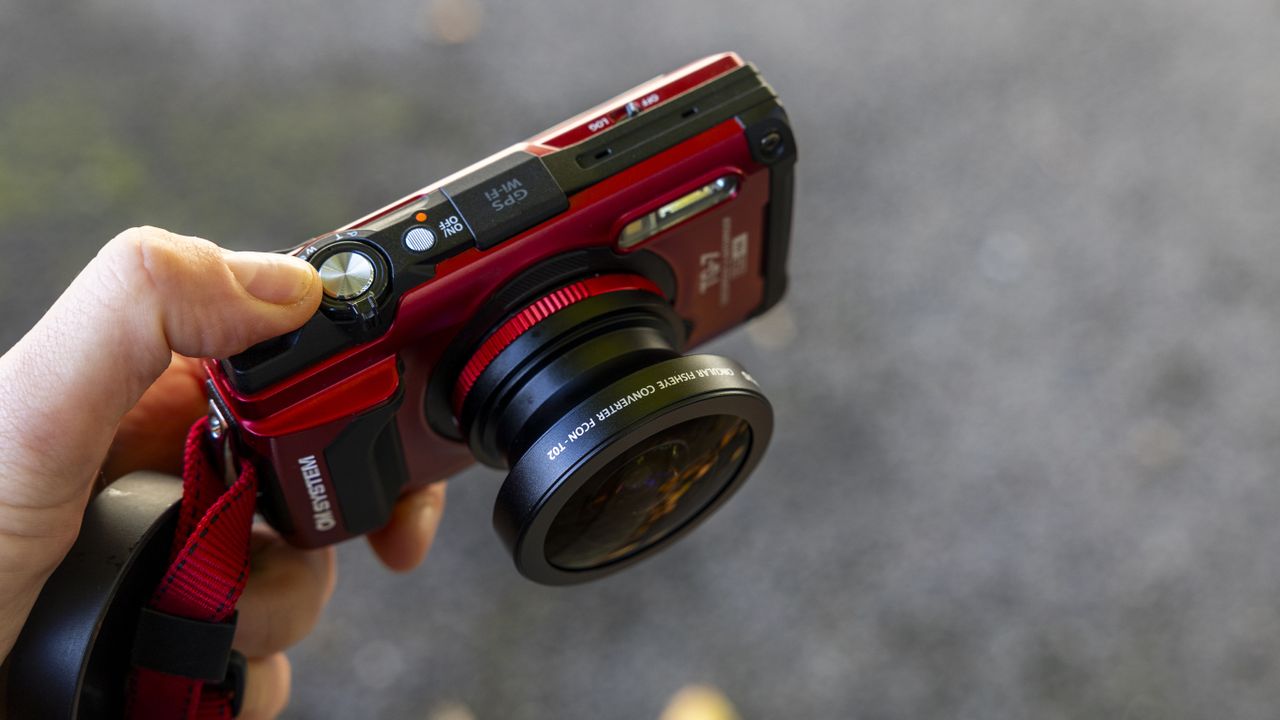
Image 4 of 5
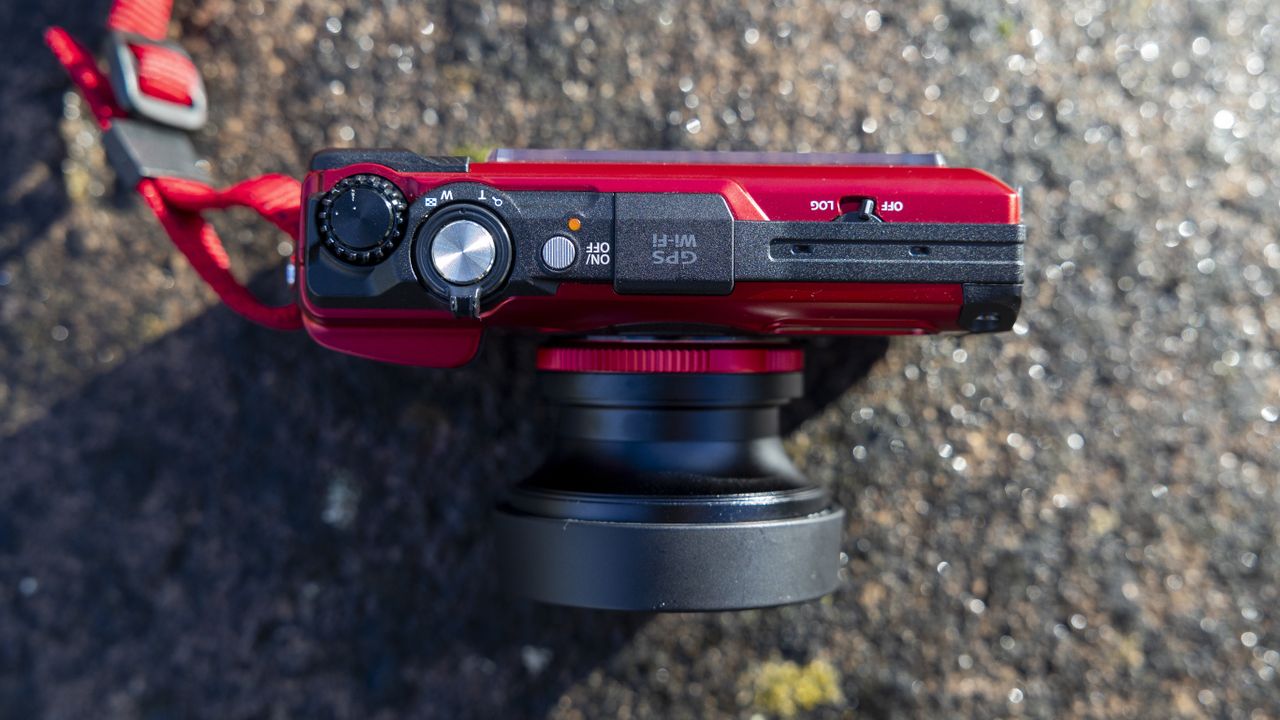
Image 5 of 5
The best rugged point and shoot camera
Specifications
Camera type: Point-and-shoot
Sensor: 1/2.3-inch
Resolution: 12MP
Video: 4K
Lens: 25-100mm f/2-f/4.9
Viewfinder: EVF 1,040,000 dots
Screen: 3.0-inch
Reasons to buy
+
Good zoom range with wide aperture
+
Super durable
+
GPS log and field sensors
Reasons to avoid
-
Lacks LCD touchscreen
-
Image quality could be better
-
Similar to the TG-6
OM System Tough TG-7 sample images
Image 1 of 4

(Image credit: Lauren Scott)
(Image credit: Lauren Scott)
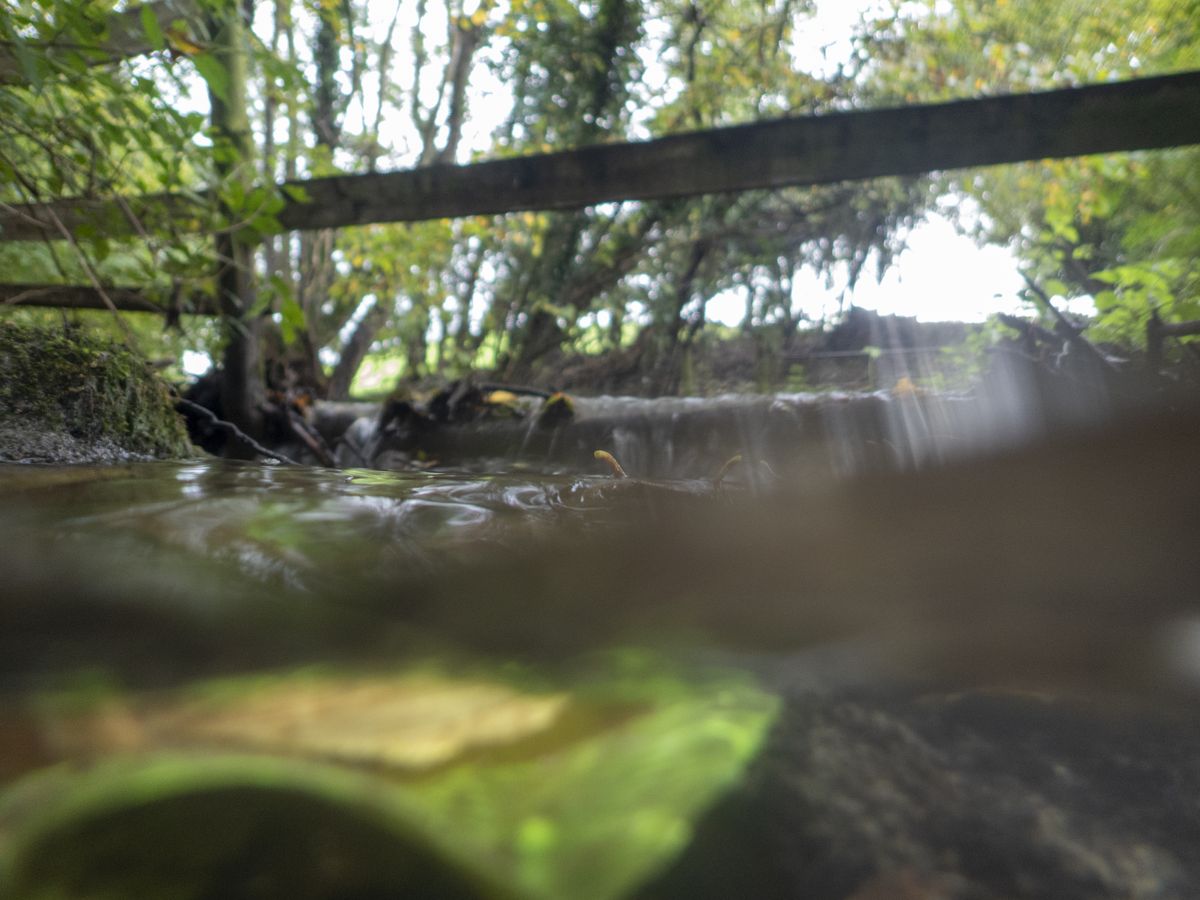
(Image credit: Lauren Scott)
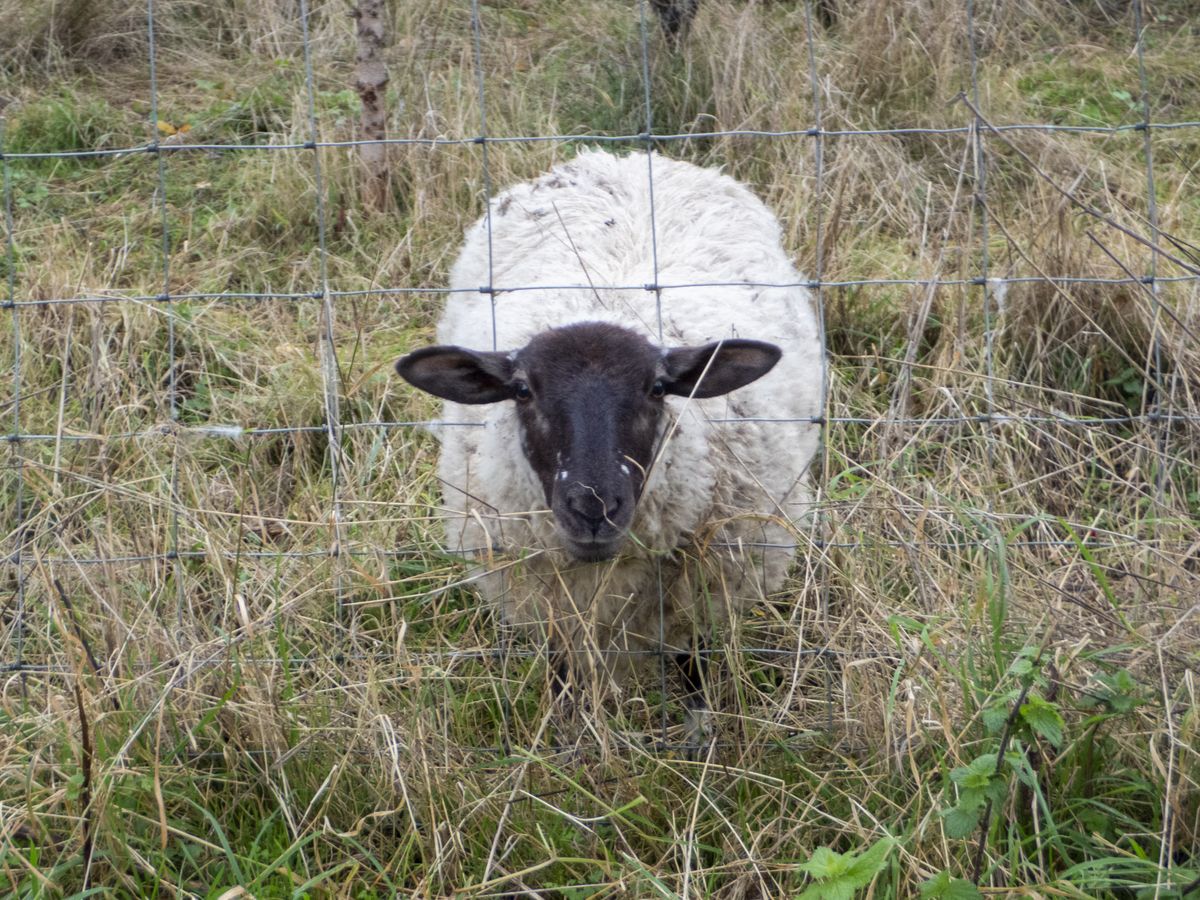
(Image credit: Lauren Scott)
Image 1 of 4

Image 2 of 4
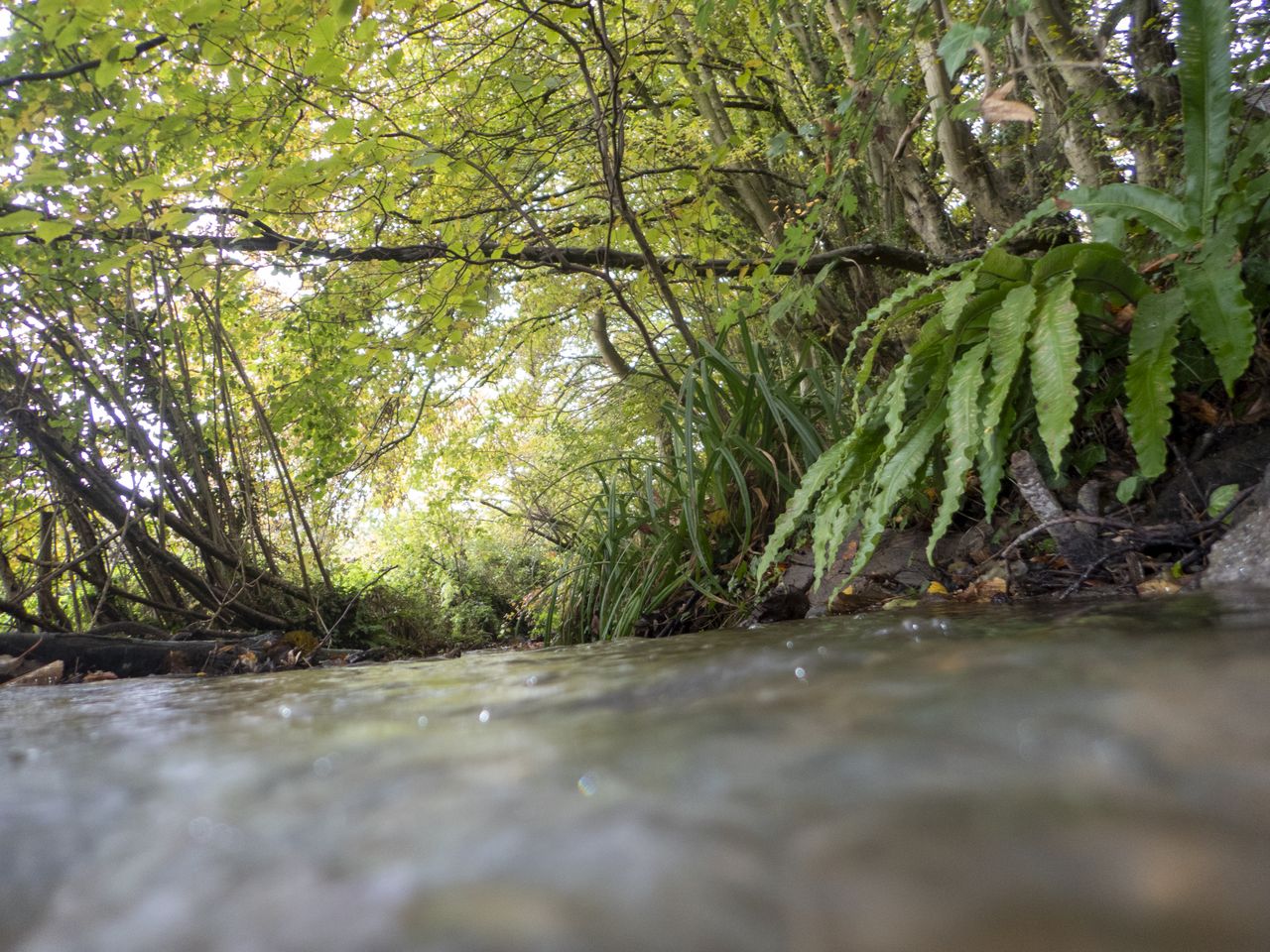
Image 3 of 4
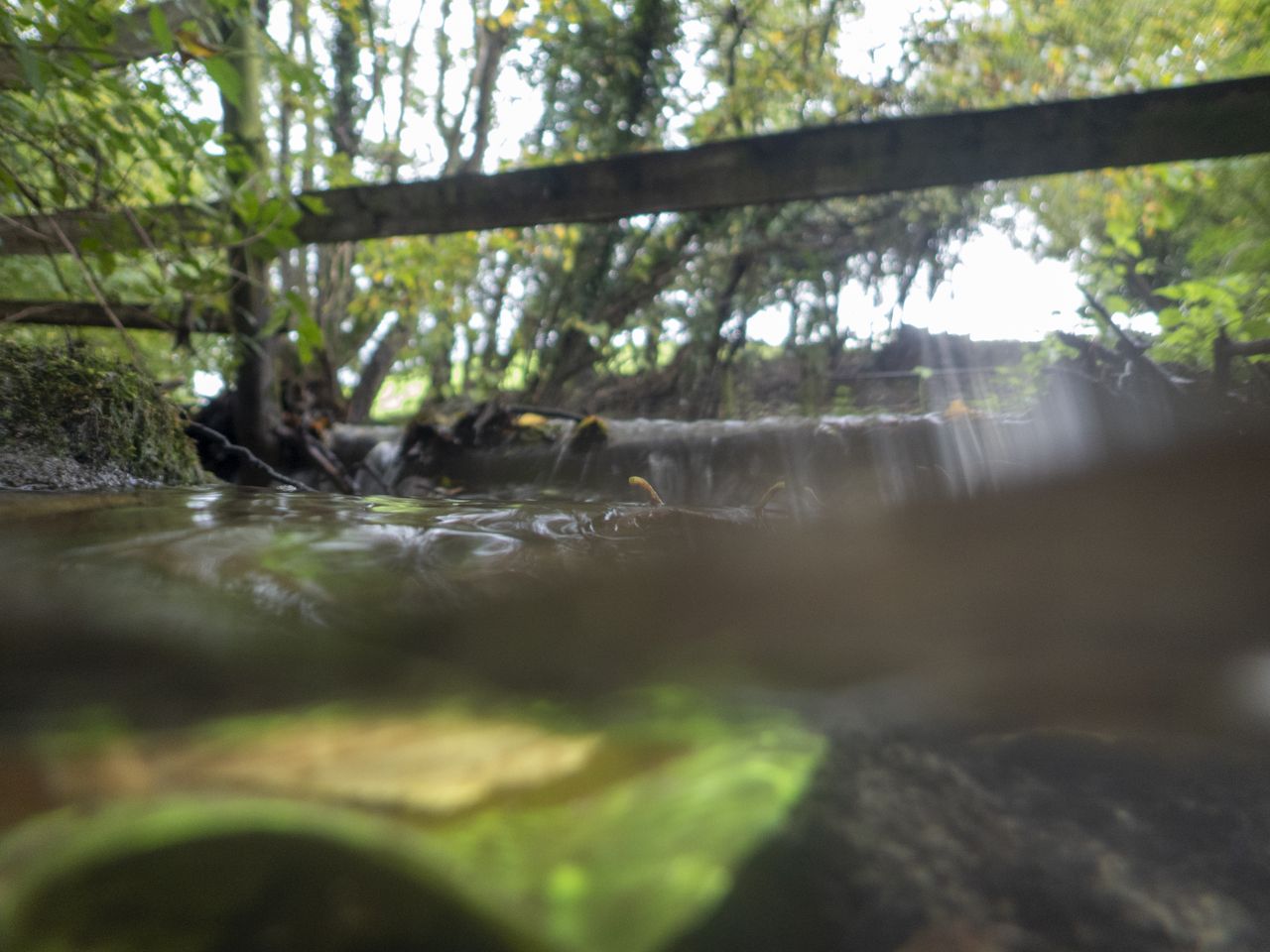
Image 4 of 4
Buy it if:
✅ You want a rugged point-and-shoot: Dropped in sand or submerged in the sea, the toughest point-and-shoot in this list is completely family-proof.
✅ You take mainly photos: The Tough TG-7 offers useful features for shooting stills, including macro modes and white-balance adjustments.
Don't buy it if:
❌ You want the best image quality: Its rugged credentials are what set the Tough TG-7 apart, with image quality falling behind many modern smartphones.
❌ You want a touchscreen interface: While physical controls make the Tough TG-7 an easy camera to handle, its rear LCD isn't a touchscreen.
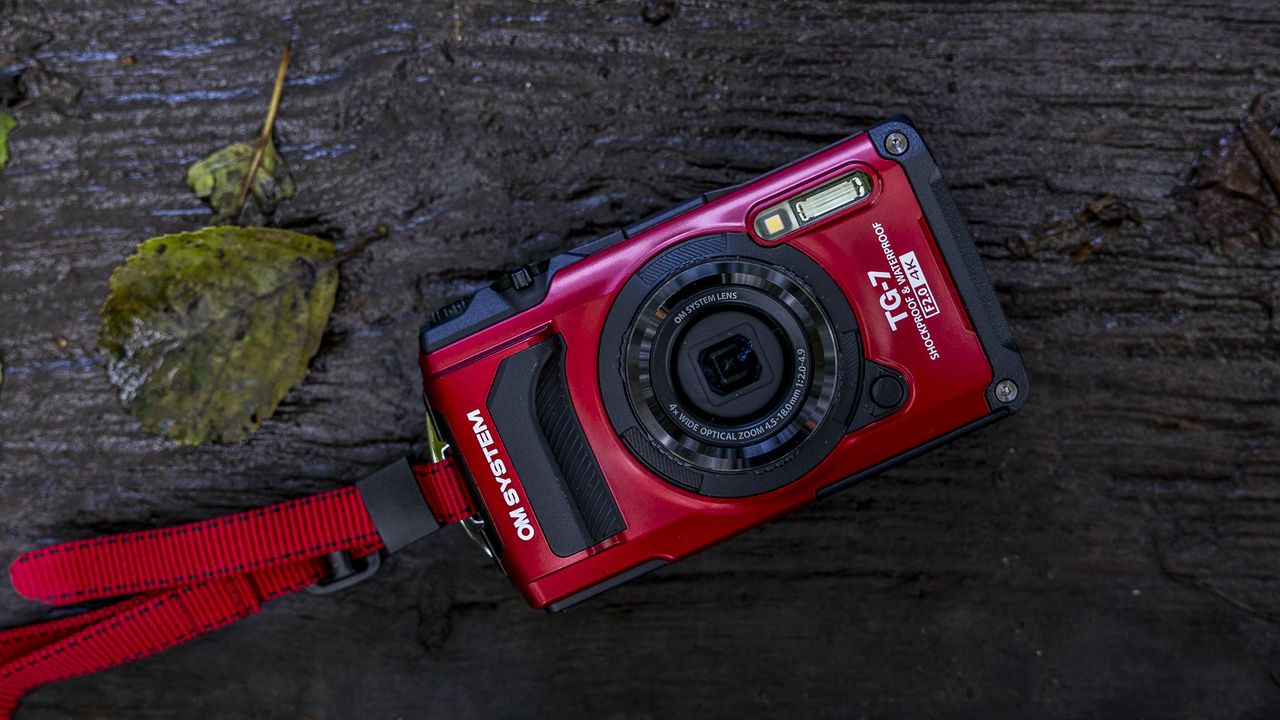
The OM System Tough TG-7 is exactly what you want in terms of a point-and-shoot. Take it on your travels, throw it in your bag, and even give it to your kids. Wherever you take it and whatever you do with it, you can rest assured that it'll withstand all the knocks and scrapes along the way. As well as being rugged, the Tough TG-7 is also waterproof with an IPX8 rating, making it perfect not only for rainy days but also for submerging up to 15m underwater.
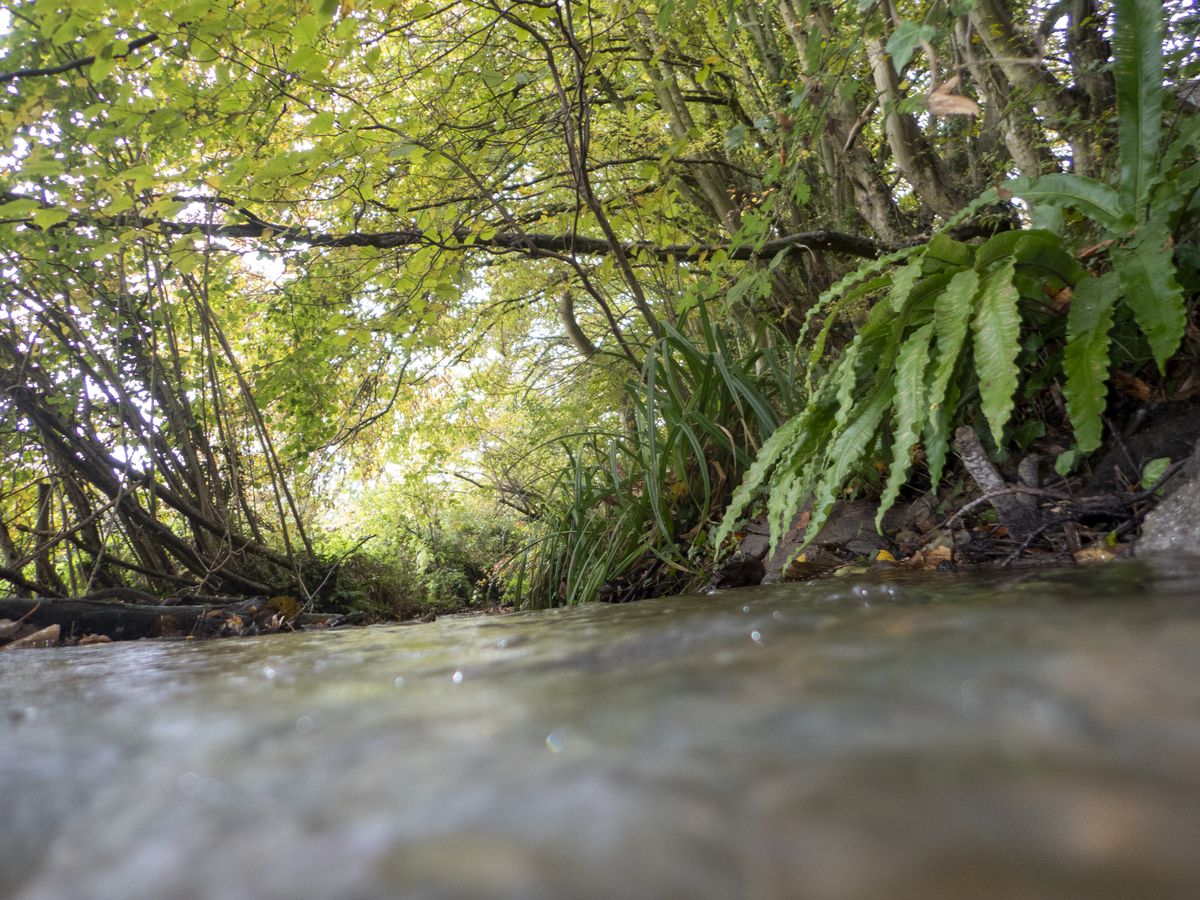
The camera has a 1/2.3-inch BSI CMOS sensor, which produces 12MP images. Video resolution goes up to 4K at 30 fps, and if you want slow motion, you have the option of 60 fps at 1080p. Even though this camera can't deliver sharp, cinematic video, you'll still be guaranteed fair-quality, usable footage. Even though some smartphones have better optics, the Tough TG-7 does a unique job of breaking down the barrier between you and nature, encouraging you to get out and about more than ever.
Read our in-depth
The best Canon point-and-shoot camera
Image 1 of 5
(Image credit: Future | Sam Kieldsen)
(Image credit: Tim Coleman)
(Image credit: Tim Coleman)
(Image credit: Tim Coleman)
(Image credit: Future | Sam Kieldsen)
Image 1 of 5
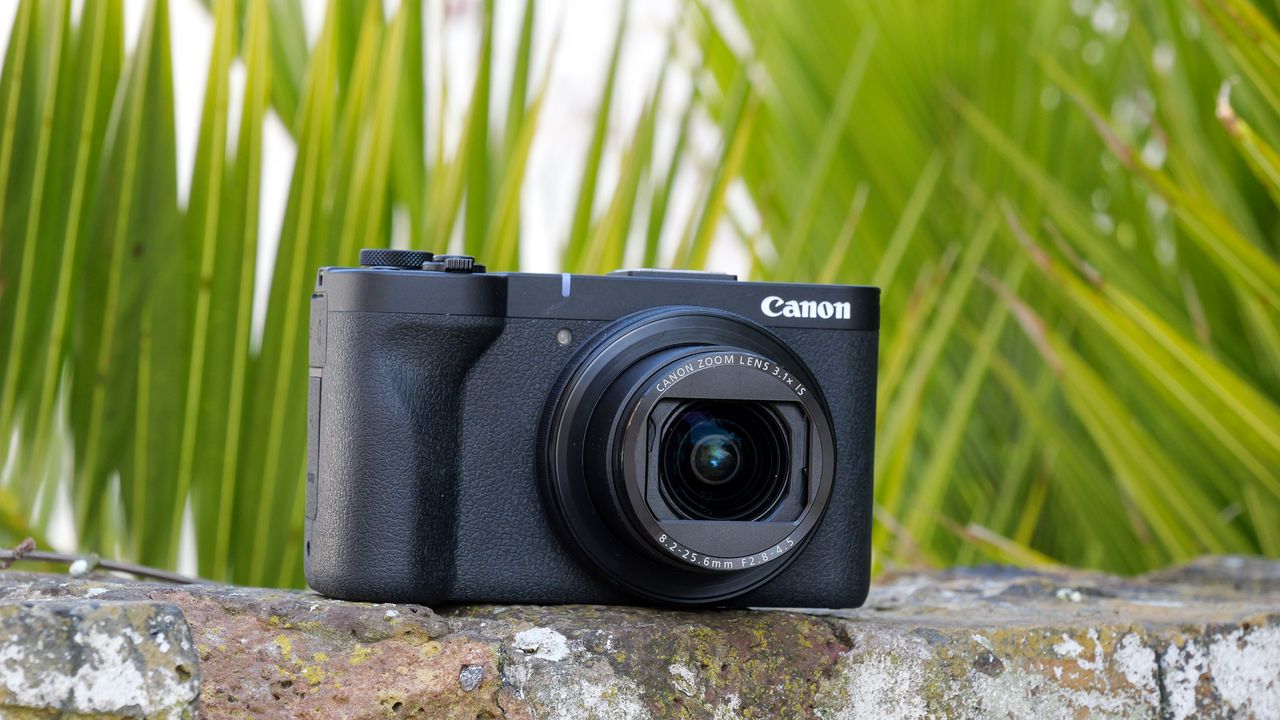
Image 2 of 5
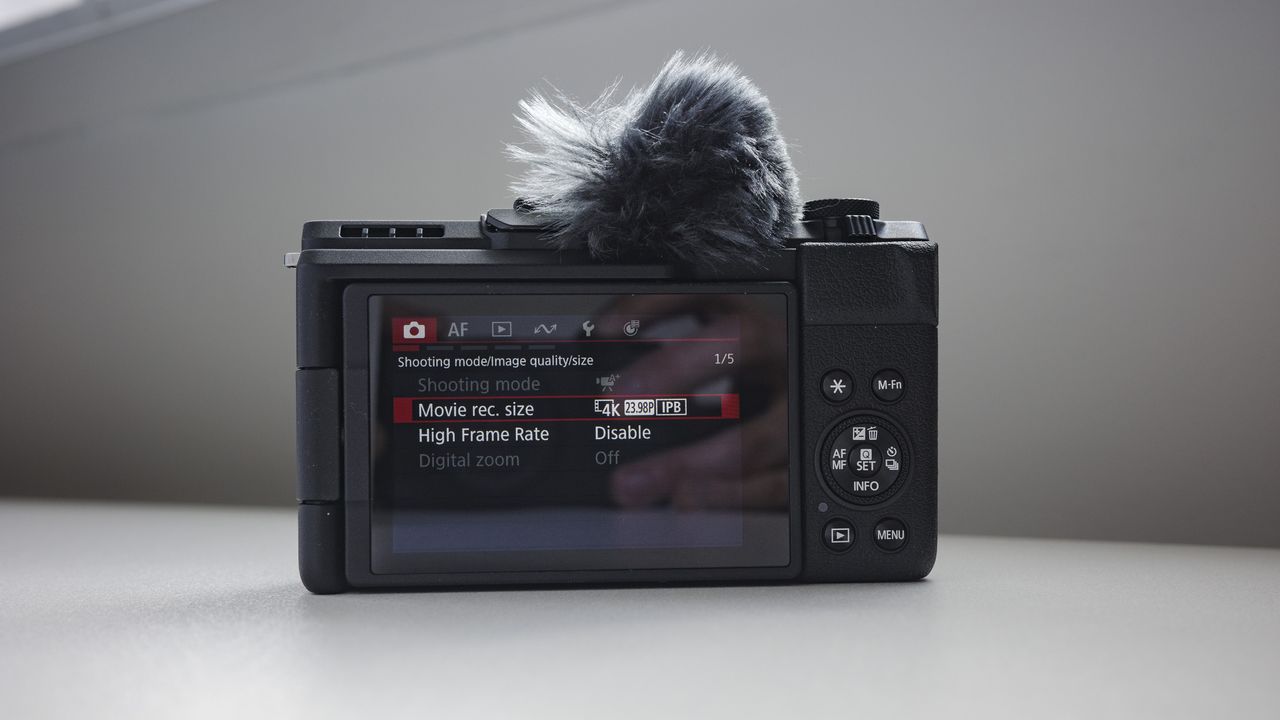
Image 3 of 5
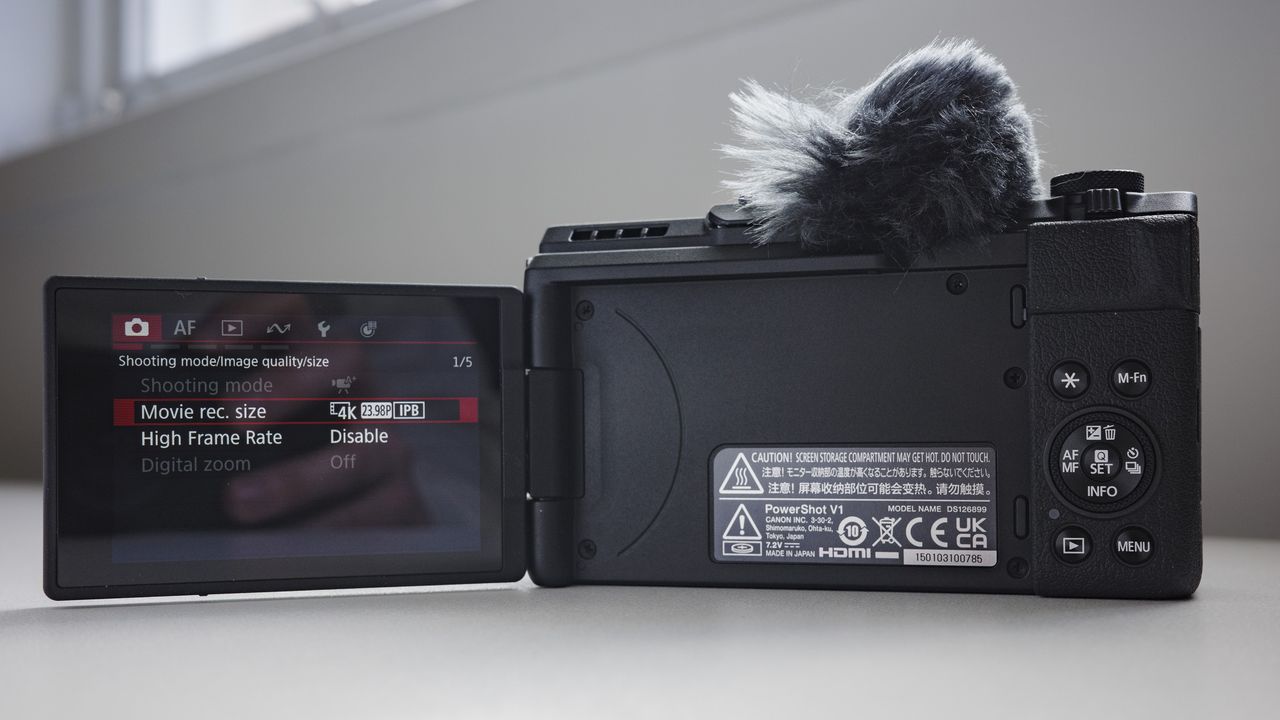
Image 4 of 5
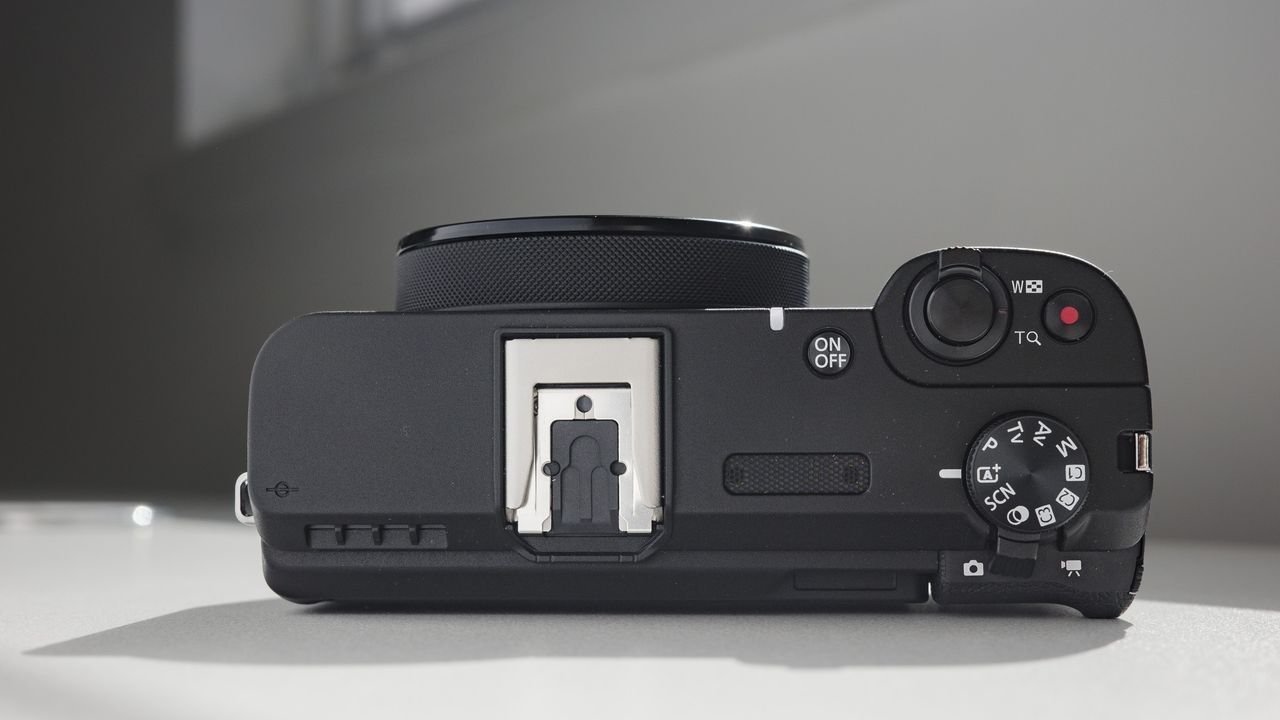
Image 5 of 5
The best Canon point-and-shoot camera
Specifications
Sensor: 1.4-inch 22.3MP
Lens: 16-50mm f/2.8-4.5
Monitor: 3.0-inch vari-angle touchscreen, 1.04m dots
Viewfinder: None
Continuous shooting: 15fps mechanical / 30fps electronic
Movies: 4K/60p
User level: Beginner/Intermediate
Reasons to buy
+
Versatile 3.1x zoom lens that goes wider than most, to 16mm
+
Plenty of handy video features, such as an ND filter and cooling vents
+
Canon's best autofocus for a compact camera
Reasons to avoid
-
Maximum aperture is a little slow
-
1.4x crop and no image stabilization for 4K 60fps video
-
No viewfinder or built-in flash
Canon PowerShot V1 sample video
Buy it if:
✅ You want a vlog camera that can take good stills too: It's video-first, but the combination of optical stabilization, good handling and RAW shooting make the V1 a solid stills camera too.
✅ You want great image quality straight from the camera: Canon's killer color science, a good lens and the large sensor make this a high quality point-and-shoot vlog camera.
Don't buy it if:
❌ You're a still photographer first and foremost: It's decent for photos quality-wise, but its lack of a viewfinder and built-in flash do limit its appeal.
❌ You want a cheap vlogging camera: If vlogging is all you're after consider a DJI Osmo Pocket 4 instead. It's less than half the price and ideal for walk-and-talk vlogging.
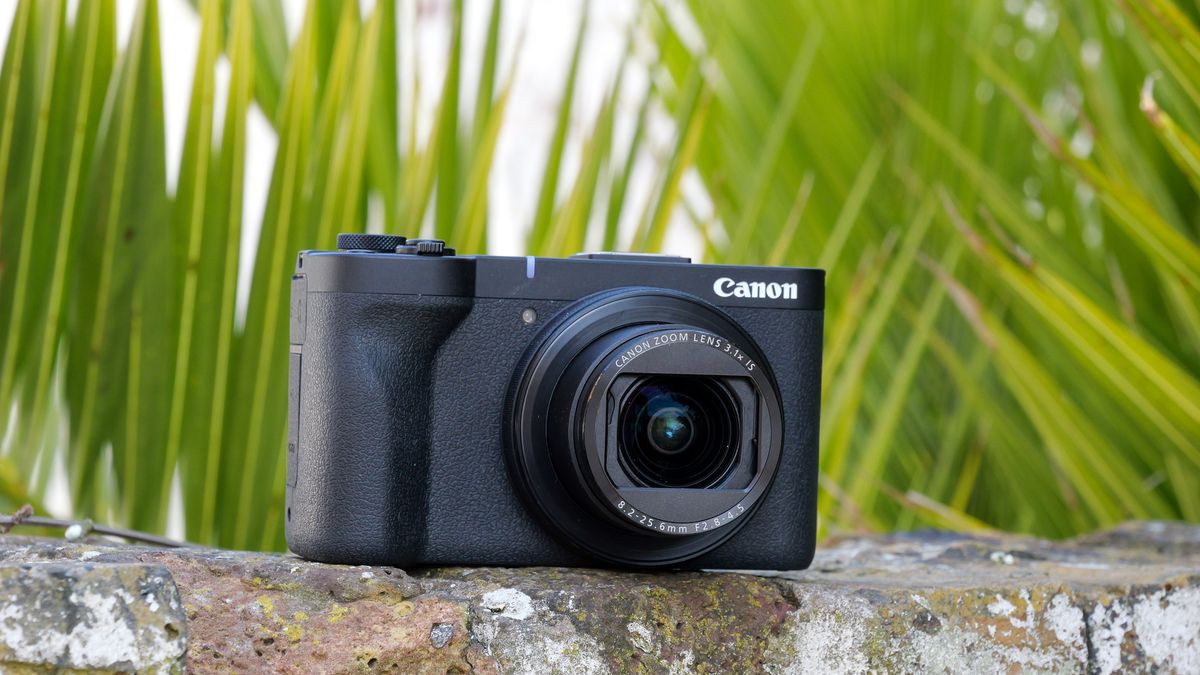
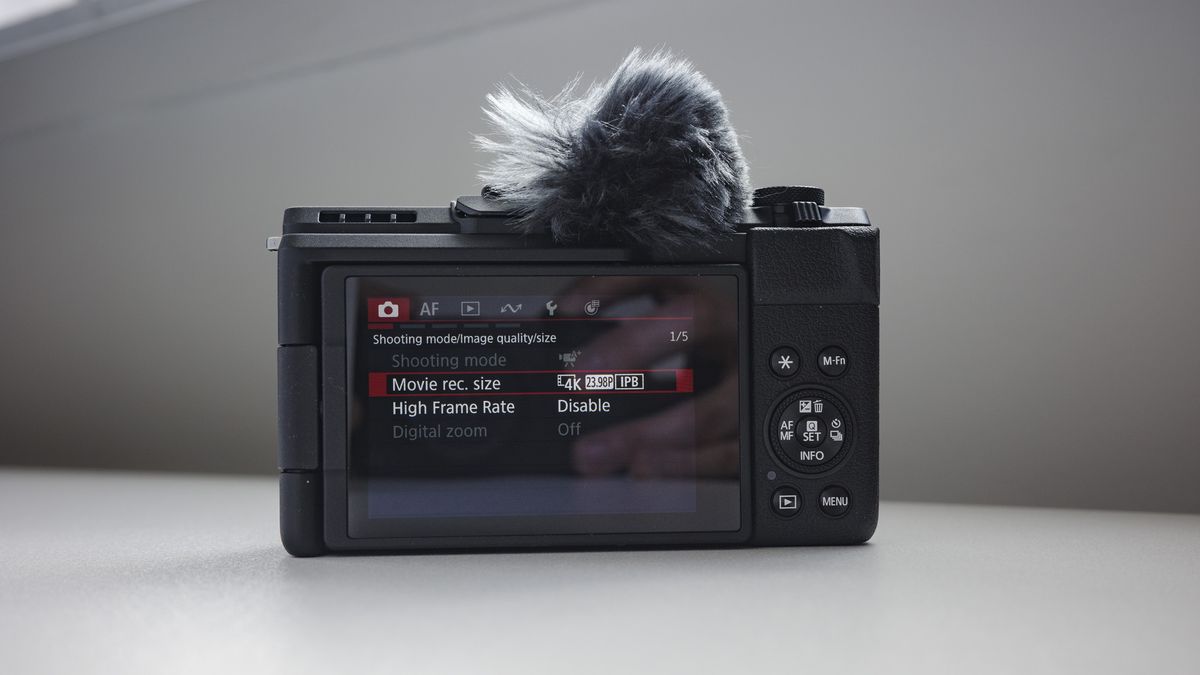
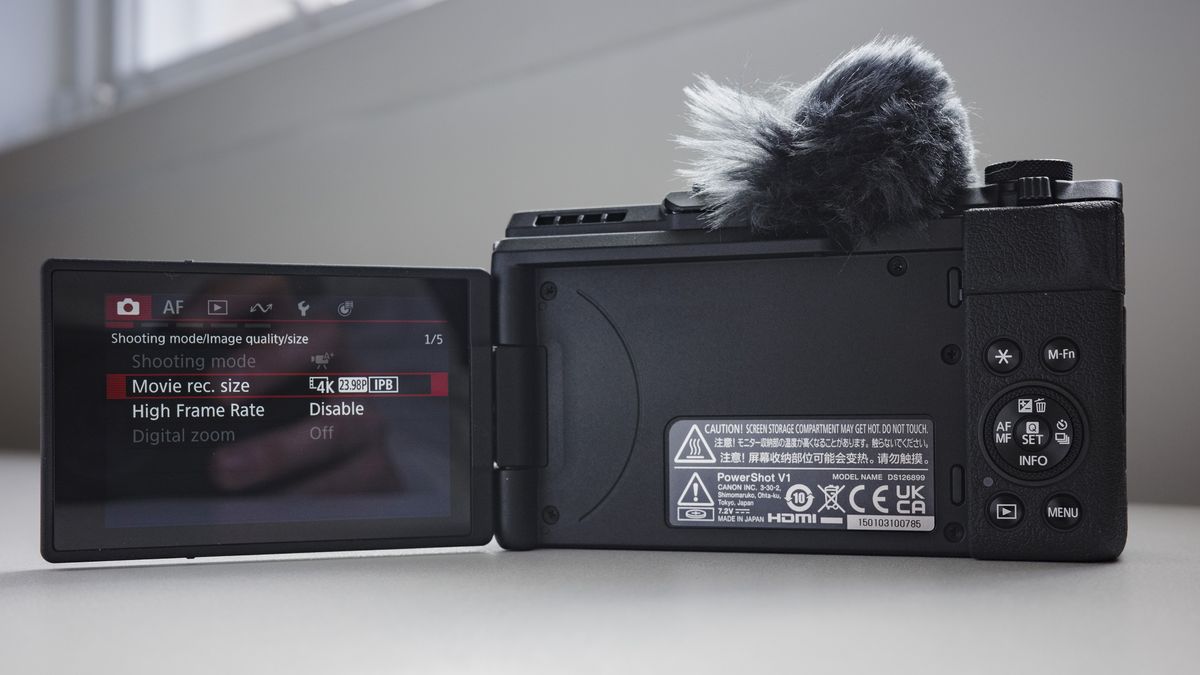
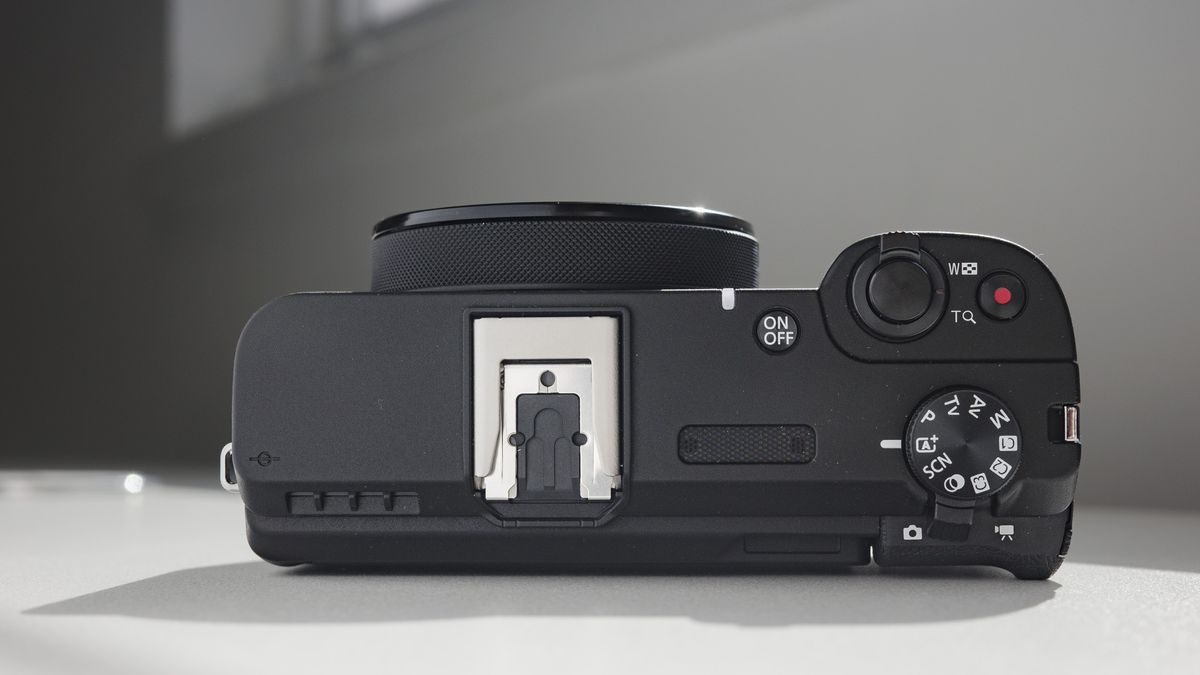
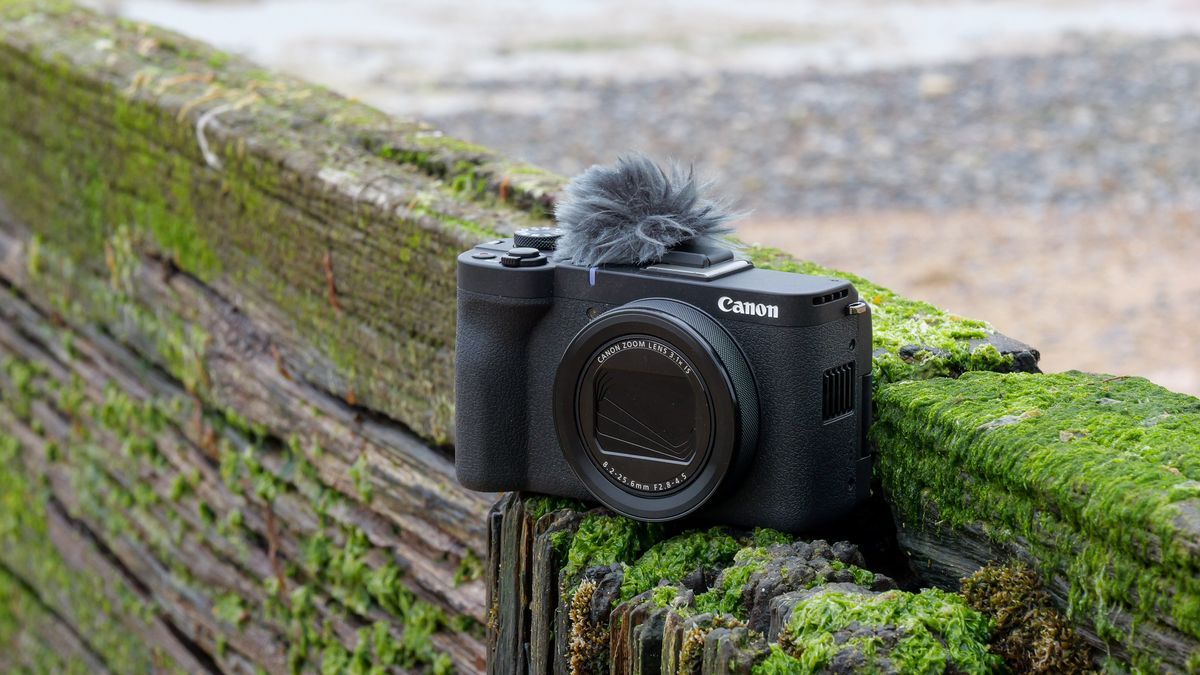
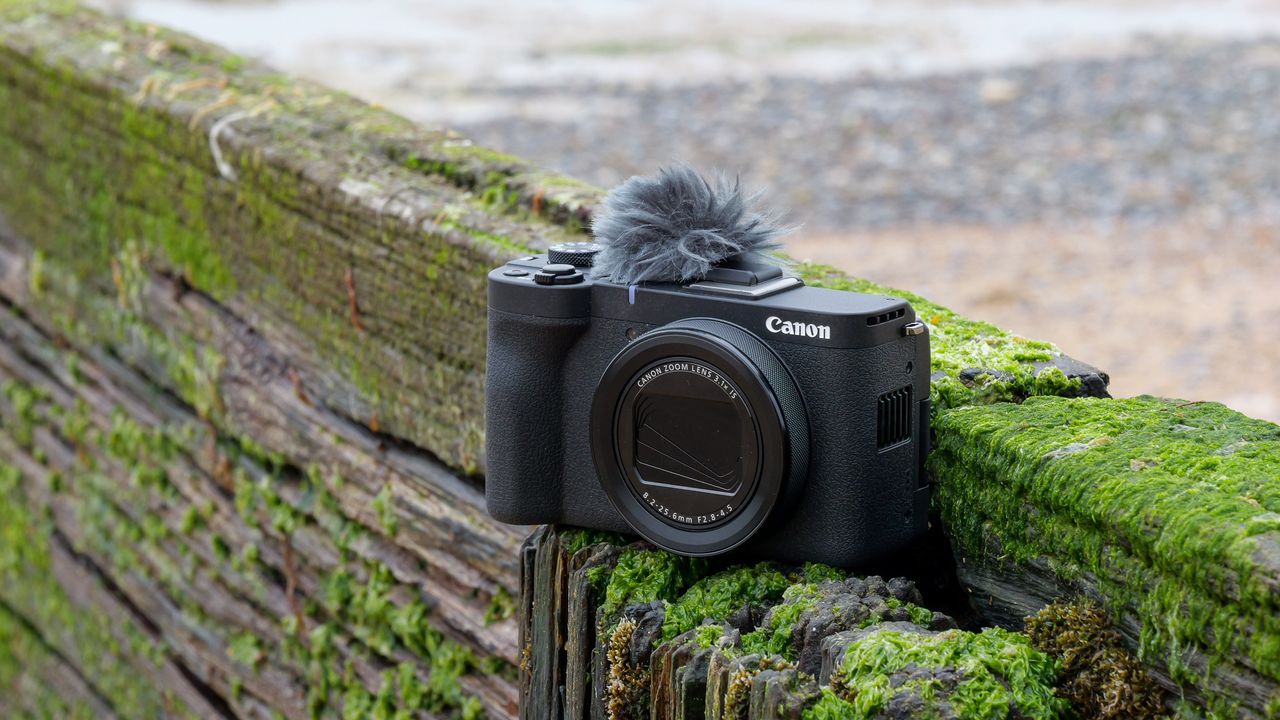
There's been a buzz surrounding the principally because the compact V-series is effectively a slightly bigger sibling to the , toting a bigger 1.4-inch sensor and wider 16-50mm lens.
Headline features include that 22.3MP, 1.4-inch sensor. That's a rare sensor size – it's essentially the same as Micro Four Thirds, but in 3:2 aspect ratio rather than 4:3. It measures 18.4 x 12.3 mm – much bigger than the 1-inch type used in the aforementioned rivals, which measures 13.2mm x 8.8mm. A bigger sensor size in general means it offers better image quality than the G7 X Mark II, but there are some caveats to consider.
Notably, there's the f/2.8-4.5 maximum aperture of the PowerShot V1's 3.1x optical zoom lens. Compare that to the Sony ZV-1 II's f/1.8-4, and the PowerShot G7X Mark III's 4.2x zoom with a f/1.8-2.8 maximum aperture, and the V1 comes up short for light-gathering capabilities, which in some respects counters the image-quality advantage of its larger sensor.
Still, its 16-50mm range is absolutely perfect for vlogging. Even with digital image stabilization active and the consequent image-area crop applied, the framing is plenty wide enough for vlogging with the camera at 's reach – that extra 2mm at the wide end goes a long way.
Read our in-depth
The best film point-and-shoot
Image 1 of 5
(Image credit: Future | Tim Coleman)
(Image credit: Future | Tim Coleman)
(Image credit: Future | Tim Coleman)
(Image credit: Future | Tim Coleman)
(Image credit: Future | Tim Coleman)
Image 1 of 5
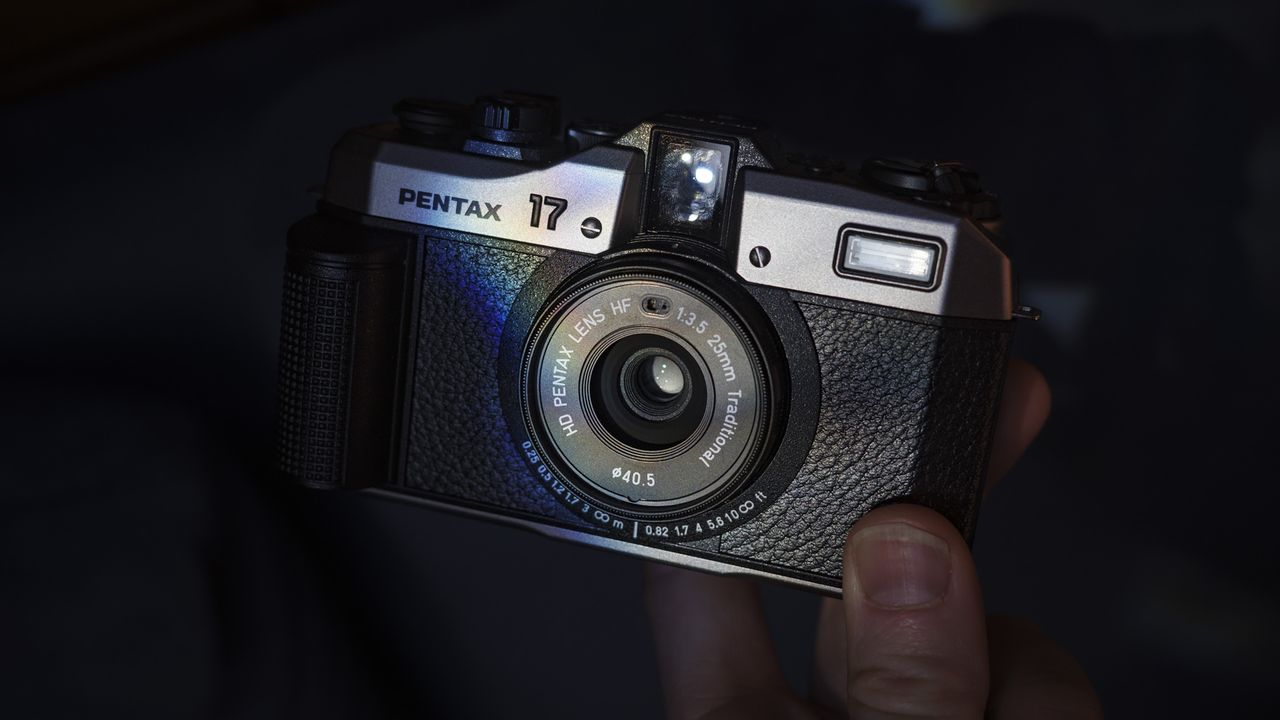
Image 2 of 5
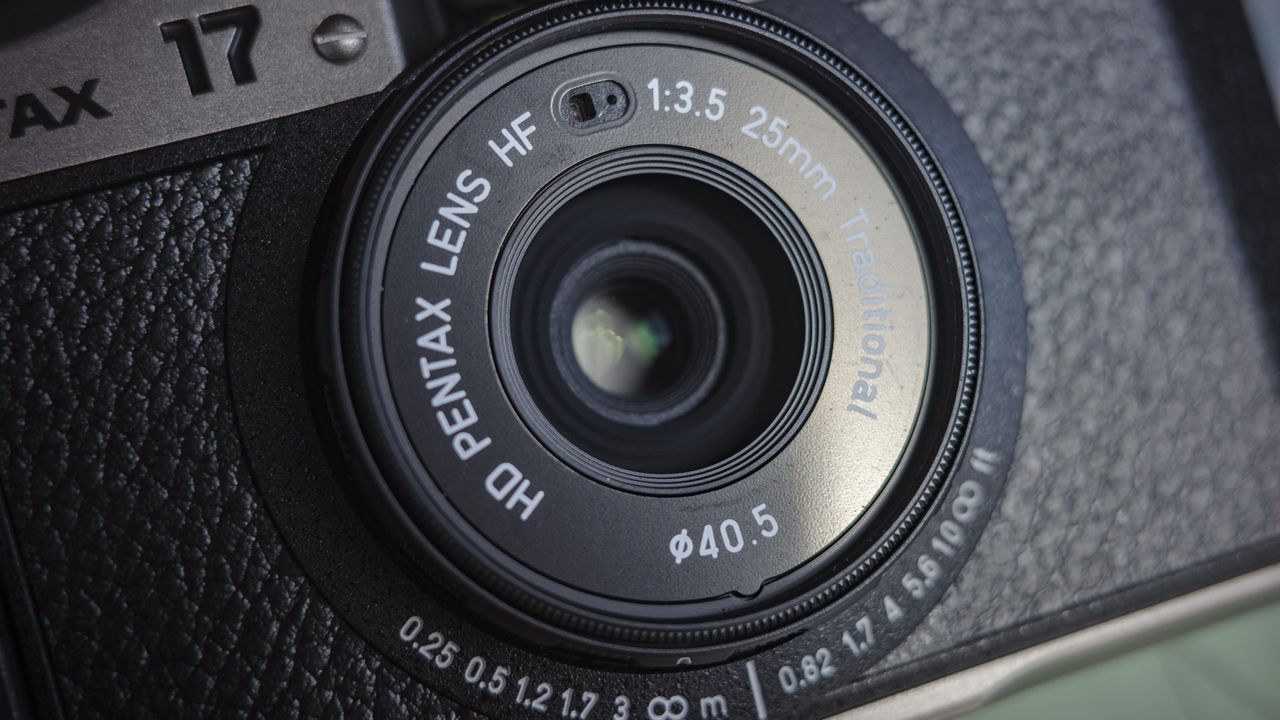
Image 3 of 5
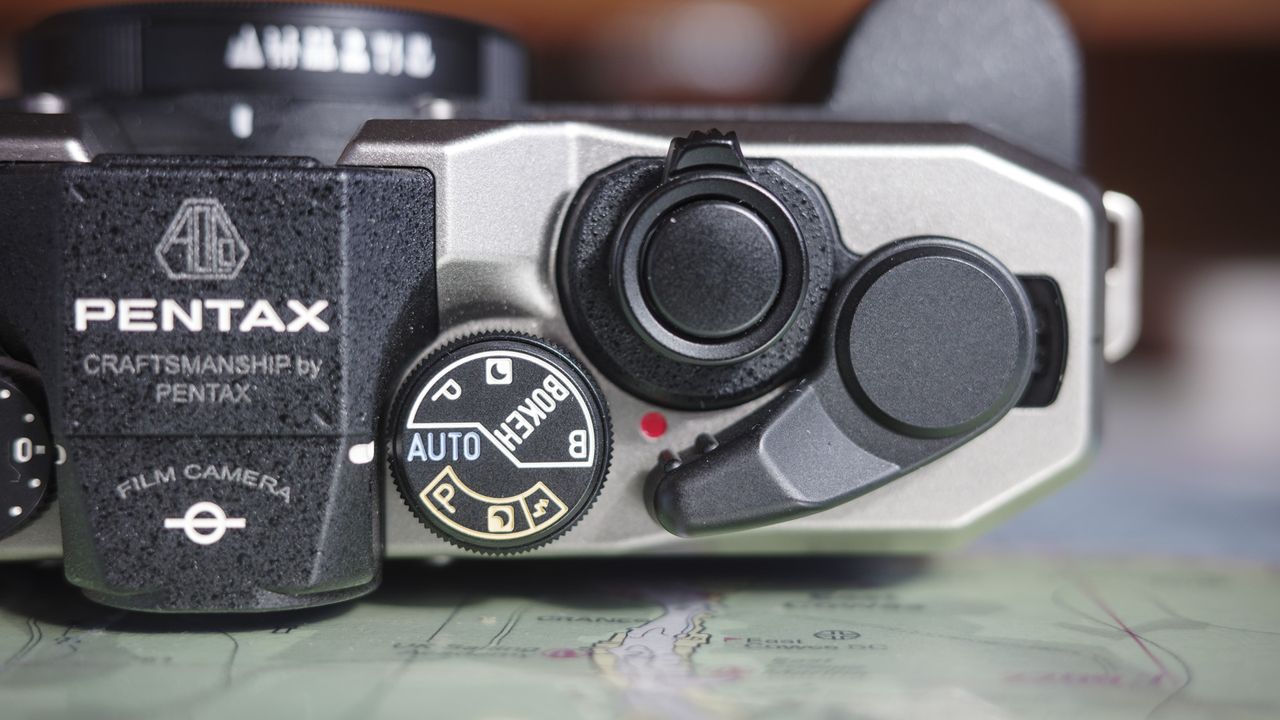
Image 4 of 5
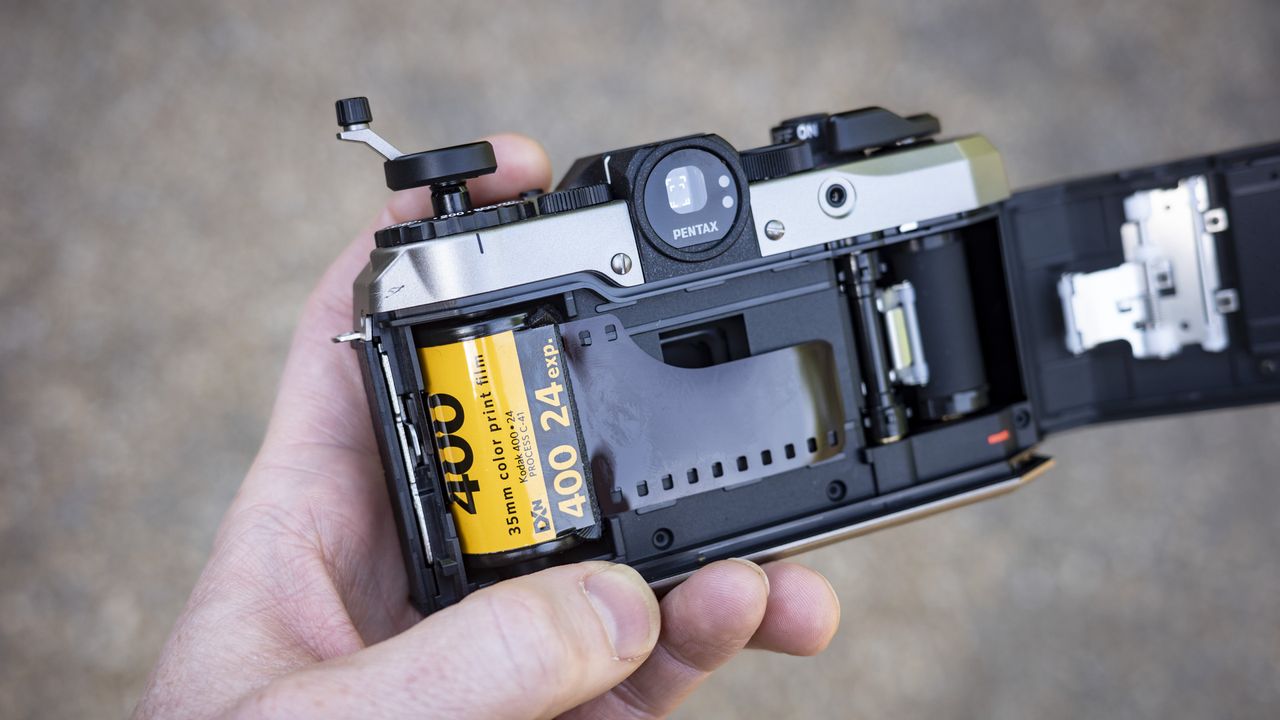
Image 5 of 5
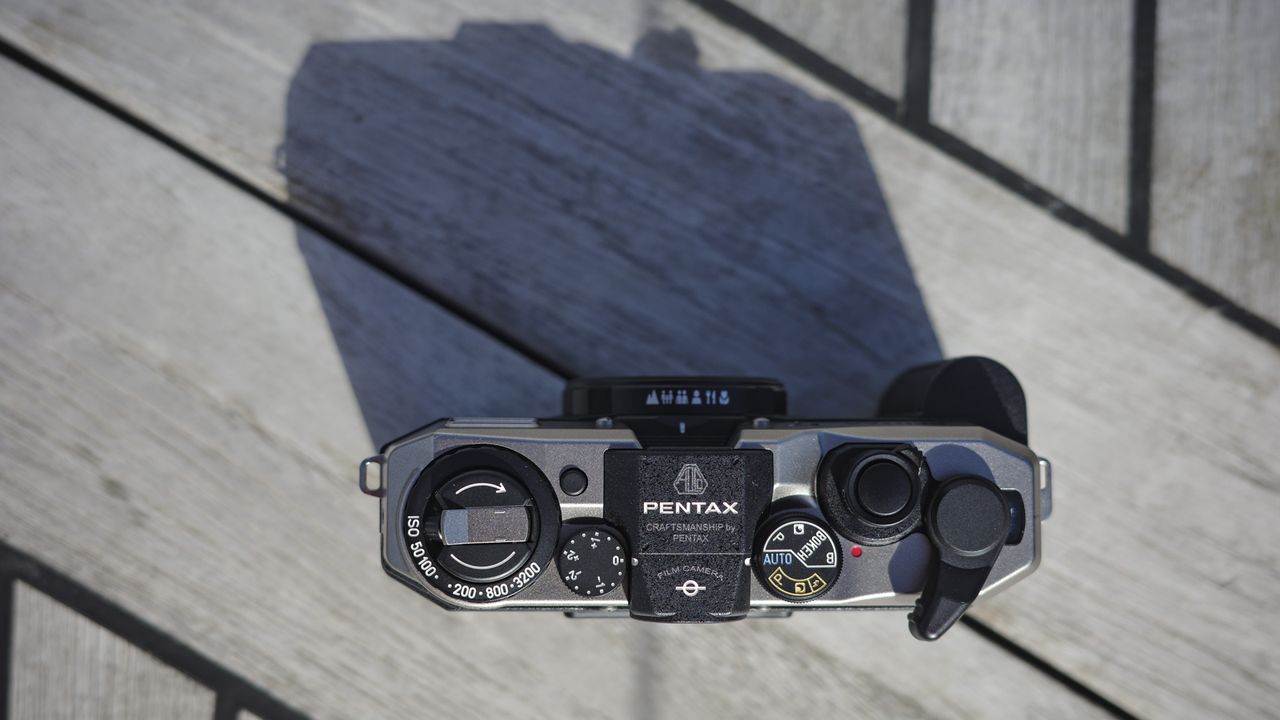
The best film point-and-shoot available new
Specifications
Sensor: Half-frame
Lens: 25mm f/3.5
Monitor: N/A
Viewfinder: Analog
Continuous shooting: N/A
Movies: N/A
User level: Beginner
Reasons to buy
+
Lovely to shoot with
+
Neat design touches
Reasons to avoid
-
Feels slightly cheap
-
Half frames are small
Pentax 17 sample images
Image 1 of 5
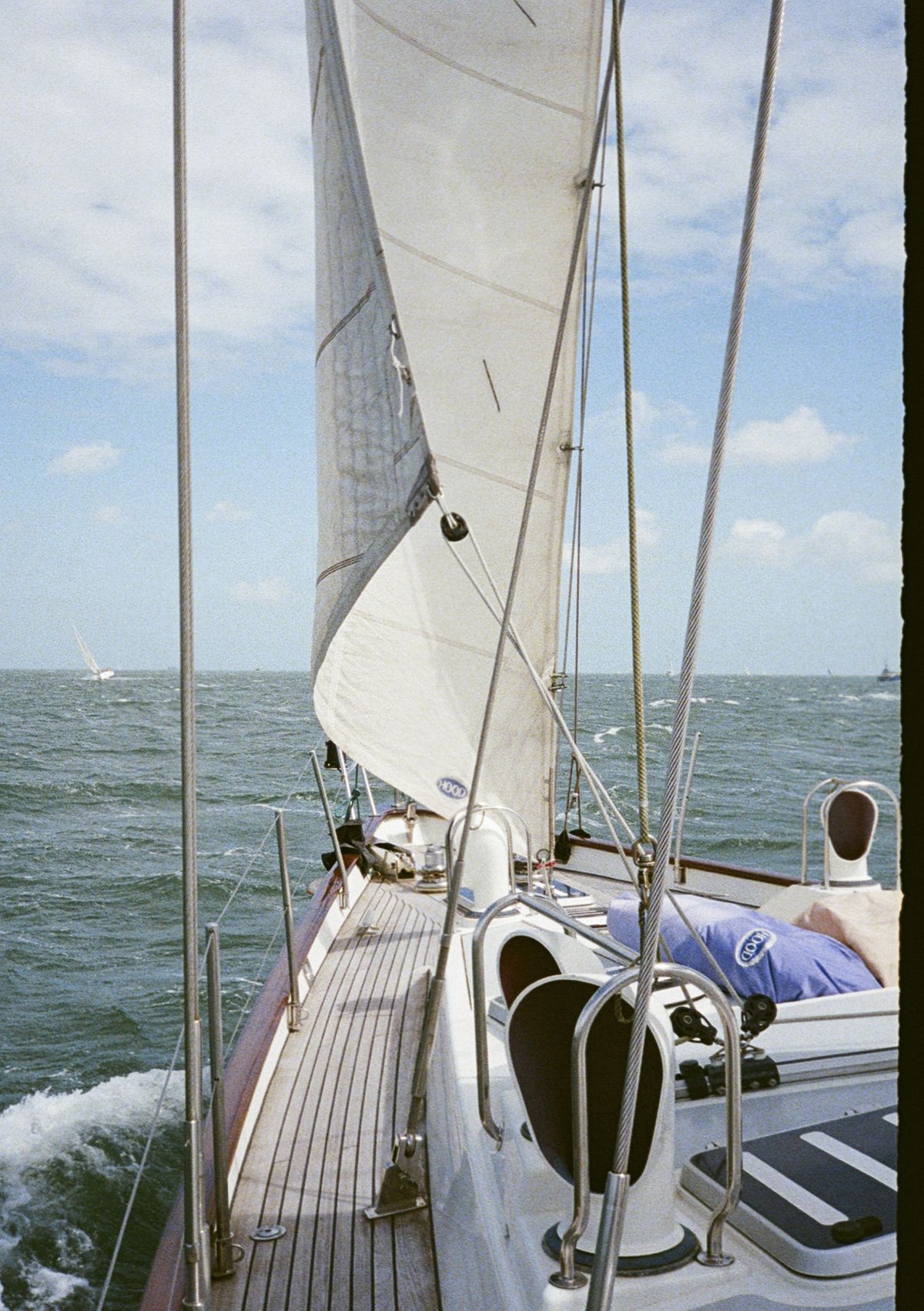
(Image credit: Future | Tim Coleman)
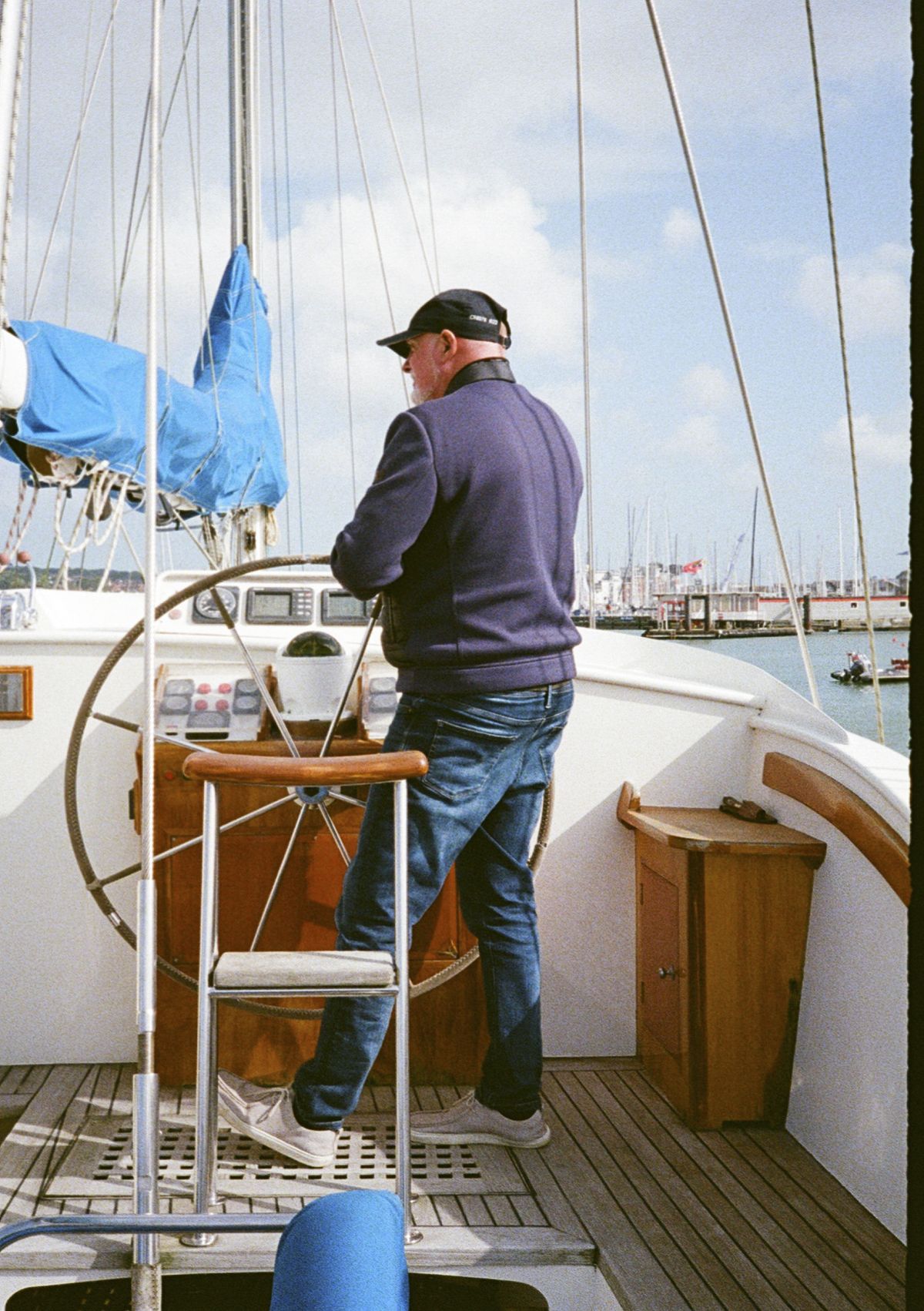
(Image credit: Future | Tim Coleman)
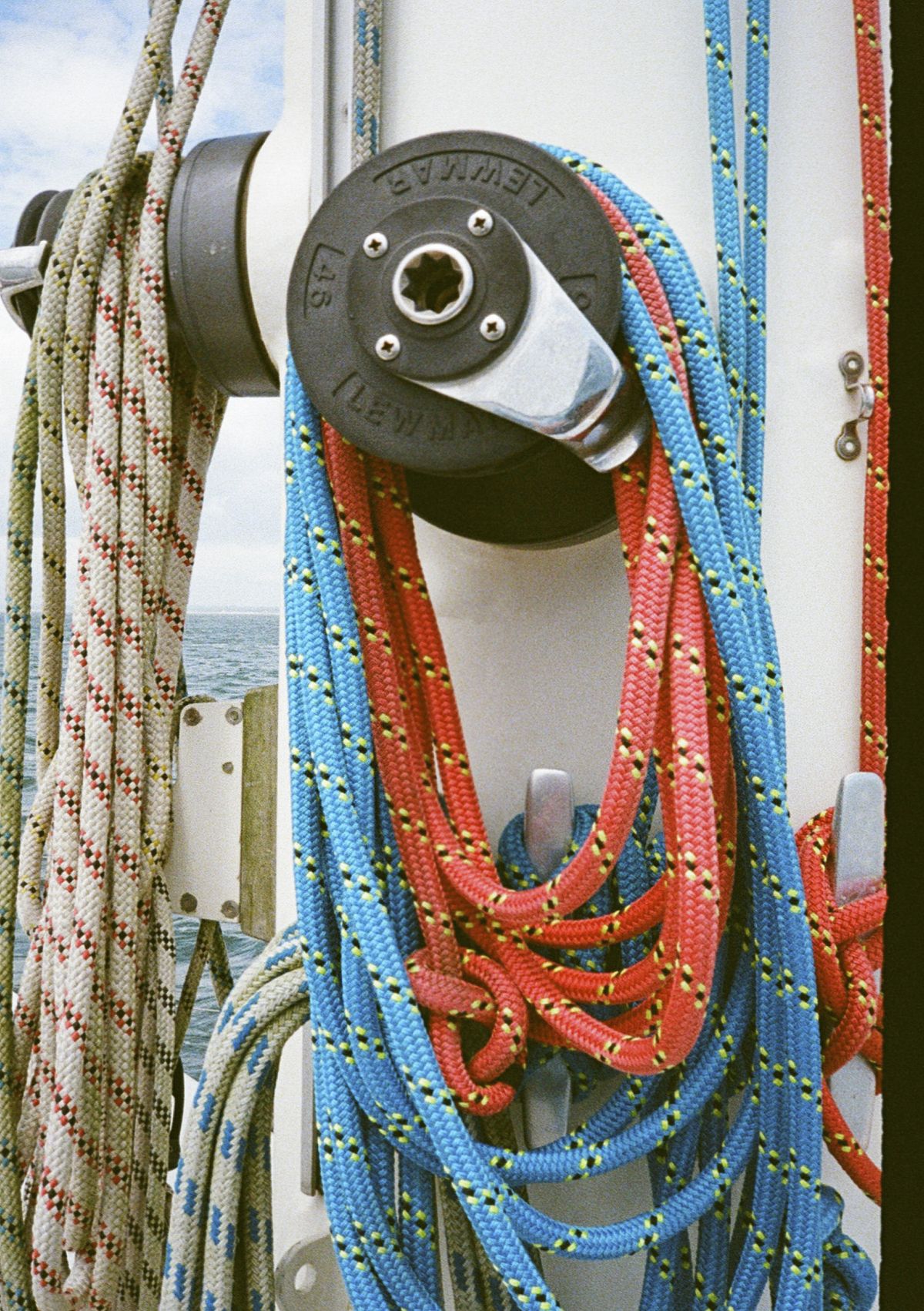
(Image credit: Future | Tim Coleman)

(Image credit: Future | Tim Coleman)

(Image credit: Future | Tim Coleman)
Image 1 of 5
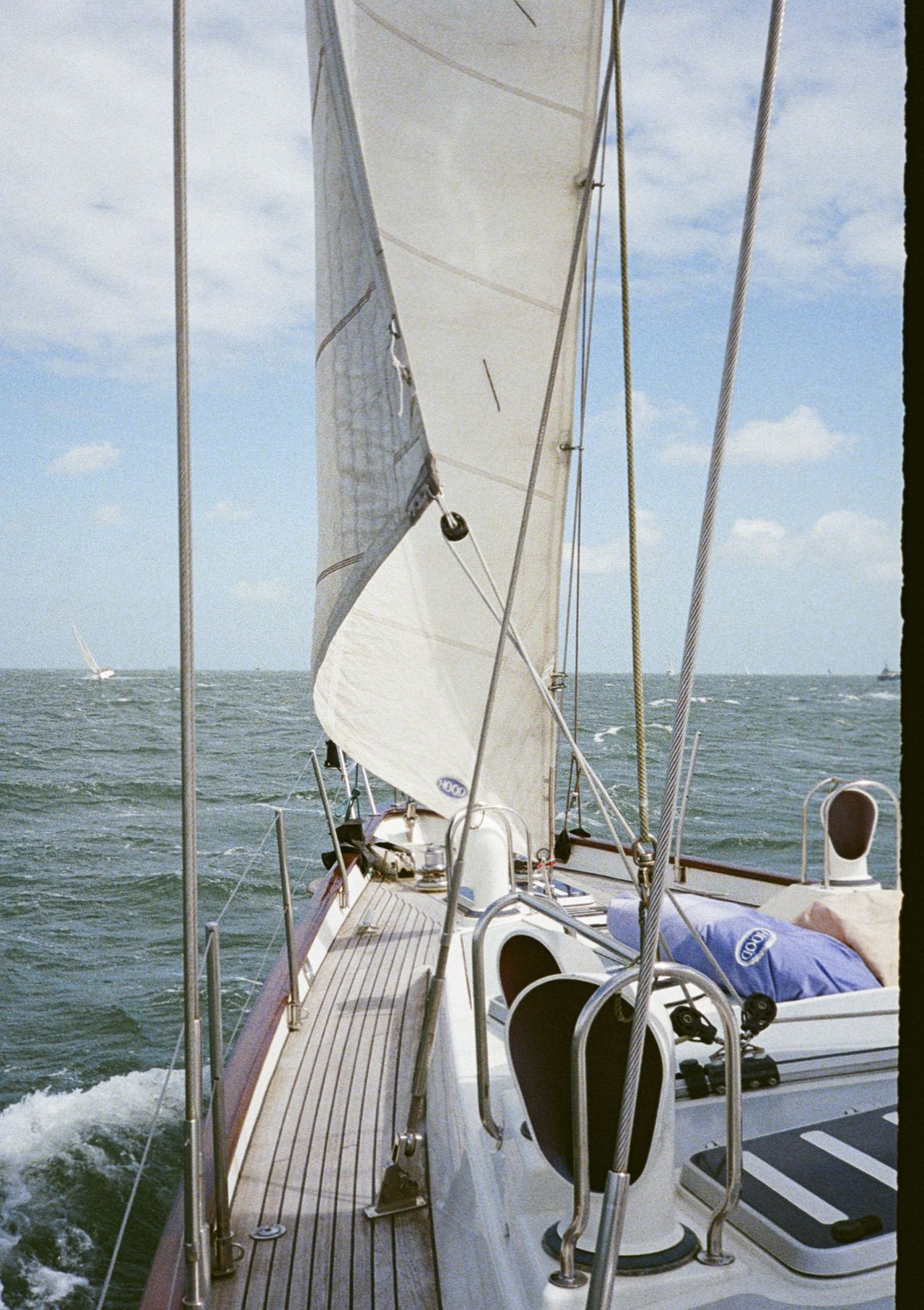
Image 2 of 5
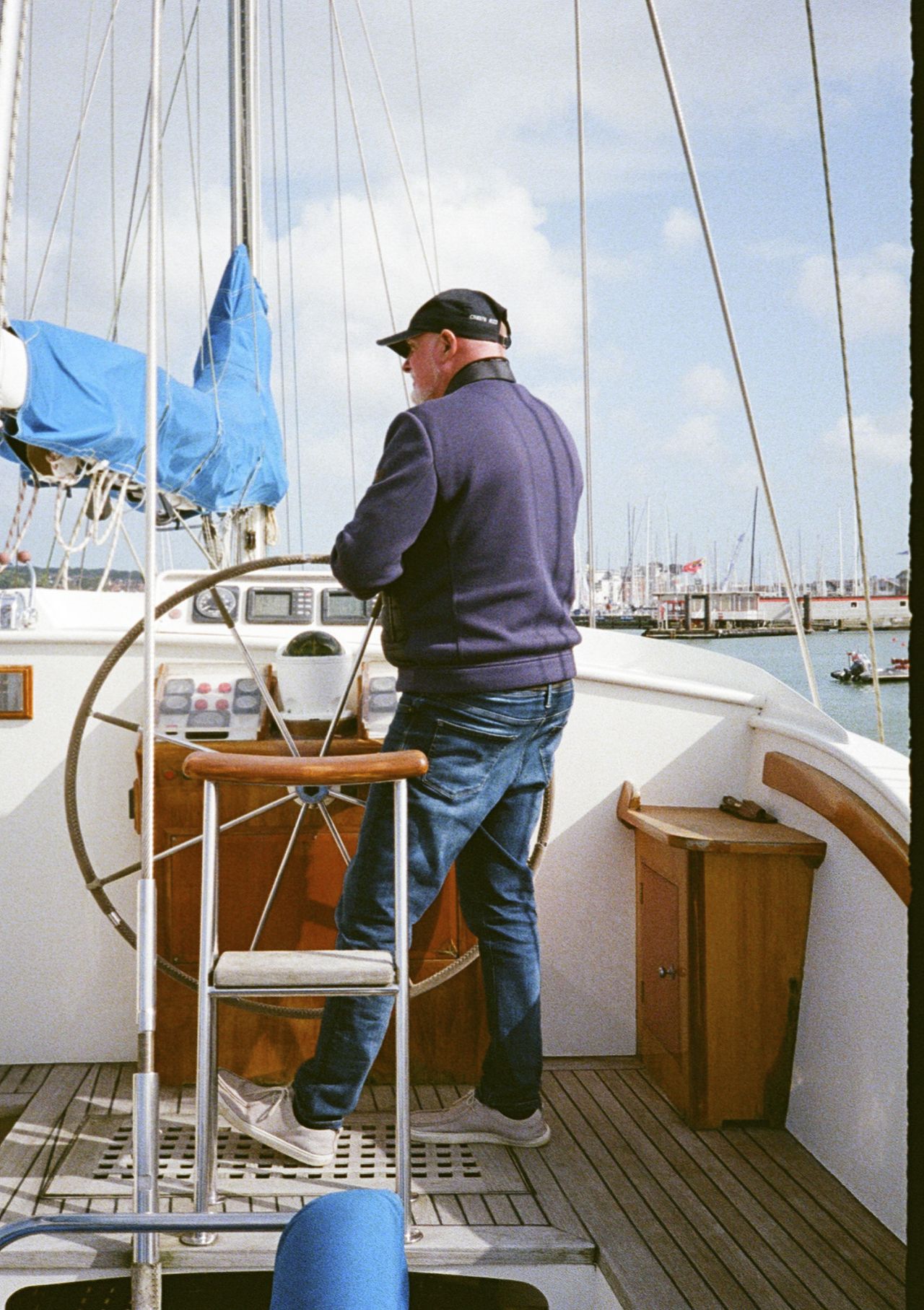
Image 3 of 5
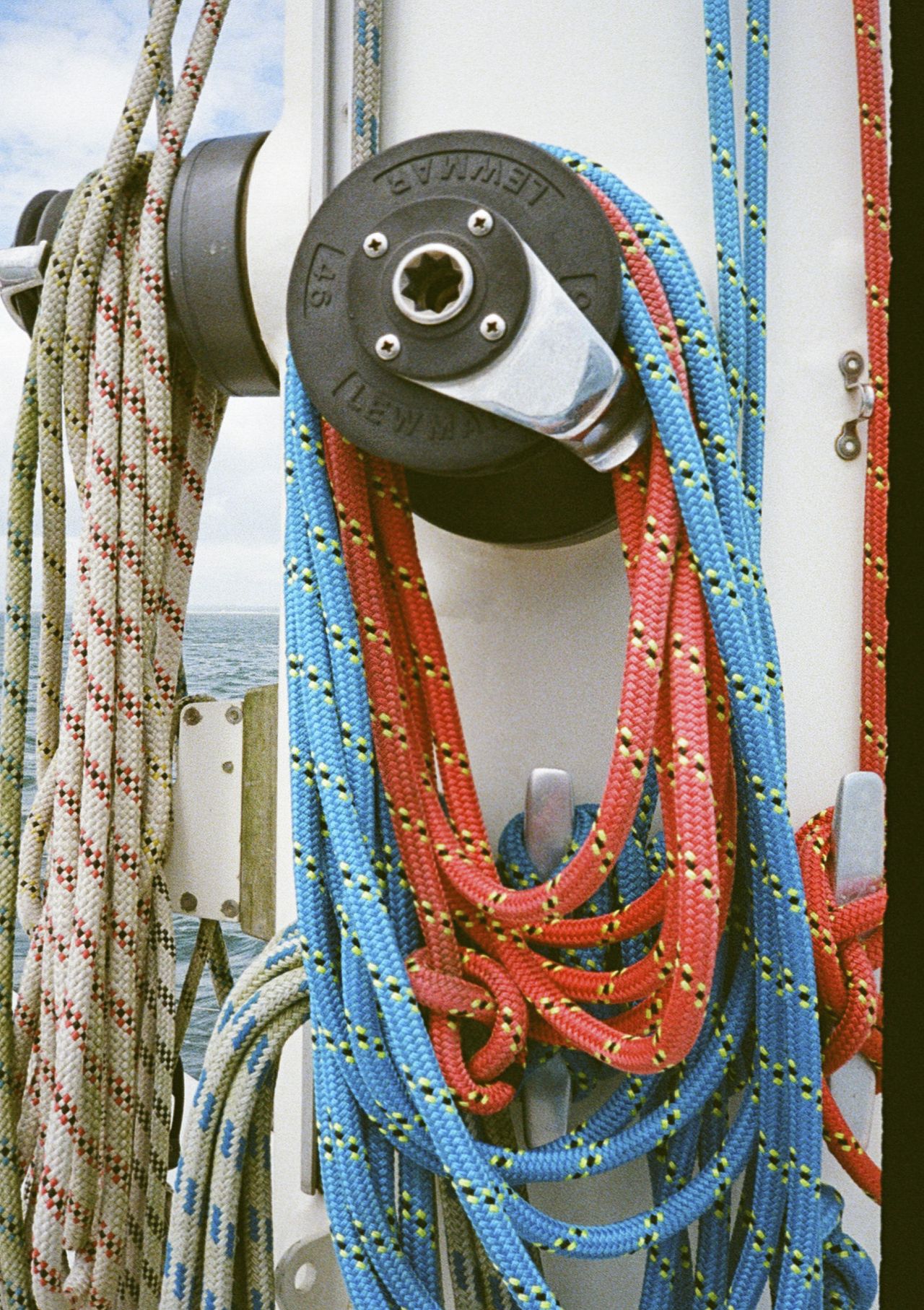
Image 4 of 5
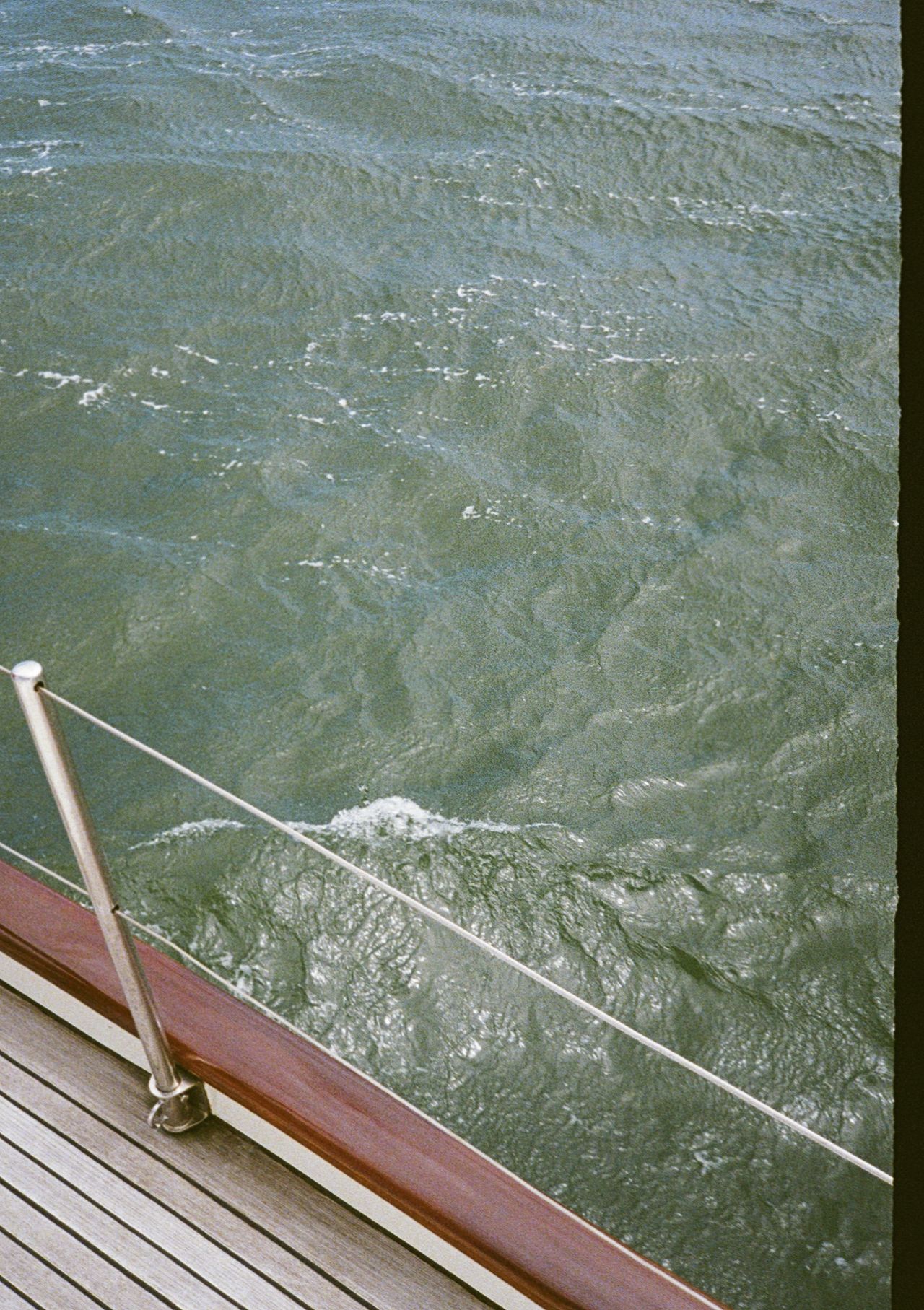
Image 5 of 5

Buy it if:
✅ You want the joy of analog: From the vertical viewfinder to the satisfying crank, the Pentax 17 is a lovely film camera to shoot with.
✅ You want value from your film: By shooting half-frame stills, the Pentax 17 doubles the number of images you get from a roll.
Don't buy it if:
❌ You want a premium build: While the handling is nice and the design is neat, the Pentax 17 also feels a bit cheap for the price tag.
❌ You want an affordable film camera: If you want analog on a budget, you’ll find sensible second-hand options for a lot less.
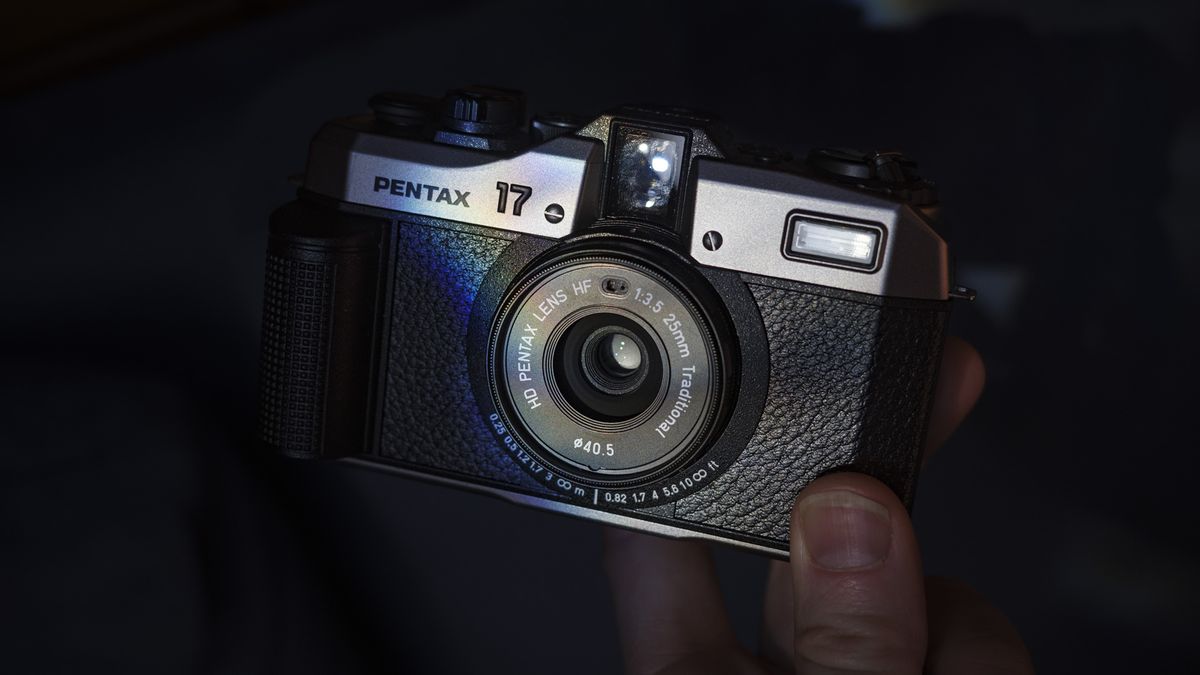
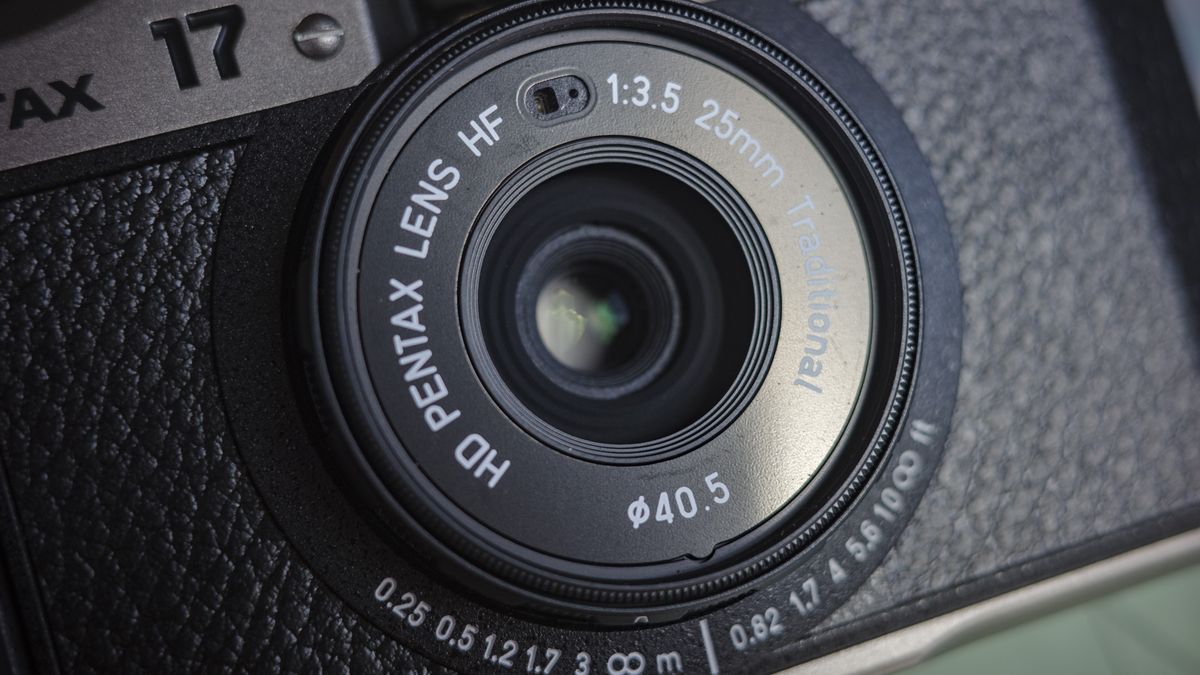
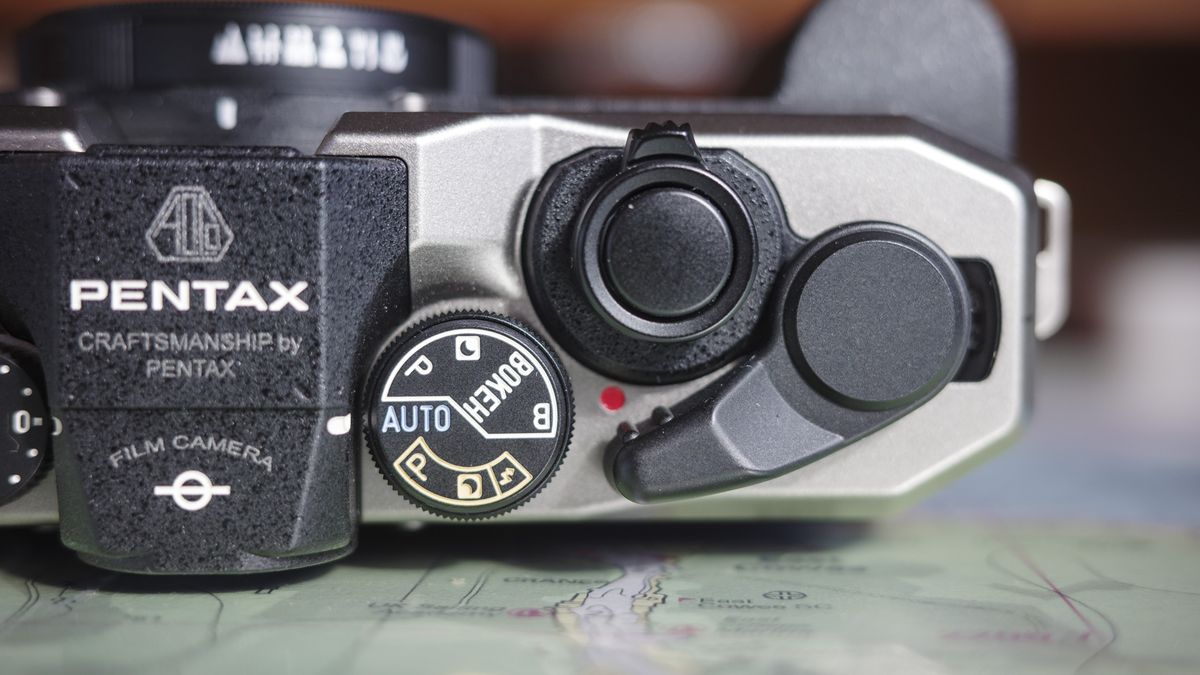
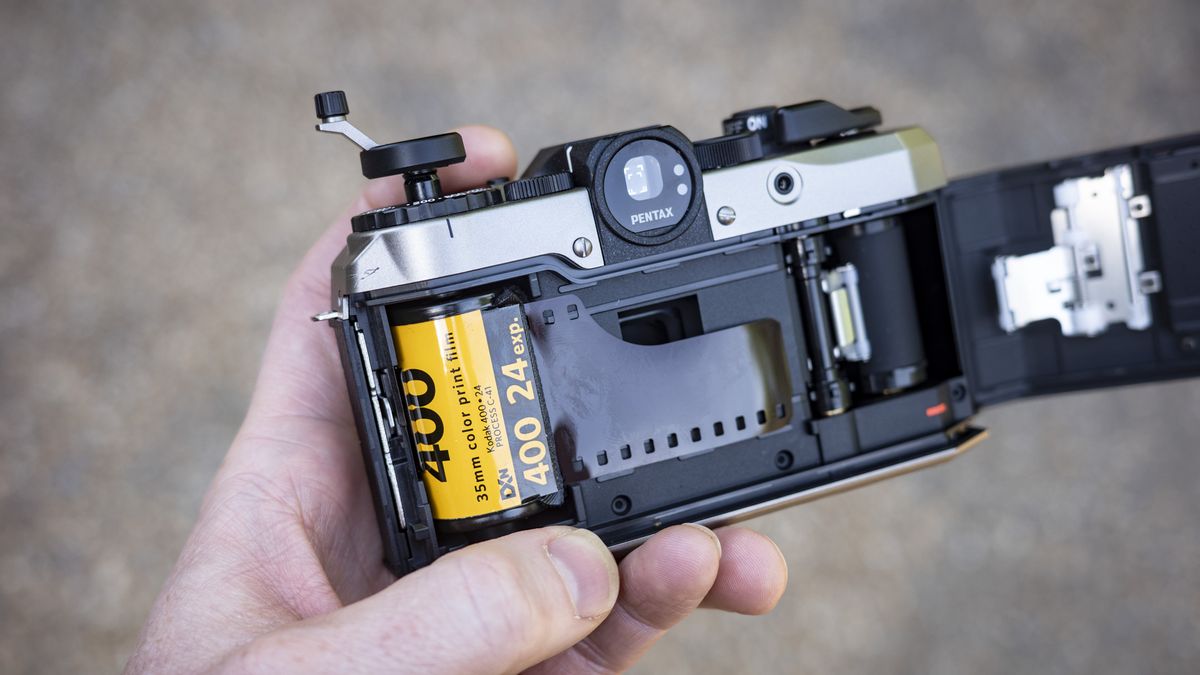
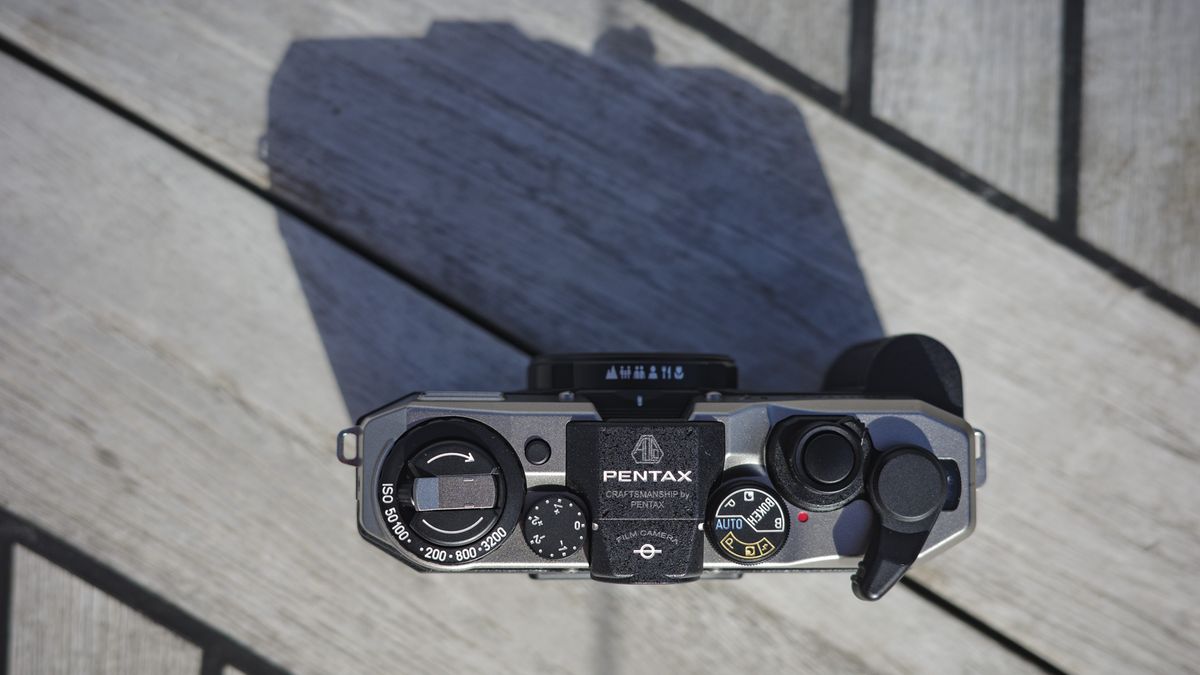
A compact film camera might seem outdated, but analog is all the rage right now. Designed for the smartphone generation, we think the Pentax 17 is the you can buy. In our review, we found that it gives all the joy of analog photography: from the optical viewfinder to the lovely, tactile film crank, this is a really fun camera to shoot with. It’s neatly packaged, with dimensions that make it an easy thing to travel with, while the point-and-shoot setup makes it easy to capture sharp stills on film.
From our in-depth tests, we do think the plastic body could feel tougher, given the high price tag. If you’re happy shooting with a second-hand film camera, you’ll find better build quality and value elsewhere. That said, we still think this is a fantastic compact film camera that makes it simple to enjoy analog photography. Thanks to the half-frame format, you get twice as many exposures from a single roll, and its vertical prints are Instagram-ready.
Read our in-depth
The best point-and-shoot for kids
Image 1 of 4
(Image credit: Future)
(Image credit: Future)
(Image credit: Future)
(Image credit: Future)
Image 1 of 4
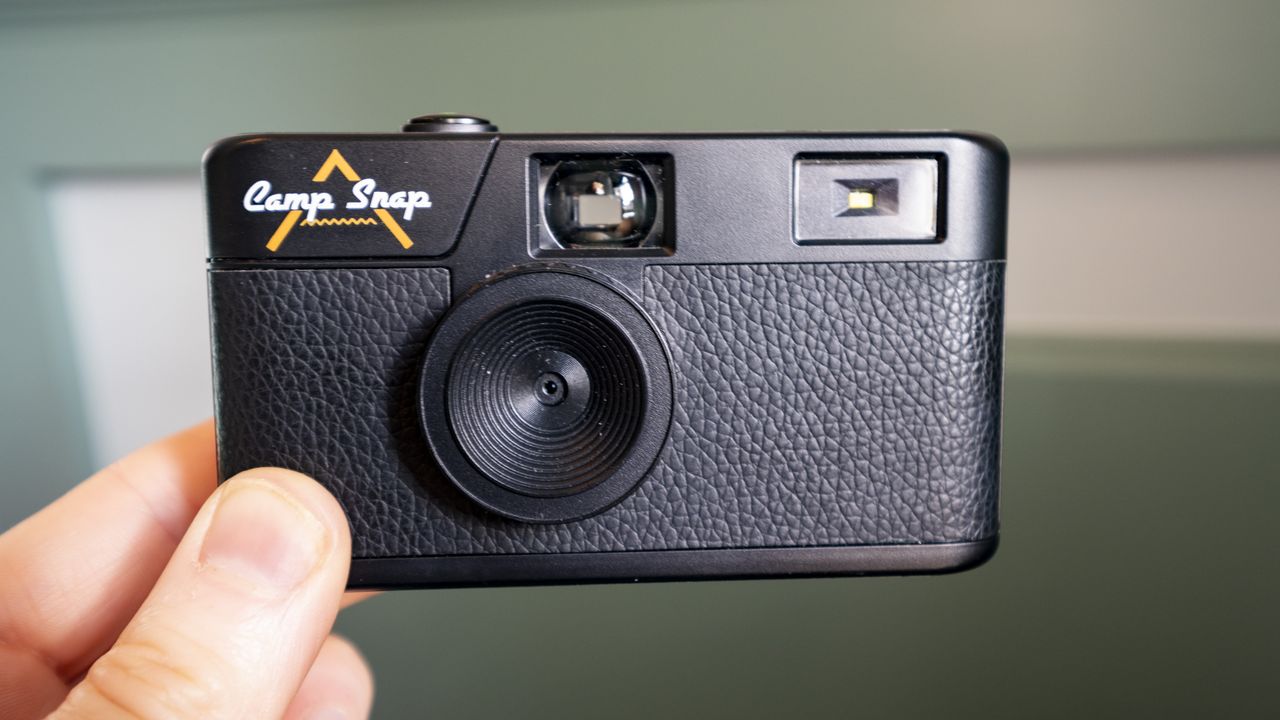
Image 2 of 4
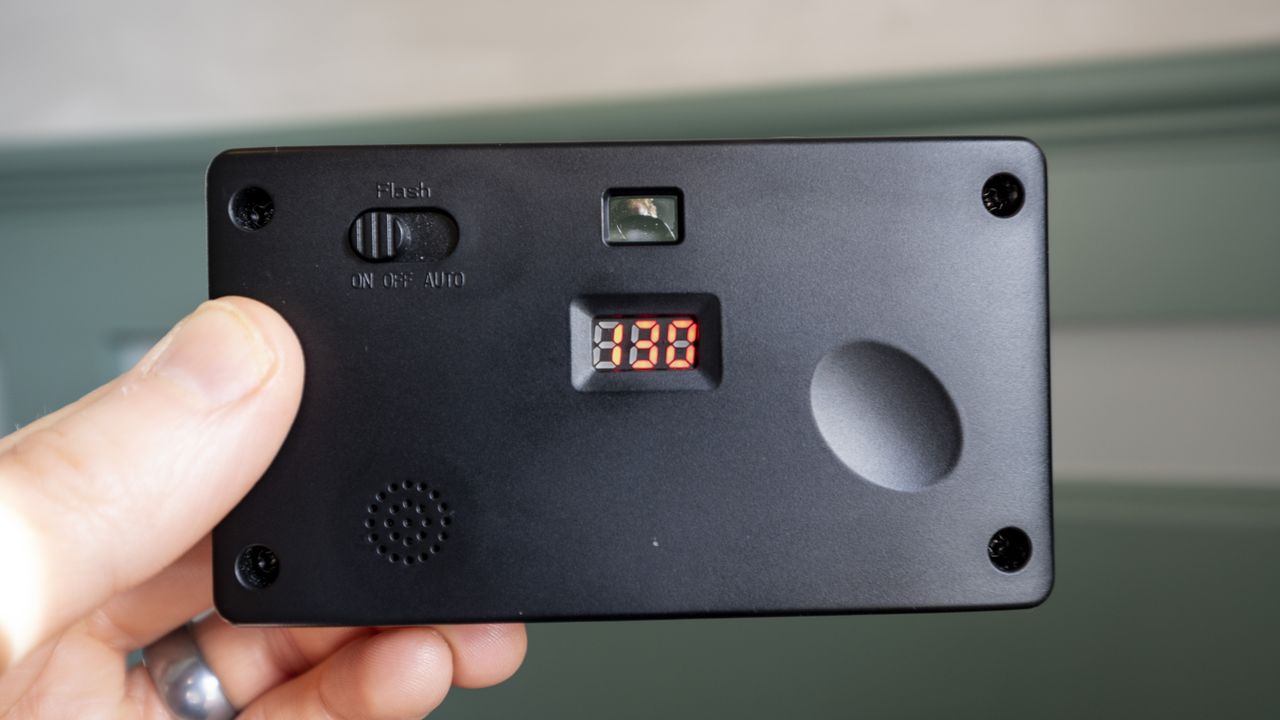
Image 3 of 4
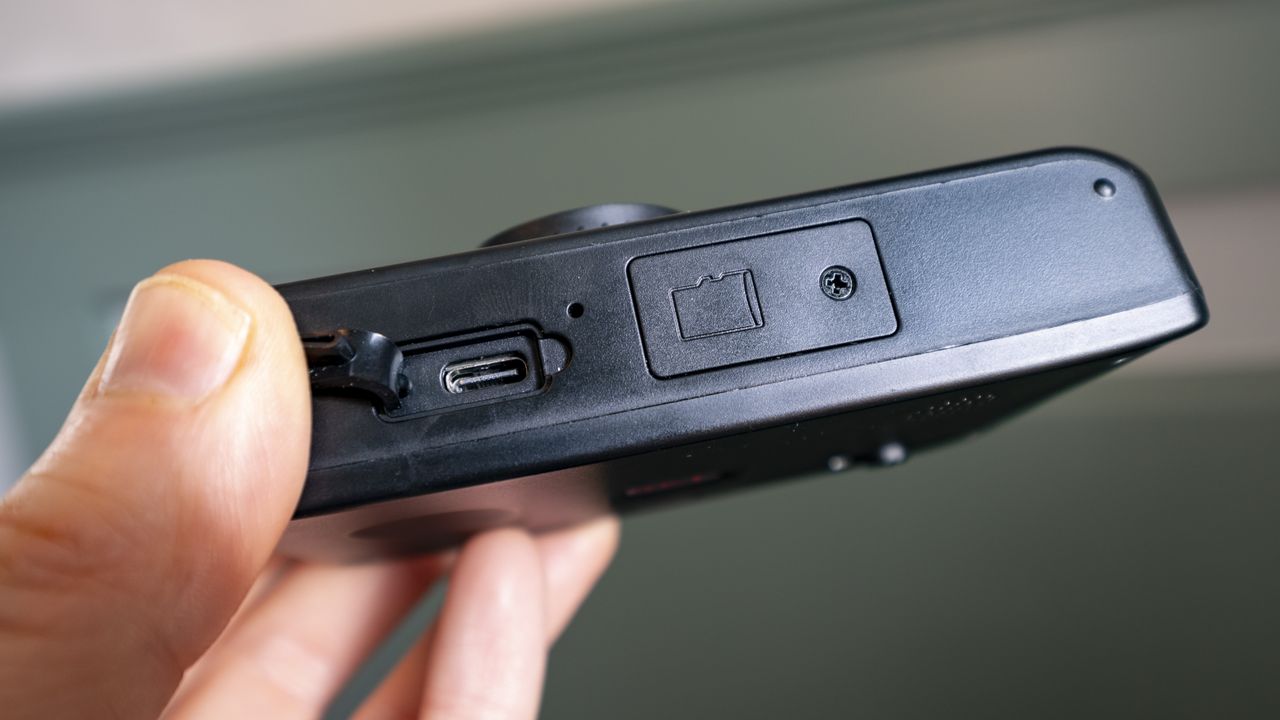
Image 4 of 4
Best screen free for kids
Specifications
Recommended ages: 8-16
Camera type: Digital
Image quality: 8MP
Viewfinder: Yes
Screen: N/A
Reasons to buy
+
Cute looks
+
No screen
+
Point-and-shoot simplicity
Reasons to avoid
-
Poor image quality
-
Glare from photo counter
-
Low power LED flash
Camp Snap Camera sample images
Image 1 of 5

(Image credit: Future)
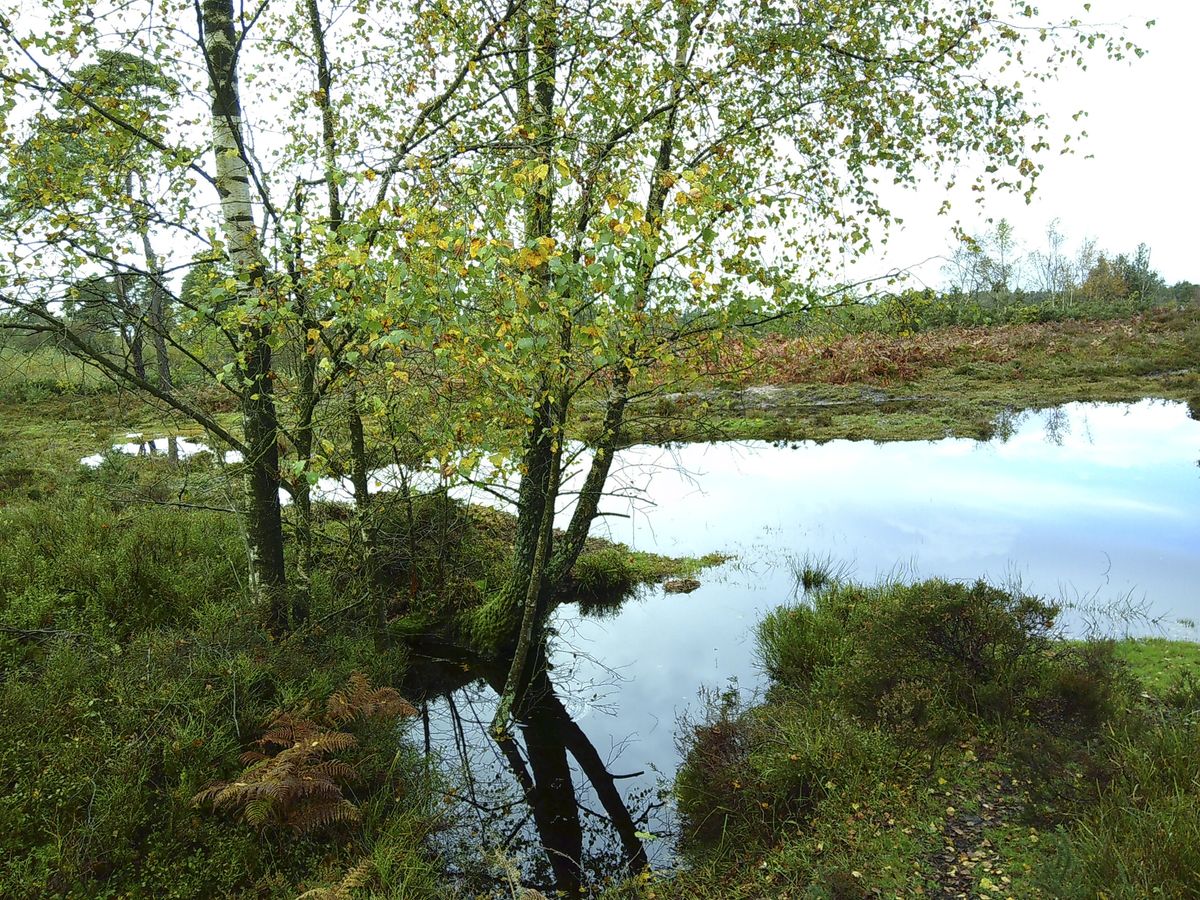
(Image credit: Future)

(Image credit: Future)

(Image credit: Future)
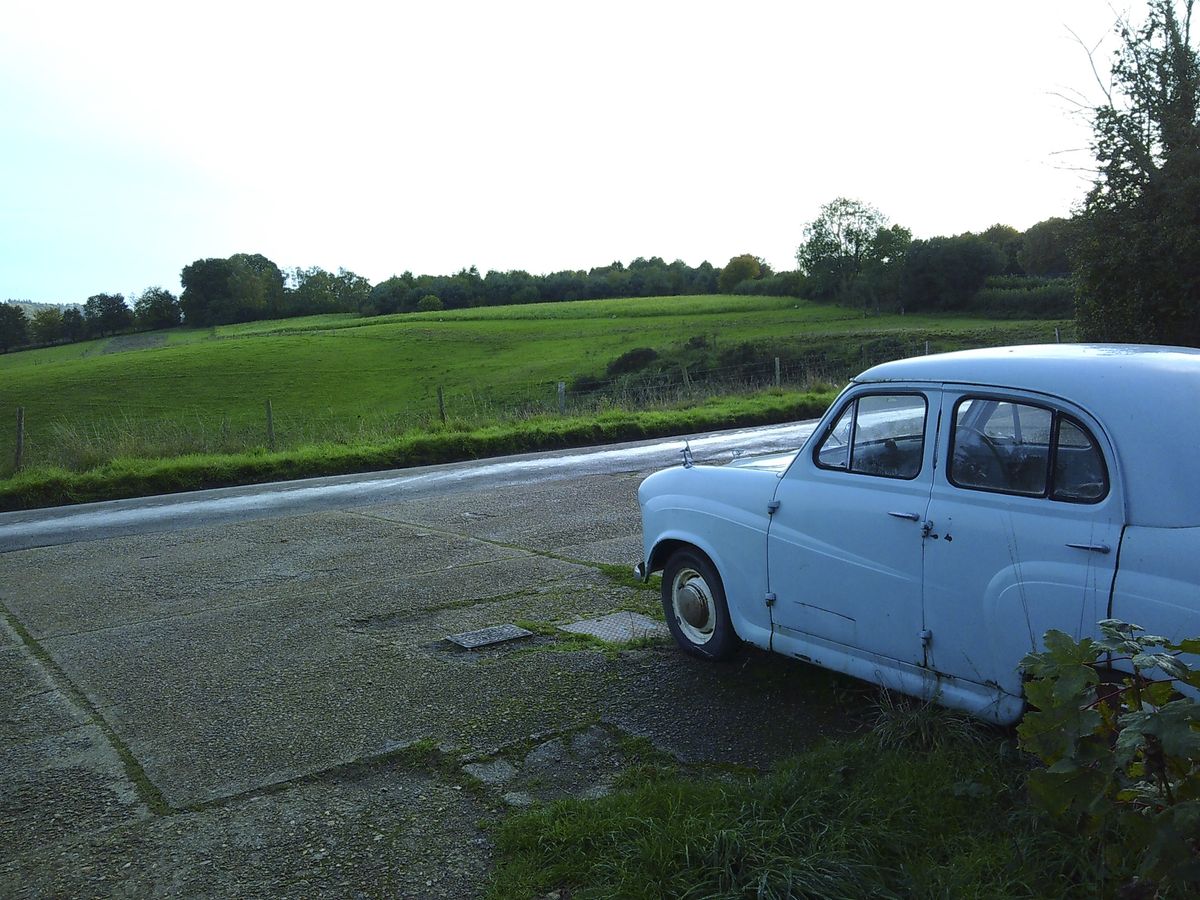
(Image credit: Future)
Image 1 of 5
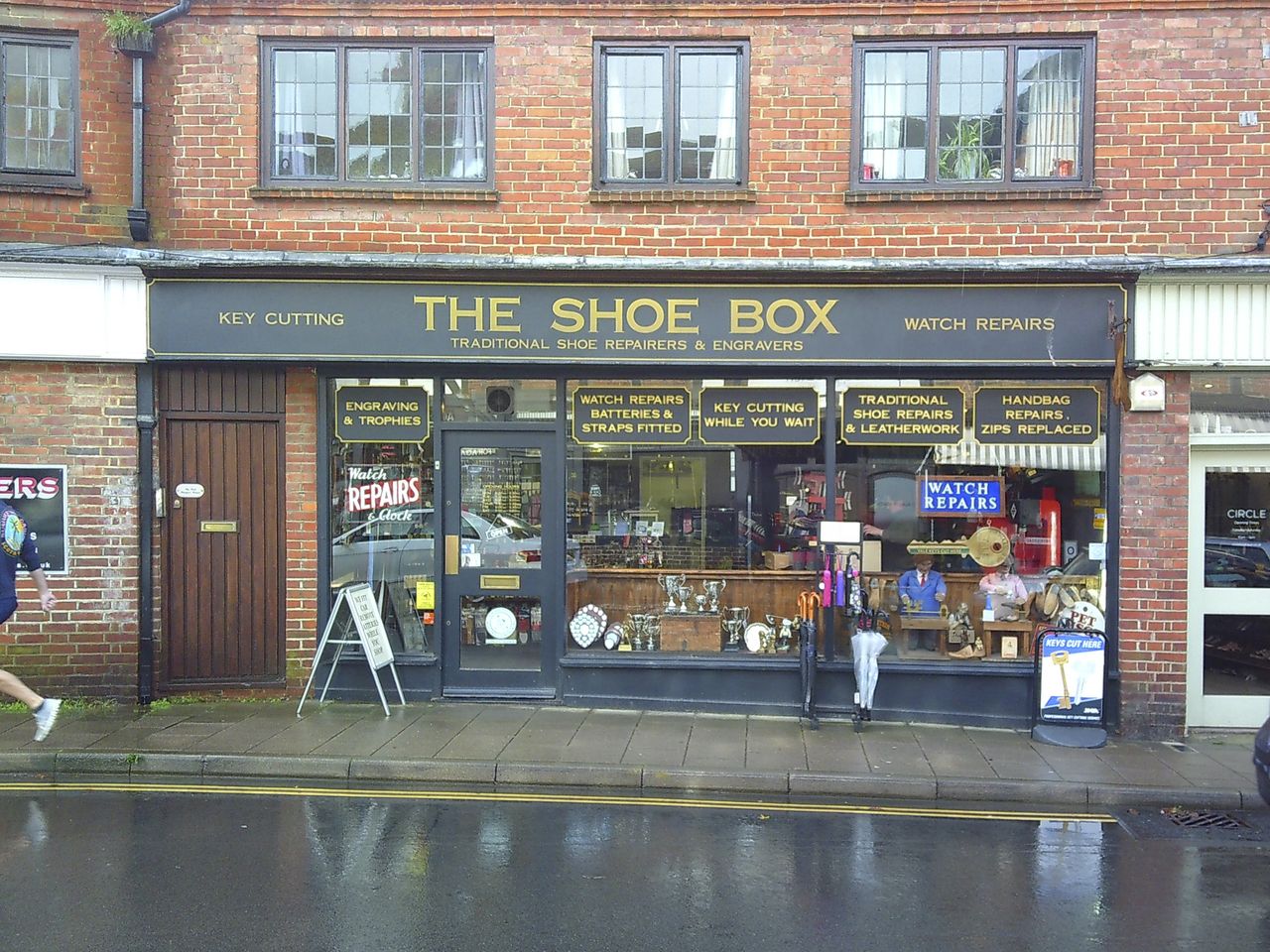
Image 2 of 5
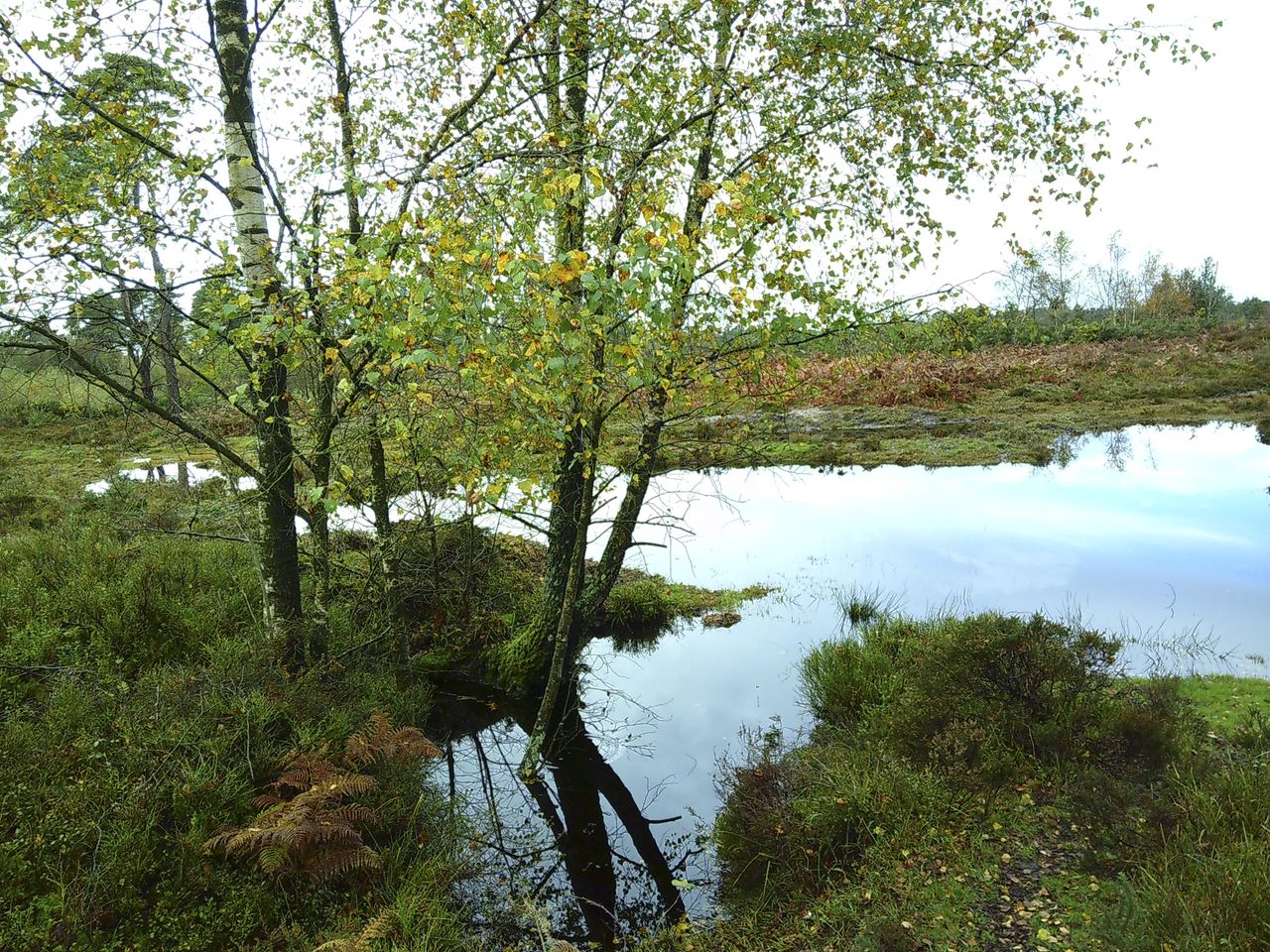
Image 3 of 5

Image 4 of 5
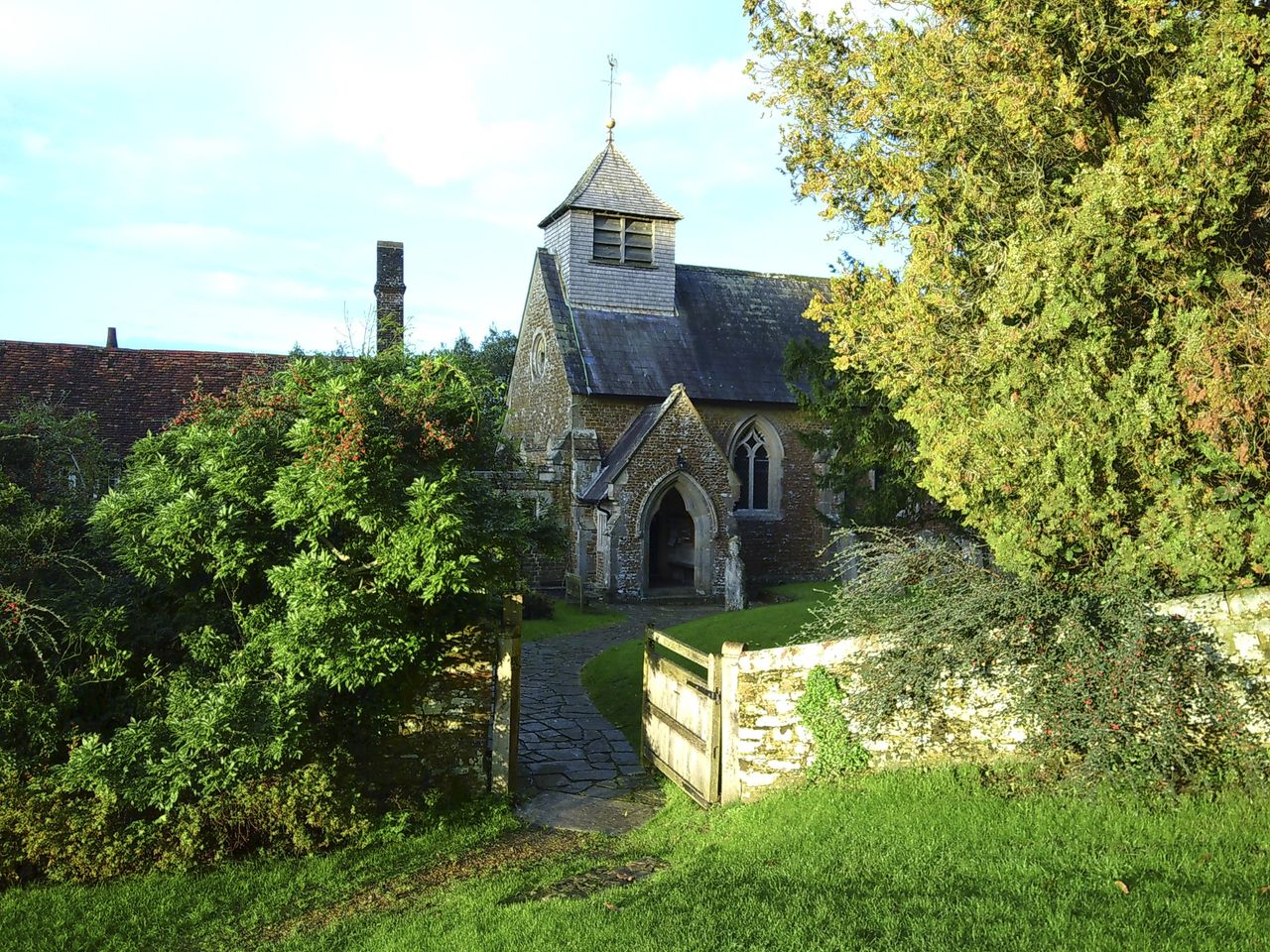
Image 5 of 5
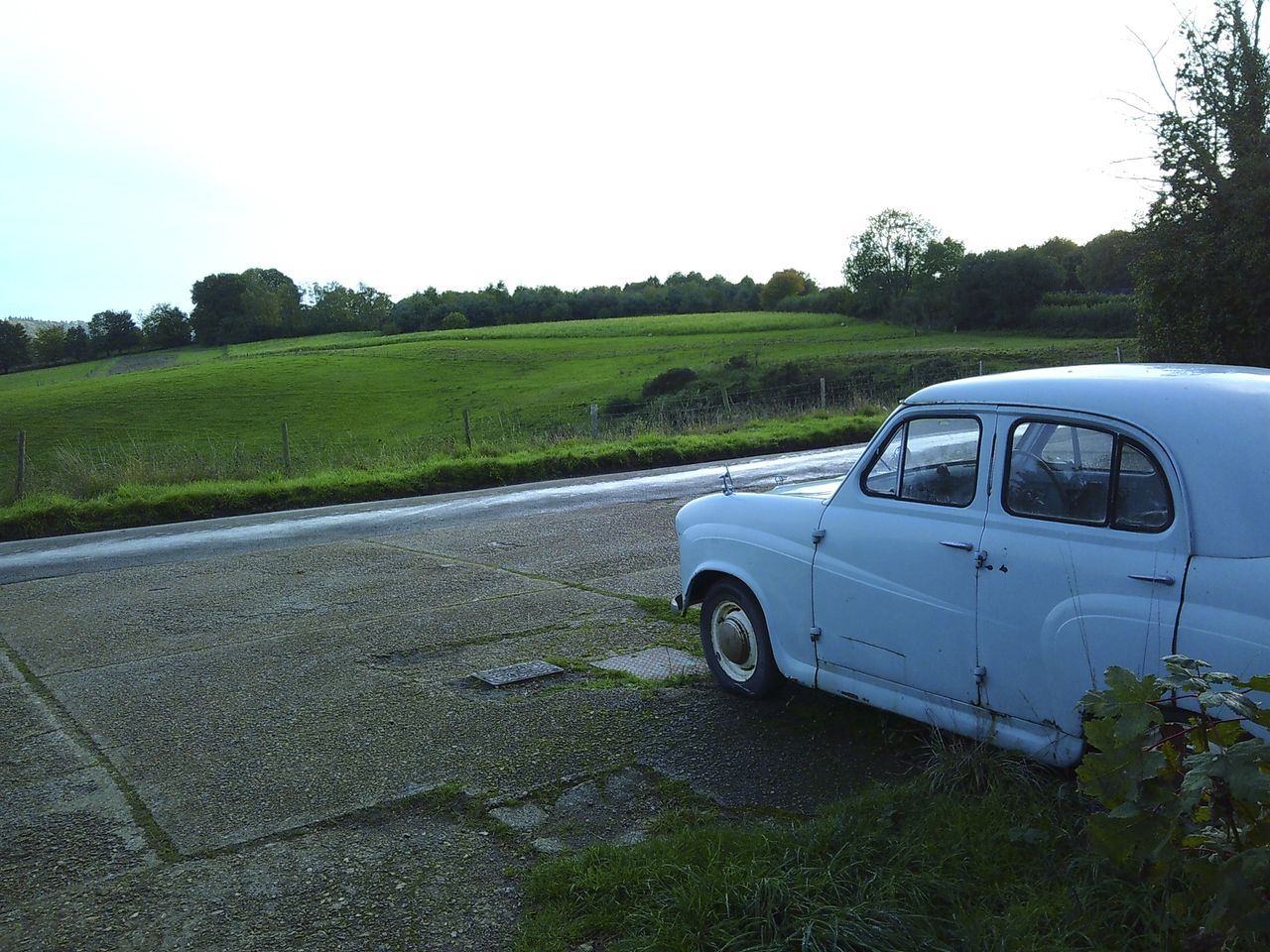
Buy it if:
✅ You want a screen-free snapper: The Camp Snap doesn't have a screen and is all the better for it – good photos come to those who wait.
✅ You're after a low-cost gift: The camera itself is cheap, and being digital there's no running costs of film as there is with an actual single-use camera.
Don't buy it if:
❌ You're a stickler for image quality: This is a low-tech product with low-bar image quality will be the appeal for some and off-putting for others.
❌ You like experimenting: This point-and-shoot snapper is as simple as it comes, with fixed focus and no filters.
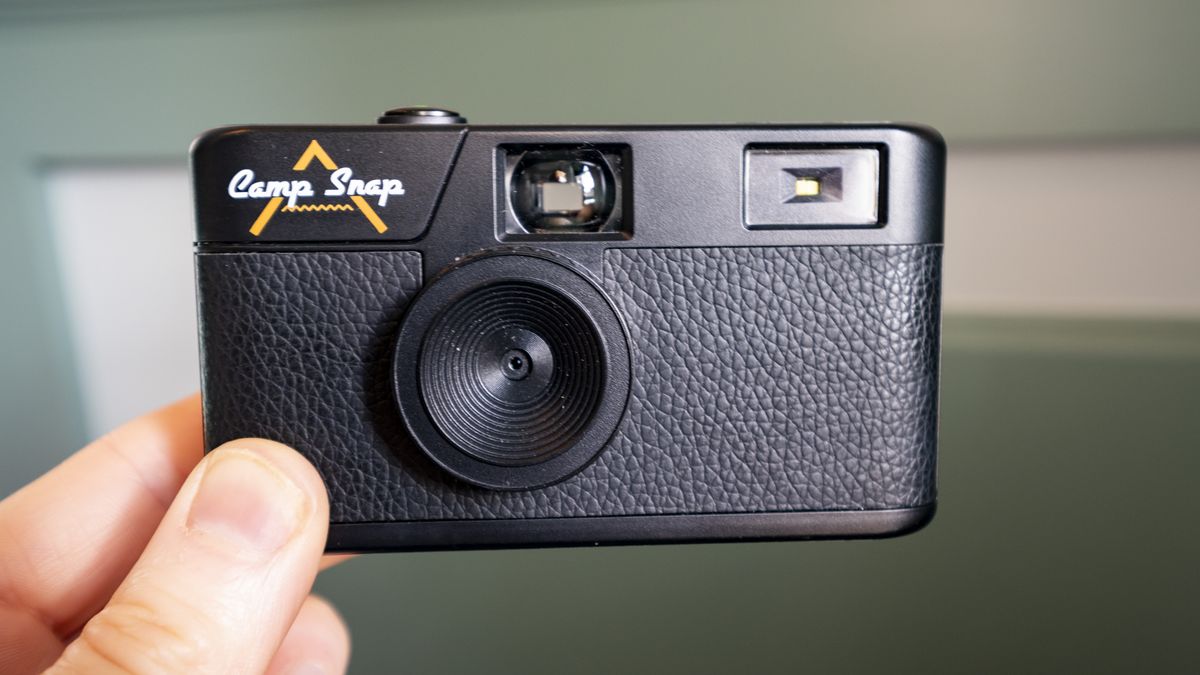
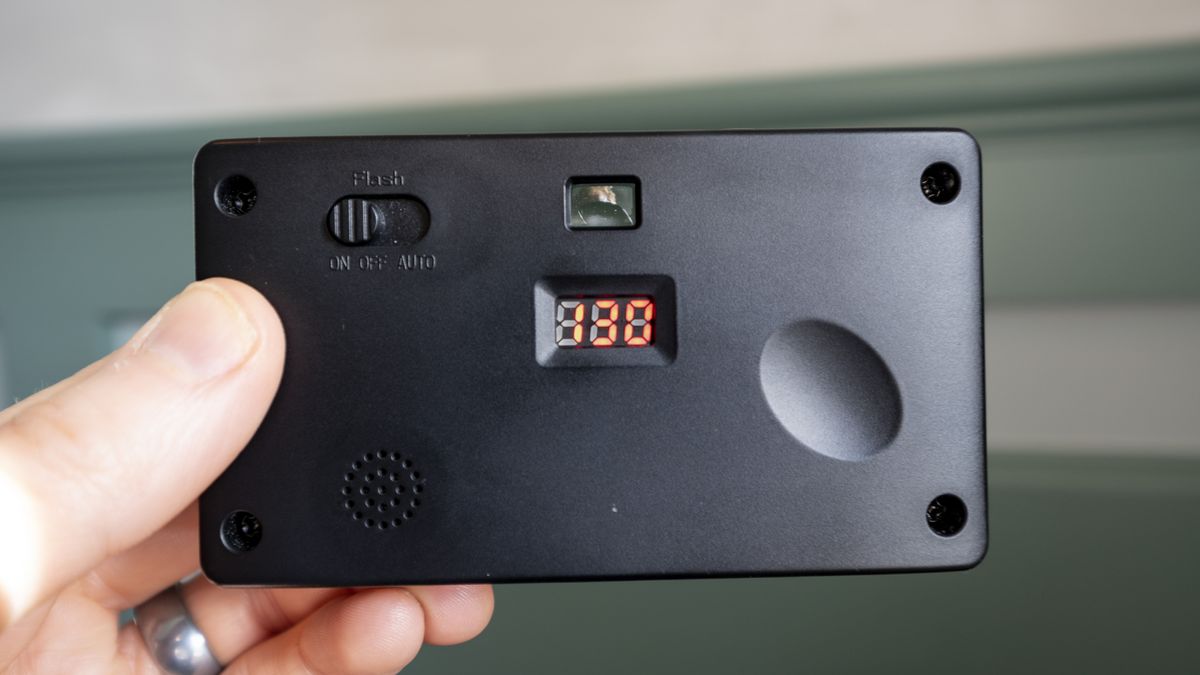
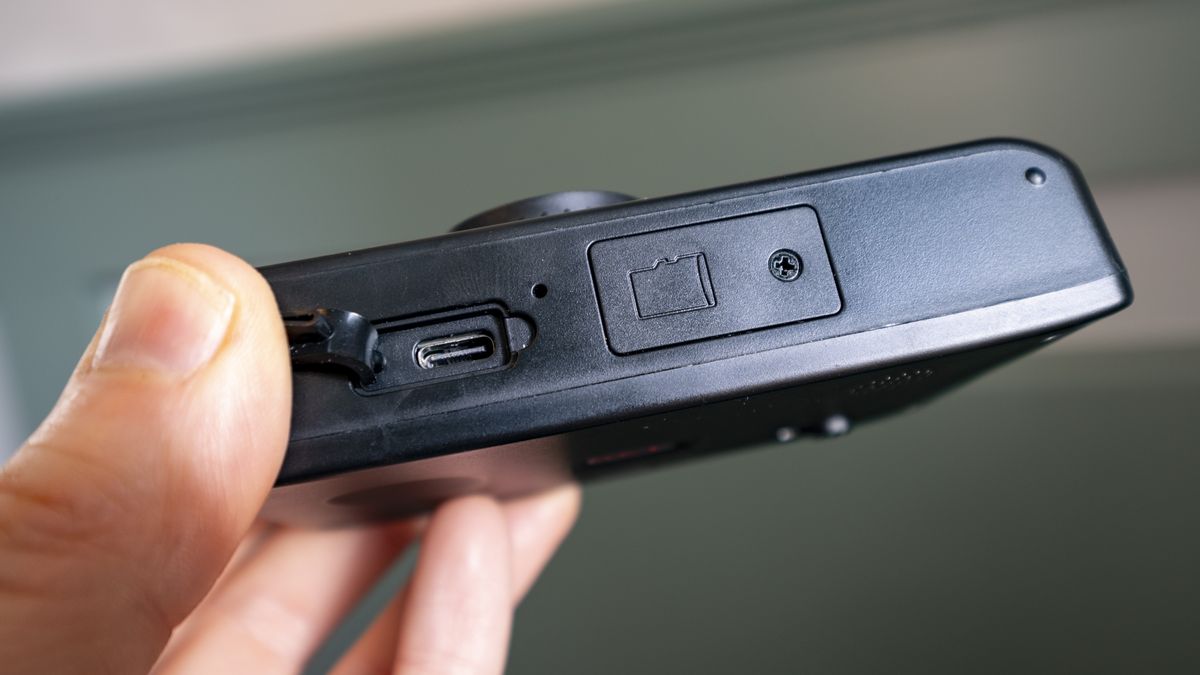
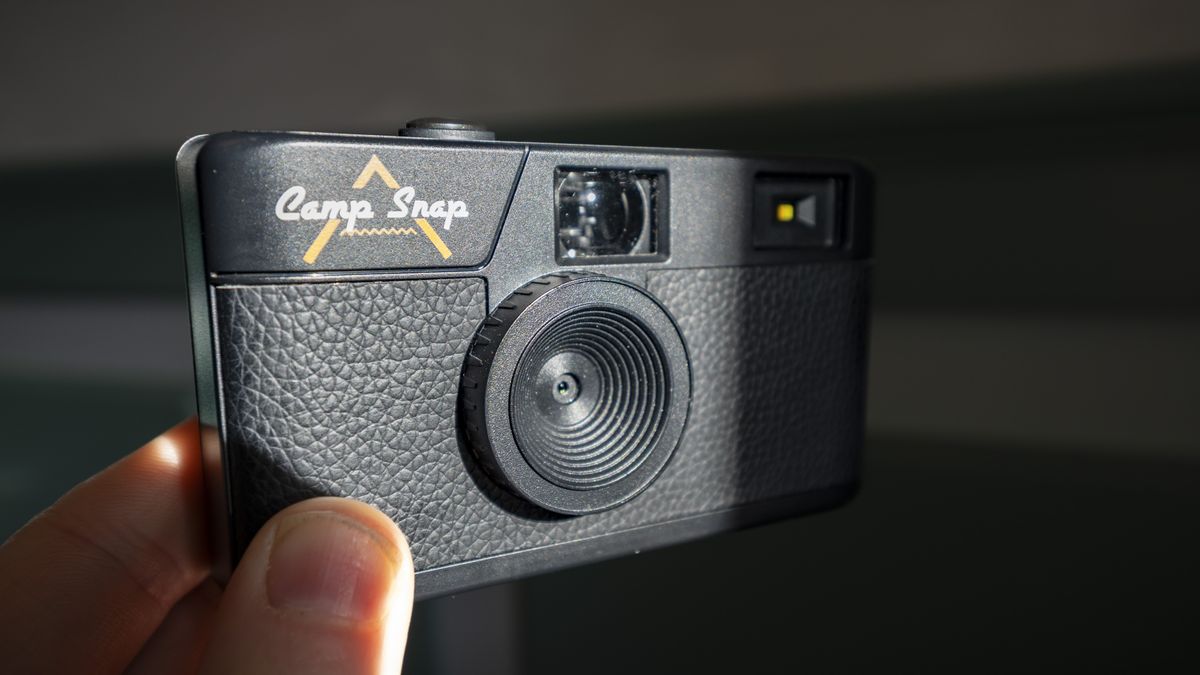
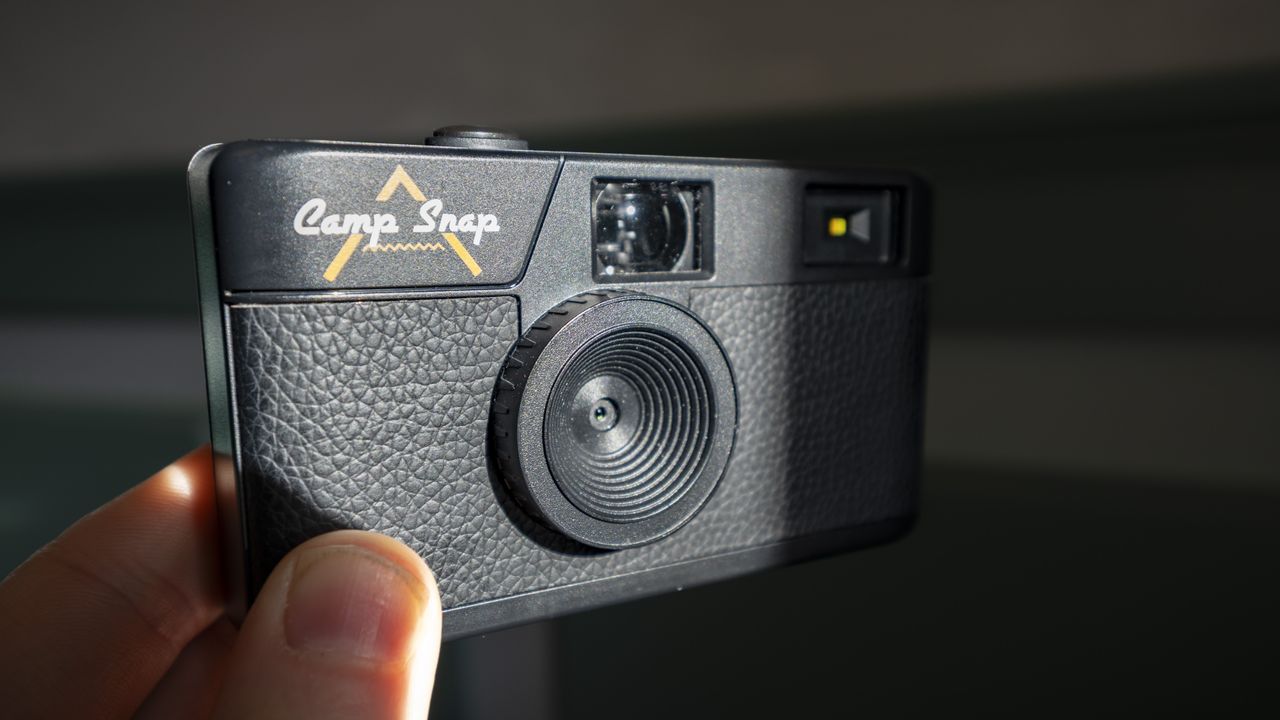
The Camp Snap camera is a clever concept, being a low-cost, low-tech digital reimagining of the single-use analog camera. It looks and feels the same as a single-use analog camera, with nice retro design, built-in flash and basic viewfinder, plus it lacks a screen, but inside is digital tech. A builtin TF (micro SD) card stores up around 2,000 digital 8MP photos, and because there's no screen the first time you see your photos is when you connect the Camp Snap camera to your computer via USB-C.
We think the big selling point of Camp Snap camera is what it lacks, namely a screen – it's a refreshing antidote to our screen-led culture, and a safe option for kids. As a point-and-shoot with all-auto simplicity, kids will have no problem operating the Camp Snap camera, and parents won't be over protective over it given its rigid plastic shell. With no power-hungry features, the camera's battery lasts several days of moderate use – ideal for weekend trips, but we think it also appeals to a much wider audience.
Read our in-depth
The best cheap point-and-shoot
Image 1 of 5
(Image credit: Rod Lawton)
(Image credit: Rod Lawton)
(Image credit: Rod Lawton)
(Image credit: Rod Lawton)
(Image credit: Rod Lawton)
Image 1 of 5
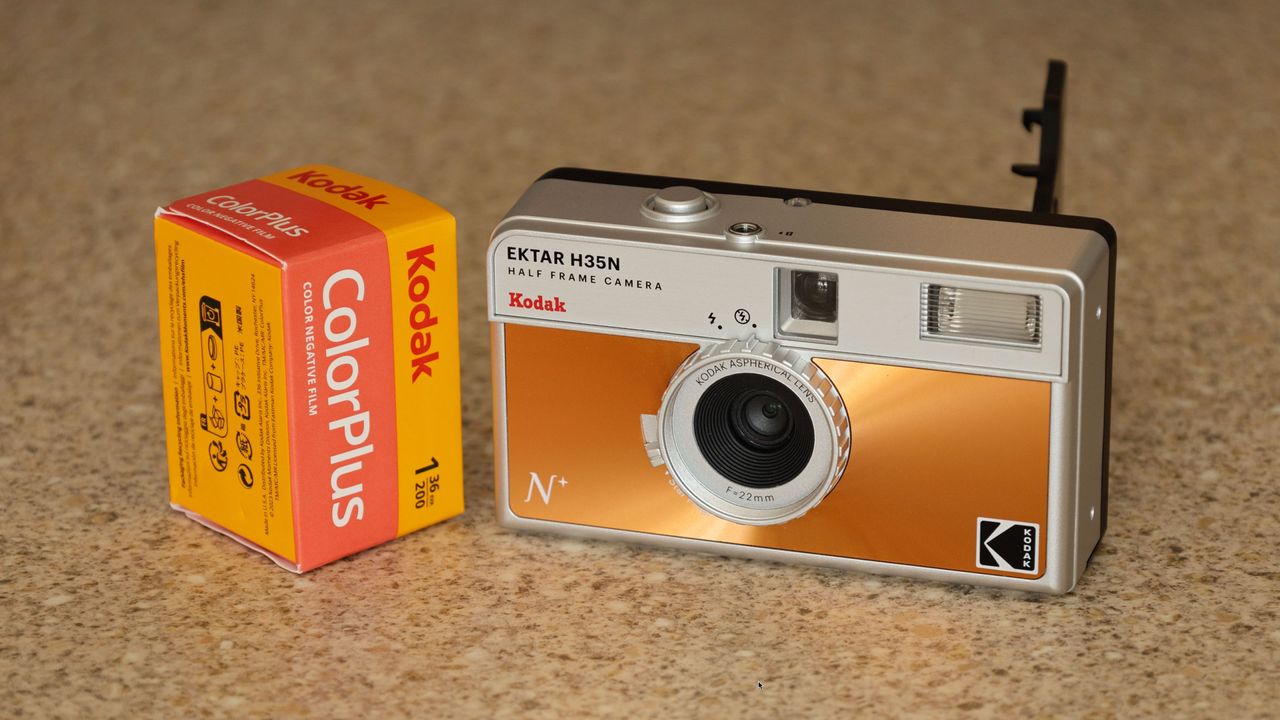
Image 2 of 5
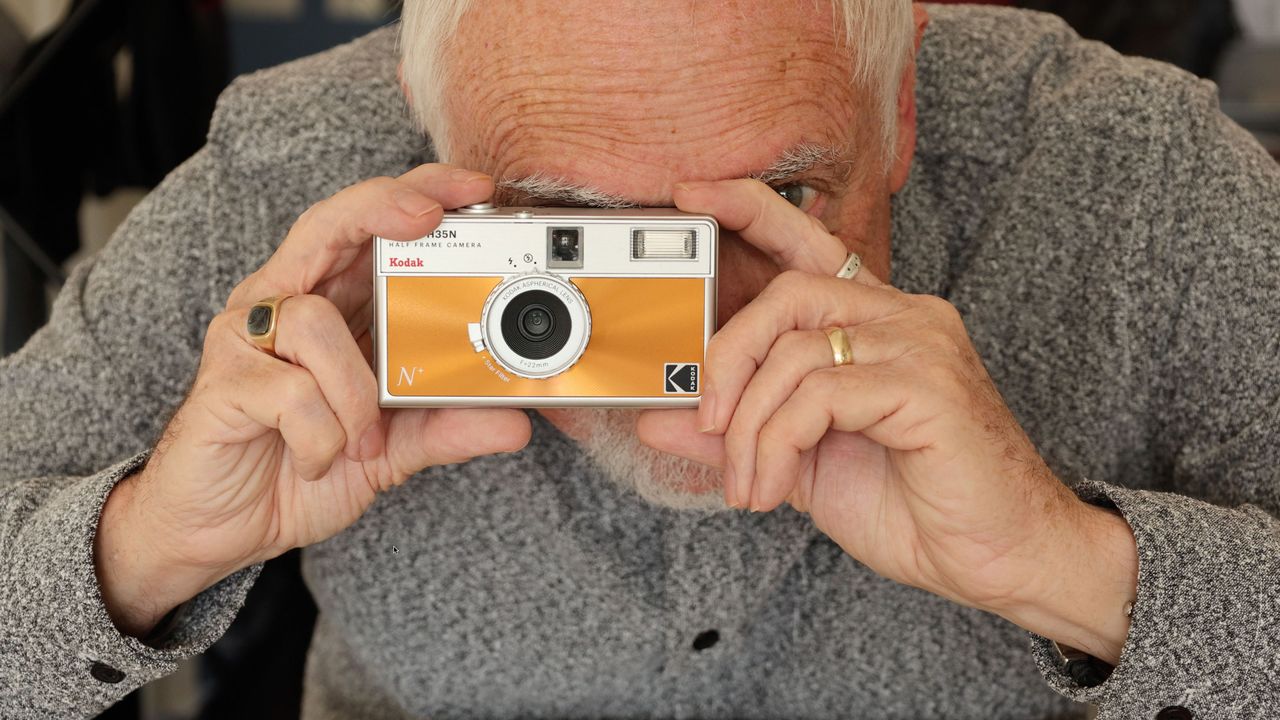
Image 3 of 5
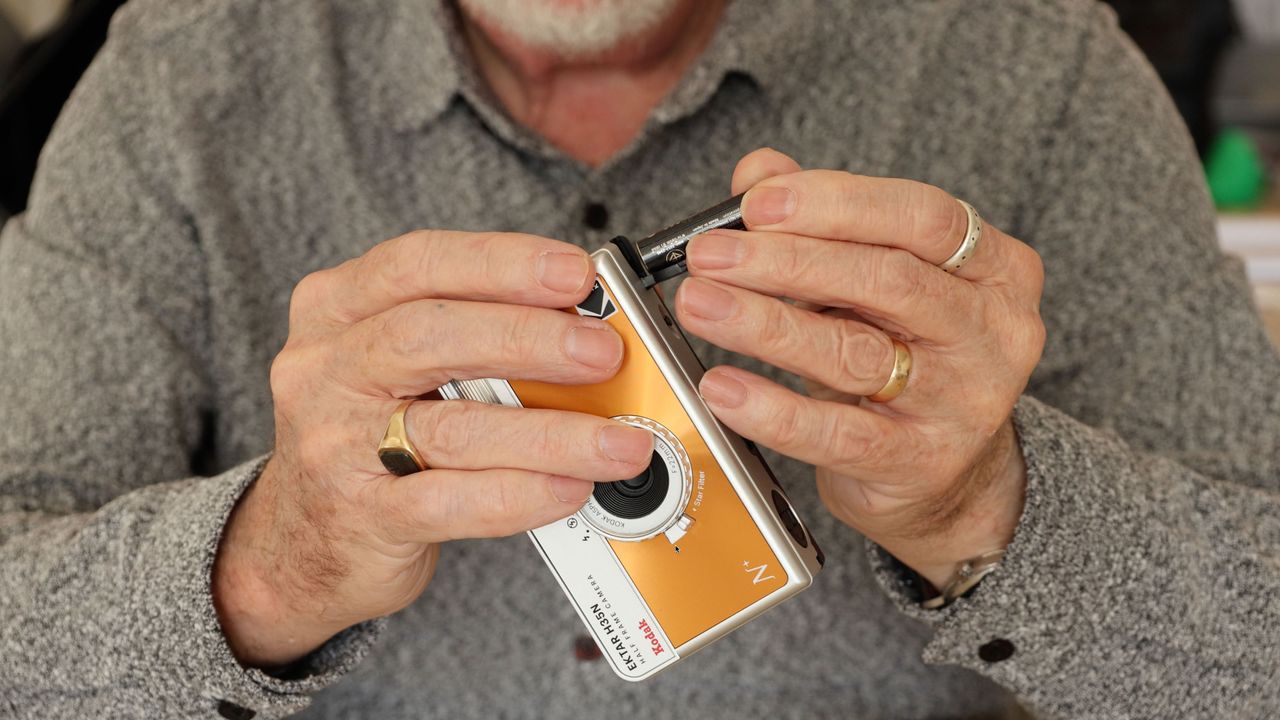
Image 4 of 5
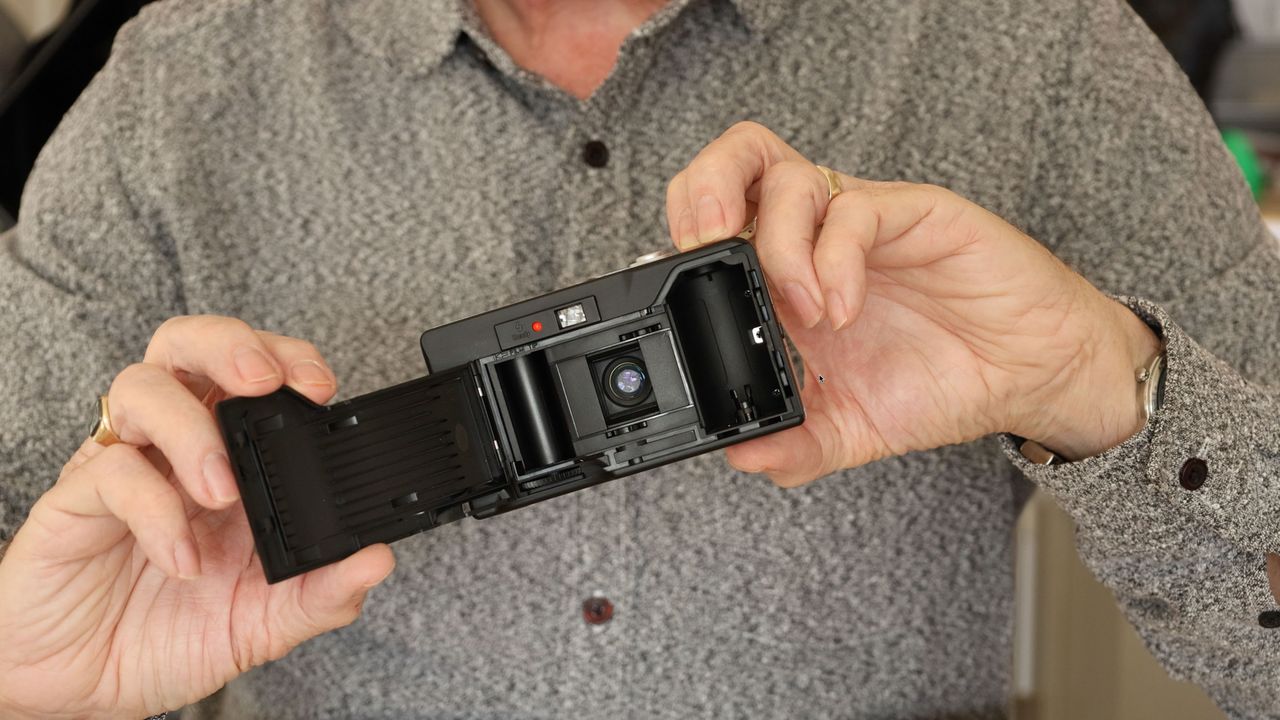
Image 5 of 5
The best cheap point-and-shoot
Specifications
Camera type: 35mm film compact
Sensor: N/A
Resolution: N/A
Video: N/A
Lens: 22mm f/11 (approx. 30mm effective)
Viewfinder: Optical
Screen: N/A
Reasons to buy
+
Incredibly simple to use
+
Very smart looking
+
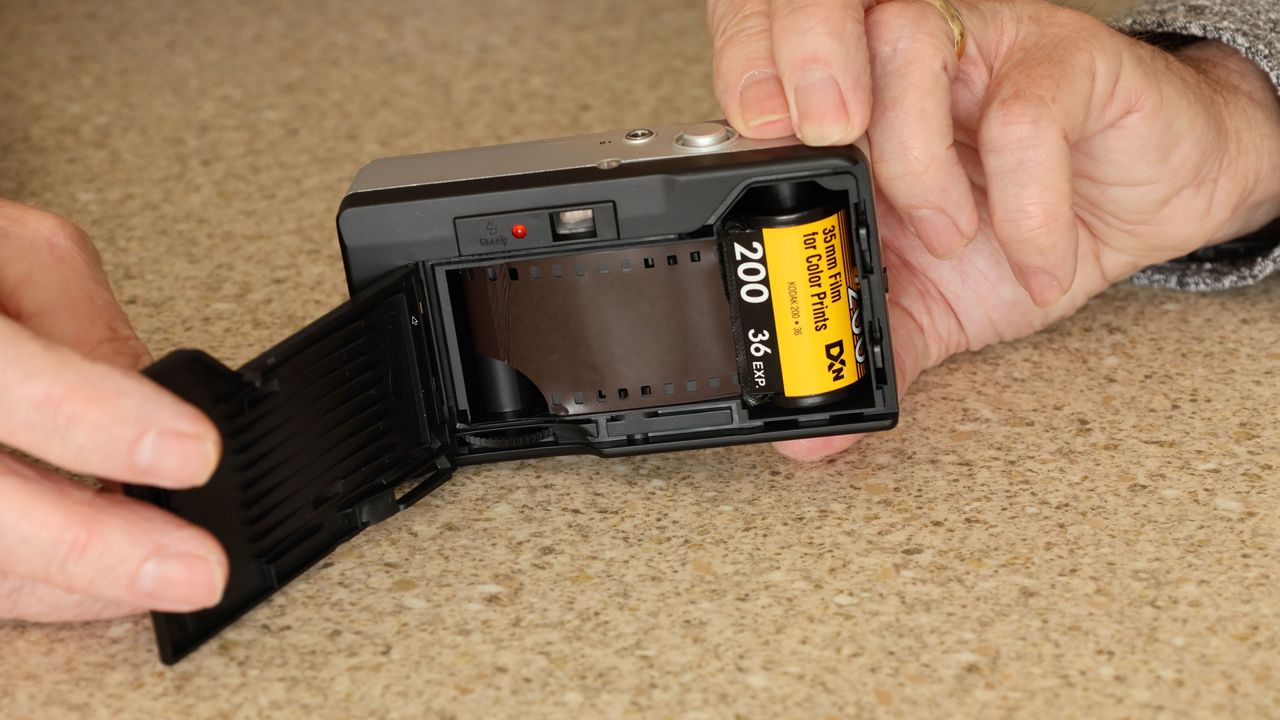
Uses regular 35mm film
+
Small but bright viewfinder
Reasons to avoid
-
Extra cost of film, developing and prints
-
No exposure or focus control
-
Best outdoors, or indoors with flash
-
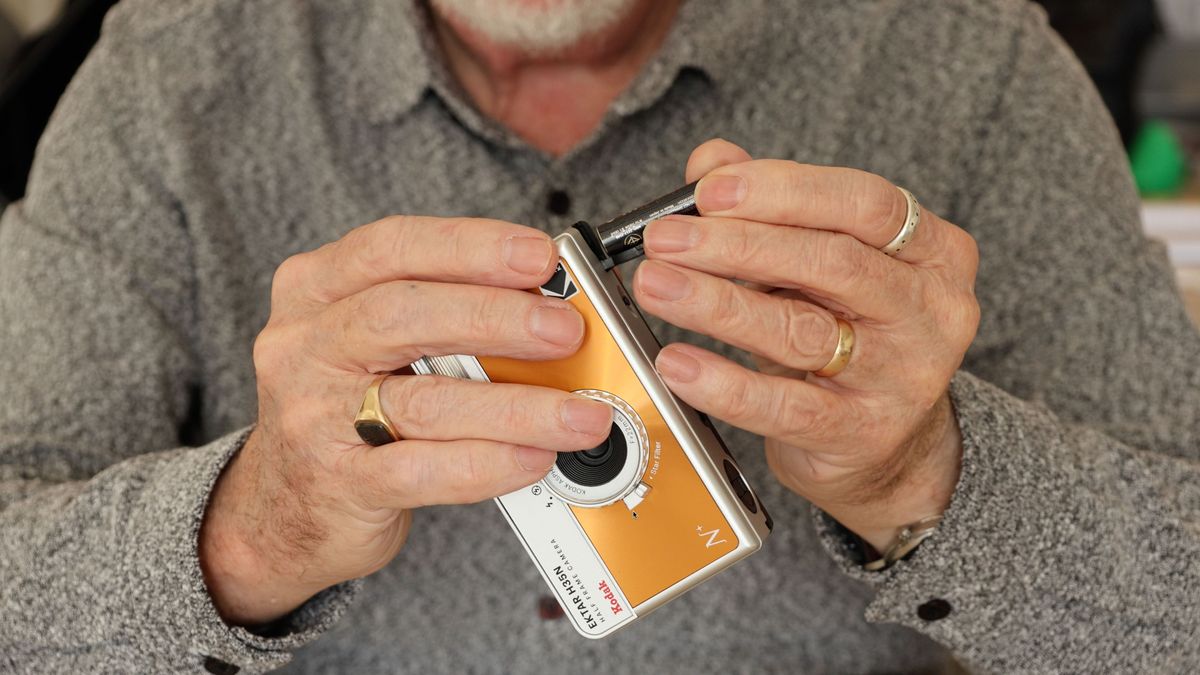
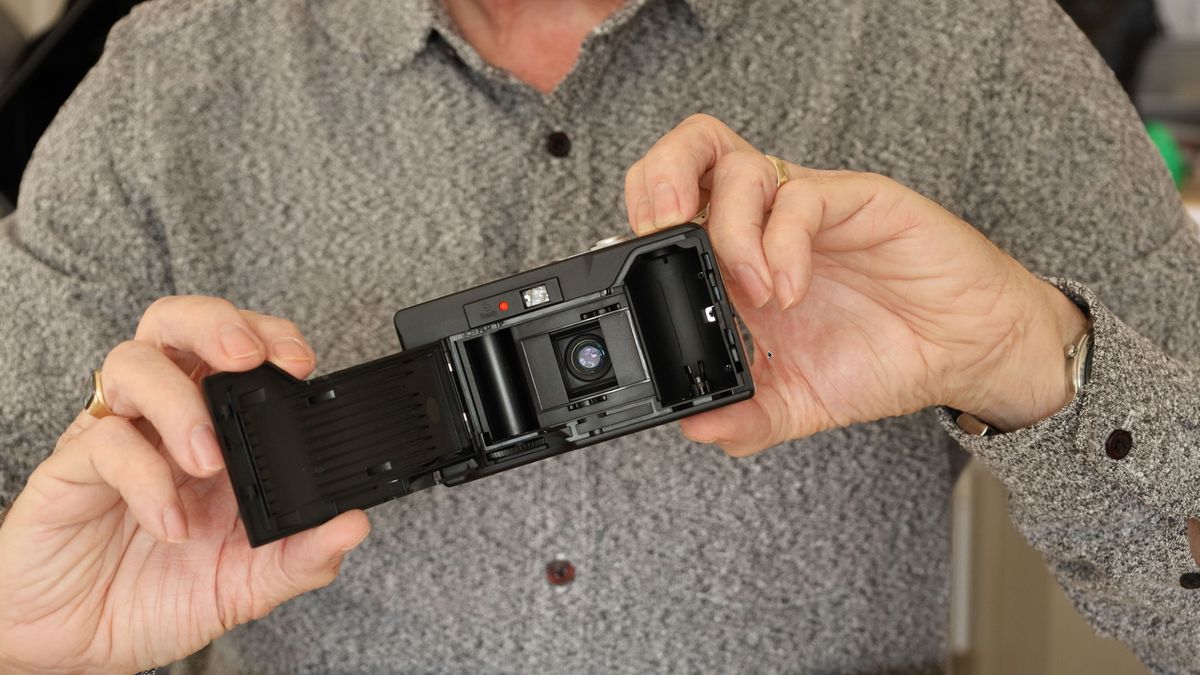
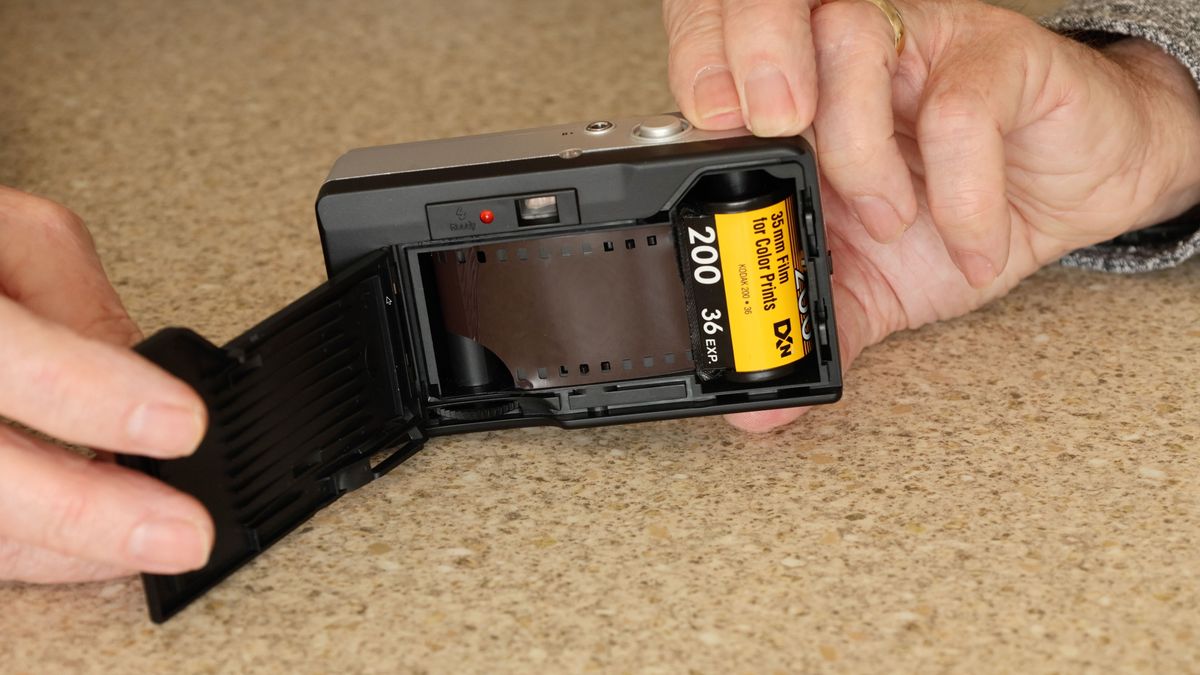
Film loading is fiddly for newbies
Kodak Ektar H35N sample images
Image 1 of 6
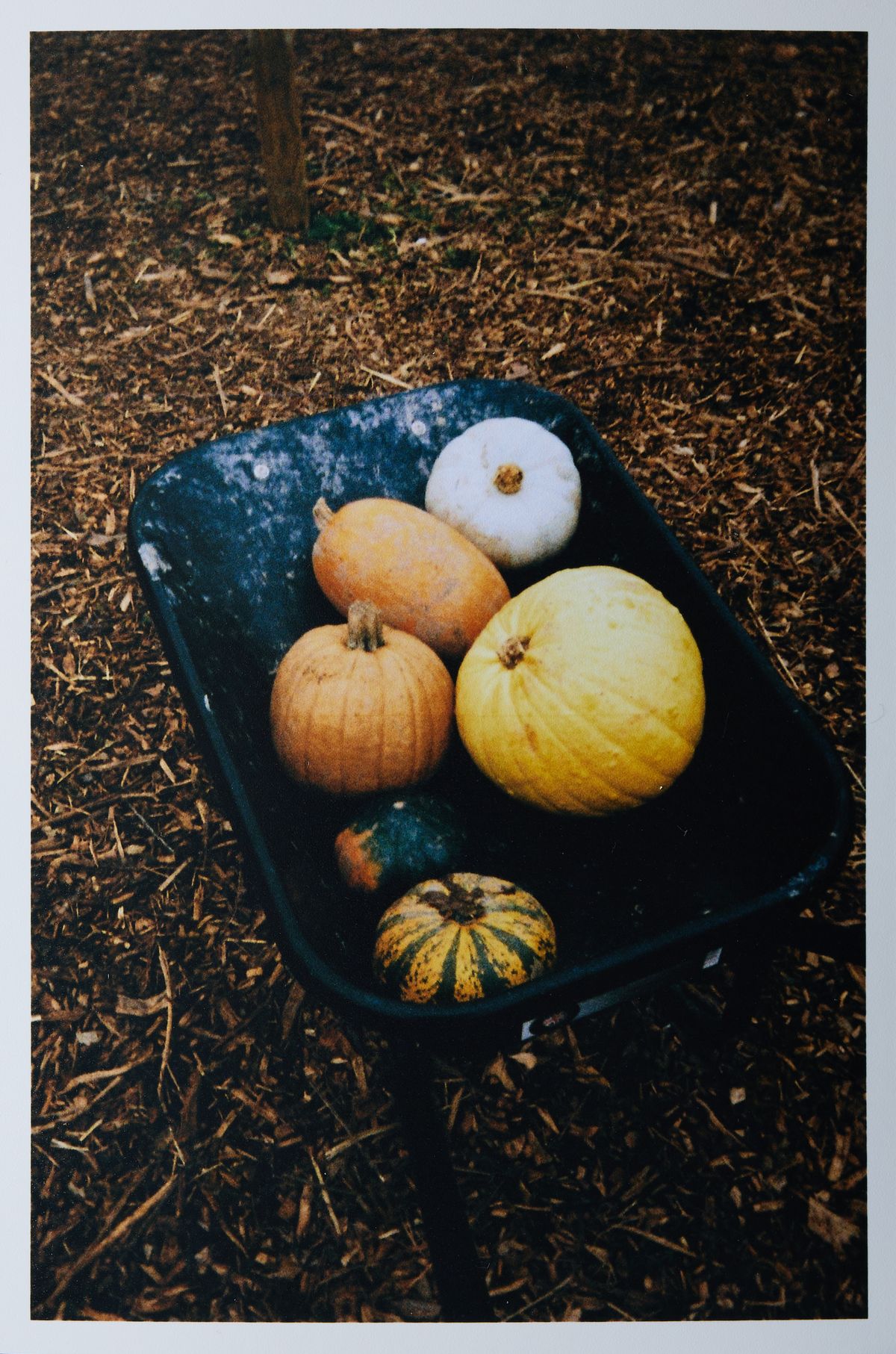
(Image credit: Rod Lawton)

(Image credit: Rod Lawton)
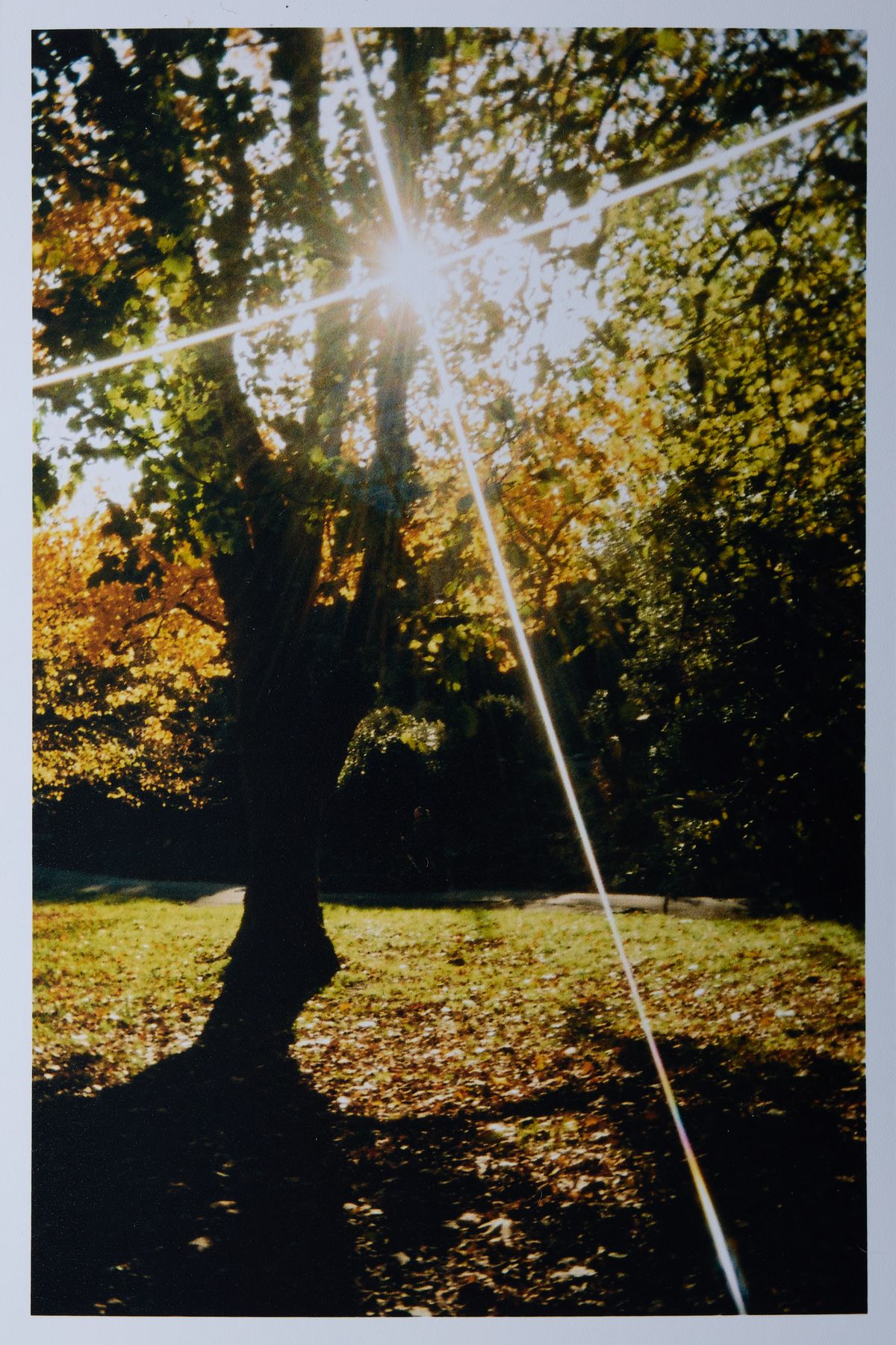
(Image credit: Rod Lawton)

(Image credit: Rod Lawton)
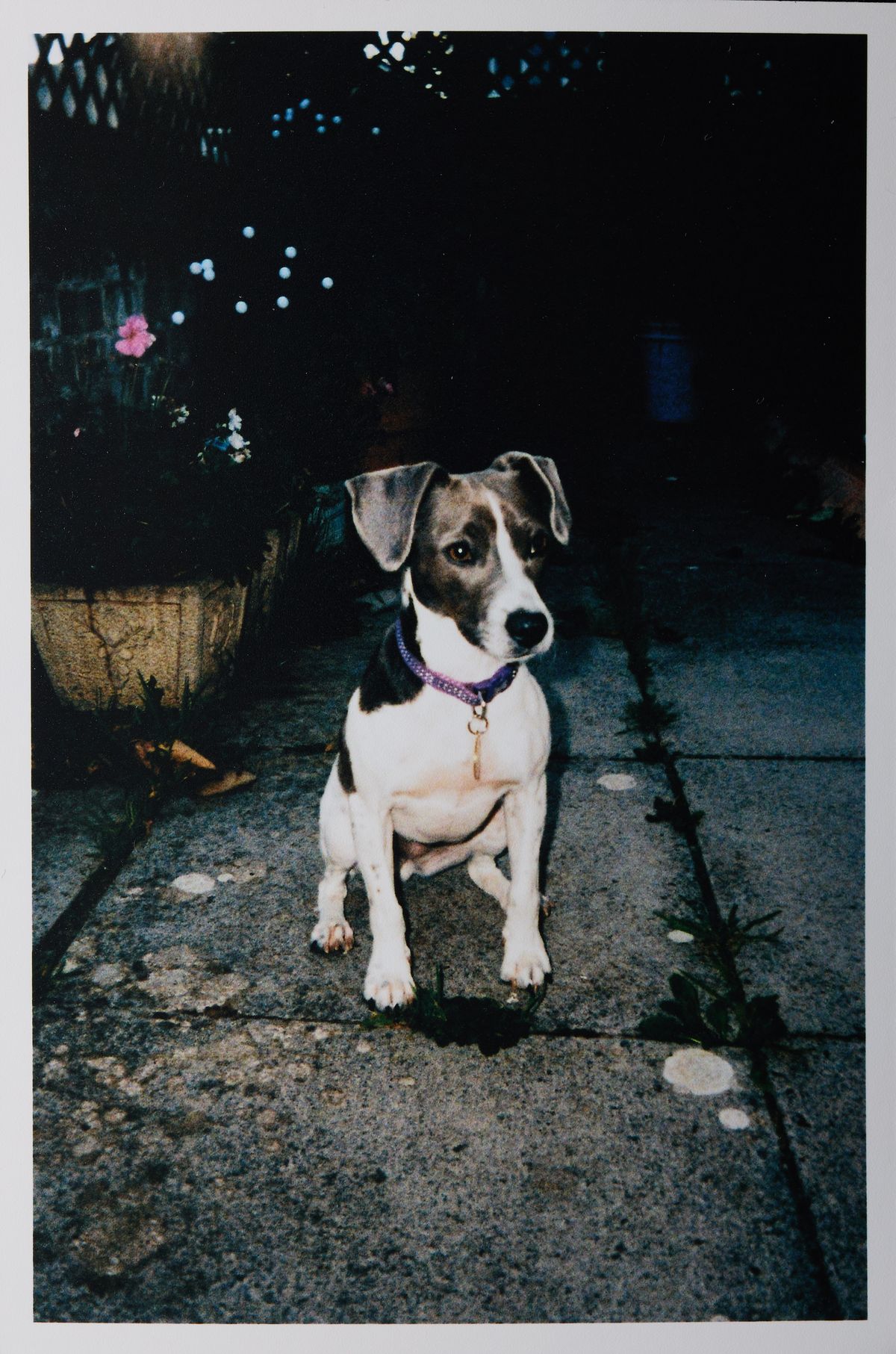
(Image credit: Rod Lawton)
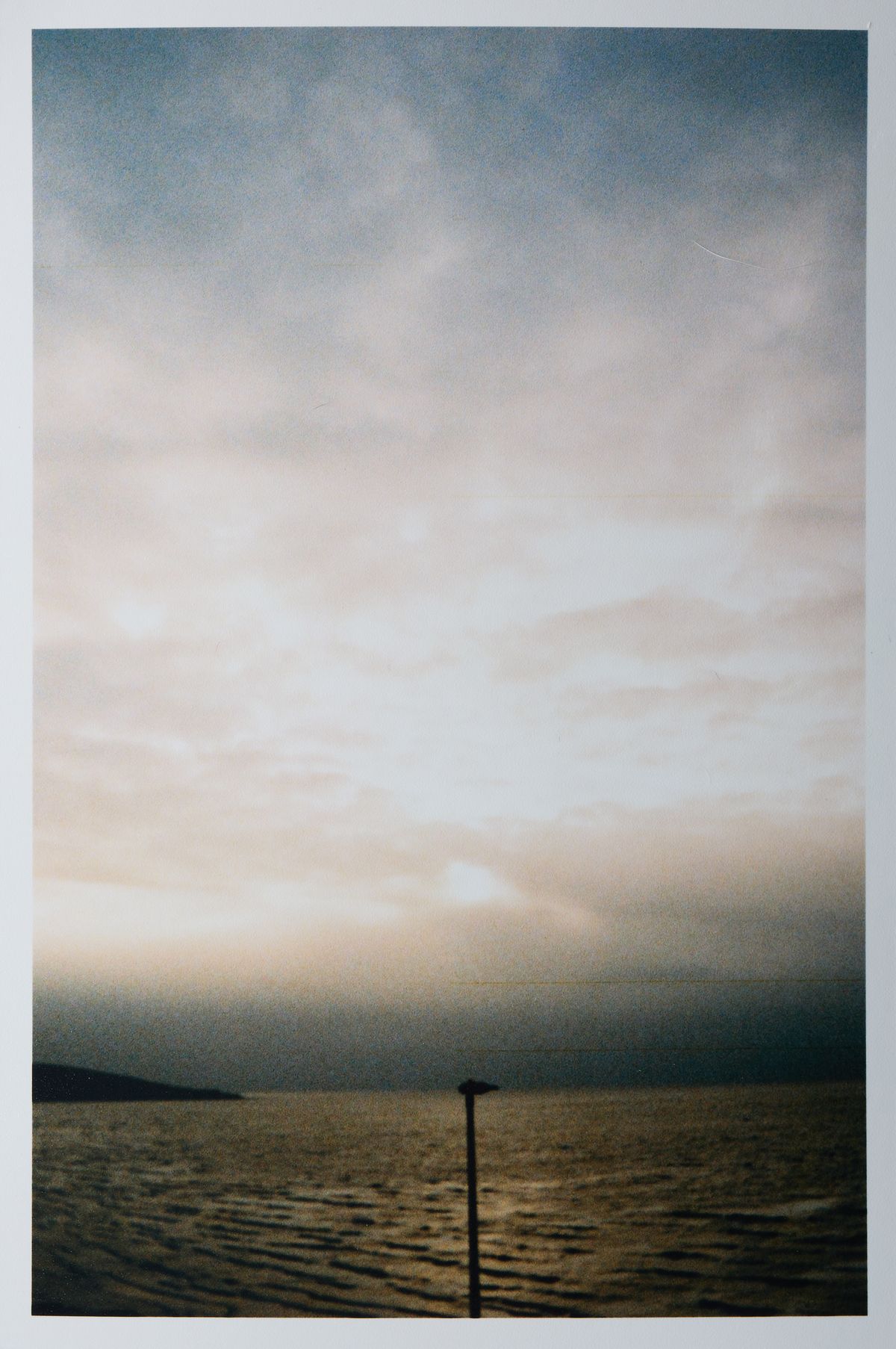
(Image credit: Rod Lawton)
Image 1 of 6
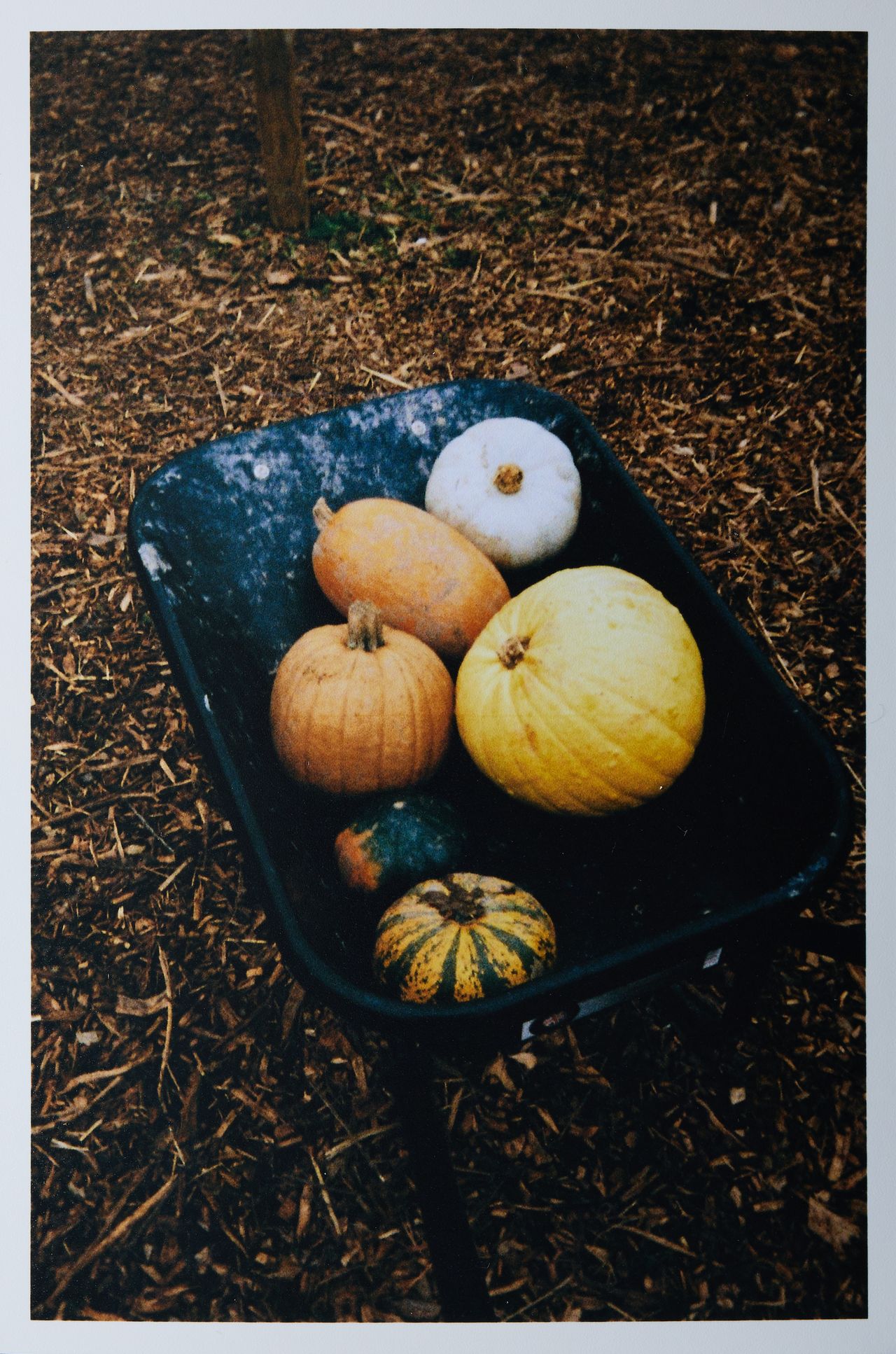
Image 2 of 6

Image 3 of 6
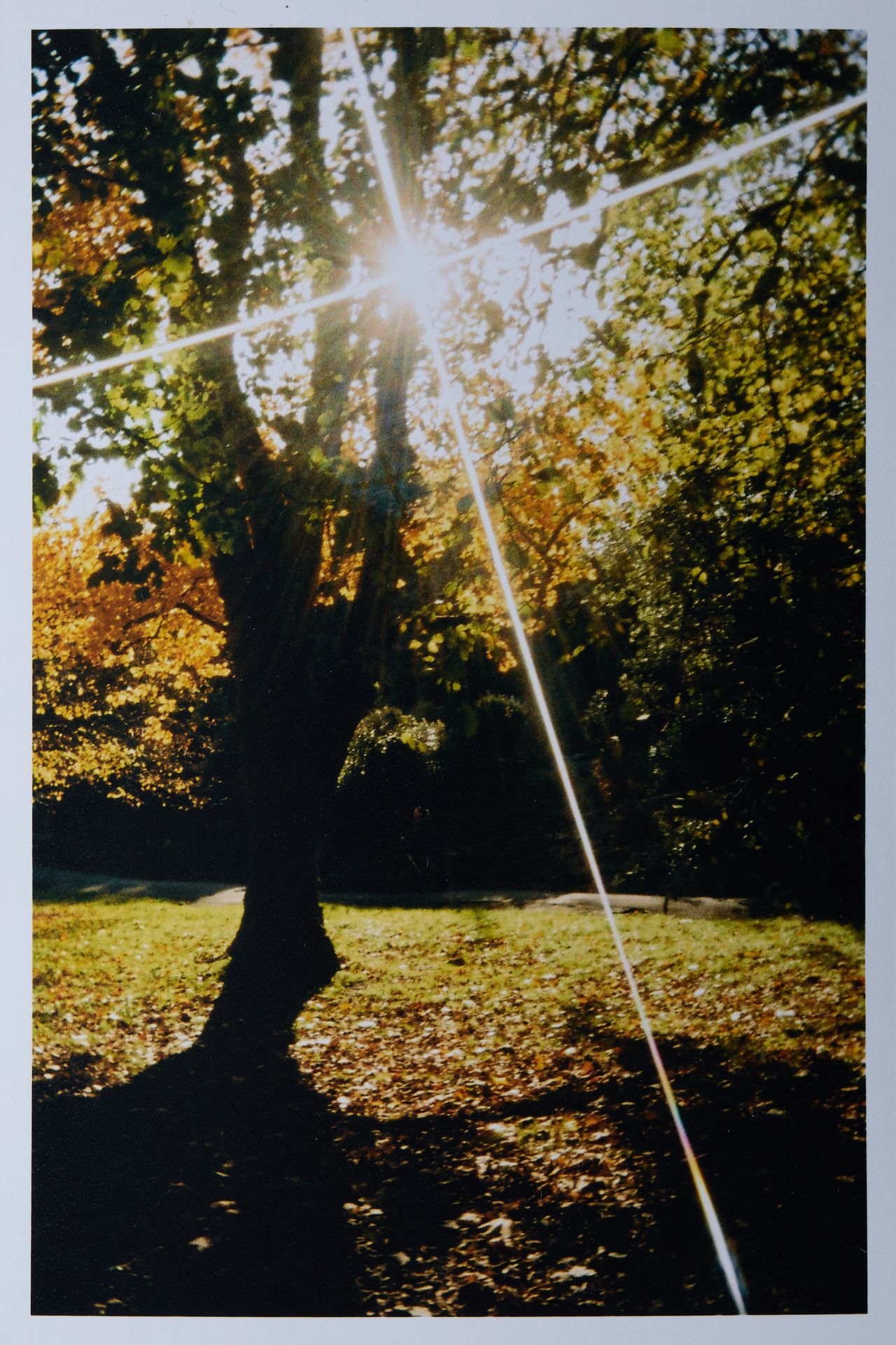
Image 4 of 6

Image 5 of 6
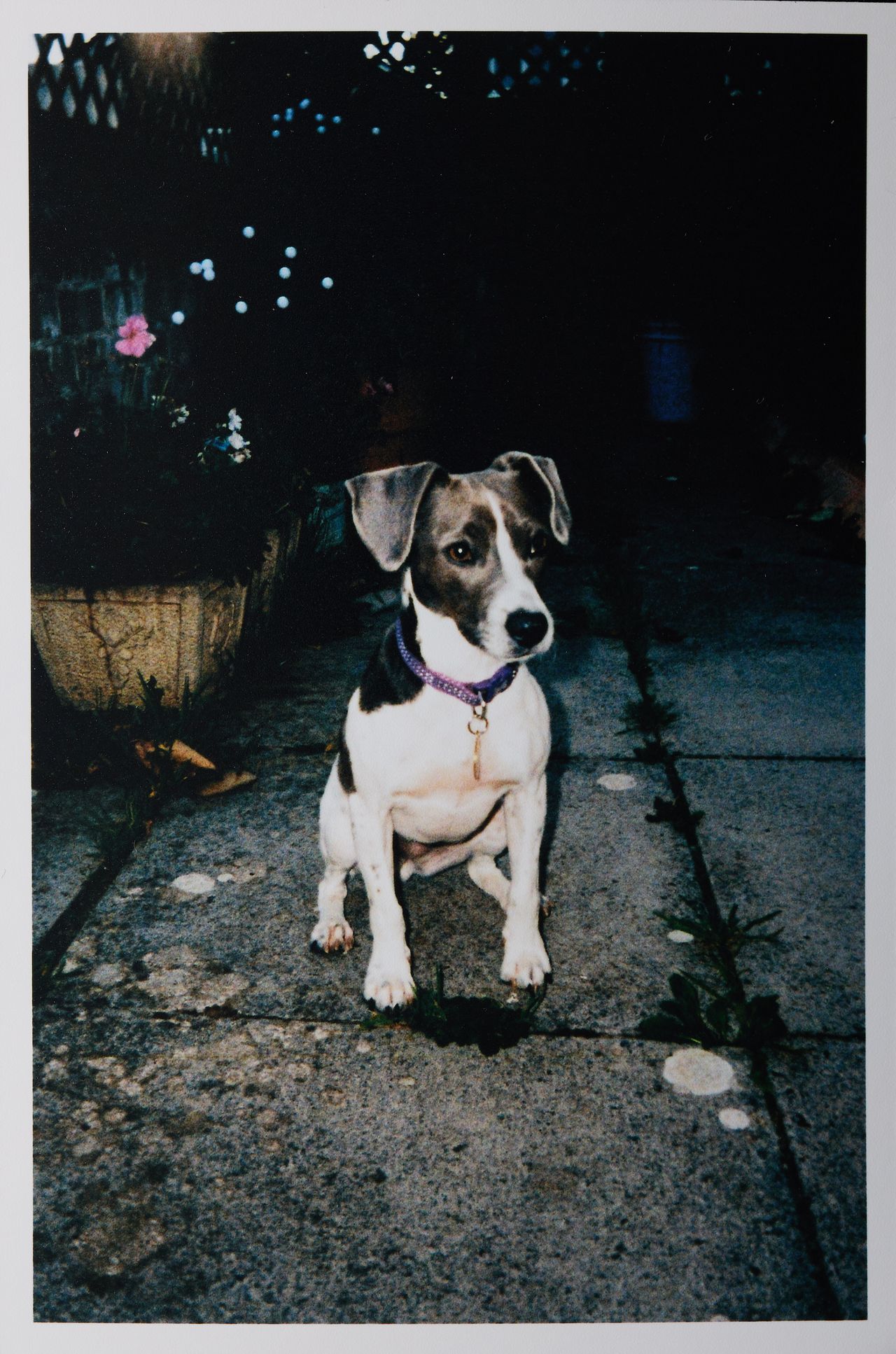
Image 6 of 6
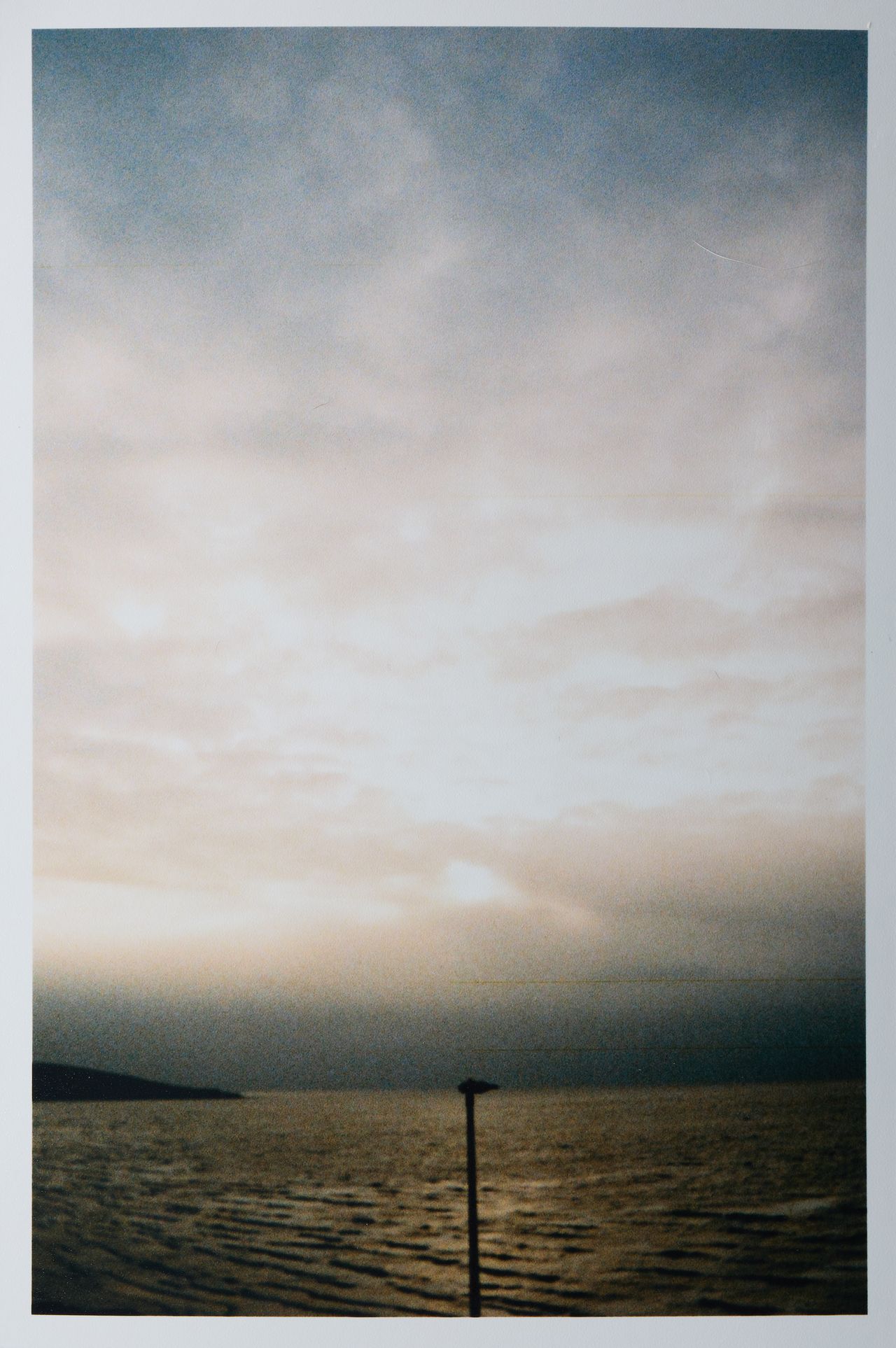
Buy it if:
✅ You want a break from digital: The analog process is more slow and considered, and requires a patient wait for its tangible results.
✅ You want something super simple: With a simple fixed lens and built-in flash, this is as straightforward as analog photography gets.
Don't buy it if:
❌ You expect cheap ongoing ownership: The camera itself may be very affordable, but the costs associated with film photography feel higher than ever.
❌ You want to learn photography tech skills: With no real controls for aperture or shutter speed, this is a very basic point-and-shoot camera.
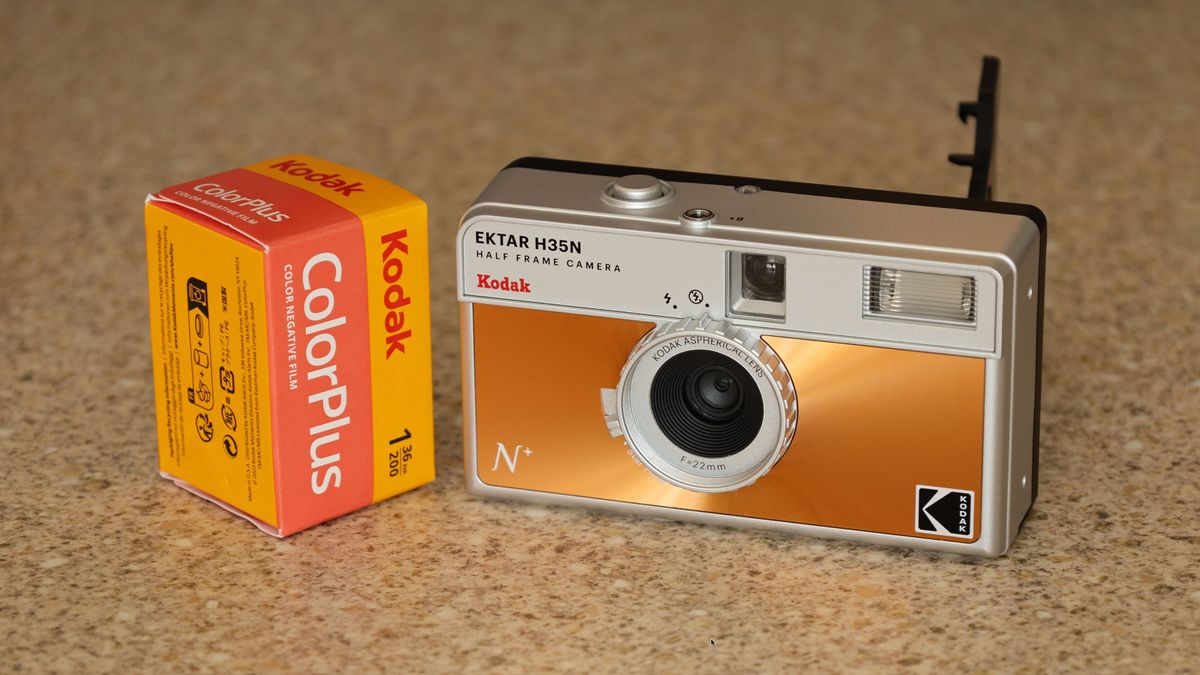
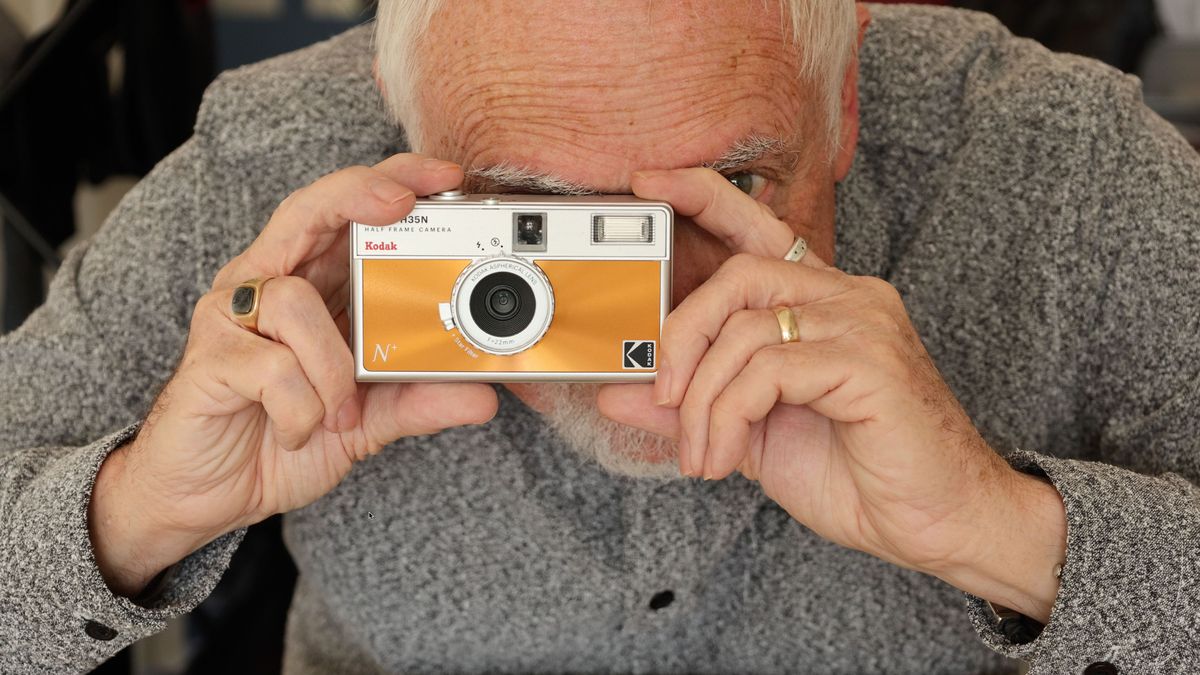
The Kodak Ektar H35N offers something refreshingly different: a true analog photography experience that won't break the bank.
It's essentially a reusable disposable 35mm camera, making it ideal for young photographers. There are virtually no controls to master – you simply wind on, look through the viewfinder and press the shutter button. No menus, no settings, no digital distractions; it's photography stripped back to its purest form.
The half-frame format is a clever bonus. Using standard 35mm film, it captures vertical images (which feel familiar enough in our phone-dominated world) while doubling the number of shots per roll. That's plenty of chances for experimentation without the need for frequent film changes.
But here's where the magic really happens: the wait. Unlike instant smartphone gratification, you must finish the roll, send it off for developing and wait for prints to arrive. Opening that packet of physical photographs creates a sense of anticipation and excitement that reviewing images on a screen just can't match. These tangible prints can go straight into albums or frames, creating lasting memories rather than forgotten files sitting on an SD card or hard drive.
The camera itself is lightweight, simple and surprisingly robust for its plastic construction. The built-in flash handles indoor shots, while the fixed aperture and focus work well in daylight conditions.
The downsides? Film, developing and printing costs add up quickly – especially for half-frame processing, which requires specialist labs. And there's zero technical control, so this isn't the camera to teach you photographic fundamentals like aperture or shutter speed.
Read our in-depth
9. Best for vlogging
Image 1 of 6
(Image credit: Future / Tim Coleman)
(Image credit: Future / Tim Coleman)
(Image credit: Future / Tim Coleman)
(Image credit: Future / Tim Coleman)
(Image credit: Future / Tim Coleman)
(Image credit: Future / Tim Coleman)
Image 1 of 6
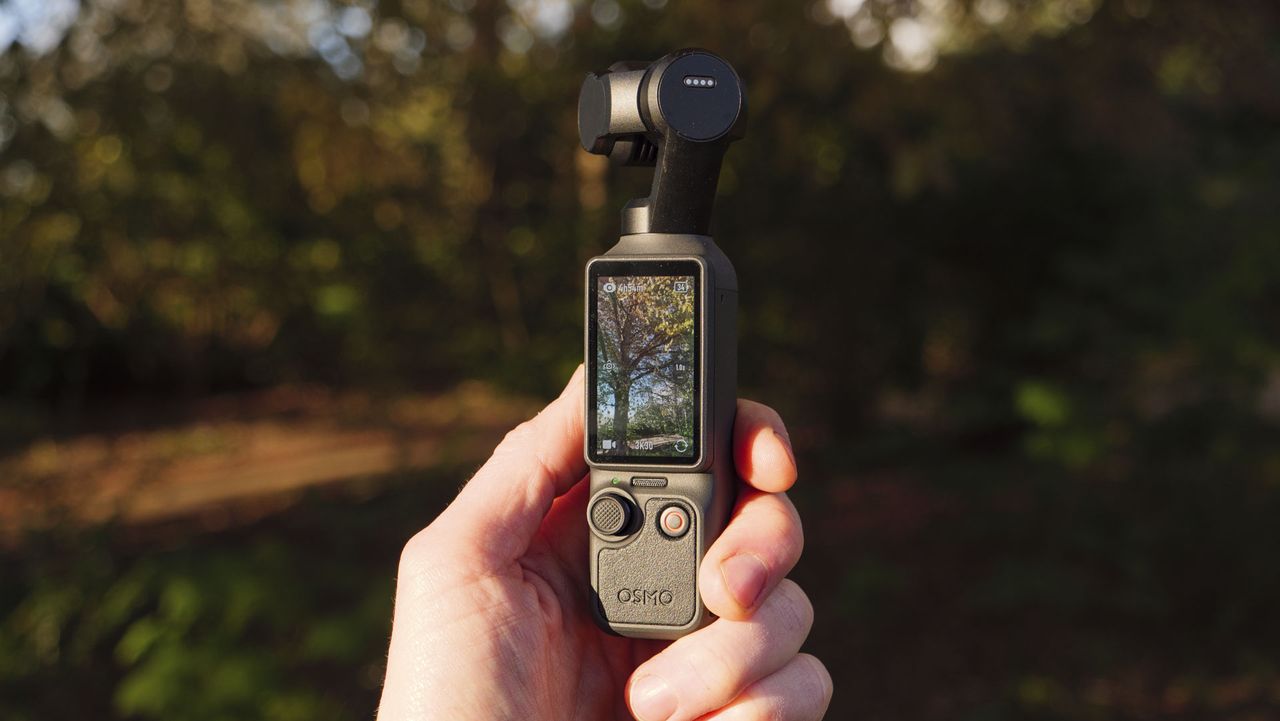
Image 2 of 6
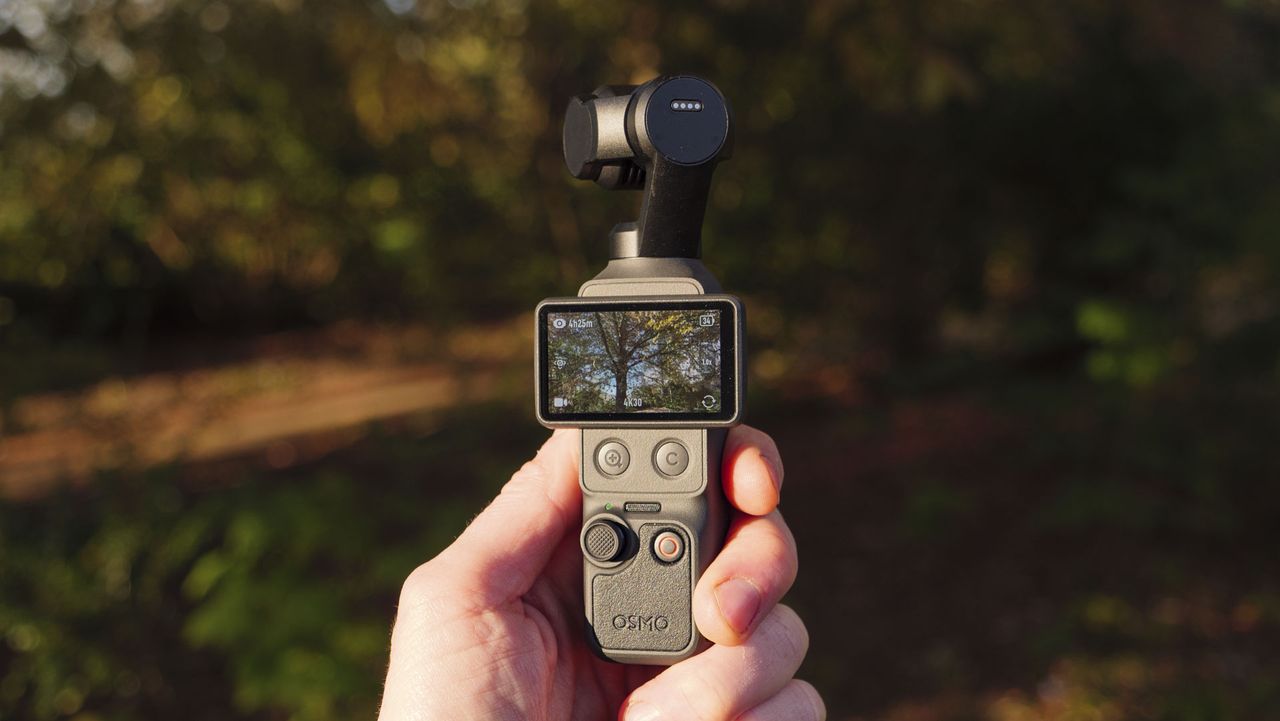
Image 3 of 6
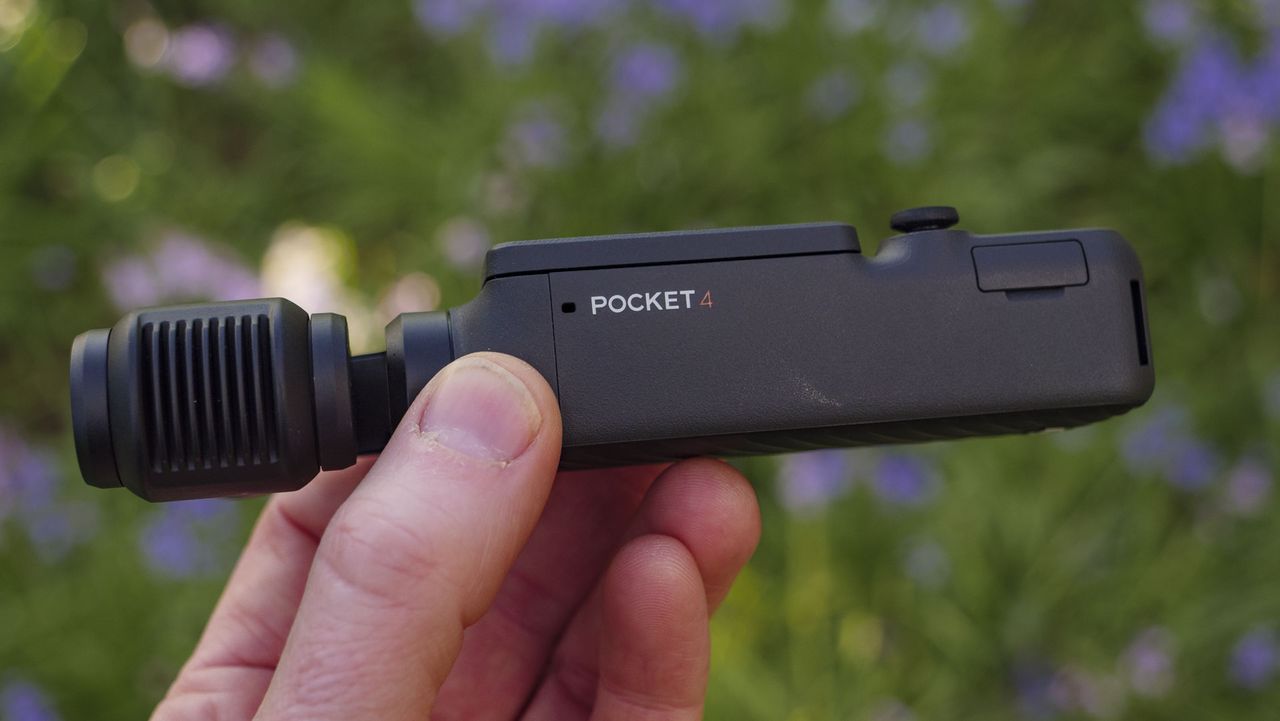
Image 4 of 6
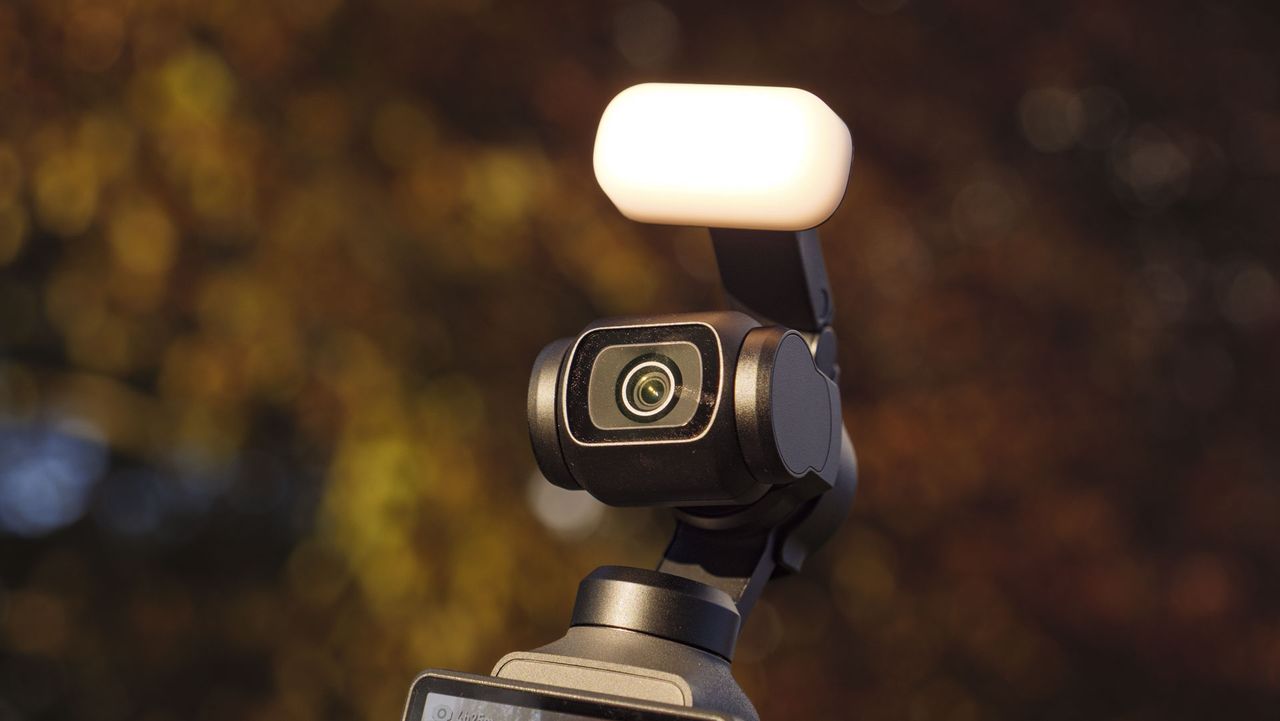
Image 5 of 6
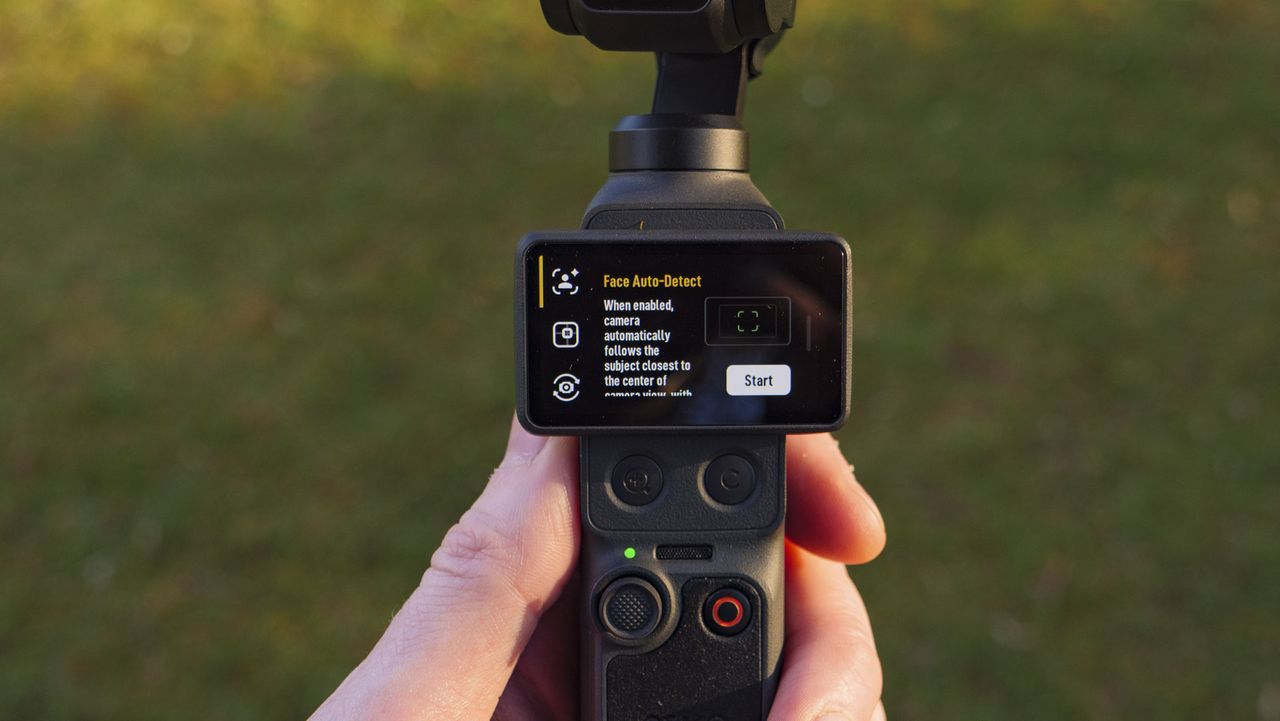
Image 6 of 6
The best for vlogginf
Specifications
Camera type:
Sensor: 1-inch sensor
Resolution: Up to 37 megapixels (SuperPhoto mode, 1:1 aspect ratio), 33 megapixels (16:9 aspect ratio)
Video: 4K video up to 240fps, 1080p up to 240fps
Lens: 2x lossless zoom
Viewfinder:
Screen: Rotating rear screen, flips 90 degrees for horizontal/vertical recording
Monitor:
Continuous shooting:
Movies:
User level:
Continuous shooting speed:
Recommended ages:
Film size:
Reasons to buy
+
Superb 1-inch sensor for stills
+
Ultra-high 64MP image resolution
+
10-bit color, 14-stop RAW dynamic range
+
Pocketable with tactile, simple controls
Reasons to avoid
-
No optical super-zoom
-
Not fully waterproof without a housing
Buy it if:
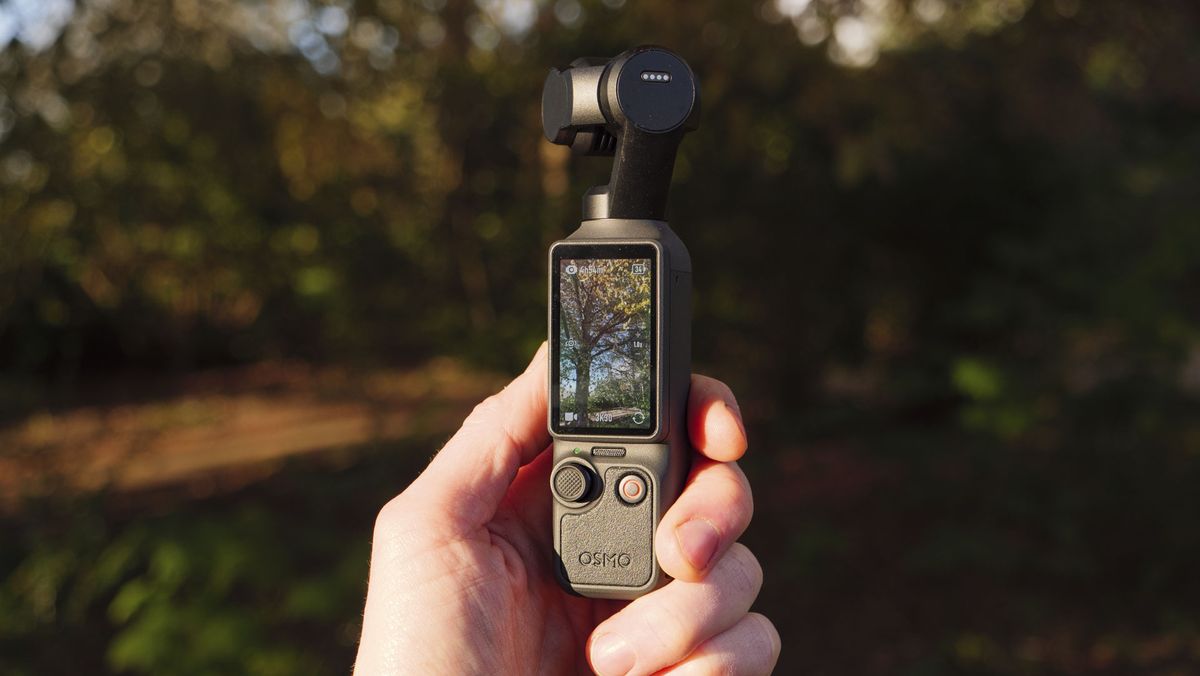
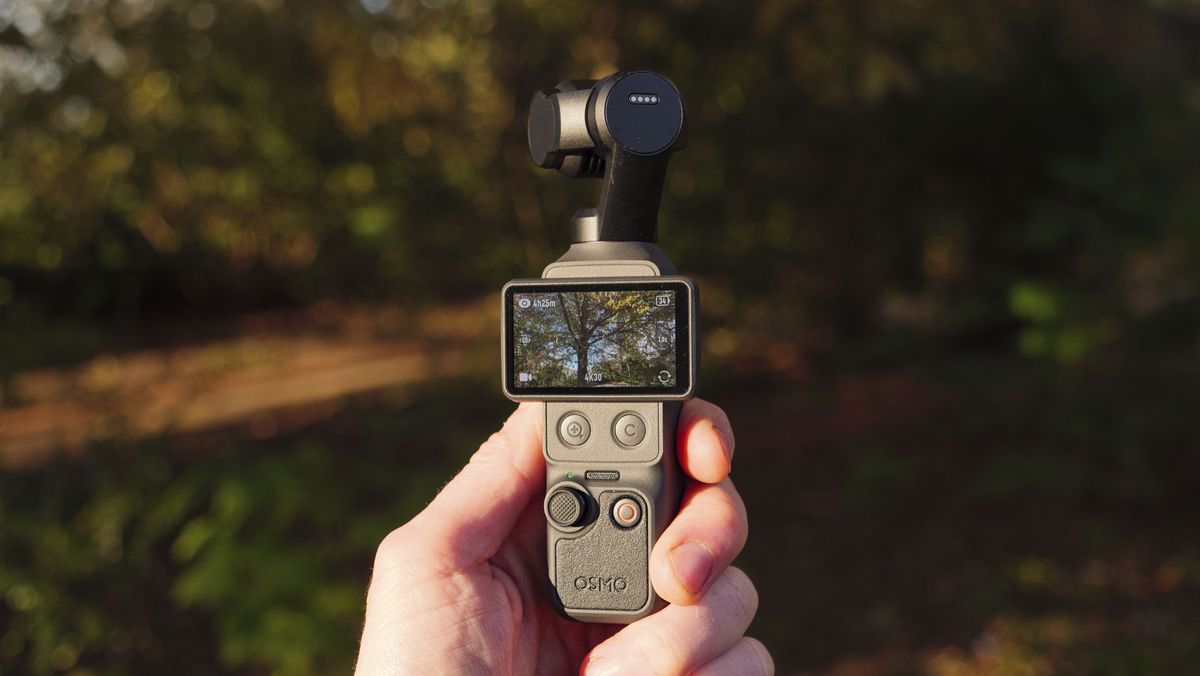
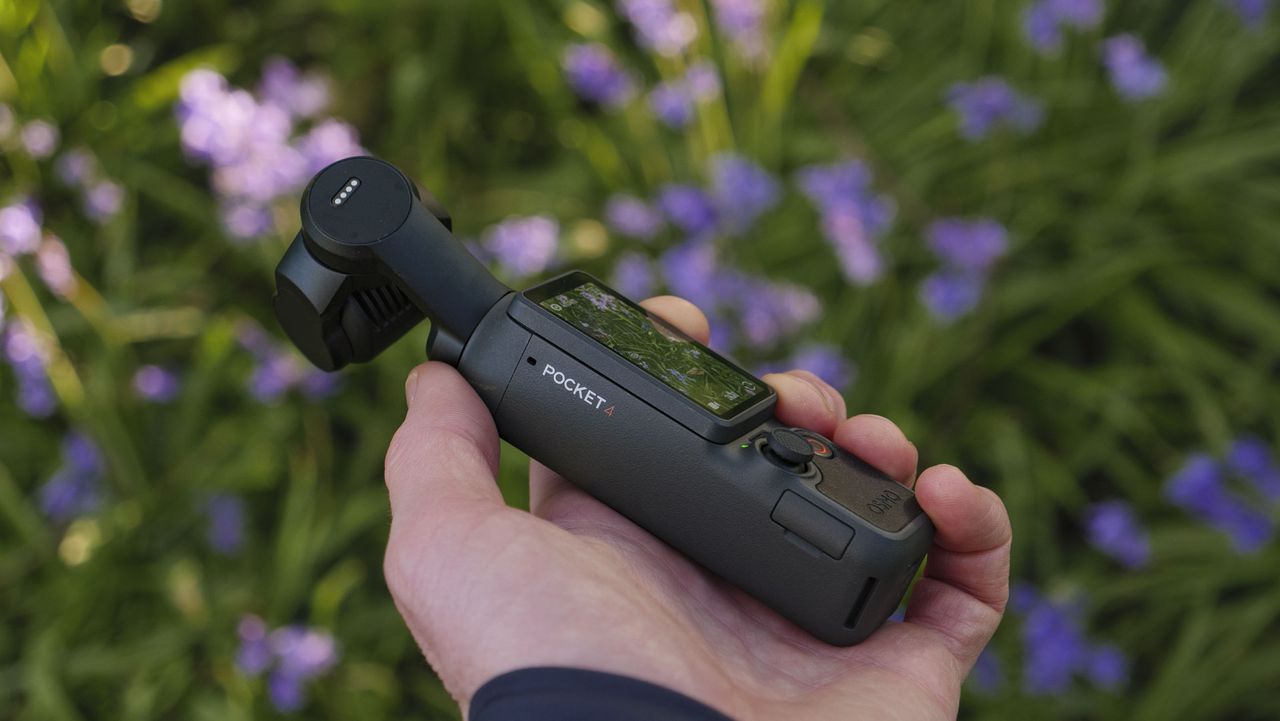
✅ You shoot for multiple platforms: The rotating rear screen makes it incredibly easy to flip the camera between horizontal recording (for YouTube) and vertical recording (for TikTok or Reels). ✅ You carry your camera everywhere: We found the Osmo Pocket 4 genuinely pocketable with tactile, easy-to-use controls, making it a perfect everyday carry for photographers focused on stills.
Don't buy it if:
❌ Stills are your only focus: While it takes excellent 64MP stills, you are paying a premium for its gimbal and video-centric features. If you never shoot video, a traditional compact might suit you better.
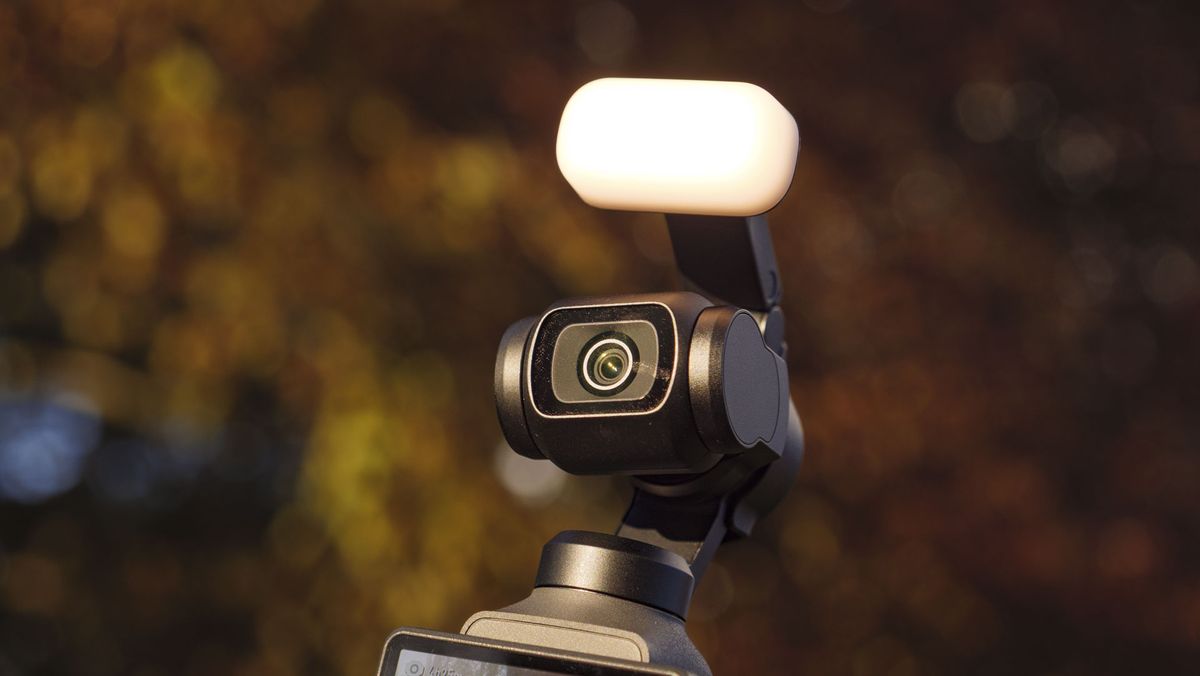
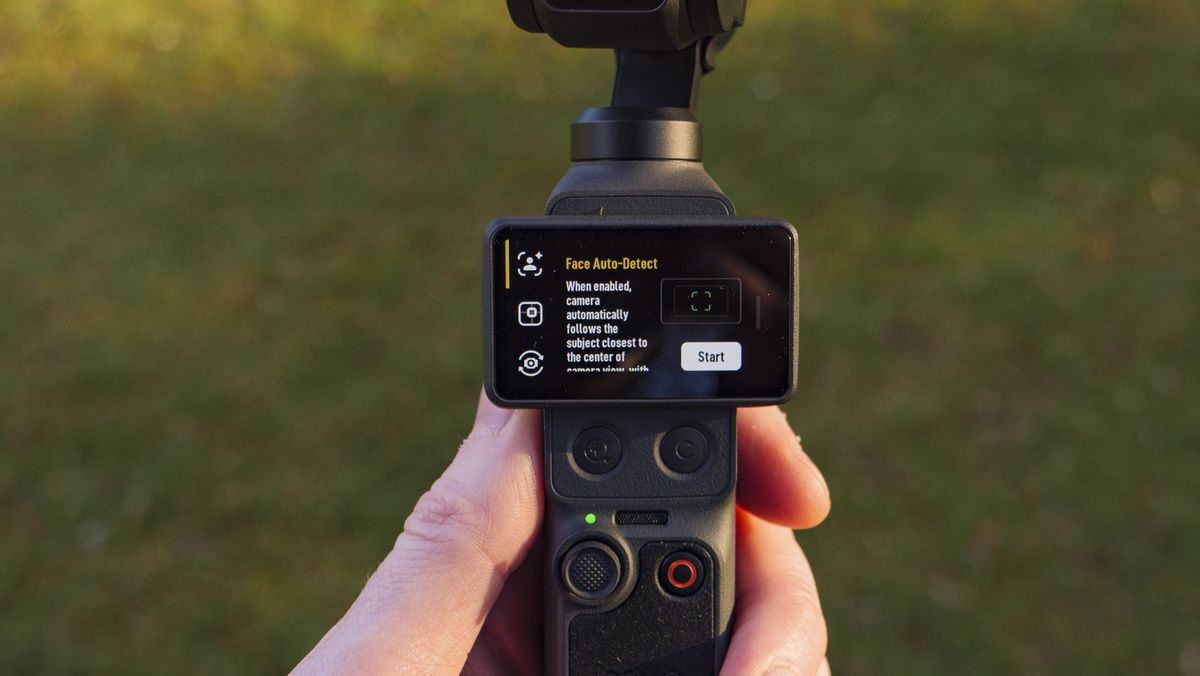
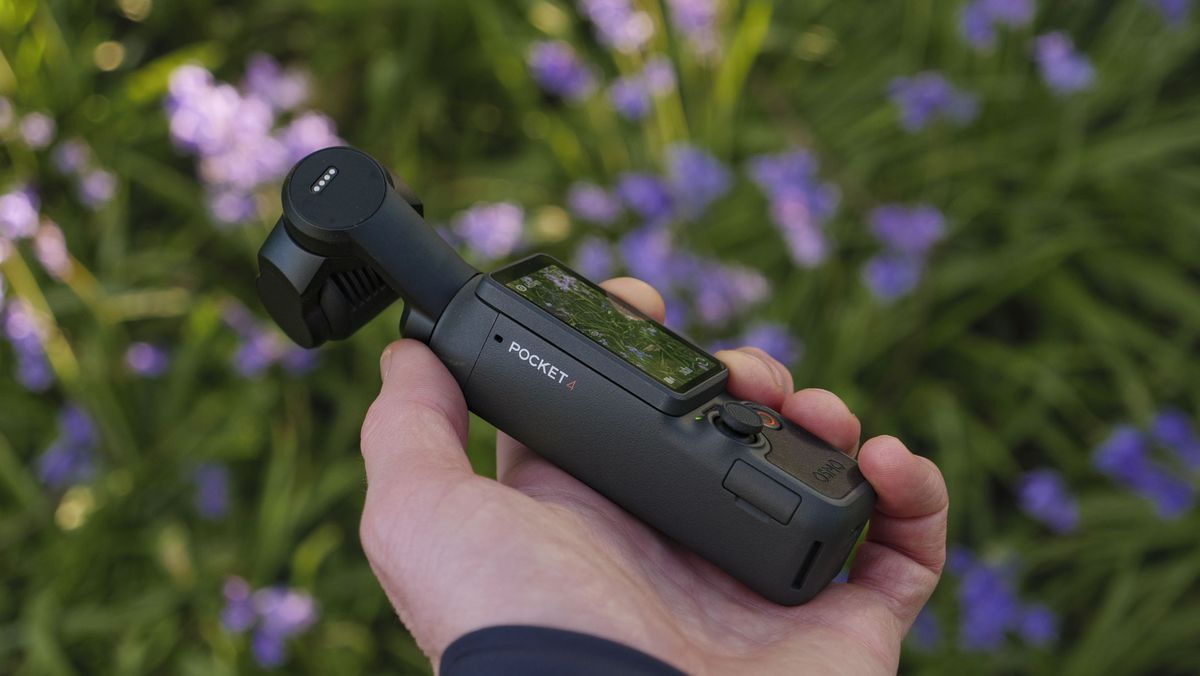
The Osmo Pocket 4 is built for content creators and image quality obsessives. While its built-in gimbal makes it a peerless vlogging camera, its 1-inch sensor, 10-bit color capture, and 14 stops of dynamic range mean it delivers surprisingly spectacular still photos, too. For hybrid shooters who want pocket-sized portability without sacrificing fidelity, these technical strengths set the Osmo Pocket 4 apart.
While rivals like the Panasonic ZS99 / TZ99 and Sony RX100 VII focus on super-zoom versatility or fast autofocus for moving subjects, the Osmo Pocket 4 leans into pure imaging horsepower and stabilized run-and-gun video. You won’t get a long optical zoom, but none deliver the same level of silky-smooth 4K video straight out of your pocket.
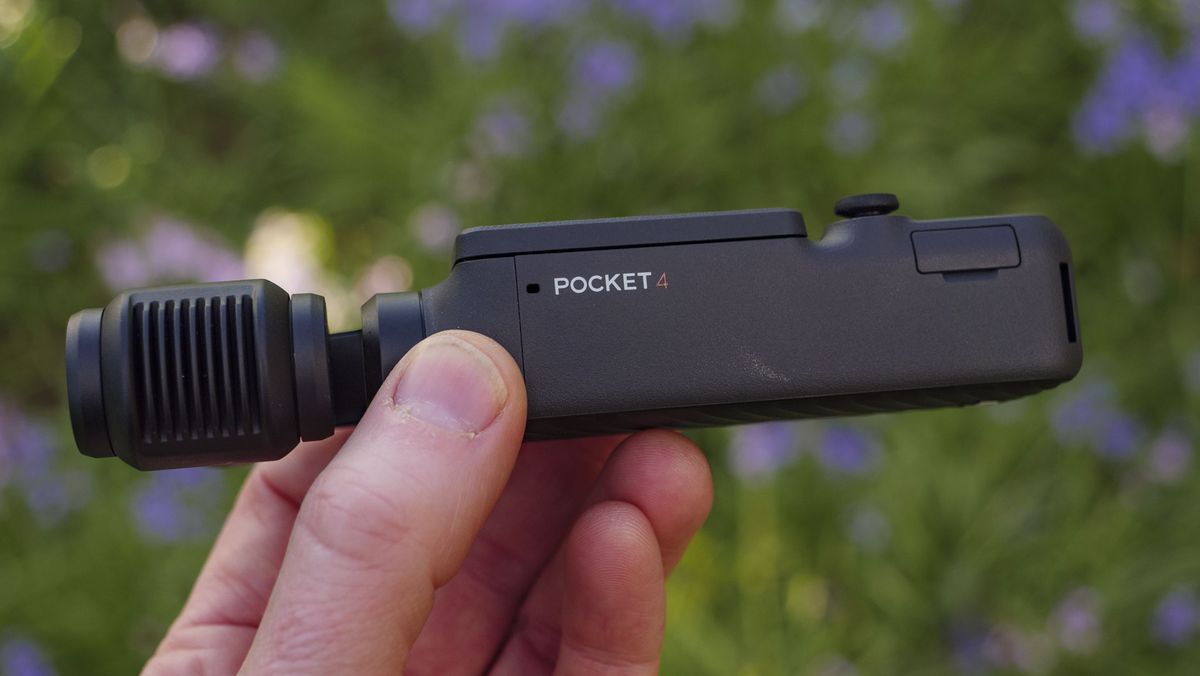
Day-to-day, the Osmo Pocket 4’s compact size and tactile, straightforward controls make it easy to operate one-handed. The trade-off: it’s not as rugged as traditional action cameras like a GoPro and won’t suit those who prioritize maximum zoom flexibility. But for video-first creators who care most about fidelity and want a versatile camera always on hand, this is the top choice in its class.
Also consider
I and the team have reviewed a lot more point-and-shoots than the ones included in this shortlist. There are several honorable mentions I'd suggest considering below. There's also a lot of overlap with my , so do check that out too.
Best for video – : A solid pick for vloggers and content creators who want something pocketable, the ZV-1 II offers a flip touchscreen, good wide-angle zoom lens and decent built-in microphone, but the lack of built-in stabilization or external mic support is puzzling.
Best hybrid Canon – : Impressive on both video and photo fronts, this latest version of Canon's evergreen G7 X offers great handling, autofocus and stabilization, plus a mic port for hooking up external audio.
Best travel zoom – : Formerly topping this guide, the TZ200 drops to the also consider section because it's no longer available new. However, look for it secondhand because it's Panasonic's best travel zoom camera, with a sensible image quality / optical zoom mix
Best hybrid instant – : If you'd like a compact digital point-and-shoot that doubles up as an instant camera thanks to its built-in printer, I recommend the Instax Mini Evo.
Best for enthusiasts – : If you're a hobbyist photographer looking for a tiny but capable point-and-shoot, the Panasonic Lumix LX100 II should definitely be on your shortlist. It squeezes a Micro Four Thirds sensor into a compact body, together with a 24-75mm f/1.7-2.8 lens. You don’t get a tilting touchscreen, but the feature list is otherwise generous.
Best looking point-and-shoot – : If design is your thing, the D-Lux 8's drop dead gorgeous looks are minimalist perfection – and its image quality isn't bad either.
Best bridge camera – : Hardly small, but featuring a mega zoom lens and superb speedy performance, the RX10 IV is the best bridge camera available by a country mile.
Best point-and-shoot action – : Action cameras aren't known for the photo-making skills, rather video, but the Hero 13 Black can double up thanks to its decent 27MP stills.
Meet the team
Why you can trust my judgement
Every point-and-shoot in this guide has been tested extensively by me or another of TechRadar’s expert reviewers. My team has assessed hundreds of cameras over the past 20 years, including dozens of compact models from brands like Panasonic, Sony and Canon.
Why you can trust TechRadar
☑️ 100s of cameras reviewed ☑️ 15 years of product testing ☑️ Over 16,000 products reviewed in total ☑️ Nearly 200,000 hours testing tech
Entry-level or premium, each camera is tested in real-world conditions. My aim is to see how it performs in the kind of scenarios that point-and-shoots are made for, from holidays to street photography. I focus on factors such as image quality, zoom range and battery life. I also look at accessibility for users of different skill levels, as well as how each model compares to today’s best smartphones.
My recommendations are based on genuine first-hand experience and every model here has earned its place on merit. The idea is to give you confidence and clarity when choosing your next point-and-shoot.
Real-world tests are the most revealing way to get under the skin of the best point-and-shoot cameras. That said, I also conduct standardized tests where possible for factors like ISO performance.
I'll use it both handheld and, if possible, on a tripod to get a sense of where its strengths lie, and test its startup speed. I also use a formatted SD card and shoot in both raw and JPEG (if available), testing its burst shooting and buffer performance.
For autofocusing, I use the different autofocus modes on hand in single point, area, and continuous modes. Naturally, I'll take a look at how accurate and reliable its metering is, how well it handles noise, and how well it minimizes things like fringing and distortion. Its video shooting skills are tested as well by shooting some test footage at different frame-rates and resolutions.
I also look at the camera's design, handling, and user interface while getting a sense of what kind of photographer it's most ideal for. Battery life is tested over the course of the day, with the screen set to the default settings. Once the battery has reached zero, I'll then count the number of shots to see how it compares to the camera's CIPA rating.
Once all is said and done, I take all the data and everything I've learned about the point-and-shoot camera and compare it to its price tag to see if it offers great value for your money.
My team of reviewers has amassed many years of camera experience and testing, covering all of the latest and greatest cameras in the last 20 years, and can all appreciate the benefits of a dedicated camera like a digital compact versus simply using a smartphone.
How to choose the best point and shoot camera
Which brand of point-and-shoot is the best?
Traditionally, the best point-and-shoot camera brands have been Panasonic, Sony, and Canon. And while all three have largely stopped making budget models due to the rise of smartphones, they collectively make the best user-friendly, pocketable cameras you can buy (outside of the phone world). This is reflected in my list above. What Lumix, Cyber-shot and Powershot cameras lack in computational photography skills, they more than compensate for with high-quality optics, large sensors, handling and, in some cases, impressive zooms. Sony, Panasonic and Canon also make the best bridge cameras around. If you have a more specialist need, like a super-rugged cameras for stills or video, that's when other brands come into play. Olympus (now OM System) has great heritage with its Tough series, currently topped by the TG-7. And GoPro continues to be the best point-and-shoot experience around for video creators who need some rugged and waterproof for outdoor adventures.
What is the biggest drawback of point-and-shoot cameras?
Nearly all point-and-shoot cameras were made in a time before the rise of smartphone computational photography, which really started taking off with the Google Pixel 4 in 2019. This kind of image processing, which involves intelligently combining multiple frames, was fueled by super-powerful mobile chipsets that simply aren't available to the traditional camera brands, whose heritage is instead in hardware and lens design. This means that the biggest drawback of point-and-shoot cameras, compared to phones, is their lack of in-camera processing. The photos they produce are often more natural as a result, lacking the saturated or hyper-real HDR look that some phones tend to prefer by default. But point-and-shoot cameras can also struggle to match the balanced shots that phones manage when they effectively stack multiple exposures of the same scene. You can achieve similar effects yourself by shooting in raw and editing the images later using software like Photoshop or Snapseed, but this is less of a point-and-shoot experience. This means that point-and-shoot cameras often fair worse than smartphones in challenging lighting conditions, but can still outshine them when you play to their strengths (for example, when using optical zoom on distant subjects, or a bright lens to produce natural bokeh).