Image attribution: Samsung.
A new leak sheds fresh light on the Samsung Galaxy Aero smartwatch
The device might ditch Wear OS and use the RTOS operating system instead
It could fix some of the mistakes of the Samsung Galaxy Watch FE
It’s safe to say that we weren’t huge fans of the , with our reviewer scoring it a measly two stars and branding it “one of the most confusing smartwatches I’ve ever tested.” Yet despite the disappointment, a new leak suggests that is going to take another stab at the entry-level smartwatch market — but the result might look very different.
The latest hints come from , which investigated the and apps to uncover hints of what might be to come. And according to the news outlet, the forthcoming device could take the form of a new Samsung watch dubbed the Galaxy Aero.
What’s interesting about this product is that, unlike many of the , it might not run on . Previous reporting from found hints pointing towards the use of RTOS, or ‘real-time ,’ as Samsung software contained references to ‘Galaxy Aero’ and ‘galaxy_rtos_watch.’ The implication here is that these devices were the same product.
RTOS is the platform that devices run on and is a far more lightweight system than Wear OS. If RTOS ends up powering the Galaxy Aero, it would suggest that the product will be at the lower end of Samsung’s wearable spectrum.
Further investigation from Gadgets & Wearables suggests that several Samsung apps and services have the capability of handling RTOS and devices that use it. And it’s that capability that supposedly opening the door for the Galaxy Aero.
Righting the wrongs of the past
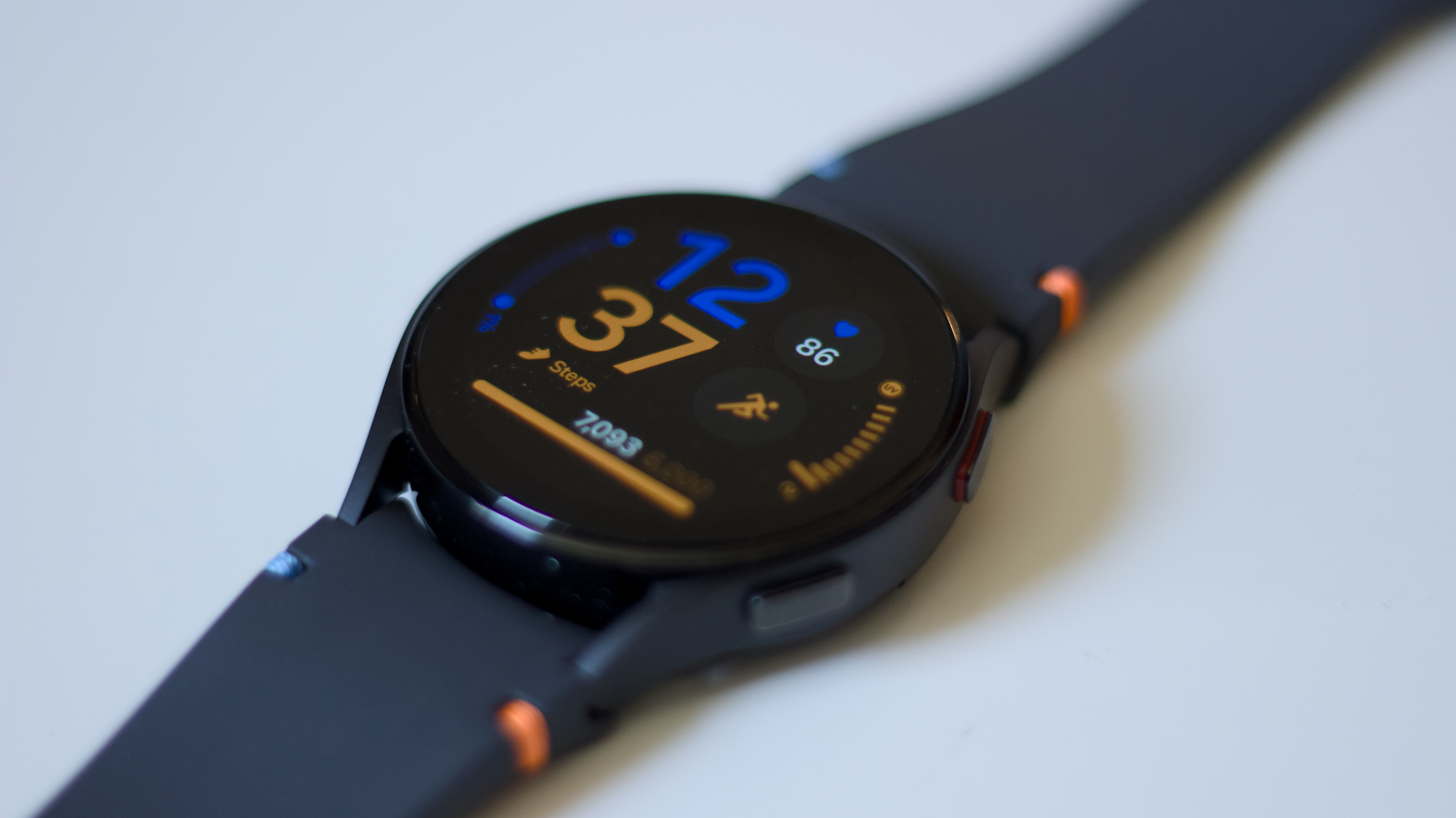
(Image credit: Future)
One of our main criticisms of the Samsung Galaxy Watch FE was that it was strangely positioned — at the time, it offered worse performance than the Samsung Galaxy Watch 6, despite being available to buy for the same price or more. With the Galaxy Aero, that uncomfortable quirk might be remedied.
That’s because SamMobile suggests it could be priced below the Watch FE, making it a more sensible proposition for a . If true, that could make it much less of a tough sell.
And there’s another consideration. By using RTOS instead of Wear OS, Samsung could conceivably cut down on battery usage, solving another major problem with the Watch FE. It would mean making some compromises, with limited support for the and third-party apps both possible. But if Samsung can keep the cost down, it’s likely that many users won’t mind.
If Samsung makes that move, it would join rivals like Amazfit and Huawei in launching an affordable fitness tracker that doesn’t rely on Wear OS. Whether it can right the wrongs of the Galaxy Watch FE, however, remains to be seen.