Huawei Watch D3: One minute review
Two years after the Watch D2, Huawei has introduced its successor, the D3. The company's D series pioneered blood-pressure monitoring on smartwatches, giving users a straightforward way to follow the measurement without a separate monitor. The new model builds on that approach.
In my I gave the smartwatch an impressive 4.5 stars. I had high praise for the blood pressure monitoring and clever strap but was left underwhelmed by the bulky design, high price tag, and lack of smartwatch features. Huawei has gone some way to address these concerns, but not universally and in some ways not enough. As a result, the D3 isn’t yet one of the around, but as a medical-first device, it approaches and blends the lifestyle and medical aspects well.
The D3 is primarily a medical device rather than one of the or . That’s evidenced by its CE-MDR certification that is proudly presented on the watch’s product page. Its commitment to medical reporting means that at times Huawei is forced to prioritize function over form. This is the case with the blood pressure monitoring.
(Image credit: Future / Paul Hatton)
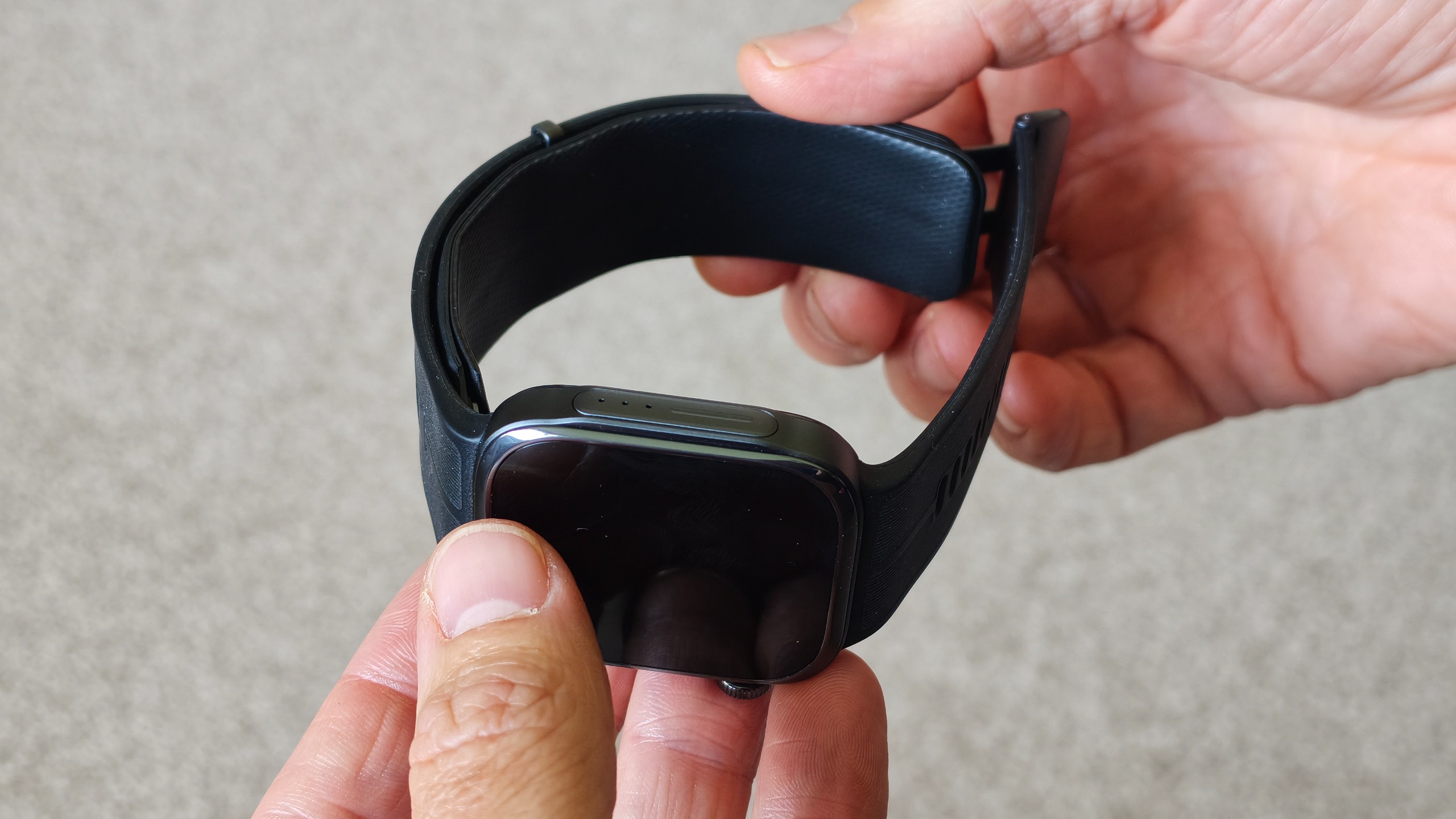
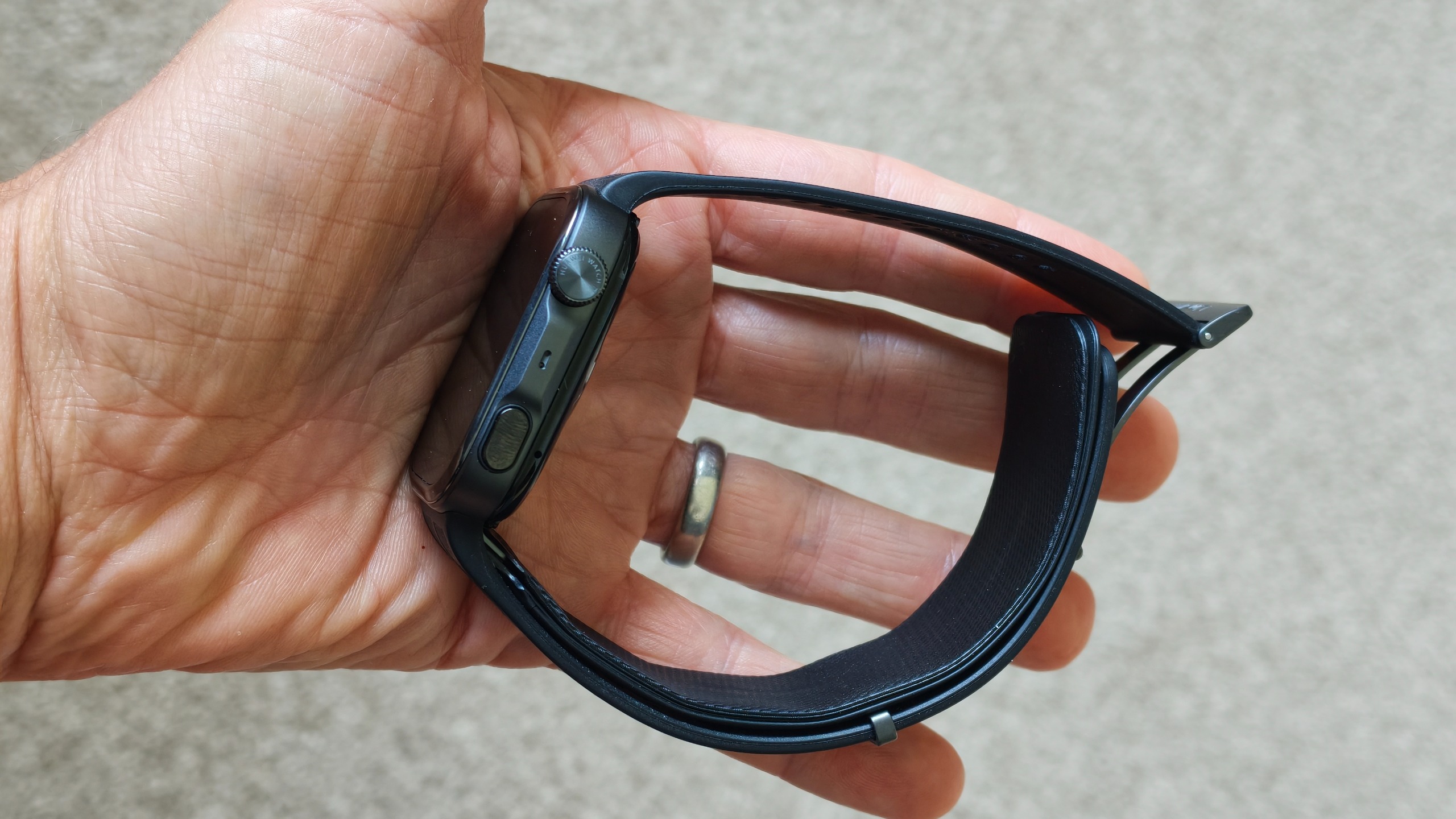
To be able to offer ambulatory blood pressure monitoring, the D3 has to feature a mechanical airbag and pressure sensor. This is attached to the inside of the strap, and even though Huawei has narrowed the thickness of the airbag compared to the D2, it still lacks the comfort of most other smartwatches that don’t have this onboard hardware.
In testing I didn’t have time to compare the D3 against a dedicated blood pressure cuff, but I was able to check it was in the same range as my expectations. The watch takes less than a minute to carry out the check, and all you have to do is place the watch at the same height as your heart and remain still.
Because single measurements are insufficient to determine trends, I used the auto-reminder feature to alert me so I didn’t forget to capture regular measurements. After doing this for several days, I was able to see how my blood pressure changed depending on the time of day and what my average performance was. In addition to this, it’s possible to easily generate a report to share with your GP from within the Huawei Health app.
(Image credit: Future / Paul Hatton)
Blood pressure monitoring is the D3’s magic trick, but the watch offers other health tracking, including pulse wave arrhythmia analysis and beat-by-beat ECG. During testing, I experienced repeated poor signal issues with the ECG measurements, but the arrhythmia analysis worked perfectly.
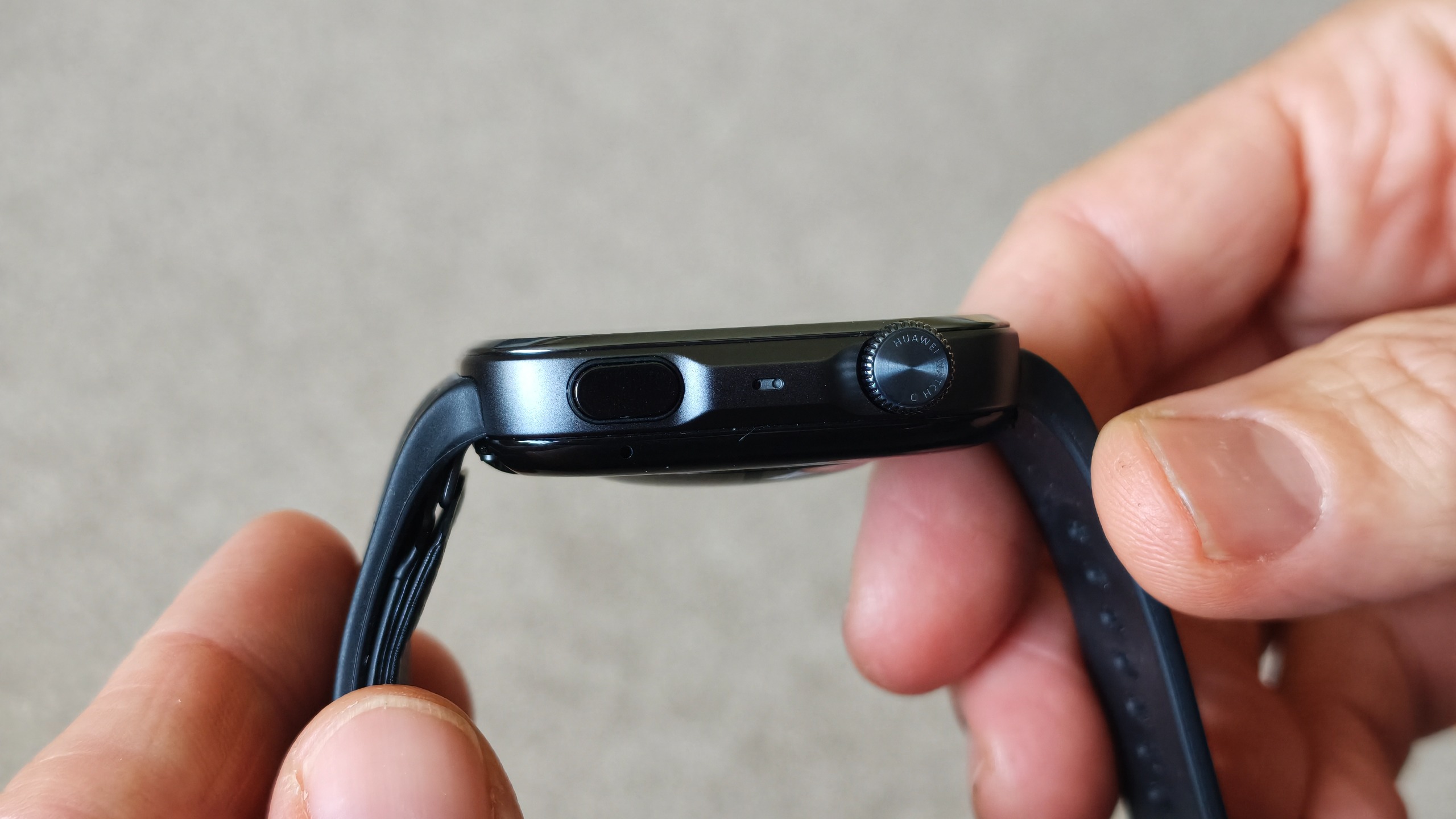
While I was working through the health metrics, I strapped on a dedicated heart rate monitor so I could carry out an independent comparison. Both devices reported identical rates, although the D3 was slightly slower to adjust to changes. Finding each health metric is simple and straightforward thanks to the rotating crown control, and the interface clearly guides you through the required steps to perform each one.
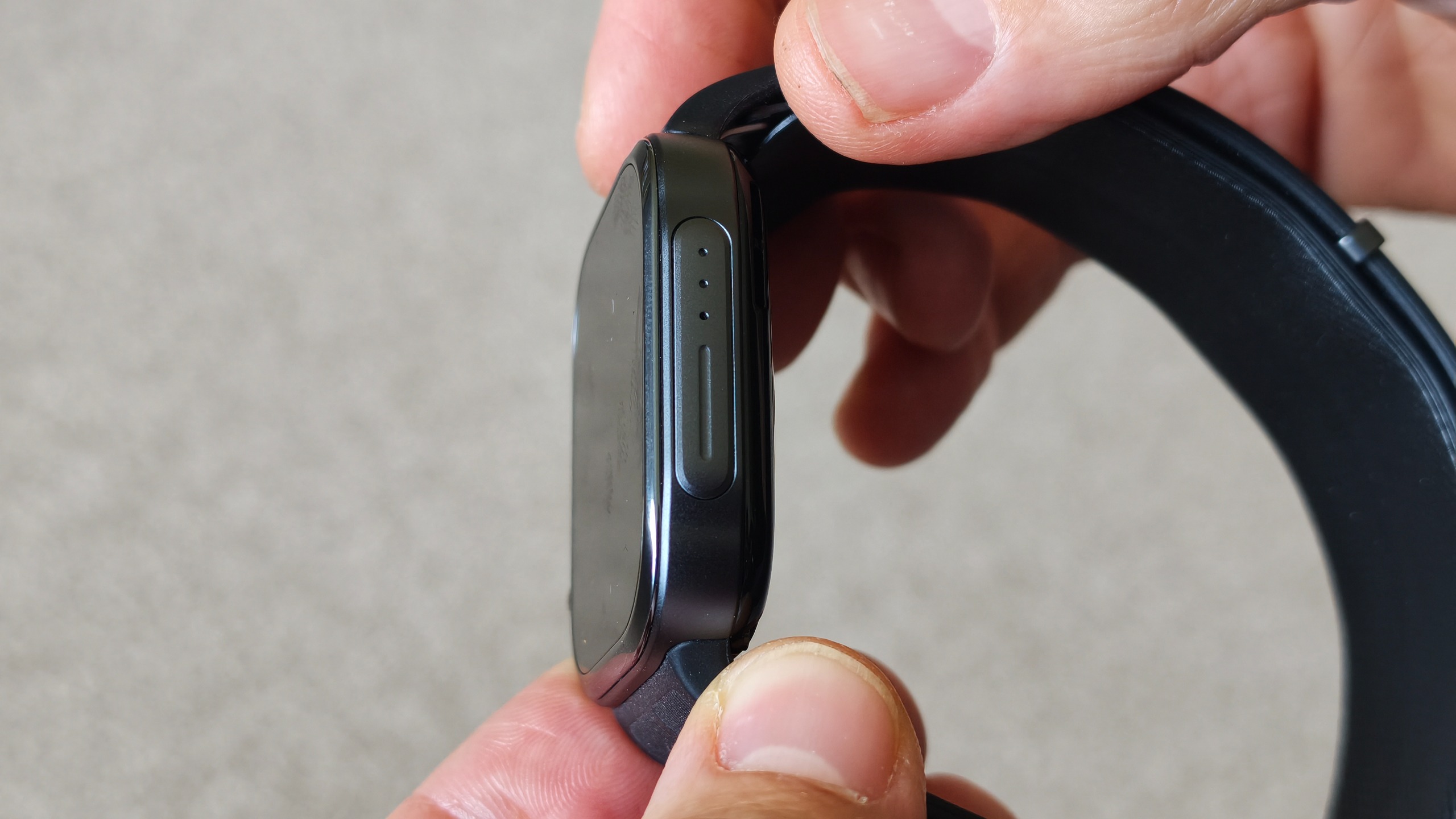
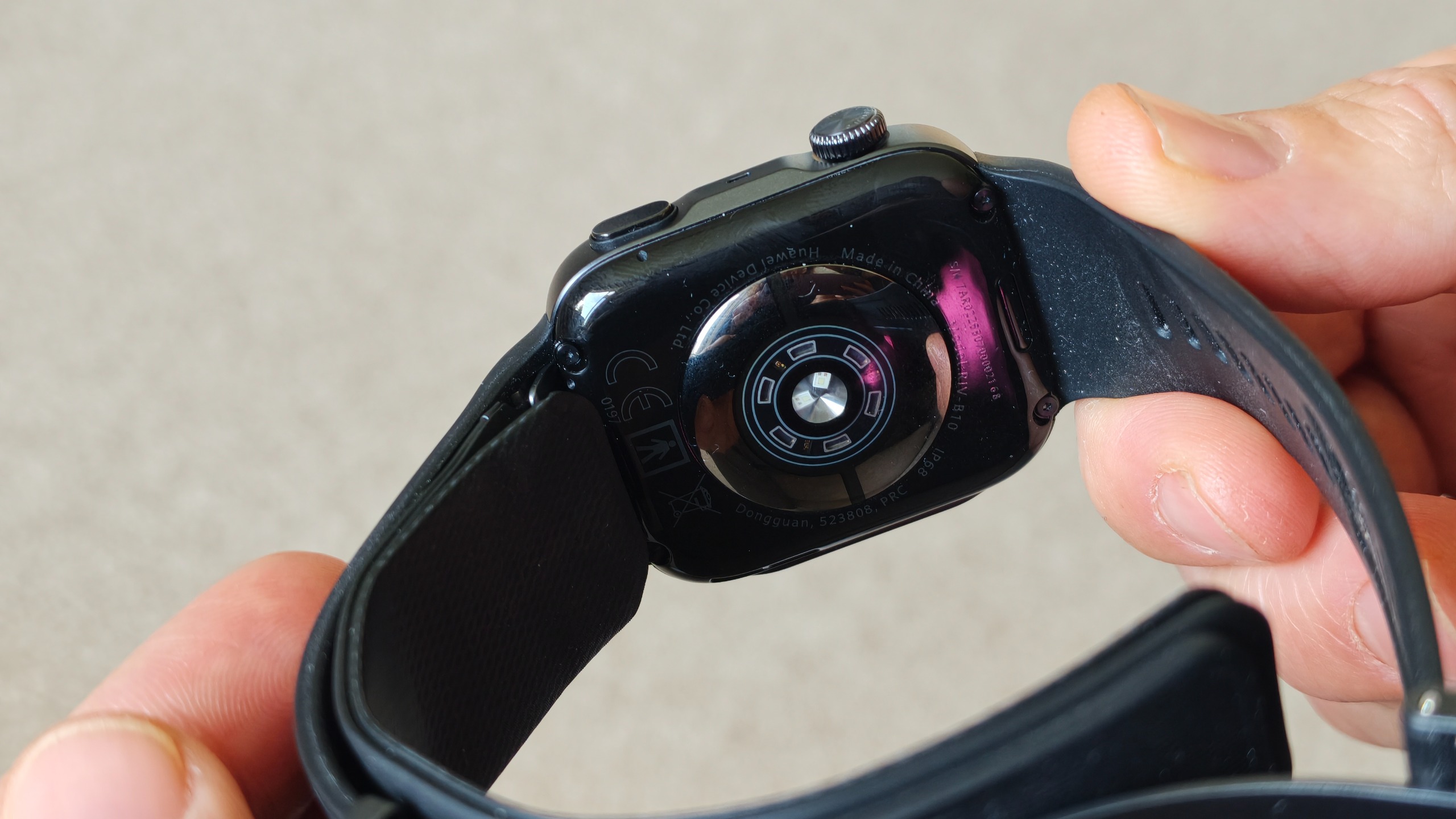
Huawei has worked hard to reduce the bulk of the watch, stripping off 2mm from the watch thickness and bringing it down to just 11.3mm. That’s pretty impressive, but unfortunately this measurement doesn’t take into consideration the sensor, which protrudes out the bottom, and despite its smooth surface, feels a little uncomfortable on the wrist.
(Image credit: Future / Paul Hatton)
The watch features an enlarged 1.92-inch AMOLED display with 3000 nits of peak brightness. It is colorful, vibrant, and looks fantastic, offering the same excellent visibility when used both inside and out. Unfortunately, there’s still a significant black strip between the edge of the display and the surrounding case, which results in a lot of dead space. An edge-to-edge display would look far better.
The D3 prioritizes medical reporting, but it also offers over 100 workout modes and a generous range of smart features, including notifications, Bluetooth calling, NFC payments, and voice note recording. These elevate the usefulness of the watch and make it a handy companion for everyday life.
I said earlier that I had an issue with the price of the D2, and Huawei has done nothing to make the D3 more affordable. In fact, it’s £50 more than its predecessor was at launch. The only thing that softens the blow is that if you purchase the watch before September 22, 2027, then you’ll get 10 months of Bupa Well+ health services.
It’s hard to get away from the fact that the D3 is focused on a very niche market. If you’re concerned about your blood pressure or would simply like to keep an eye on it, then the D3 is the perfect solution. The trade-off is a watch that is bulkier and slightly more uncomfortable than most other smartwatches of this size, but we have to give the D3 credit: when even Watches are focused on hypertension detection via LEDs, Huawei continues to back its unique cuff-based solution.
(Image credit: Future / Paul Hatton)
Huawei Watch D3: Specifications
Huawei Watch D3: Scorecard
(Image credit: Future / Paul Hatton)
Huawei Watch D3: Should I buy?
Buy it if...
You need a convenient way to track your blood pressure at home
It takes just one minute per test, and the app generates an exportable report that you can take to your GP.
You’re interested in more medical-related metrics
With pulse wave arrhythmia analysis and beat-by-beat ECG, the Huawei D3 offers more than most watches in this area.
Don't buy it if...
You have no interest in blood pressure monitoring
There are better smartwatches at this price point that offer a more well-rounded smartwatch experience.
You want a fitness tracker
If you’re a fitness enthusiast or runner, then a dedicated watch for these purposes will serve you better.
Also consider
Huawei Band 11 Pro
A better all-round fitness tracker that’s significantly more affordable. It also offers some medical measurements, including arrhythmia analysis and sleep apnea monitoring, but no blood pressure.
Read our
Apple Watch Series 11
Apple Watches feature a 'hypertension detection' feature, that can indicate trends over 30 days, but not instant blood pressure readings like Huawei's cuff.
Read our
How I tested the Huawei Watch D3
I wore the D3 for 72 hours, and during this time I performed every medical test that the watch offers. Despite not having time to compare the blood pressure results to a dedicated monitor, I was able to compare the heart rate readings to a heart rate monitor. I also used the D3 to keep on top of my notifications, check the weather, and record some voice notifications.
First reviewed: September 2026