Image attribution: Future.
The brand-new and the are reportedly the most accurate heart rate-tracking smartwatches on the market and the yet, largely thanks to the wearables' new Health Sensing System. A redesigned LED sensor array, the Health Sensing System is said to be more accurate than ever before, measuring active and resting heart rates up to 60 times more often than previous generations.
Considering all my tests with the had it cleaving remarkably close to an electrical heart rate monitor, I was ready to believe 's accuracy claims were true.
Barely an hour after I got my Series 12 review unit from Apple, I hit the gym and gave the smartwatch its first test drive. While I didn't have my heart rate monitor available, I did have the Fenix 9 Pro, so I strapped it onto the other wrist and tracked the same workout on both wearables.
The , an expensive do-it-all device that's stuffed with features and boasts highly advanced health tracking credentials. It uses Garmin's Elevate V5 heart rate sensor, which previously fell within around 5 bpm (in terms of average heart rate) . Hardly a significant margin of error for most people, and enough to give a good impression of your general fitness.
I was also interested in other statistics, like calorie counts, and how alike the two wearables' readings would be to each other.
The results
Image 1 of 2
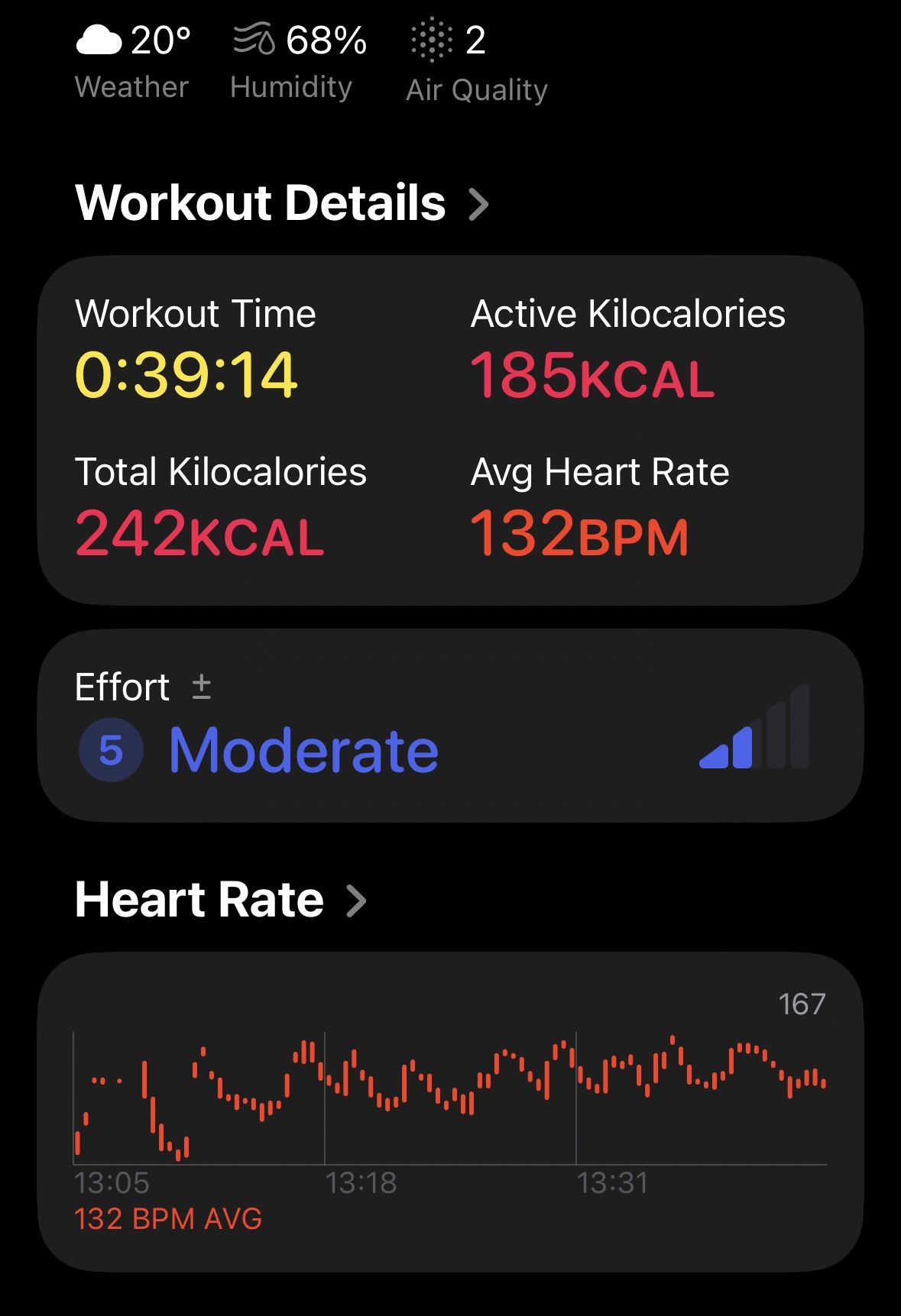
Apple Watch Series 12 (Image credit: Future)
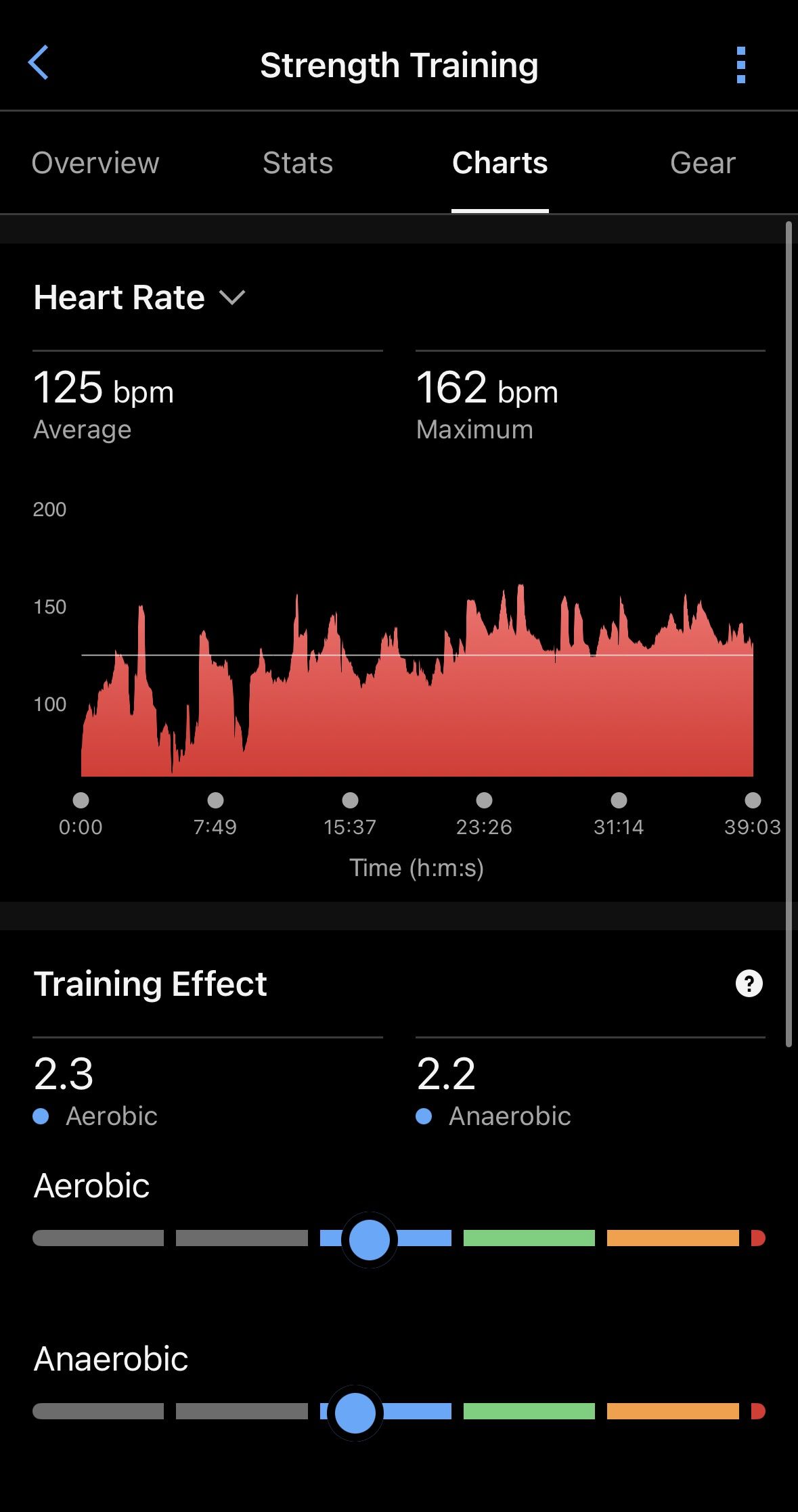
Garmin Fenix 9 Pro (Image credit: Future)
Image 1 of 2
Image 2 of 2
During my 40-minute strength session, my average heart rate was 125 bpm, according to Apple. According to Garmin, it was 132 bpm: a seven-point difference between the two wearables.
It's slightly outside my 5 bpm threshold for insignificant differences, but only just. My theory is that as I wear each watch more, their algorithms will tighten up, and I'll see closer results. It will be very interesting to compare both to an electrical .
However, the difference in calorie expenditure was more worrying. Garmin recorded a calorie expenditure of 340 kcal — meanwhile, Apple recorded 242 kcal as my total expenditure for the session. This 88 kcal difference is equivalent to one smallish apple, or a couple of spoonfuls of .
Calorie expenditure on a smartwatch isn't an exact science. One research paper said that 'proprietary differences in device algorithms and sensor design introduce another layer of variability, with comparative studies reporting an error of more than 20% in [energy expenditure] across widely used models.' So we should expect some deviations between watches, based on differences in algorithm, and it shouldn't matter so long as measurements on that device are consistent.
However, an 88 kcal difference is over that 20% margin for error, which is very interesting. Stay tuned: I'll be testing the Apple Watch Series 12 further, over longer workouts and against different wearables, to determine whether its accuracy claims hold water.