Image attributed to Future.
The best 40-to 43-inch TVs are not to be underestimated. They might not have the gargantuan screen heft of larger TVs, but there are plenty of great-looking sets available that won't take over your room. Plus, at this size, these TVs are exceptionally affordable.
Opting for a smaller screen size doesn't mean sacrificing functionality and quality, either. Even when compared to the or the , these 40, 42, and 43-inch picks provide resolution and (high dynamic range), meaning crisp visuals, bright colors, and all of the smart TV perks (like built-in streaming services) you'd expect from their larger cousins.
We think that the is the best 42-inch TV available today. It's an impressive upgrade from the popular C5, and boasts a wickedly bright display and plenty of gaming features. If you're looking for a bargain, the 43-inch packs impressive performance into a modest price tag.
Finally, it's well worth noting that the TechRadar team tests all of the TVs we feature. We dig into their brightness, color accuracy, and overall picture performance, all while keeping their price in mind. So, regardless of the budget you're working with, you'll find the best 40-to-43-inch TV upgrade in no time.
The best 40-43-inch TVs
Why you can trust TechRadar We spend hours testing every product or service we review, so you can be sure you're buying the best.
The best 40 - 43-inch TV for most people
Image 1 of 6
(Image credit: Future)
(Image credit: Warner Bros. / Future)
(Image credit: Future)
(Image credit: Future)
(Image credit: Future)
(Image credit: Future)
Image 1 of 6
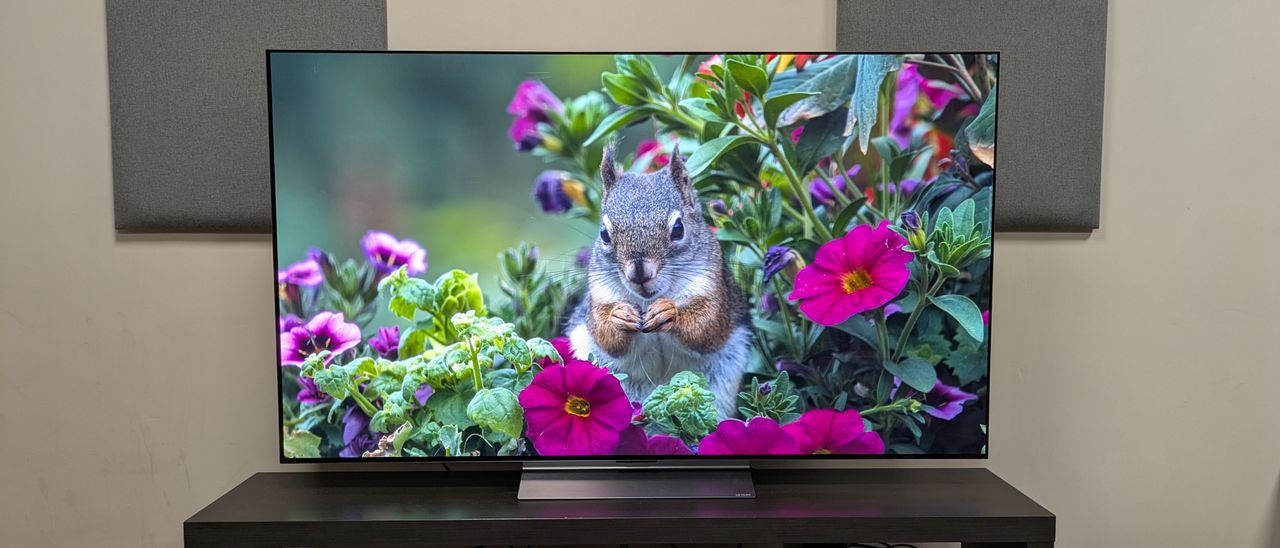
Image 2 of 6
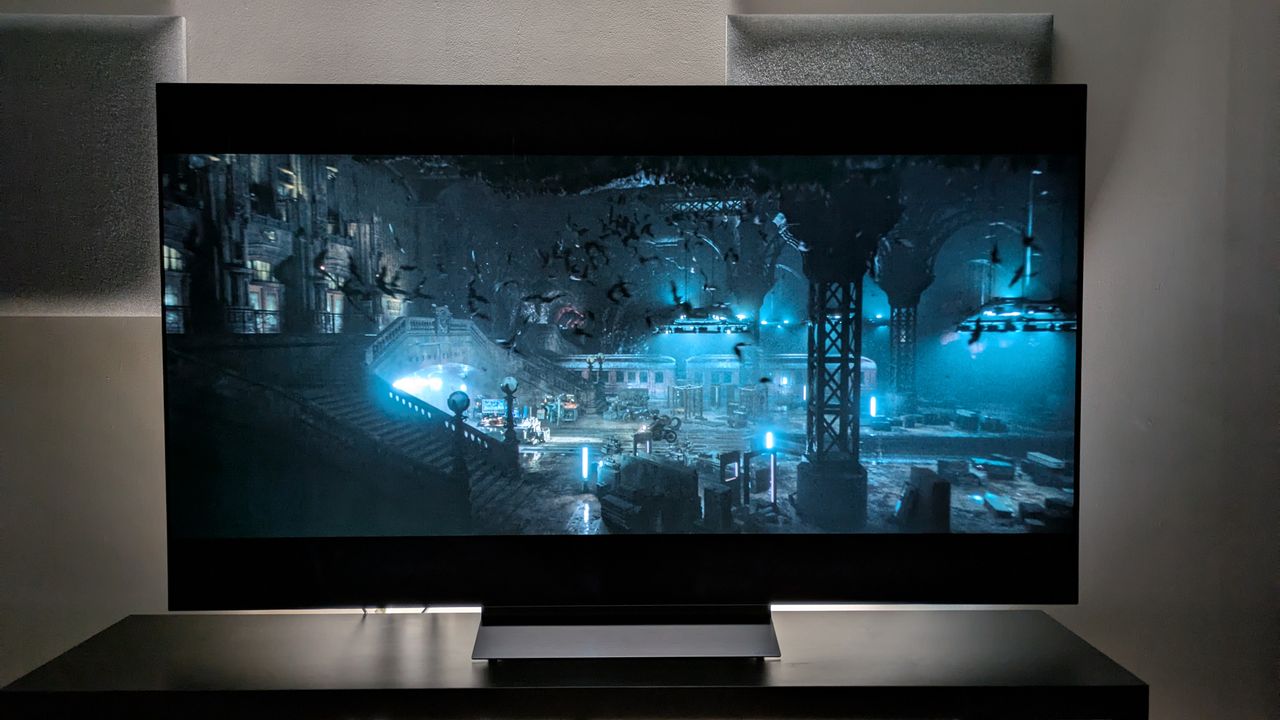
Image 3 of 6
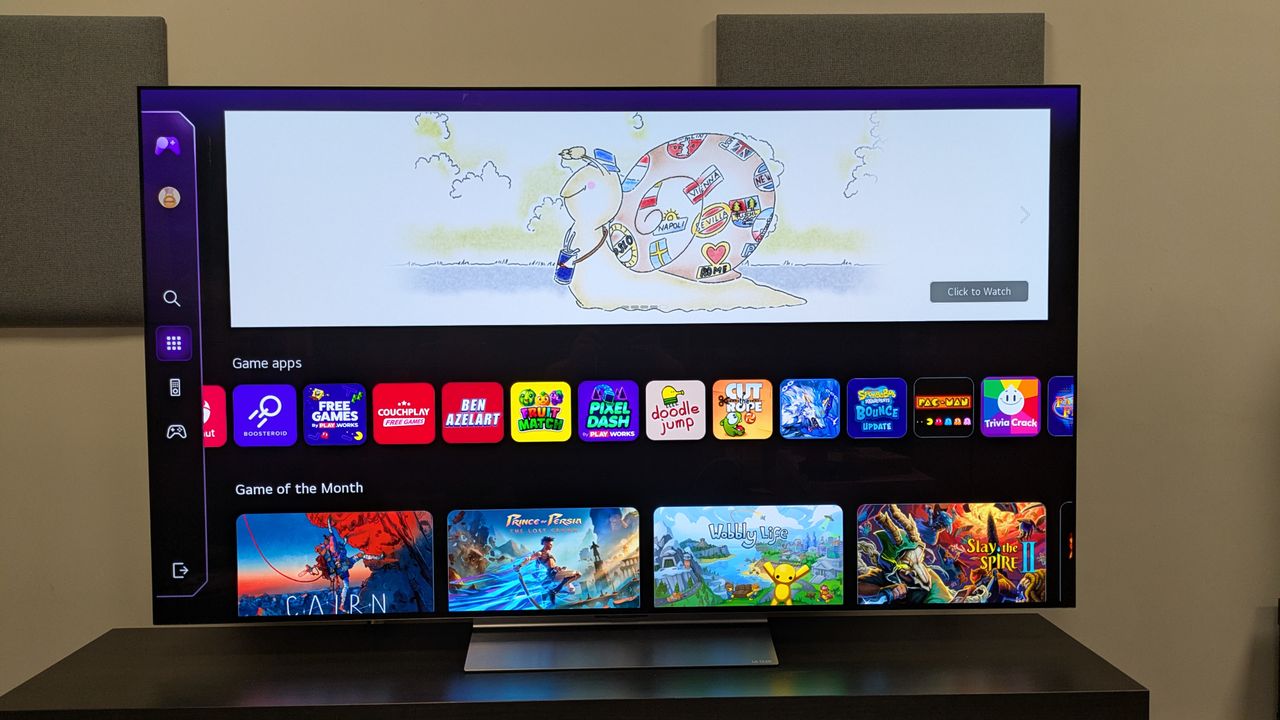
Image 4 of 6
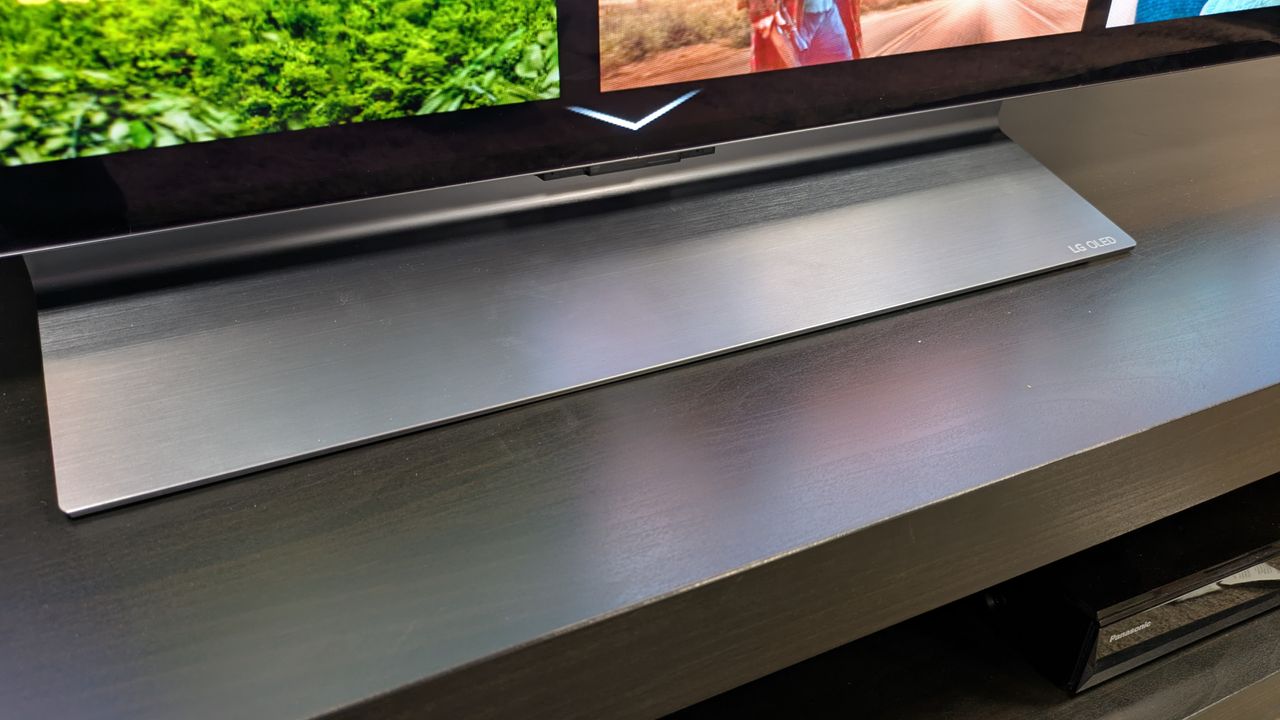
Image 5 of 6
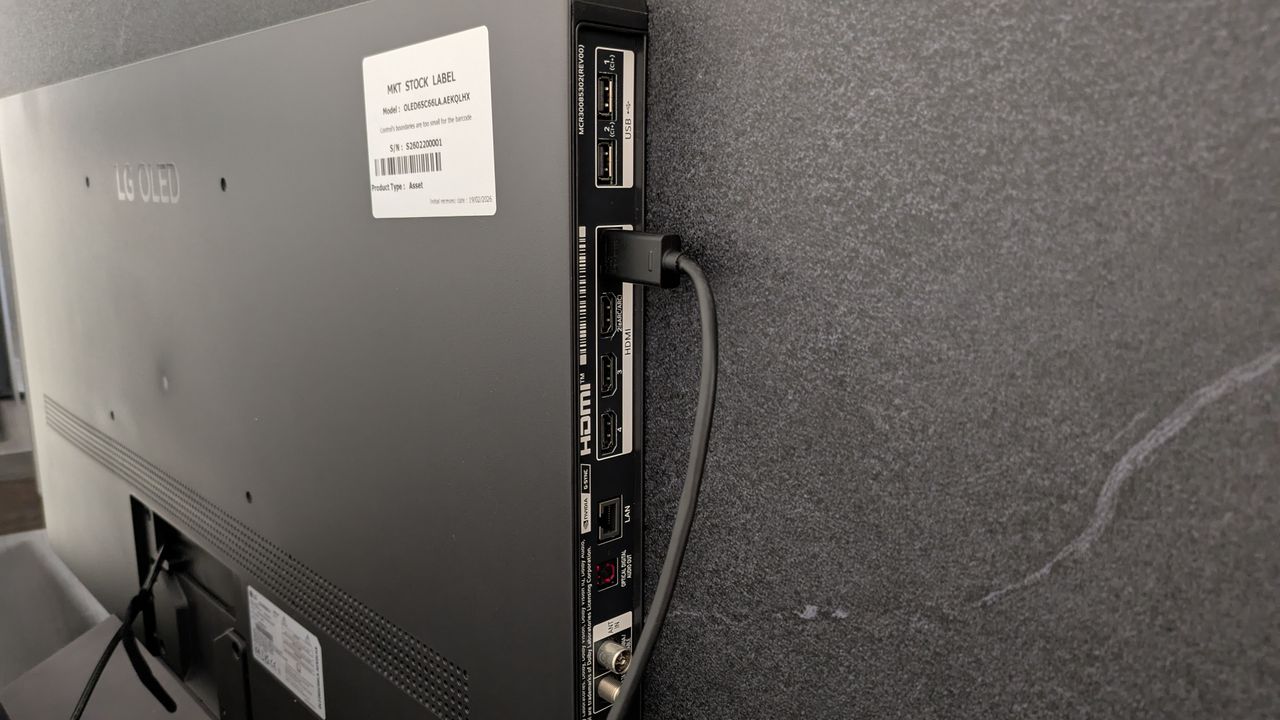
Image 6 of 6
The best 42-inch TV for most people
Specifications
Screen size: 42 inches
Resolution: 3840 x 2160
Panel type: OLED
Smart TV: webOS 26
Dimensions: 932 x 540 x 40.6mm
Reasons to buy
+
Outstanding image quality
+
Tons of gaming features
+
New processor is faster, boosting brightness
Reasons to avoid
-
Reflective screen
-
Some banding issues
-
Lacks support for HDR10+ and DTS
Buy it if:
✅ You want top-tier picture quality: The C6 impressed us with fantastically punchy colors and true-to-life detail, even in darker scenes. ✅ You need a compact gaming TV: Measured input lag of 9.2ms at 4K 60Hz with full VRR support (including FreeSync and G-Sync) means the C6 is ready for fast-paced gaming.
Don't buy it if:
❌ You watch in a bright room: The C6's glossy OLED panel can suffer from reflections – if your room is flooded with sunlight, glare may be an issue.
❌ You rely on built-in TV speakers: Audio is serviceable for day-to-day use, but we still recommend a soundbar for cinematic movies or gaming.
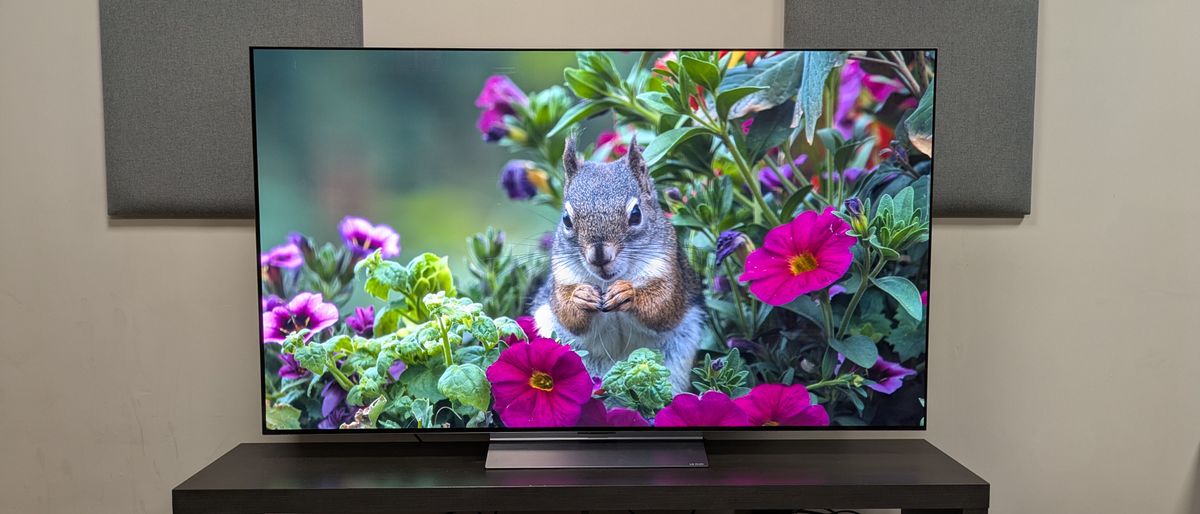
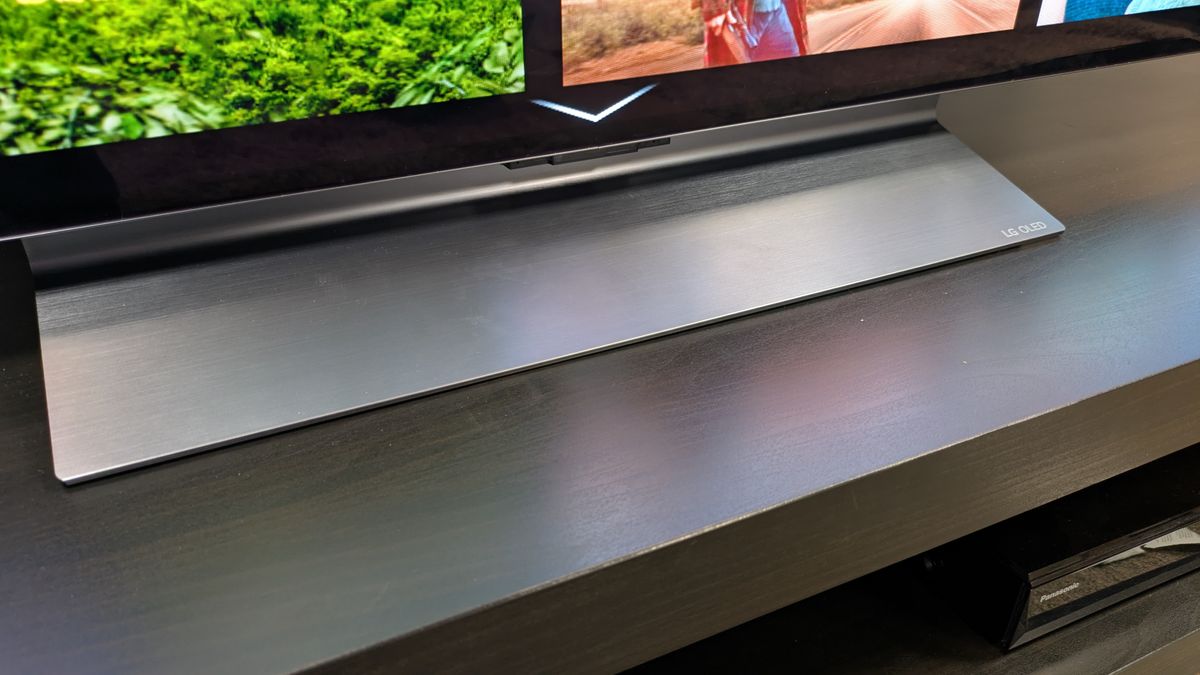
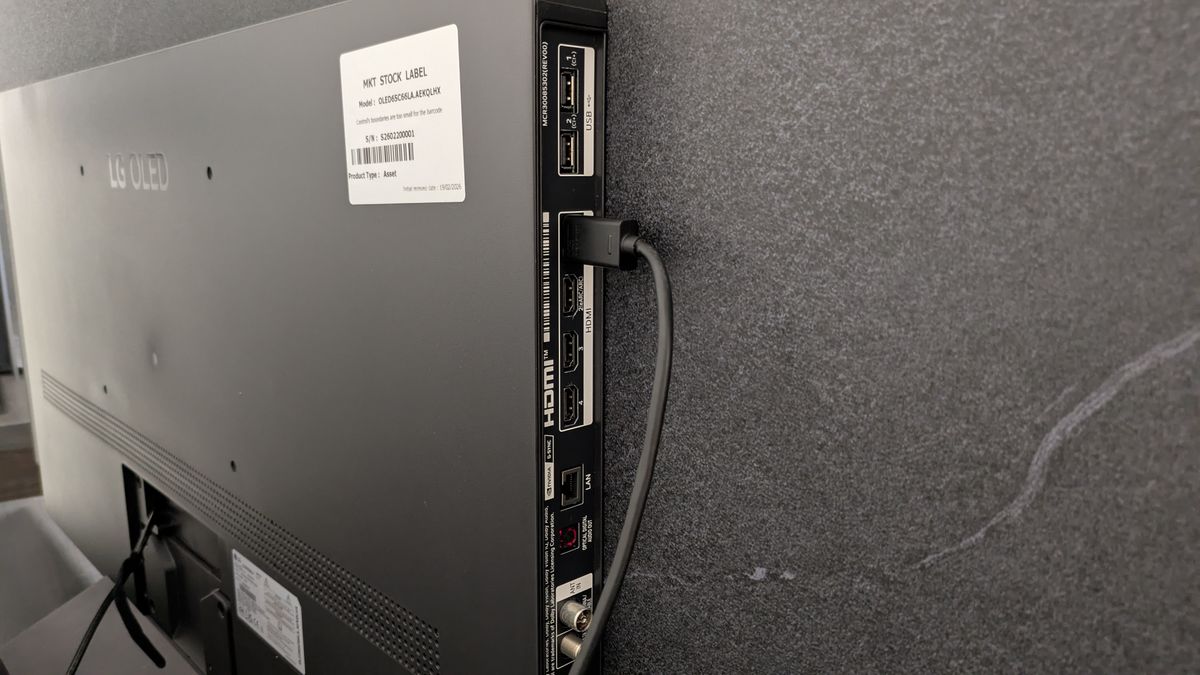
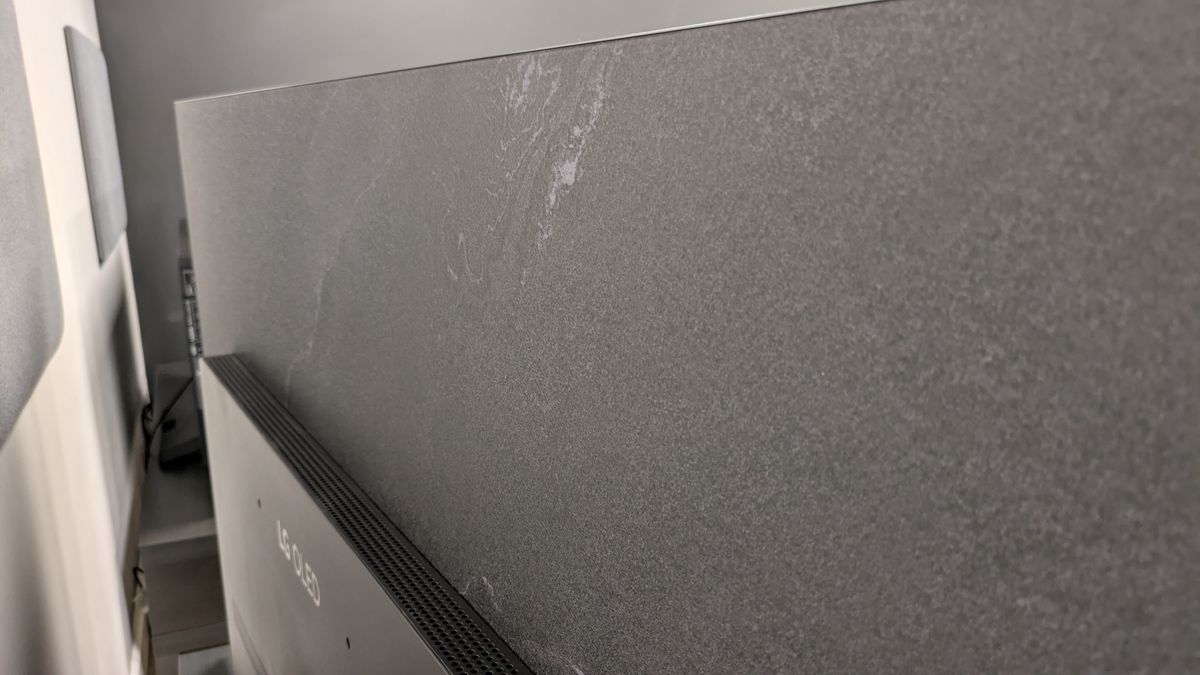
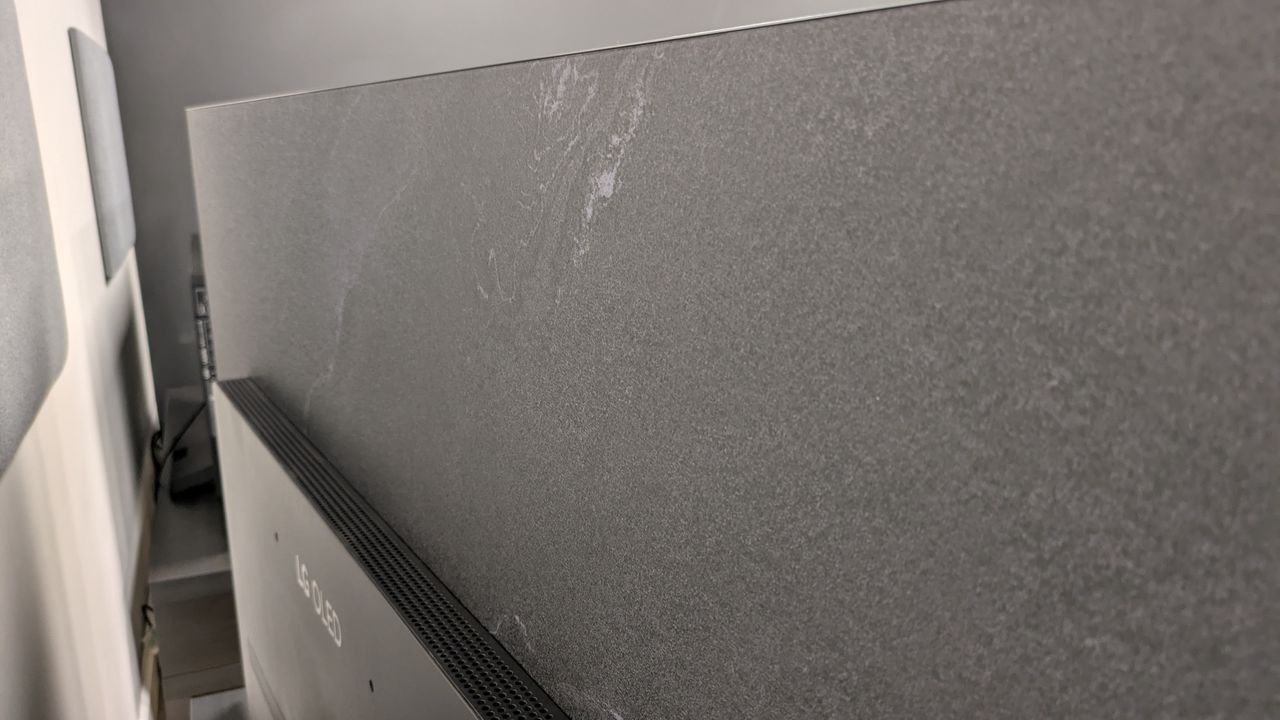
If you're after a compact, premium 4K TV with a crystal-clear display, well, the LG C6 fits the bill... and then some! Its predecessor, the , is a tough act to follow (and one of the best TVs of 2025), but the C6 is a solid upgrade. In fact, when we tested the two side-by-side, the C6 delivered more accurate colors and details. It's an incredibly bright with a 42-inch model ideal for bedrooms, desks, and gaming setups.
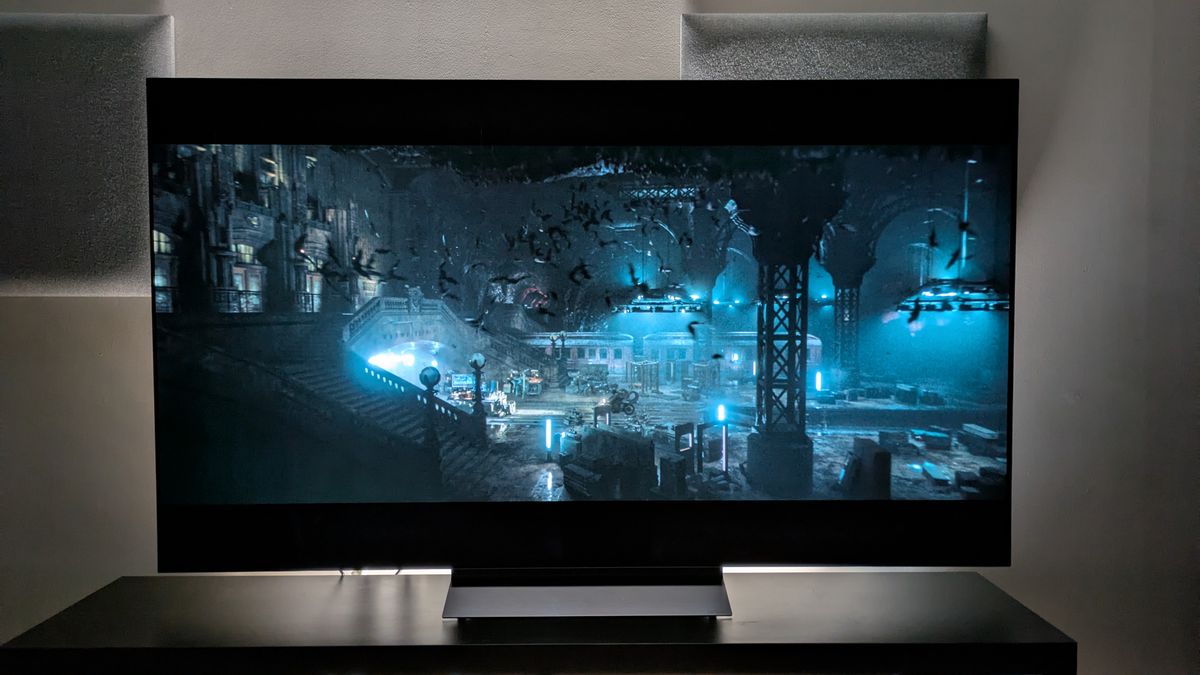
A shiny new processor gives the C6 a brightness boost, which made HDR movies and shows that much crisper. The C6 does a great job of upscaling SDR content, too. Contrast is just as impressive – and we put it to the test in our real-world setup by watching The Batman. Dark costuming and sets contrasted well against streetlamps, striking a rich, detailed balance.
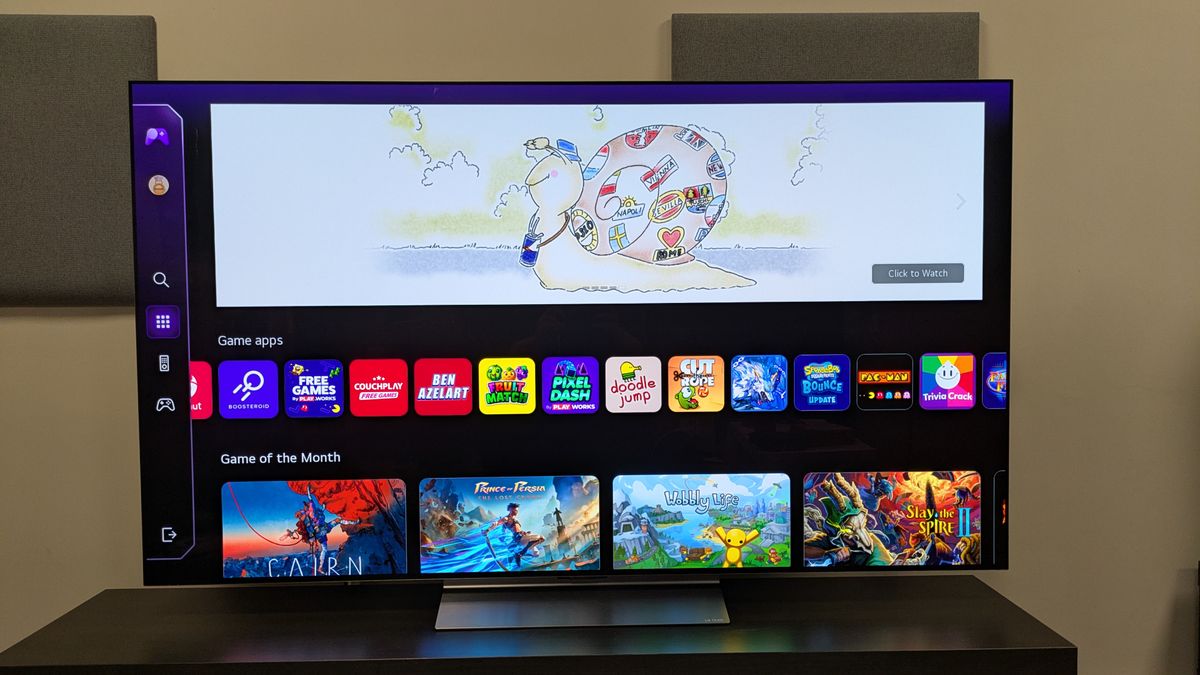
The C6 runs on LG's webOS 26 smart TV platform, and we think it's one of the best options available today. It's responsive and fairly easy to navigate, with support for popular streaming platforms, though there are the usual irksome ads at the top of the home page. Gamers will appreciate the C6's responsiveness – input lag measures just 9.2ms at 4K 60Hz with Boost mode enabled, so fast-paced games (like Battlefield V – our testing go-to) feel snappy and precise.
In terms of sound, the C6 boasts the usual LG setup of a 2.2-channel speaker system. Overall, the built-in audio is decent, and does a good job in a day-to-day context. We'd still recommend adding a soundbar to really enhance cinematic movies and games – as the soundstage can feel narrow, and Doly Atmos effects lack oomph.
The main downside of the C6 is its reflective screen. It's not a dealbreaker by any means, but you'll probably notice glare if you're watching in a bright room or during the day. The 43-inch does a much better job at negating reflections.
Read our full
Find the best deals on LG products with .
The best 40 - 43-inch TV under $300
(Image credit: Future)
The best cheap 43-inch TV
Specifications
Screen Size: 43 inches
Resolution: 4K
Panel type: QLED
Smart TV: Fire TV
Dimensions: 956 x 574 x 84 mm
Reasons to buy
+
Colorful picture with great detail
+
Solid gaming performance
+
Outstanding value
Reasons to avoid
-
Slightly stuttery smart TV software
-
Middling black levels
-
Not great sound
Buy it if:
✅ You want a colorful picture: The Omni QLED uses a QLED display, which is brighter and more vibrant than a typical LED display. ✅ You want a gaming TV on a budget: It may be missing a 120Hz refresh rate, but the Omni QLED supports VRR and Dolby Vision gaming.
Don't buy it if:
❌ You want the most responsive TV: We experienced some stalls and stutters while navigating the Omni QLED's Fire TV interface in our testing. ❌You want the best built-in sound: Like most of our top picks, the Omni QLED's sound is serviceable but will benefit massively from a soundbar.
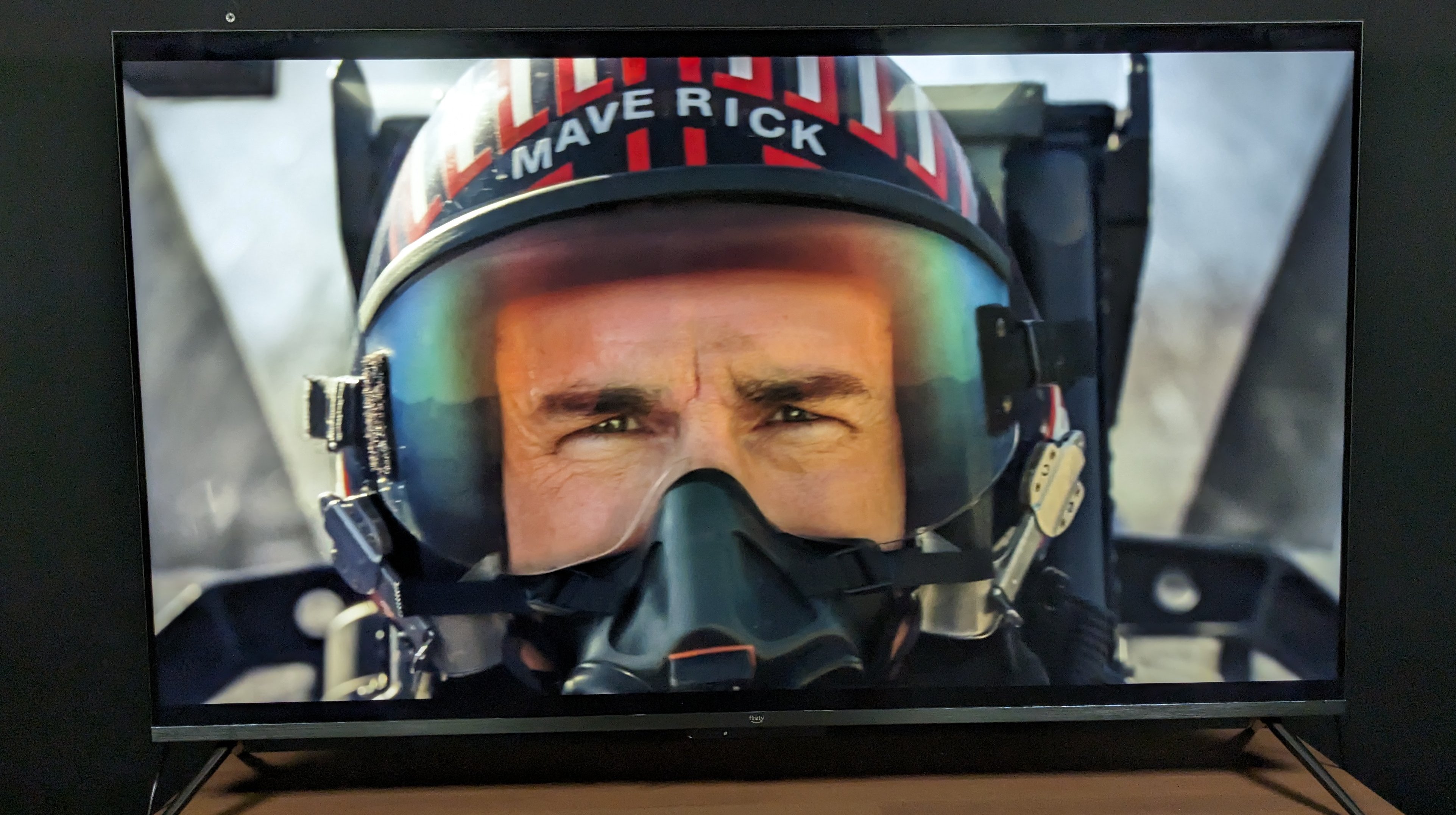
The Fire TV Omni QLED combines great picture quality and solid gaming performance, making it a TV that offers a lot of bang for the buck. Plus, the Omni QLED often finds itself heavily discounted, particularly during (with prices as low as $299/£299 for the 43-inch).
We were pleasantly surprised by the image quality of the Omni QLED when we put it to the test. It captured plenty of detail in movies, particularly when viewing in 4K HDR; colors are vibrant and punchy, and there's a natural quality to the display that sometimes gets lost in budget picks. However, we did also notice that the Omni QLED's black levels weren't particularly strong, and the 43-inch version lacks the local dimming of the larger models in the range.
Gaming performance was another plus point for the Omni QLED. It did a great job of handling graphically intense moments, with smooth motion processing and minimal delay thanks to its low 10ms input lag time. The picture quality delivered was crisp as well, thanks to Dolby Vision gaming support. However, it doesn't have 4K 120Hz support, but few TVs at this price point do.
There are plenty of TVs that beat the Amazon Fire TV Omni QLED in every area, especially when it comes to sound and design, but combining what it does have into one set at this price, the Omni QLED is unbeatable value.
Read our full
The best 40 - 43-inch mini-LED TV
(Image credit: Future)
The best 43-inch TV for movie lovers and gamers
Specifications
Screen size: 43 inches
Resolution: 3,840 x 2,160
Panel type: Neo QLED
Smart TV: Tizen
Dimensions: 960.8 x 558.9 x 26.9 mm
Reasons to buy
+
Effective Glare Free screen
+
Wide array of gaming features
Reasons to avoid
-
Pricey compared to competition
-
No Dolby Vison HDR
Buy it if:
✅ You watch TV in a bright room: Thanks to the Glare Free technology, distracting reflections on the screen won't be a problem during daytime viewing. ✅ You want a small screen for gaming: The QN90F is nice and compact, ideal for desks, and comes with plenty of gaming features.
Don't buy it if:
❌ You're on a budget: The QN90F is a premium-priced mini-LED TV, even at this size. It's much pricier than more basic QLED and LED TVs. ❌You want Dolby Vision: The Samsung QN90F supports HDR10+ but not Dolby Vision – the same goes for all Samsung TVs.
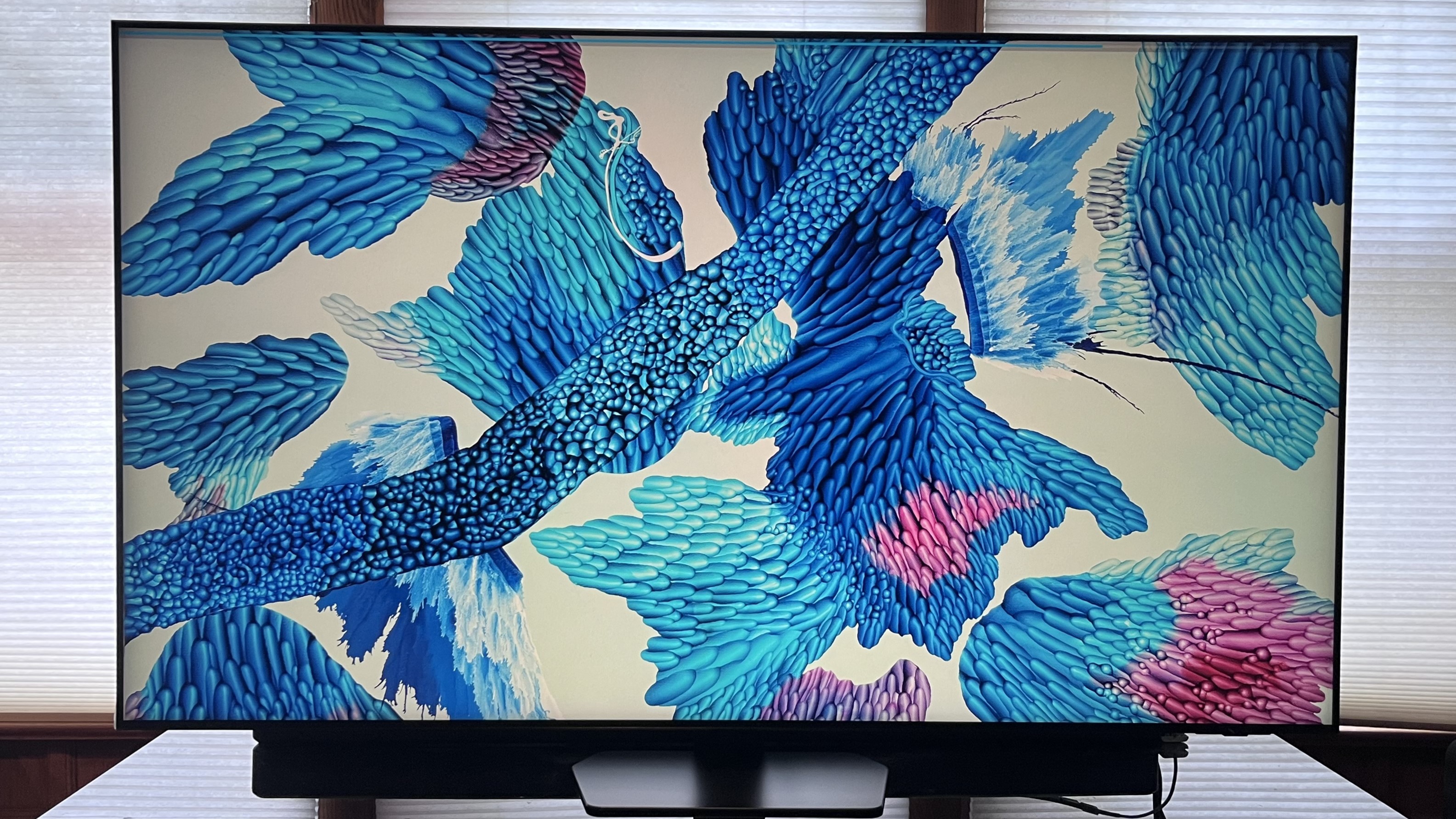
The QN90F is the perfect TV if you're looking for a bright, small screen for sports, gaming, and daytime viewing.
There aren't many 43-inch TVs that can match the QN90F's features and performance, which uses a mini-LED display panel to deliver high brightness levels. It has a Glare-Free screen for distraction-free viewing, bold, vibrant colors, and powerful contrast. The QN90F's effective backlight control also limits the backlight blooming effects that you may find in cheaper mini-LED TVs, and its responsive motion handling makes it great for sports.
Gamers looking for a 43-inch screen won't be let down by the QN90F. Its gaming features include four HDMI 2.1 ports with 4K 165Hz, VRR, ALLM, HGiG, and HDR10+, and its 9.5ms input lag time means ultra-responsive gameplay. Samsung's Gaming Hub, a portal for all things gaming, including cloud-based apps, is another welcome feature.
There's no getting around the fact that the QN90F is a premium TV, with a premium price. There are plenty of cheaper 43-inch sets out there, but not many deliver what the QN90F does. If you're looking for a top-tier 43-inch TV, the QN90F is an excellent option.
Read our full
The best 40-inch TV under $250
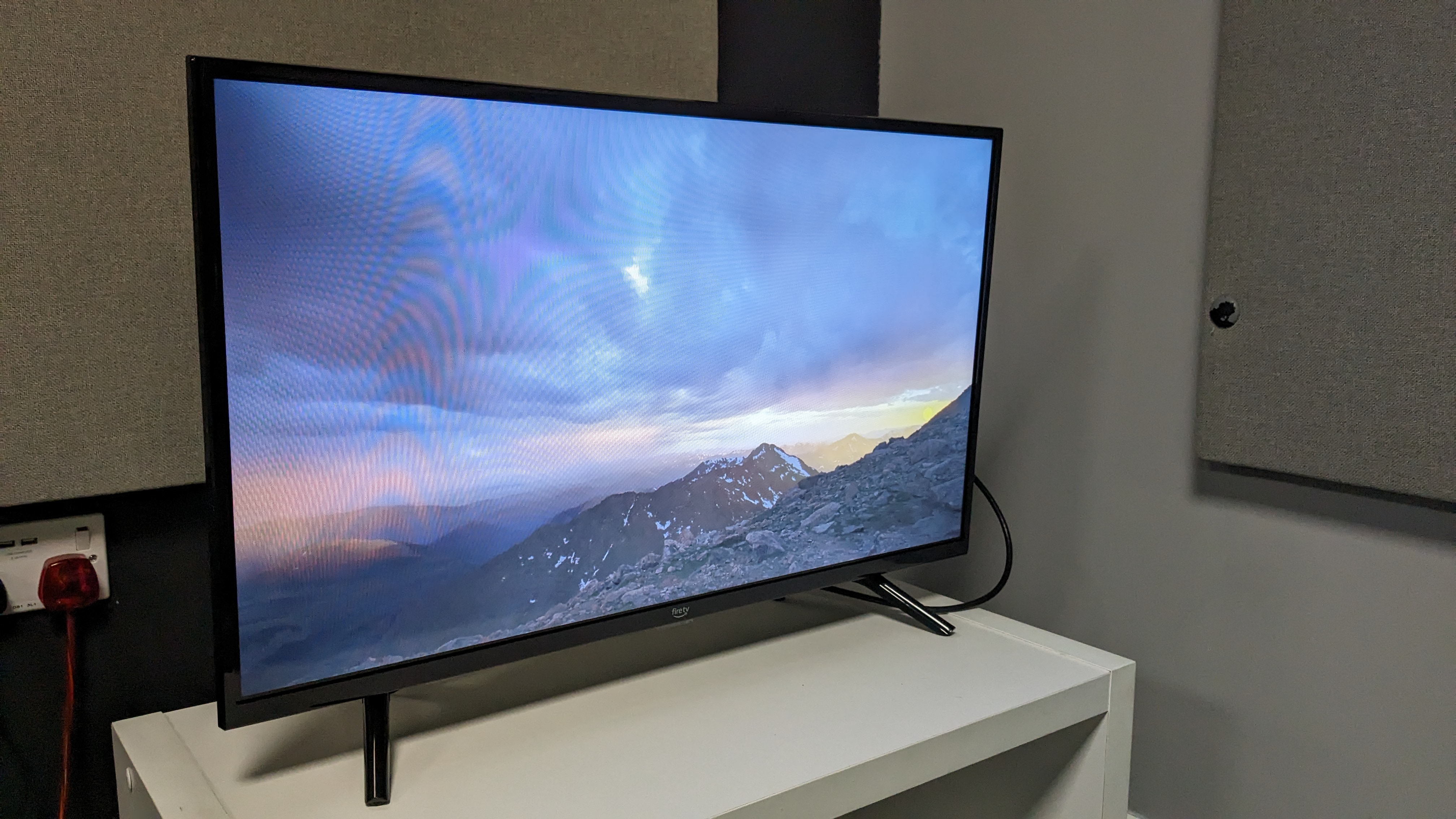
The above image is of the 32-inch 2-series during our tests as we haven't had a chance to test the 40-inch. The 40-inch version is Full HD (1080p). (Image credit: Future)
The best 40-inch TV under $250
Specifications
Screen size : 40-inch
Resoltuion: 1080p
Panel type: LED
Smart TV: Fire TV
Dimensions: 900.4 x 520 x 80.5 mm
Reasons to buy
+
Fire TV smart TV platform
+
Decent built-in audio
+
Very affordable price
Reasons to avoid
-
Inconsistent picture
-
Sometimes clunky navigation
-
Average gaming performance
Buy it if:
✅ You have a tight budget: The Amazon 2-series is supremely cheap, but still boasts HD resolution and Fire TV smart features. ✅ You want a smaller screen with decent audio: It isn't immersive or expansive by any means, but the 2-series' audio is better than expected.
Don't buy it if:
❌ You want 4K resolution: Unfortunately, the Amazon 2-series isn't 4K ready like our other top picks. ❌You want a gaming TV: While its gaming specs are decent, there are no gaming-specific features here, such as VRR or ALLM.
Unlike the other entries on this list, the Amazon Fire TV 40-inch 2-series uses a Full HD panel rather than a 4K panel, which means it won't be compatible with 4K Blu-rays or 4K streaming. However, it does provide a strikingly cheap 40-inch TV option, as we've seen it priced as low as $178 / £239.
While we haven't tested the 40-inch 2-series, we have tested the 32-inch 2-series and have formulated our opinions. The 2-series we tested doesn't have the most consistent picture, with sub-par contrast and black levels, but its colors are still vibrant and dynamic enough. Another area where it succeeds is in its built-in audio, which made dialogue sound clear and had a good enough balance. With larger speakers provided in the 40-inch version, this is likely to carry across.
The 2-series also comes with Fire TV as its smart TV platform, and it's unlikely you'll get a different 40-inch TV at this price with smart TV features such as Alexa voice control. Navigation can be sluggish and clunky at times, but Fire TV is still one of the more comprehensive smart TV platforms available.
Where the 2-series is unmatched is its value. It may only have a Full HD panel, but the price is hard to argue against for a 40-inch TV. No, it doesn't have the same quality level as the sets above, and the Amazon Fire TV Omni QLED remains the best overall budget option. But if you're looking for a super-cheap TV and are happy to compromise, the Amazon 2-series fulfills that purpose.
Also consider
Here are some other TVs we've tested that didn't make the list, but are still good 40-43-inch options.
Bush 43UT24SB: For UK readers looking for a cheap TV, the Bush 43UT24SB is a surprisingly strong option. It has a bright display and accurate, deep black levels. Plus, it has decent gaming features for a very cheap TV. While it doesn't best the Amazon Omni QLED, it's a good option for those on a tight budget. Read our full .
LG C4: The LG C5 has replaced the C4 in our guide above as the best 40-43-inch TV overall, but we're still including it here as it's well worth considering. Especially if you don't mind an older model and you're looking for discounts, now that the C5 is here, you'll see some tempting reductions on the C4. It's a bright OLED with excellent picture quality and great gaming features, including 144Hz support. Read our full for more.
Philips OLED809: Another one for our UK readers, the Philips OLED809 delivers detailed, colorful pictures and immersive sound from its built-in speakers, and it has a near-full suite of gaming features. It also comes with Ambilight for an added layer of immersion. It's a superb alternative to the LG C4, but it does come at a higher price. Read our full .
Best 40-, 42- and 43-inch TV FAQ
Is a 40-inch TV big enough?
It's worth remembering that 40-inch screens, while once the pinnacle of high-end TV tech, are now considered a small size compared to many other TV displays.
Manufacturers can make bigger screens than ever before. These days, are standard, with quickly growing in popularity.
A 40-inch TV should have , but you'll see the benefits more clearly on a larger size. We find that a 40-inch TV is a pretty decent size for a single viewer not sitting too far away, but for a family or group of flatmates, it's not ideal.
To make sure a 40-inch TV is right for you, measure the space you'd like to put it in and consider how much your budget can stretch.
In this guide, we've also included several 42-inch and 43-inch TVs, which might give you a bit of extra screen space if the best 40-inch TVs seem a touch too small.
What about 42-inch TVs and 43-inch TVs?
To keep things tidy, we've included the best 42-inch TVs and 43-inch TVs in this guide to the best 40-inch options.
Several factors affect the size and scale of the TV screen – it doesn't all come down to the diagonal length of the panel. The bezel (the black strip around the edge of the screen), built-in speakers, HDMI inputs and other connections, and the depth of the casing all play a part. Ultimately, this means that it's sometimes harder to notice the difference between a 40-inch TV and a 43-inch TV.
We've also seen increased production of 42-inch TVs in recent years, with TV brand LG bringing out 42-inch OLED TVs, like the LG OLED42C4 at the top of this guide.
Lots of people prefer 42-inch and 43-inch TVs for smaller rooms in the home. Think kitchens, bedrooms, and study spaces that don't really need a huge cinematic setup. Plus, if you're working with a smaller living room, a 43-inch TV is in a really sweet spot – offering great picture performance without taking up a ton of valuable space.
How to choose
(Image credit: Vizio)
How do I pick out a 40-inch, 42-inch or 43-inch TV?
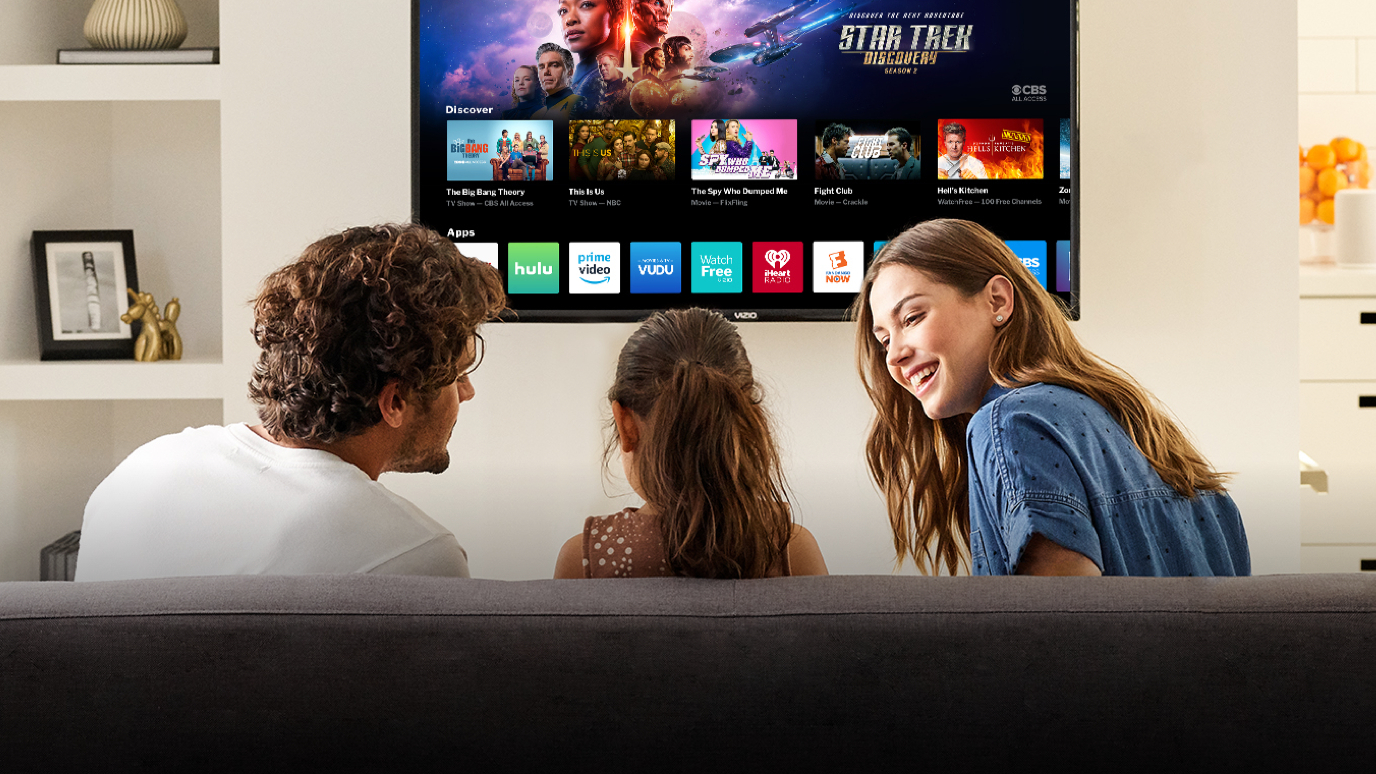
Not sure how to choose what 40-inch, 42-inch, or 43-inch TV is for you? While the options might feel overwhelming, it's worth considering what we think about when recommending TVs here on TechRadar.
Ultra HD vs Full HD: It's a common misconception that you can't see the difference between full HD and Ultra HD/4K on a screen smaller than 55 inches. You can. We recommend picking a TV with 4K Ultra HD and HDR if you can find one. It makes a big difference.
Operating system: 40-inch, 42-inch, and 43-inch TVs didn't always come with a operating system in the past, but they often do now. What you're looking for, ideally, is a well-maintained operating system like Roku TV, LG's webOS, or Samsung's Tizen operating system. If you go with a TV that uses a proprietary operating system (basically an operating system exclusive to that one TV), you might have some serious issues down the road.
Inputs and outputs: Multiple HDMI ports are important if you have many devices to hook up to your TV, but you may find fewer on a TV that's smaller than 43 inches. We recommend choosing a TV with more than one HDMI port. You'll find yourself swapping cables far too often if you do.
How we test the best 40, 42 and 43-inch TVs
We test the best 40, 42, and 43-inch TVs using a combination of subjective and objective testing. For subjective tests, we focus on picture and audio quality, gaming performance, and features. For our objective tests, we measure brightness, color gamut coverage, color and grayscale accuracy, and input lag for gaming. For a complete guide, read or a summary version below.
Starting with subjective testing, we will evaluate picture quality using broadcast TV, 4K Blu-ray, and streaming sources. We also use this time to check the picture presets, such as Movie, Filmmaker, and Standard, to determine the most accurate picture mode.
When testing the best 40, 42, and 43-inch TVs, we're looking at how the TV handles HD and 4K images, but also lower-resolution sources such as broadcast TV, even though upscaling isn't as important on smaller screens as on larger screens such as 65 and 75-inch. We also look at the TV's contrast, black levels, color accuracy, motion handling, and detail.
Gaming is another important area, and we look at features that will benefit gaming with a PS5 and Xbox Series X, such as the number of HDMI 2.1 ports, 120Hz refresh rate, VRR, ALLM, and more. 40-43-inch TVs may not provide all these features, but some sets will support them.
Once subjective testing is completed, we'll use specialized equipment, including a colorimeter and test pattern generator, to conduct a series of objective tests, with the results recorded by . We'll also use a Leo Bodnar 4K HDMI input lag tester to record input latency with the TV in Game mode.
To test brightness, we'll set the TV to its most accurate picture mode (typically Movie or Filmmaker) and use various standard dynamic range (SDR) white window test patterns to measure brightness in nits. The two most important patterns are 10%, which tells us the peak brightness we can realistically expect, and 100%, which indicates how well a TV will handle reflections and sustain a bright image over the full screen - useful for watching sports. We will then repeat those measurements with the TV in Standard mode, and do the same in both modes using high dynamic range (HDR) test patterns.
We also test color and grayscale accuracy by measuring color, black, white, and gray test patterns. Overall accuracy in these tests is cited as an average Delta-E value, which tells us the margin of error between the test pattern and what the TV displays. The TV's color gamut coverage with HDR sources is also measured, and the closer the number to 100%, the better.
Finally, we use a Leo Bodnar 4K HDMI input lag tester to measure input latency, which is important for gaming. The lower the input lag time, the better, but realistically, under 20ms is fine for most people. (Today's best gaming TVs all score under 15ms on this test.)
Latest updates to this guide
19 August, 2026 Replaced the LG C5 with the LG C6 as the best 40-inch TV for most people.
21 May 2026 Recategorized the Amazon Fire TV 2-series as 'The best 40-inch TV under $250' to provide clearer differentiation between it and our budget pick, the Amazon Fire TV Omni QLED.
18 November 2025 Replaced the LG C4 as our top pick for most people with the newer C5 model, based on our recent testing. We moved the older C4 model into our 'also consider' section, as it's still worth your time if you're looking for a good discount and don't mind an older model.
14 July 2025 Replaced the Samsung QN90D with the Samsung QN90F as best mini-LED TV for the latter's higher brightness and anti-reflection screen.
27 March 2025 Added a section called 'Other TVs we've tested' with summaries and links to other 40-43-inch sets we've reviewed that didn't quite make the list.