Image attributed to Samsung.
The best Samsung TVs offer some of the best picture quality and features in the business – but you don't have to pay top dollar to get the best home-cinema experience. Samsung TV options come in all kinds of sizes, use-cases, and most importantly, budgets.
That's partially why so many Samsung sets feature in our overall rankings. The brand also leads the way when it comes to the , like the brilliant , which we think is the best Samsung TV for most people, thanks to its brightness and value for money.
Trying to figure out which Samsung TV is the best fit for your home and setup can feel like a daunting task. That's why we've considered different uses in our rankings, like sports and gaming, as well as the size, price, and features of each set. Plus, the TechRadar team has tested each of the TVs you'll find below in real-world conditions and with specialist equipment for review.
We also keep up to date with how Samsung stacks up against the competition and previous generations of Samsung TVs – and we've reviewed hundreds of TVs over the years. You'll find plenty of Samsung sets in our and guides, too.
The best Samsung TVs you can buy
Why you can trust TechRadar We spend hours testing every product or service we review, so you can be sure you're buying the best.
The best Samsung TV overall
Image 1 of 5
(Image credit: Future)
(Image credit: Future)
(Image credit: Future)
(Image credit: Future)
(Image credit: Future)
Image 1 of 5
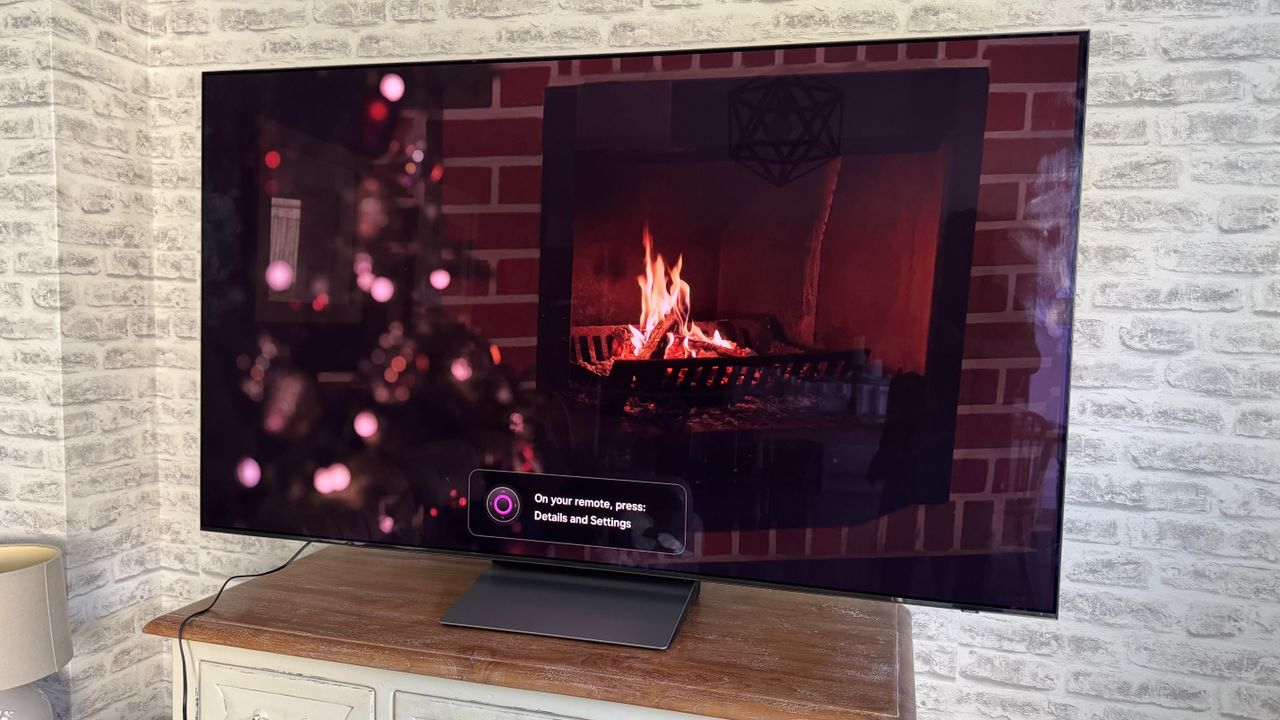
Image 2 of 5
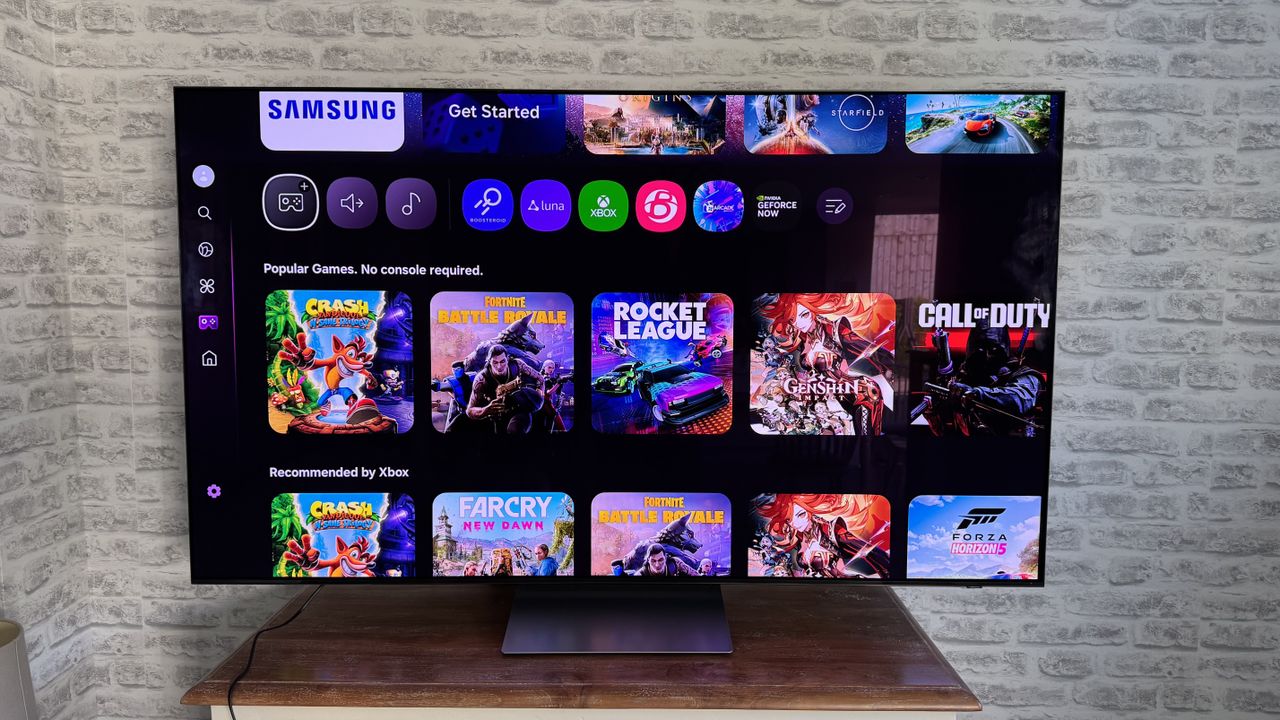
Image 3 of 5
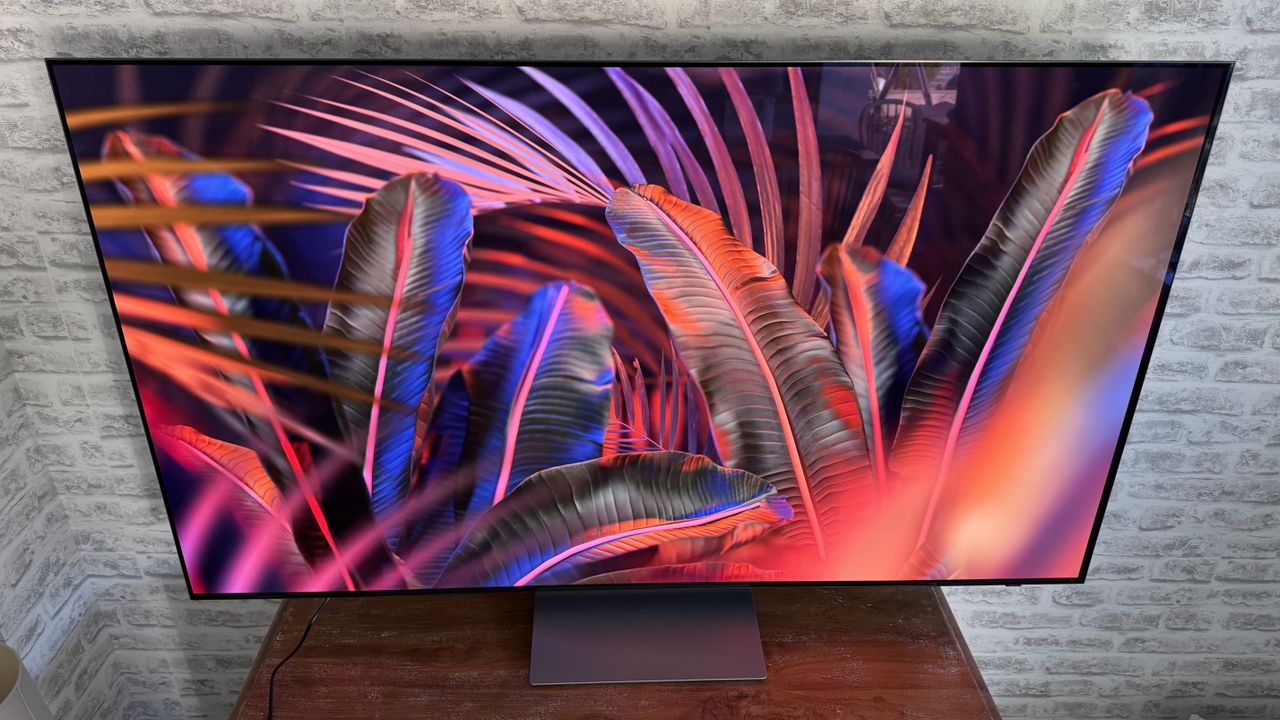
Image 4 of 5
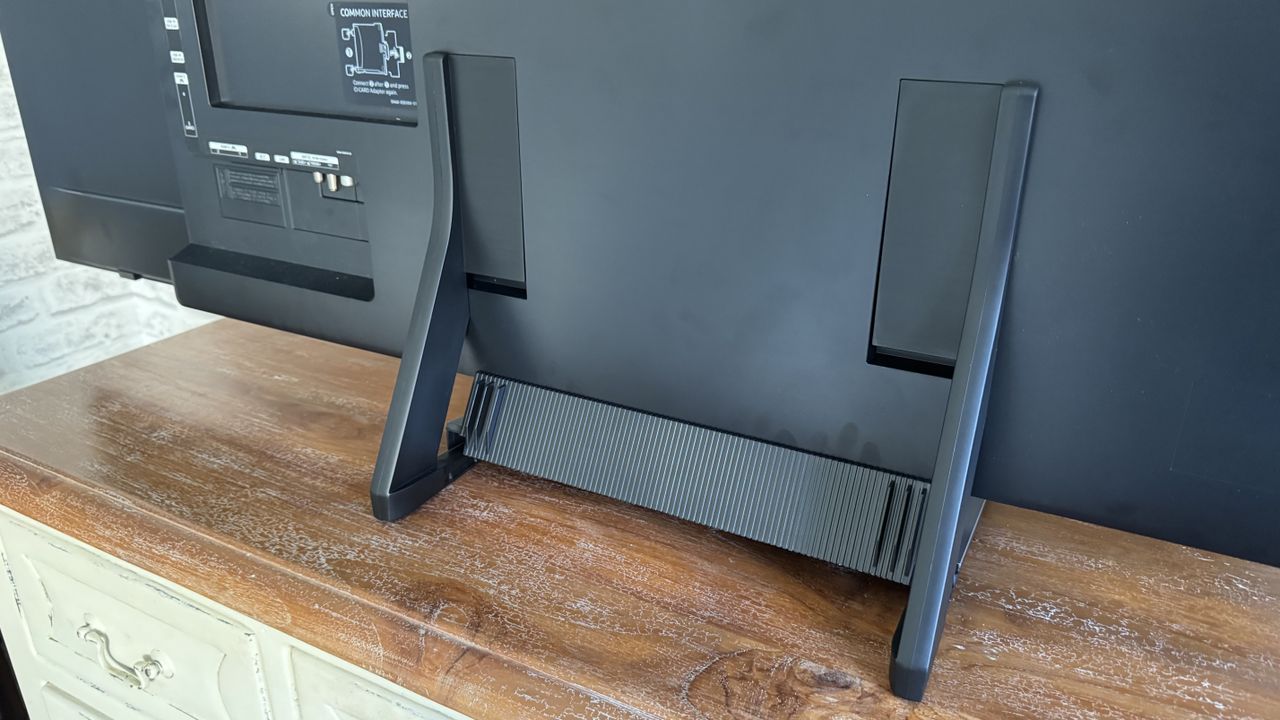
Image 5 of 5
The best Samsung TV overall
Specifications
Screen size: 55, 65, 77 and 83 inches
Resolution: 4K OLED
Panel type: OLED
Smart TV: Tizen
HDR: HDR10+, HDR10, HLG
Reasons to buy
+
Bold, colorful picture
+
A good suite of gaming features
+
Great value for money
Reasons to avoid
-
No Dolby Vision
-
Only average sound
-
Middling brightness
Buy it if:
✅ You want high-end QD-OLED performance at a sensible price: The S90F delivers gorgeous color and superb contrast, giving you a premium experience without the premium price tag. ✅ You're a gamer: With all four HDMI ports supporting 4K 144Hz and VRR, the S90F is ready for next-gen consoles and demanding PC gaming, with ultra-low input lag to match.
Don't buy it if:
❌ Your room gets lots of direct sunlight: The S90F isn’t quite as bright as Samsung’s flagship S95F OLED, so if your room gets flooded with sunlight, it may struggle to maintain dark tones. ❌ You expect cinematic sound: The S90F’s onboard audio is fine for everyday use, but can sound strained at high volumes or with bass-heavy tracks. Plan to add a soundbar for a real upgrade.
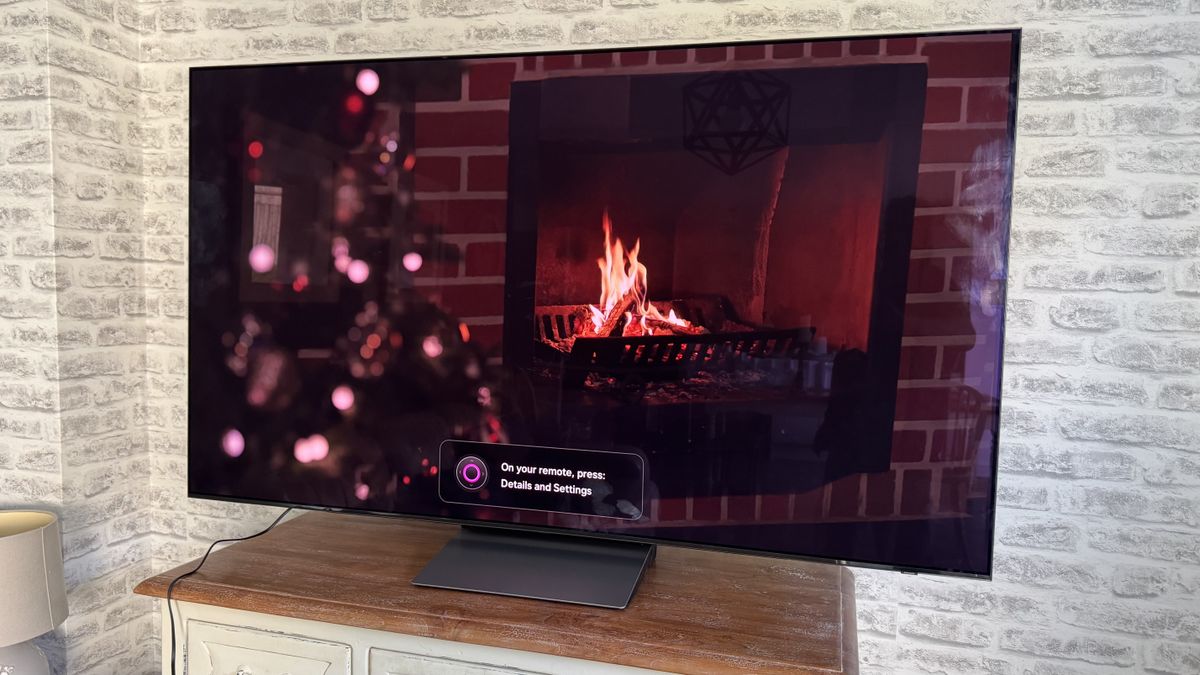
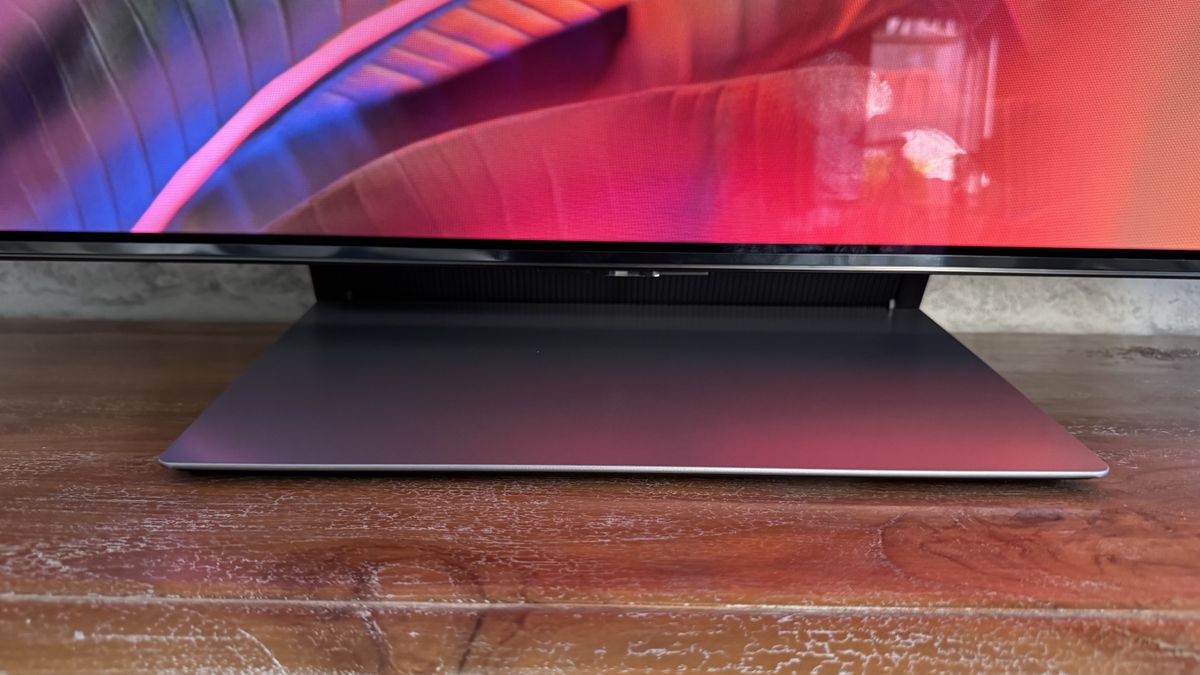
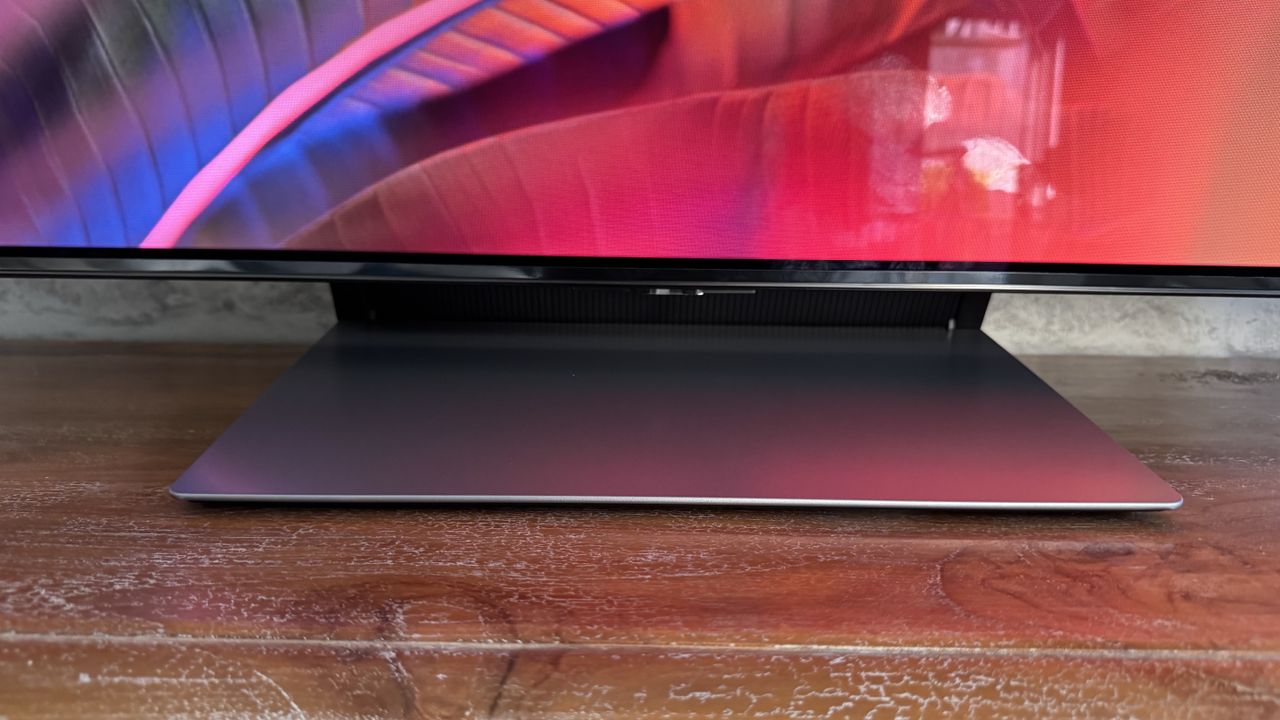
We awarded the Samsung S90F a rare five-star rating in our review, thanks to its outstanding picture, awesome gaming display, and great connectivity. Only the 65-inch model earned top marks, as the size uses a QD-OLED panel while other sizes vary by region. Still, a 65-inch screen is the version we recommend for most people – and it's the ideal size for most living rooms, too.
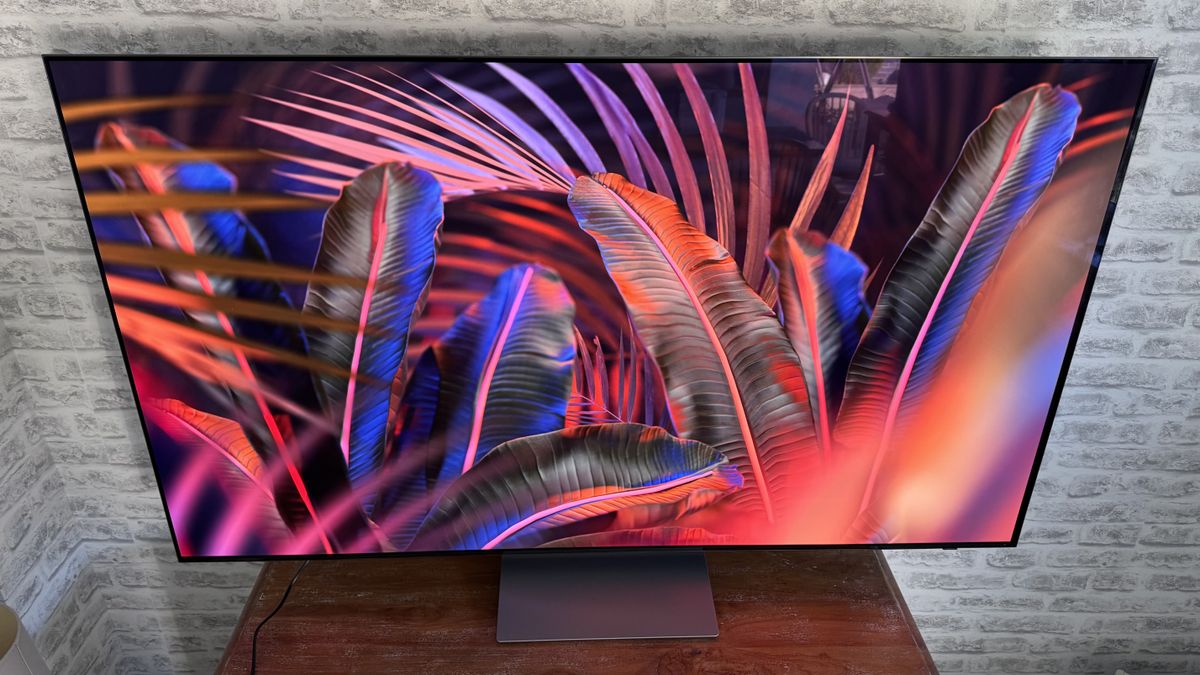
The S90F delivers exceptional picture quality for the price, and it's significantly brighter than the S90D that came before it – making an upgrade well worth the investment. Samsung’s upgraded NQ4 AI Gen3 processor brings cleaner upscaling, stronger shadow detail, and more natural, three-dimensional colour.
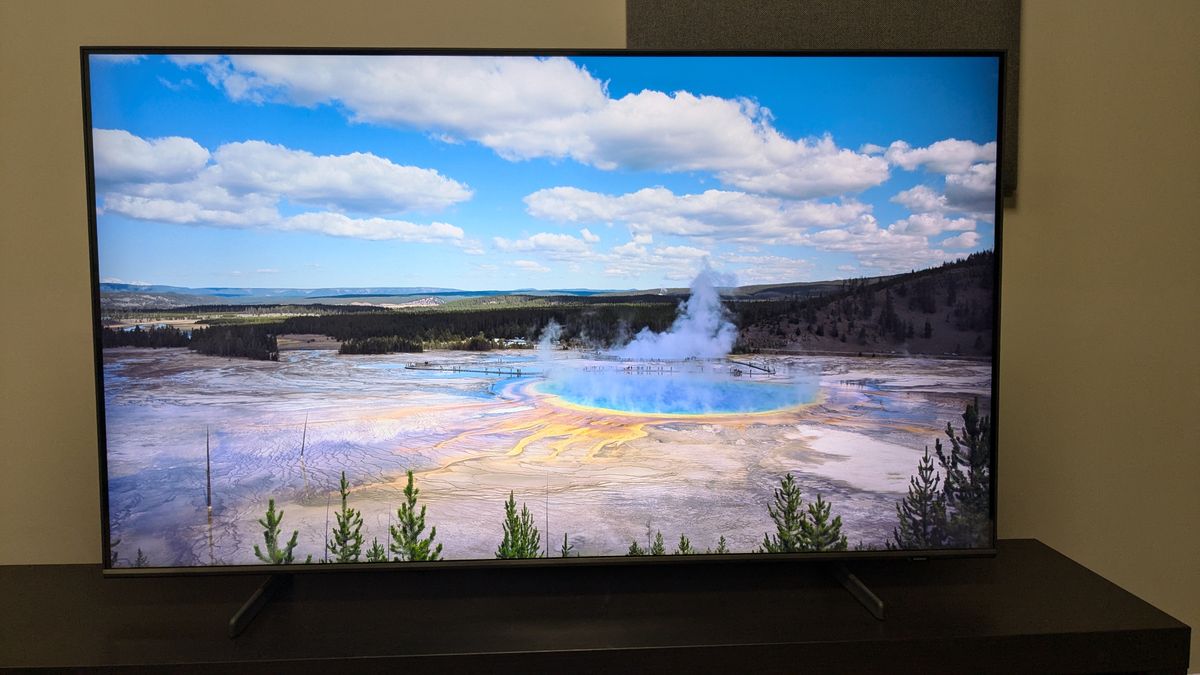
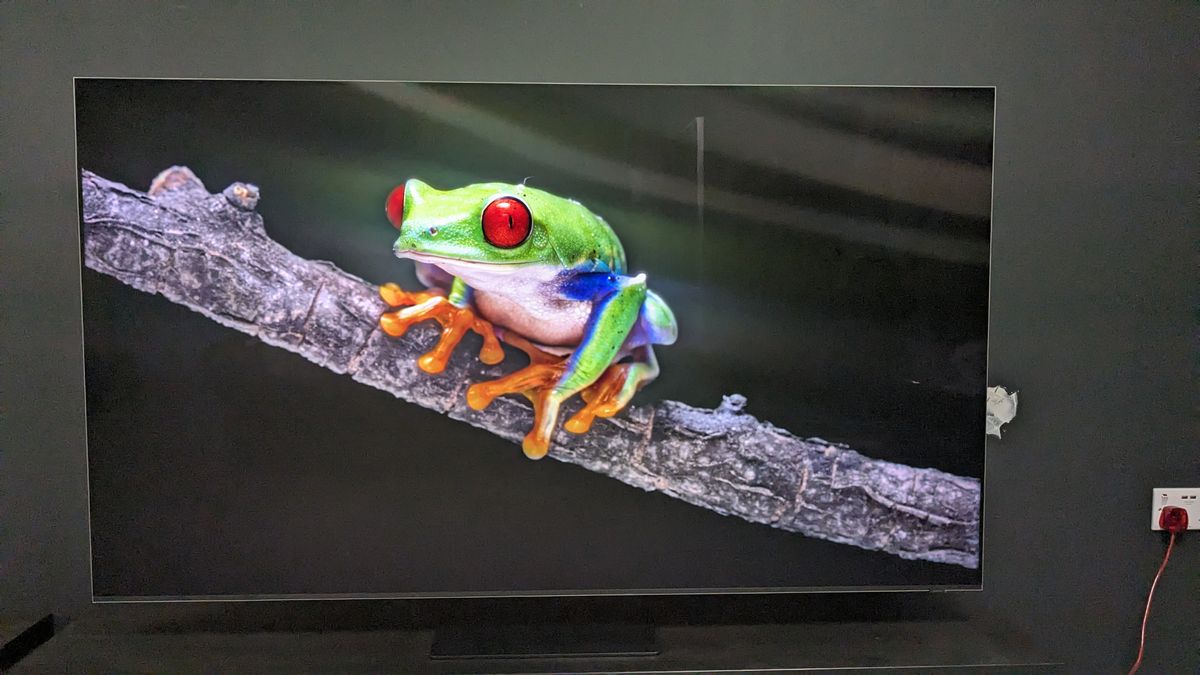
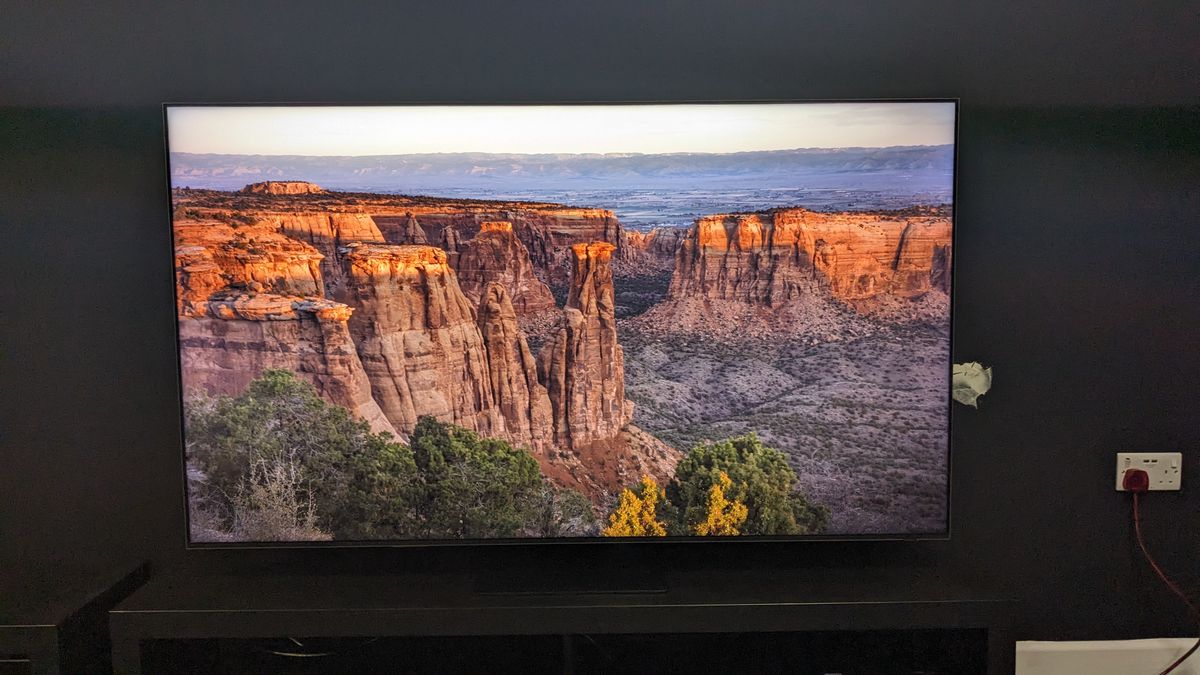
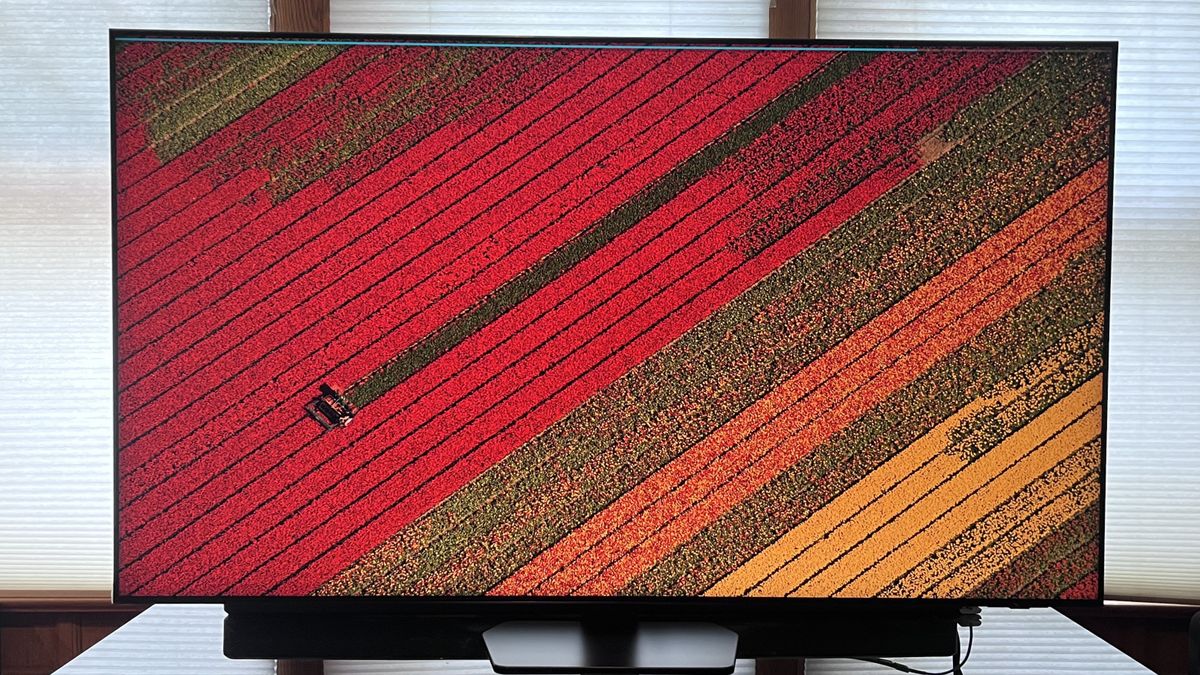
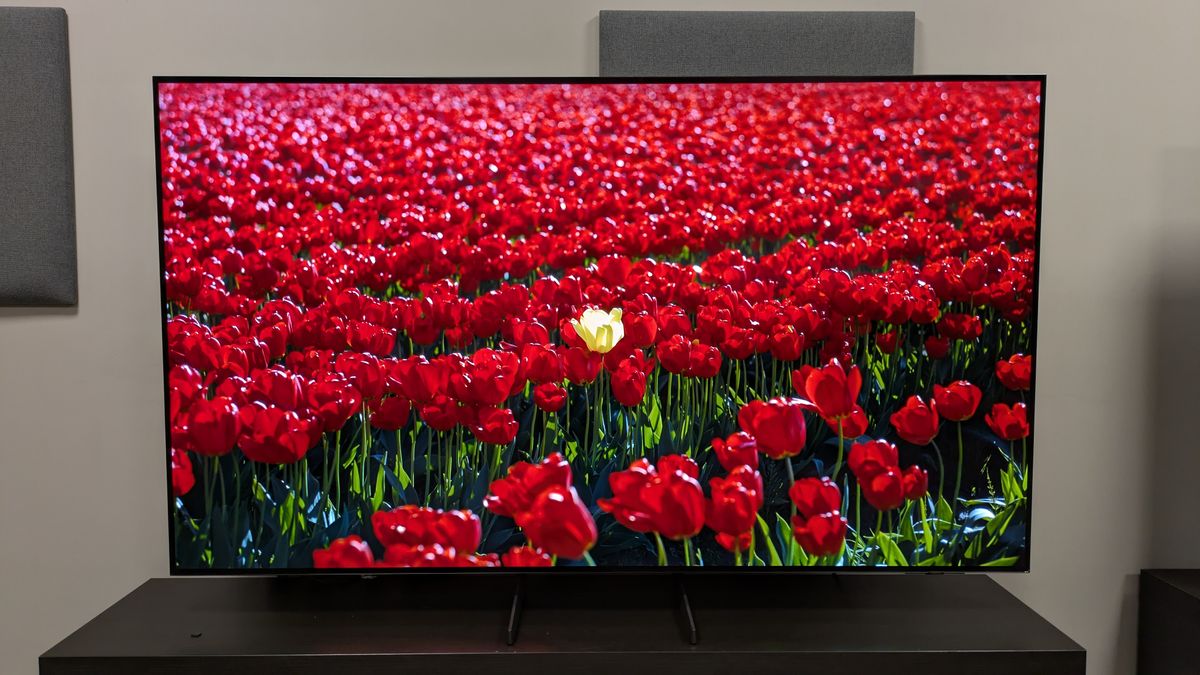
In our testing, HDR content practically pops off the screen. We measured up to 1,500 nits on a 10% window, a huge leap over last year, with superb black levels and vibrant, punchy tones. There's no anti-glare filter, unfortunately, as they're exclusive to Samsung's premium models. We found that reflections were manageable despite this, and the only major distraction is the default motion settings, which can be fixed with a quick tweak.
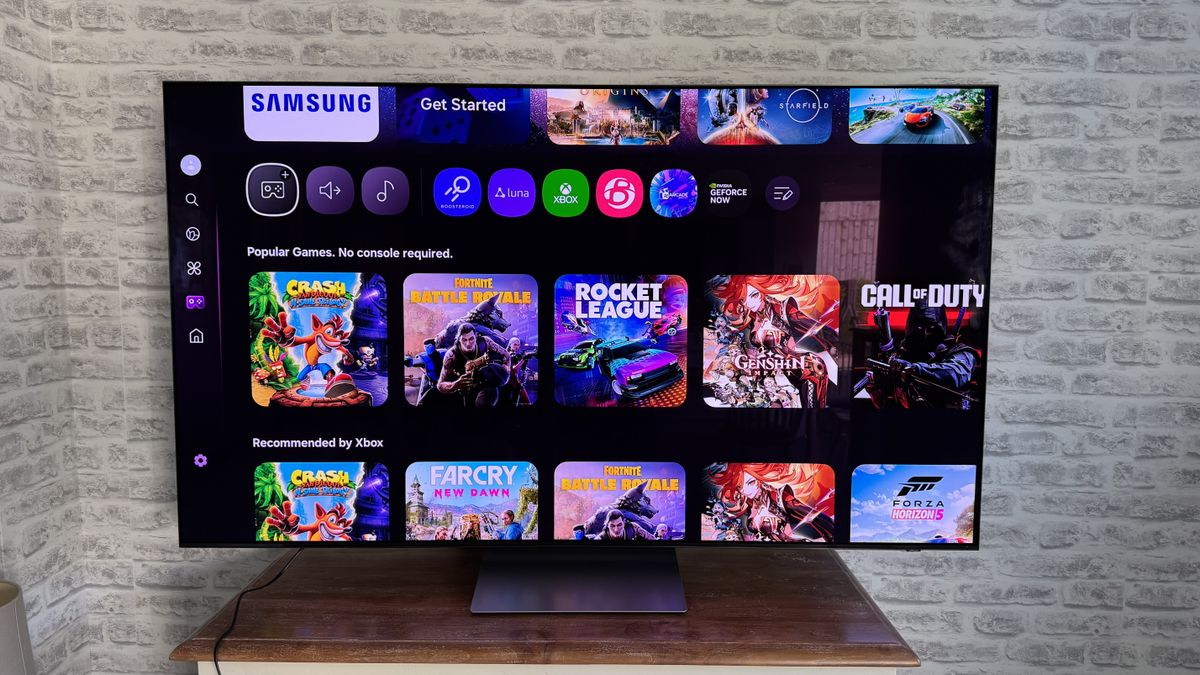
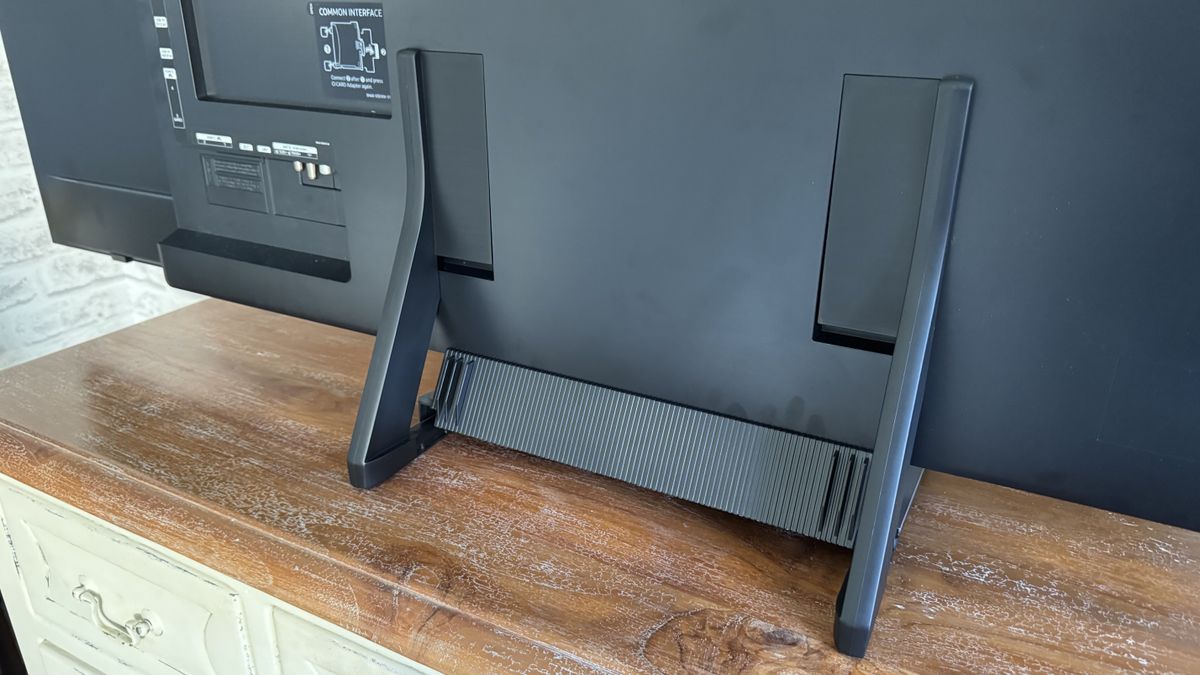
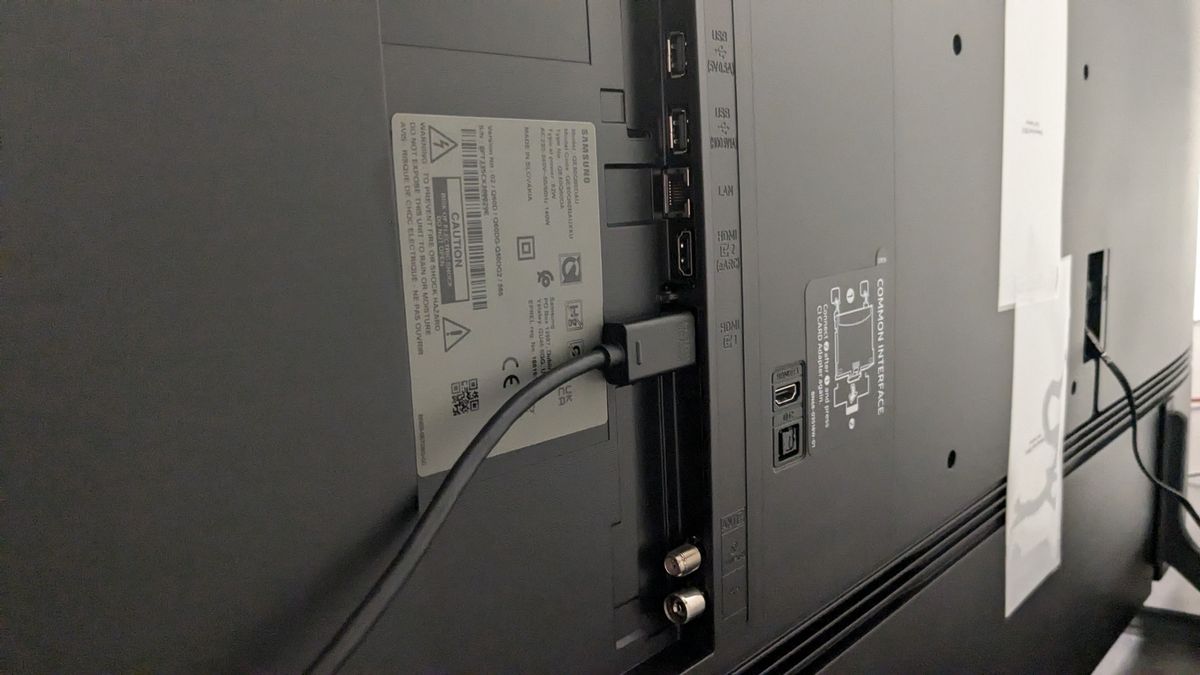
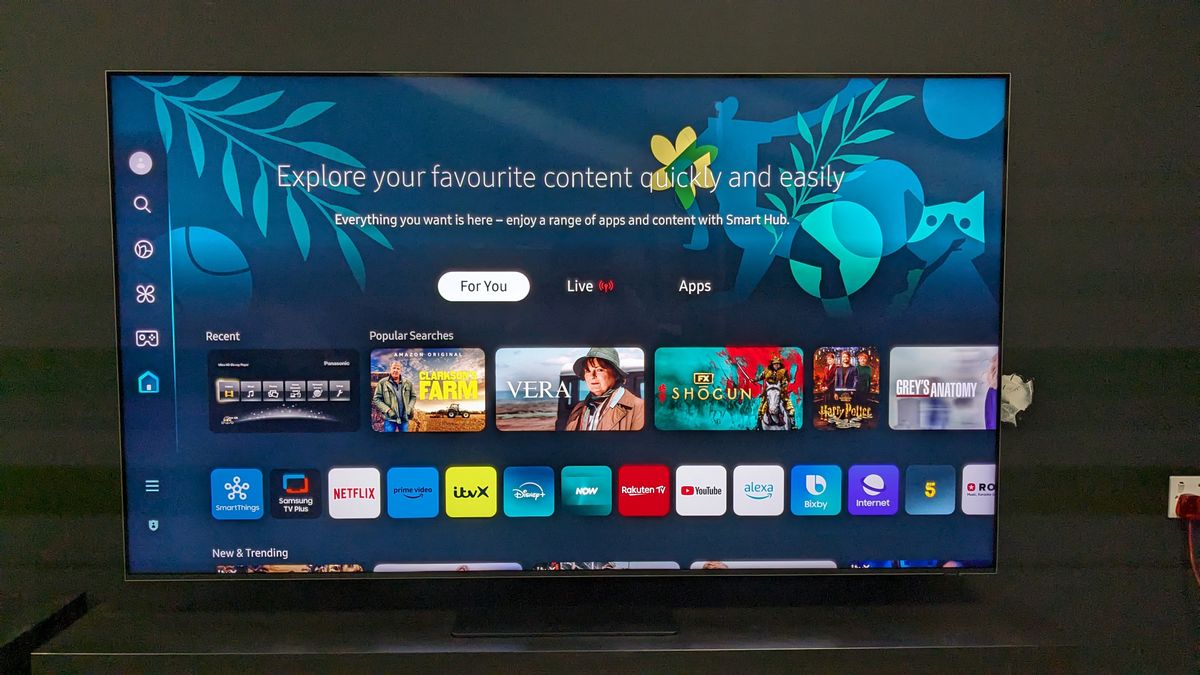
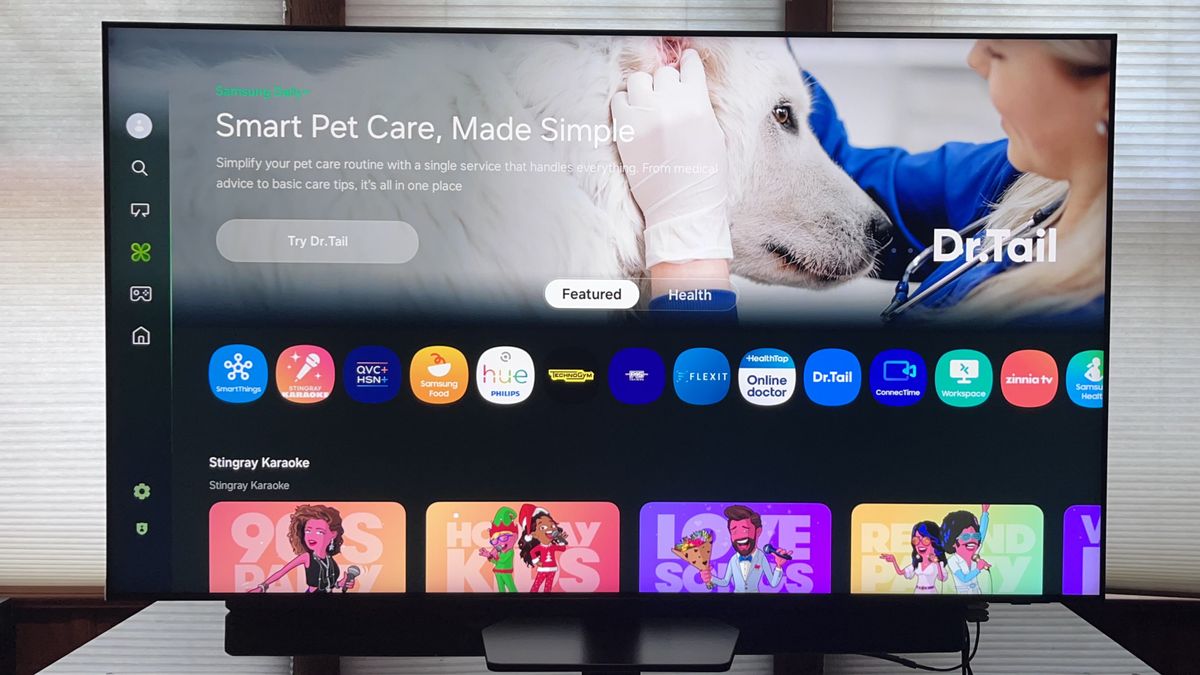
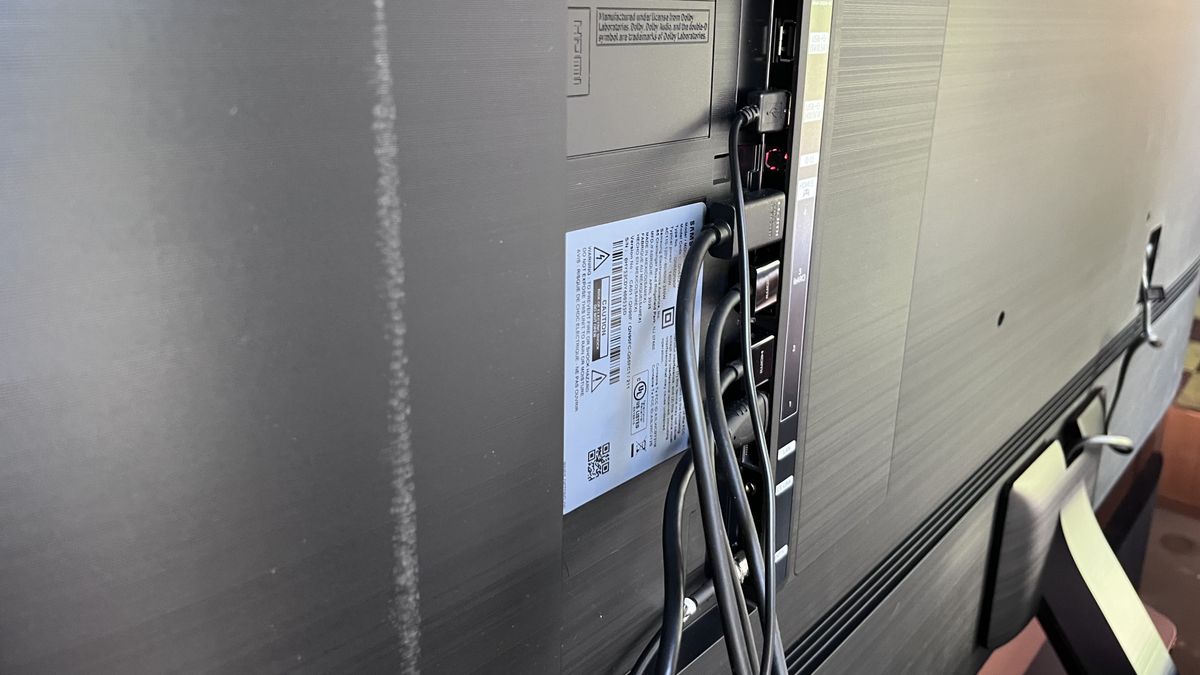
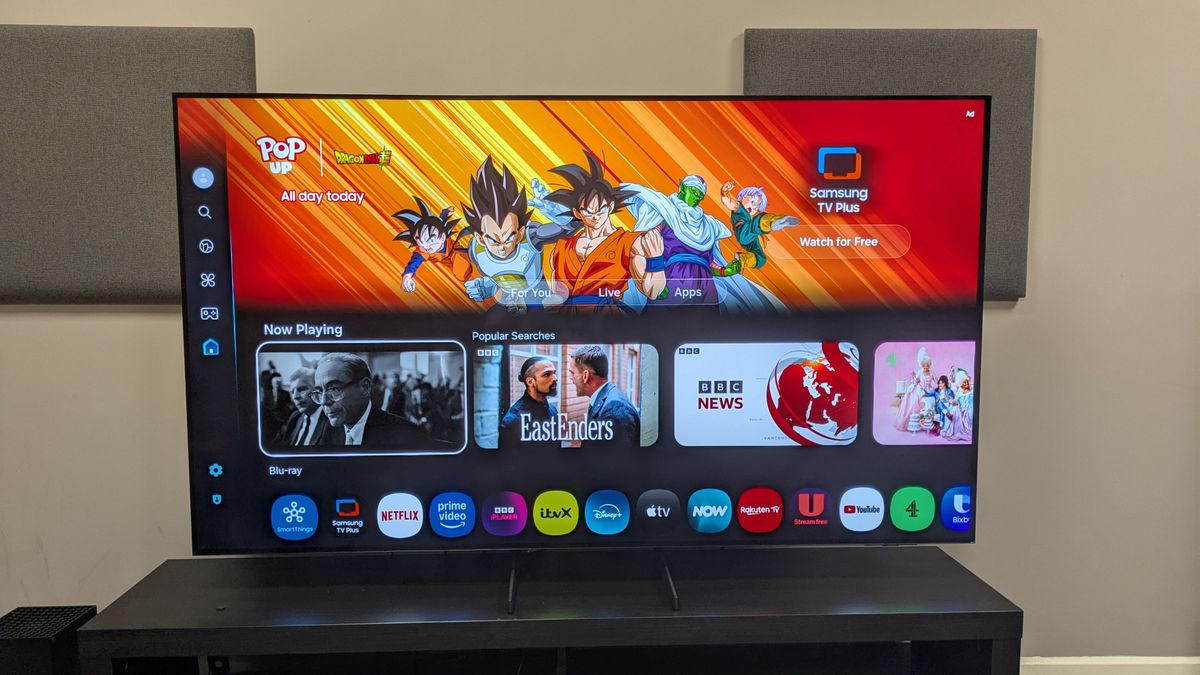
Gamers get a lot for their money here. All four HDMI 2.1 ports support 4K 144Hz with VRR, AMD FreeSync Premium Pro, Nvidia G-Sync (via update), and an ultra-low 9.2ms input lag. HDR10, HLG, and HDR10+ are supported, though there’s no Dolby Vision. Tizen 9.0 is polished, content-rich, and easy to use, and the TV’s slim build and narrow frame give it a futuristic, premium feel.
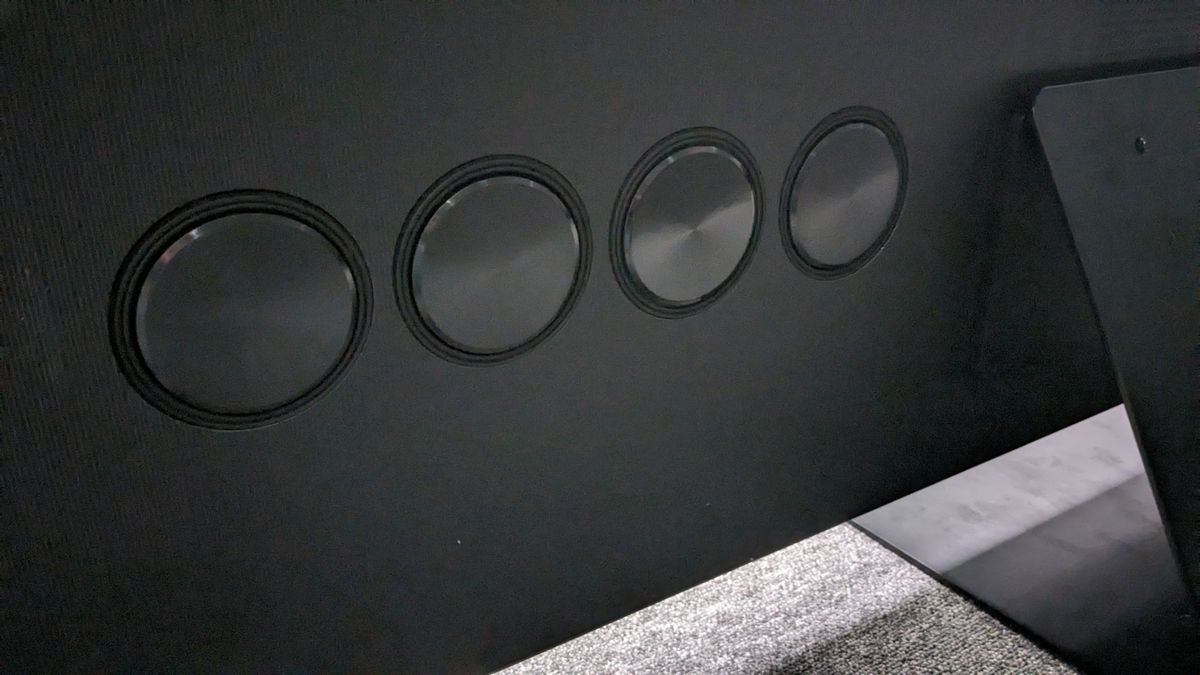
The S90F falls short when it comes to audio. The built-in speakers can handle day-to-day viewing decently enough, but sound becomes strained at louder volumes or with heavy bass. This is a pretty standard problem across the industry, however, and why we recommend pairing your shiny new TV with a soundbar, where you'll also get easy integration with Q-Symphony.
The 65-inch S90F is arguably Samsung’s most attractive TV once you factor in price. It delivers the brightness, color, and gaming prowess of QD-OLED without the big flagship cost, which is why it’s our top pick for most people.
Read our full
The best premium OLED Samsung TV
Image 1 of 7
(Image credit: Future)
(Image credit: Warner Bros / Future)
(Image credit: Future)
(Image credit: Future)
(Image credit: Future)
(Image credit: Future)
(Image credit: Future)
Image 1 of 7
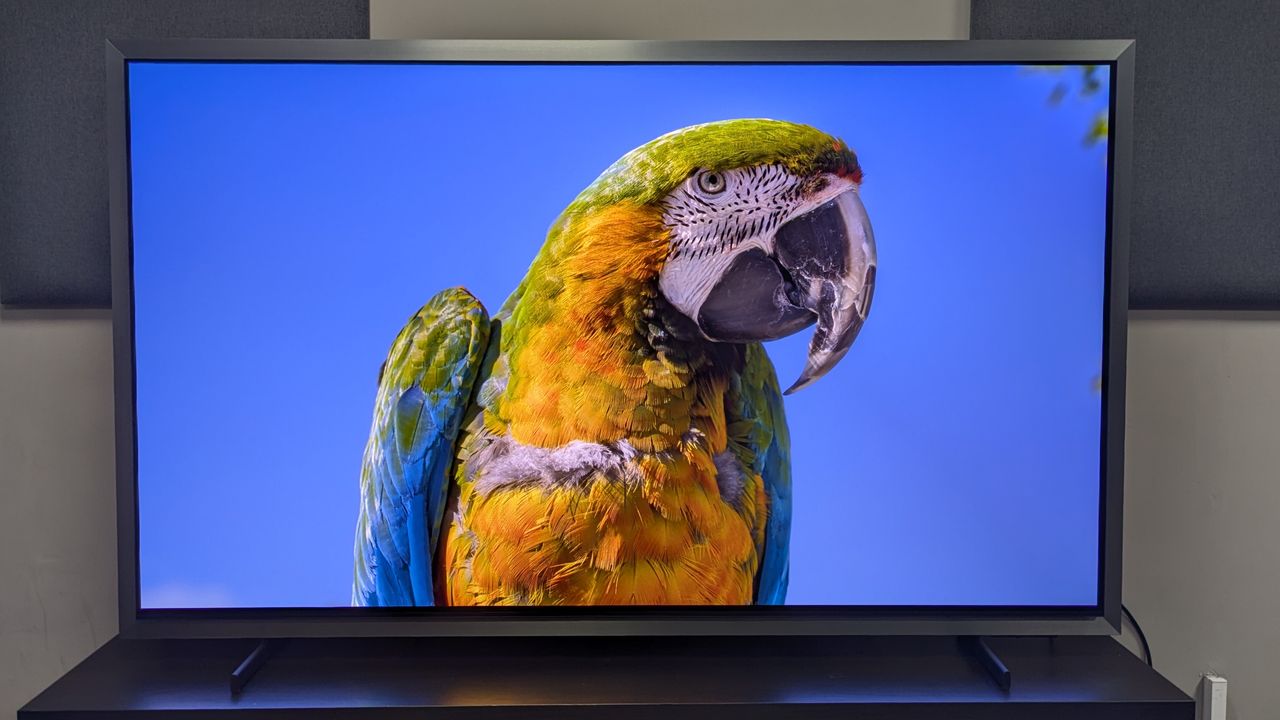
Image 2 of 7
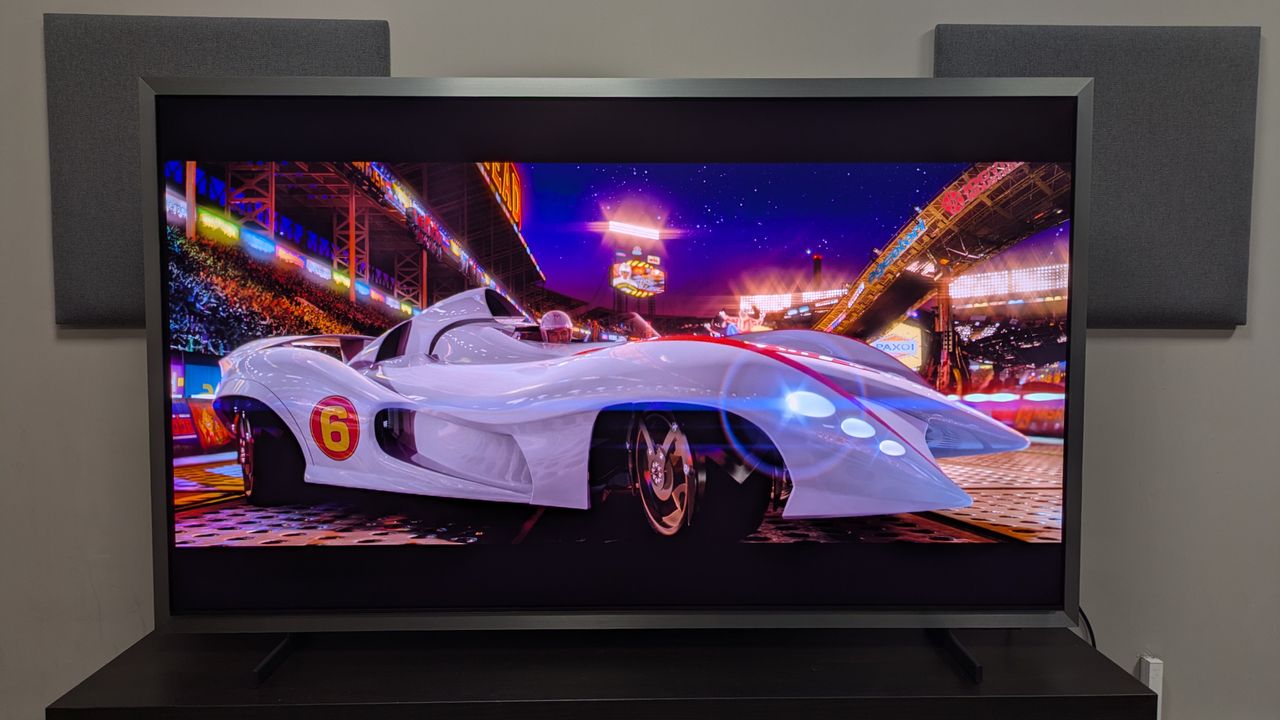
Image 3 of 7
Image 4 of 7
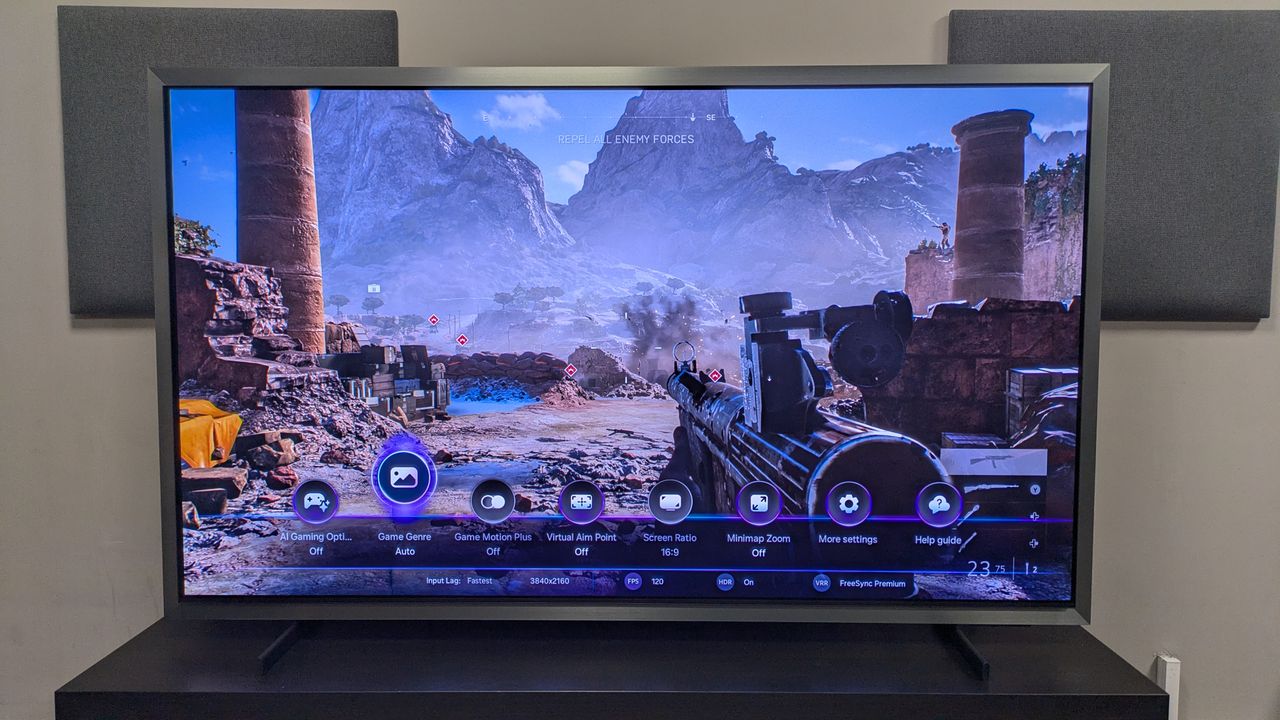
Image 5 of 7
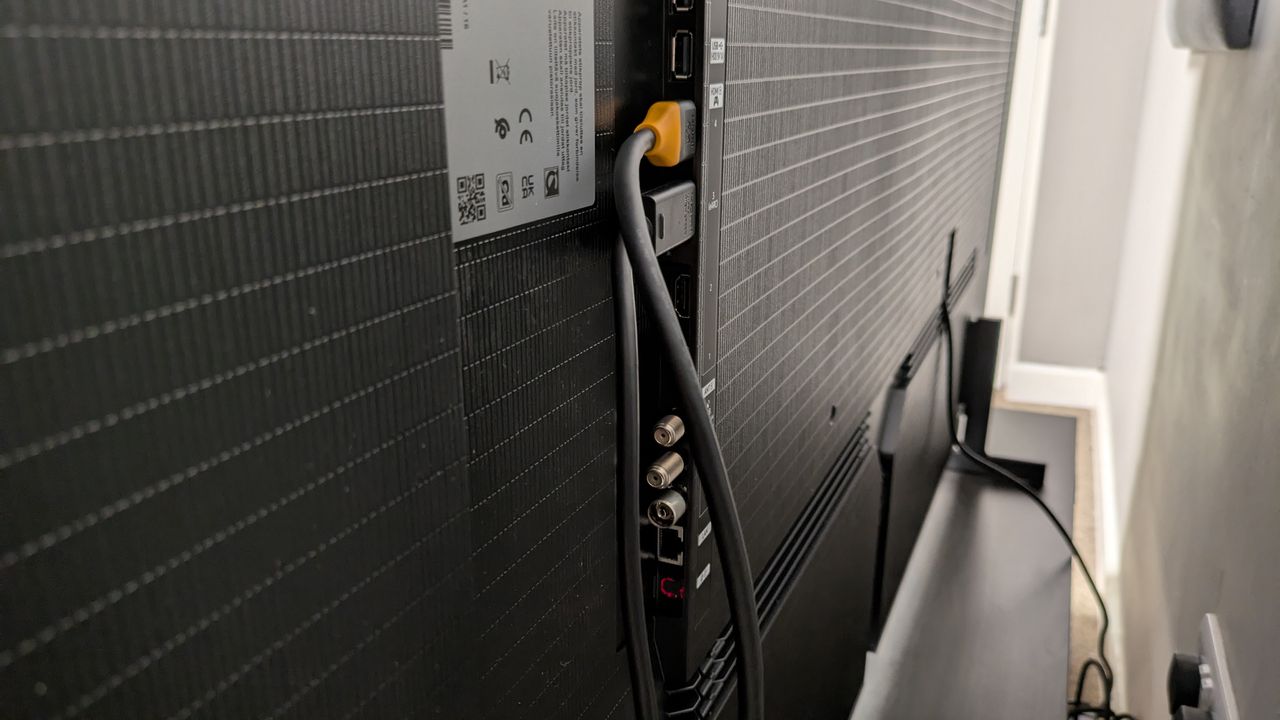
Image 6 of 7
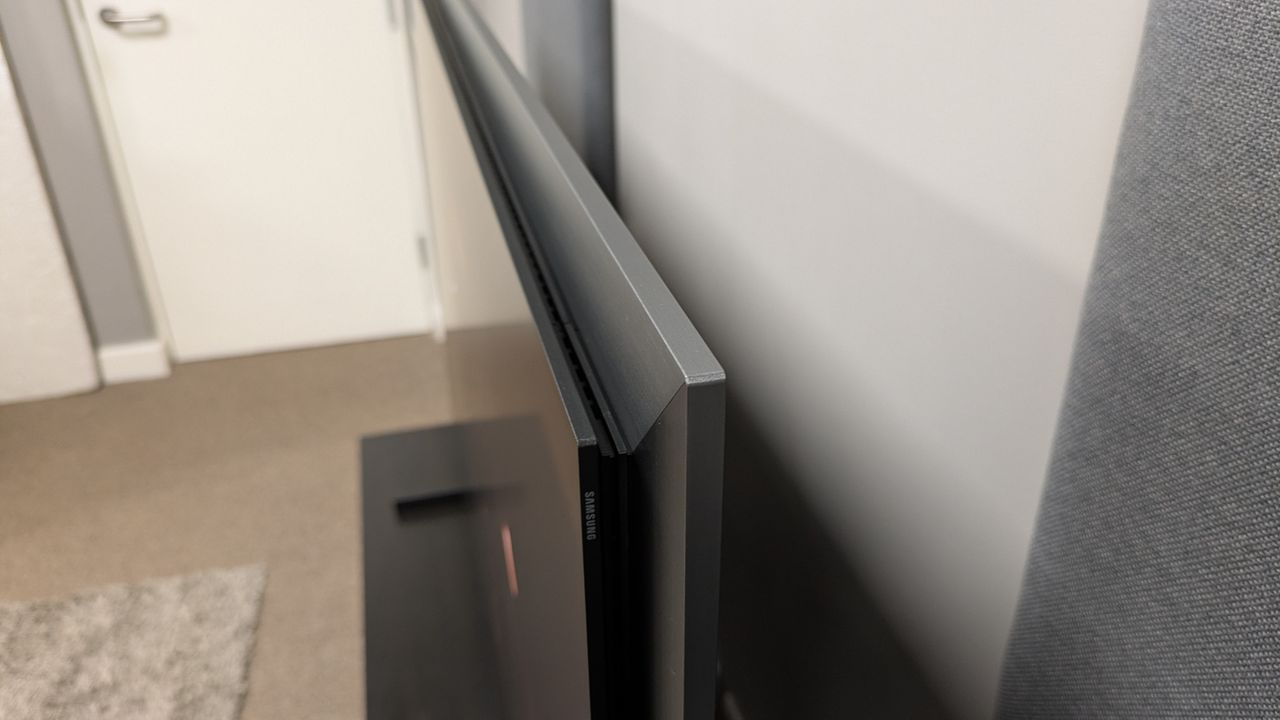
Image 7 of 7
The best Samsung TV overall
Specifications
Screen size: 55, 65, 77 and 83 inches
Resolution: 4K OLED
Panel type: OLED
Smart TV: Tizen
HDR: HDR10+, HDR10, HLG
Reasons to buy
+
Bright and colorful display
+
Anti-reflection screen
+
Lots of gaming features
Reasons to avoid
-
New design is divisive
-
Lacks Dolby Vision
-
Expensive
Buy it if:
✅ You're looking for premium performance: The S95H's display is gorgeous, with punchy colors and life-like textures. ✅ You watch in a bright room: The S95H's anti-reflection screen does a fantastic job of eliminating mirror-like glare.
Don't buy it if:
❌ You want a sleek design: The S95H comes with a silver frame that won't suit every setup – or cater to everyone's taste. ❌ You've got a strict budget: As you might expect from a flagship OLED, the S95H commands a hefty price, and there are cheaper OLEDs available.
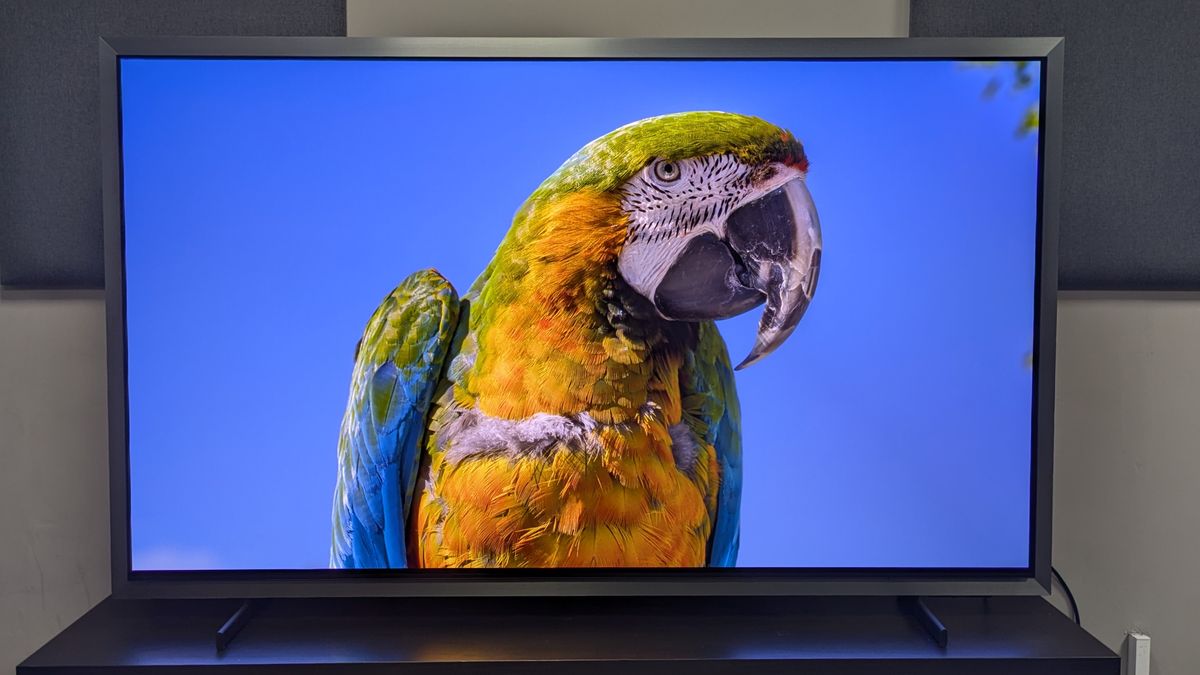
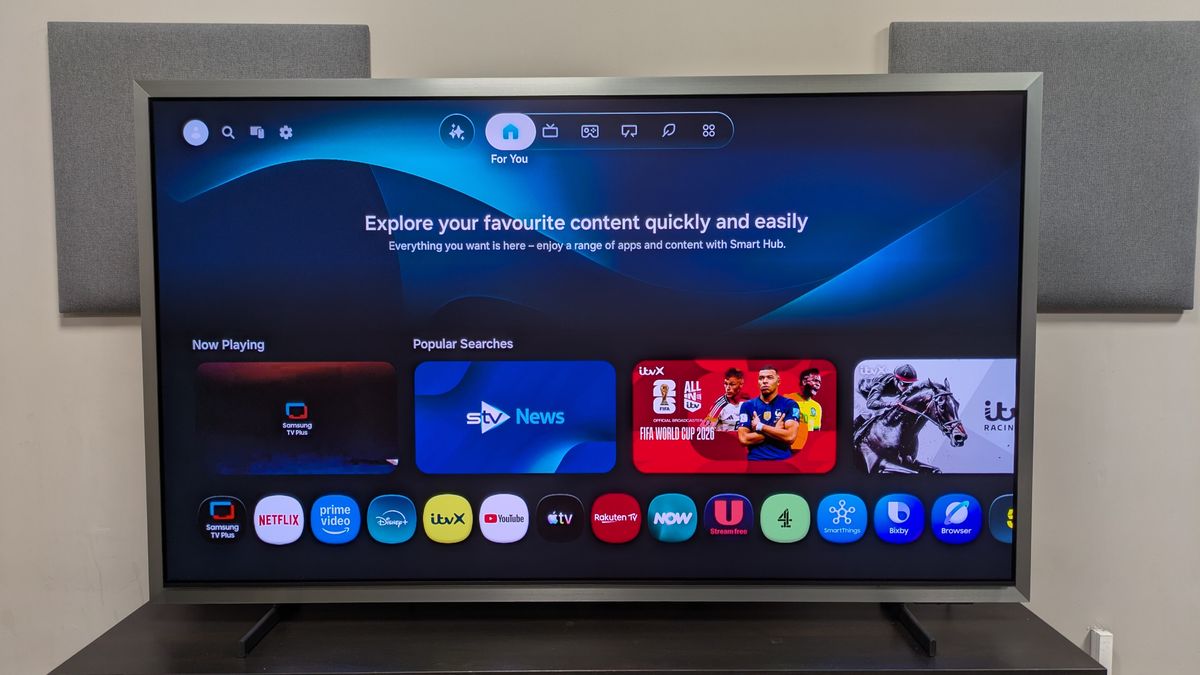
The Samsung S95H is a flagship OLED and one of the stars of the 2026 Samsung line-up. Its picture quality is outstanding, with vivid colors and contrast, and there's a whole heap of AI tools to explore to get even more out of the S95H. Oh, and remember that this TV's model name varies by region. In the US and elsewhere, it's the Samsung S95H, and in the UK it's the Samsung S99H – same TV, different name.
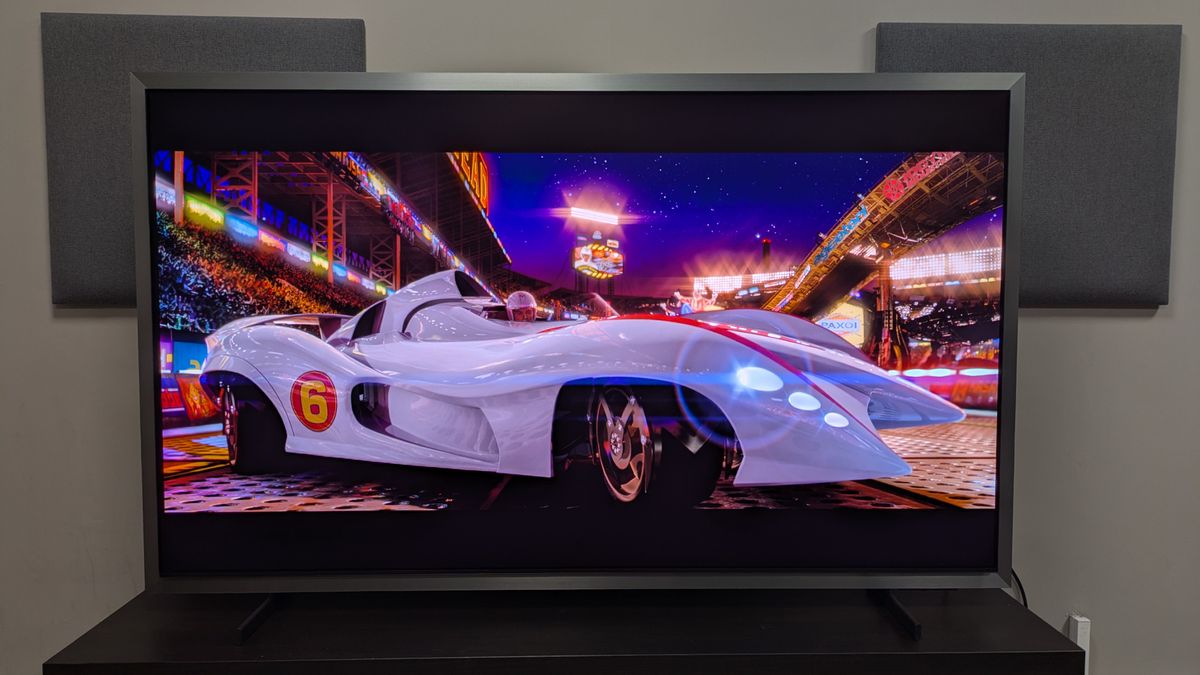
We were impressed by the S95H's brightness when we put it to the test – it's the brightest flagship OLED we've seen to date, in fact. That means that HDR content practically glitters. In our review, we said: "Watching Speed Racer, the S95H delivered bright, bold colors that accurately captured the cartoon-style colours of the movie." The S95H also does a good job of upscaling SDR sources. The anti-reflection screen is the star of the show, though, and kept reflections to a minimum even in our bright testing setup.
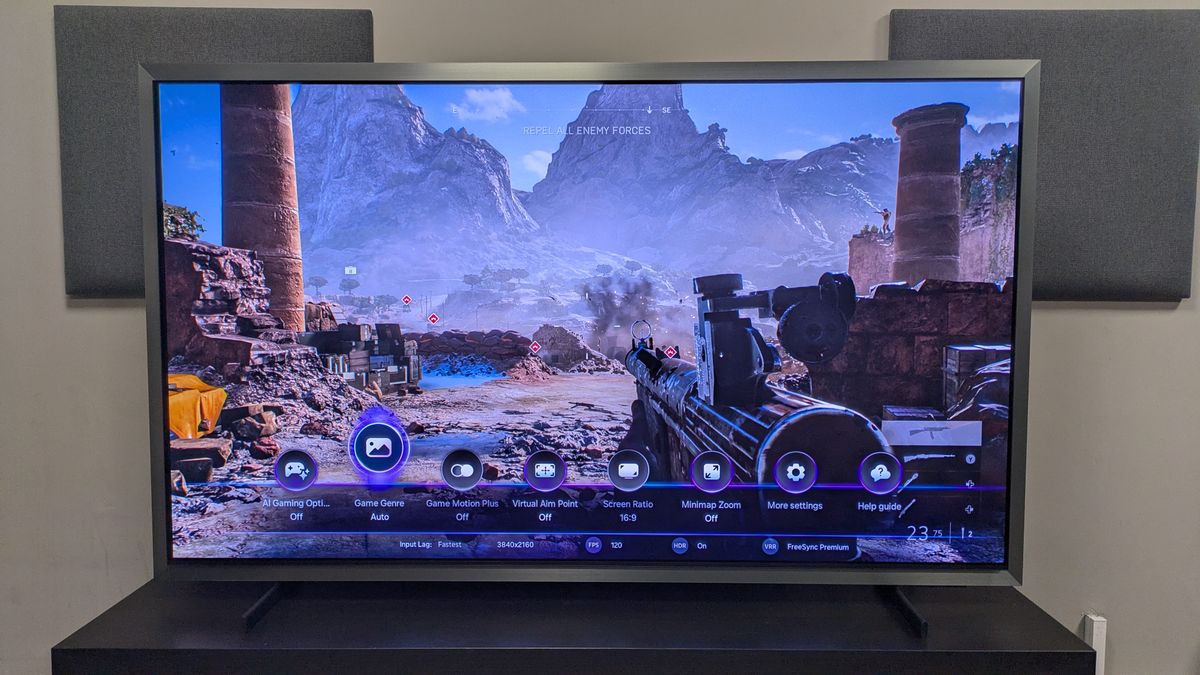
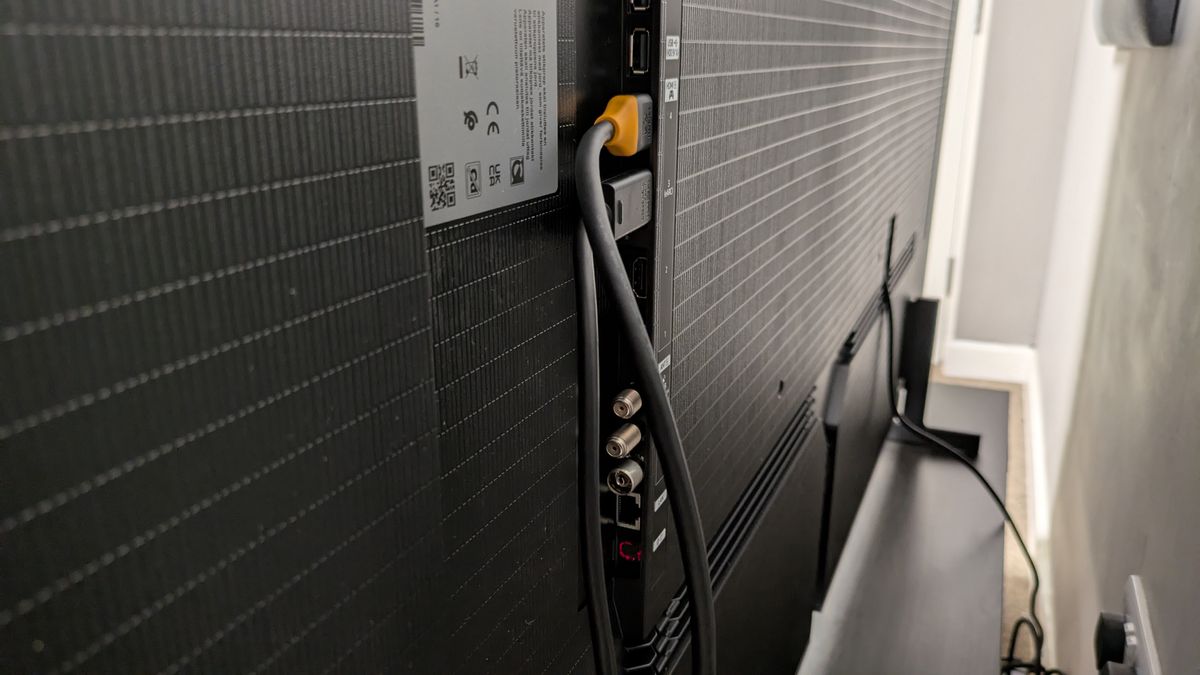
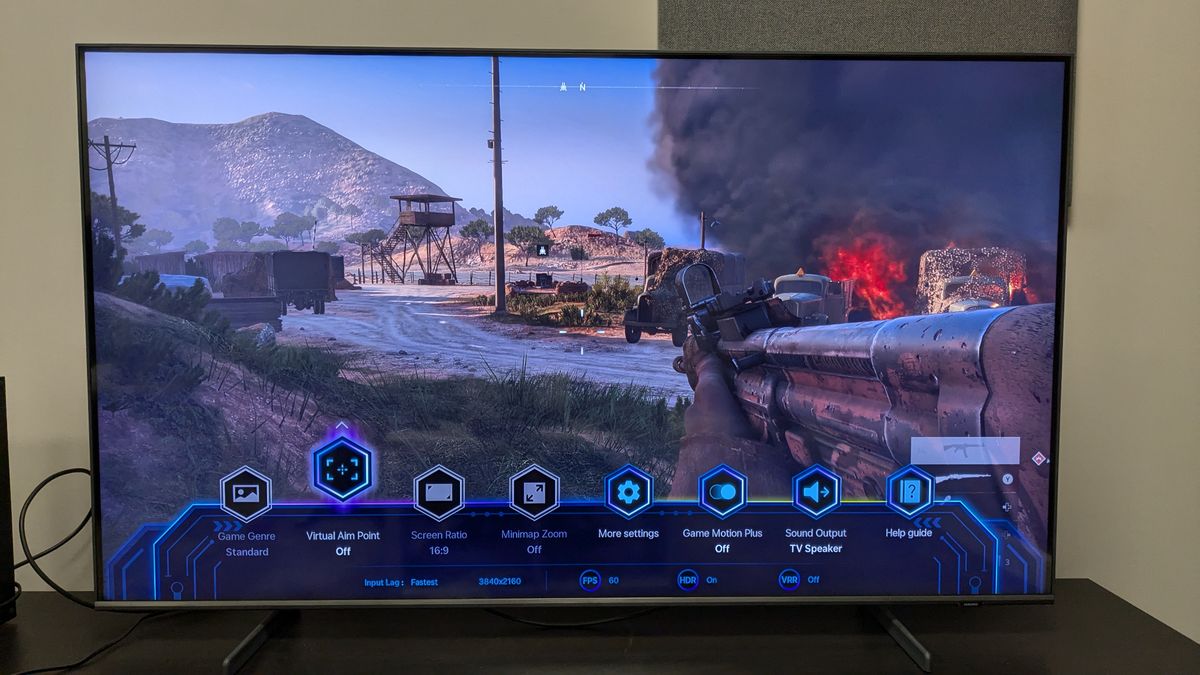
When it comes to gaming, the S95H has all of the features you need for smooth, responsive sessions. It starts with four HDMI 2.1 ports that support 4K 165Hz, full VRR, HDR10+ gaming and ALLM. Ultra-low input lag, at just 9.5ms, is pretty incredible, too, and we didn't notice any judder when zipping around for cover in Battlefield V.
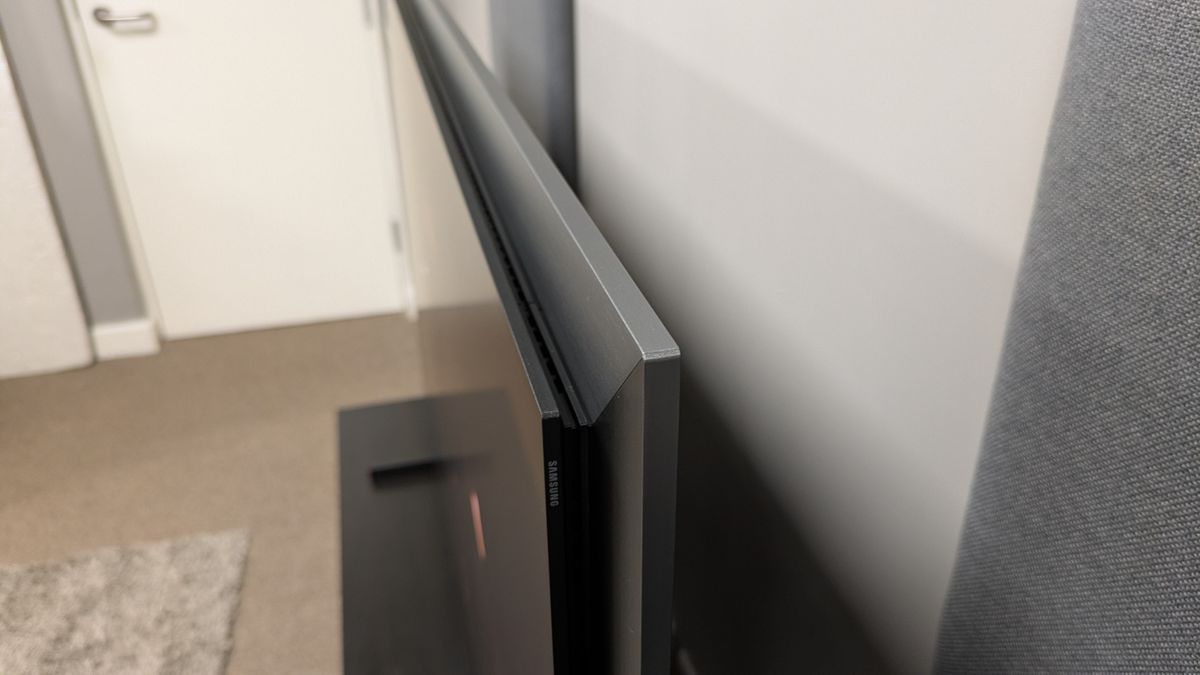
The S95H's design is a talking point, to put it mildly, and one of the biggest changes from last year's . There's a new silver frame around the TV that gives it a 3D, floating look, and the extra height and width it adds means that you'll need to double-check that it fits into your setup. We're not fans of this frame – it's distracting and looks odd when viewed off-centre.
We recommend pairing the S95H with a soundbar. The built-in audio is solid, with punchy bass and clear dialogue, but a soundbar adds extra body and fullness to cinematic scores and effects. Still, it's an extra expense on top of an already pricey TV, even if we believe it justifies the cost with a phenomenal performance.
Read our full review:
1 / 4
Brightness measurements
Taken using a colorimeter and test pattern generator. Click the test name to see more measurements and choose a test from the dropdown menu
HDR Filmmaker ModeHDR Standard ModeSDR Filmmaker ModeSDR Standard Mode
Samsung S95H
HDR Filmmaker Mode (10% window)
2739
HDR Filmmaker Mode (Fullscreen)
449
LG G6
HDR Filmmaker Mode (10% window)
3004
HDR Filmmaker Mode (Fullscreen)
451
Samsung S95F
HDR Filmmaker Mode (10% window)
2132
HDR Filmmaker Mode (Fullscreen)
390
01,0002,0003,0004,000
nits
HDR Filmmaker Mode Data
Product | HDR Filmmaker Mode (10% window) (nits) | HDR Filmmaker Mode (Fullscreen) (nits) |
Samsung S95H | 2739 | 449 |
LG G6 | 3004 | 451 |
Samsung S95F | 2132 | 390 |
Samsung S95H
HDR Standard Mode (10% window)
2831
HDR Standard Mode (Fullscreen)
463
LG G6
HDR Standard Mode (10% window)
2469
HDR Standard Mode (Fullscreen)
385
Samsung S95F
HDR Standard Mode (10% window)
2135
HDR Standard Mode (Fullscreen)
380
07501,5002,2503,000
nits
HDR Standard Mode Data
Product | HDR Standard Mode (10% window) (nits) | HDR Standard Mode (Fullscreen) (nits) |
Samsung S95H | 2831 | 463 |
LG G6 | 2469 | 385 |
Samsung S95F | 2135 | 380 |
Samsung S95H
SDR Filmmaker Mode (10% window)
220
SDR Filmmaker Mode (Fullscreen)
219
LG G6
SDR Filmmaker Mode (10% window)
559
SDR Filmmaker Mode (Fullscreen)
390
Samsung S95F
SDR Filmmaker Mode (10% window)
256
SDR Filmmaker Mode (Fullscreen)
137
0150300450600
nits
SDR Filmmaker Mode Data
Product | SDR Filmmaker Mode (10% window) (nits) | SDR Filmmaker Mode (Fullscreen) (nits) |
Samsung S95H | 220 | 219 |
LG G6 | 559 | 390 |
Samsung S95F | 256 | 137 |
Samsung S95H
SDR Standard Mode (10% window)
229
SDR Standard Mode (Fullscreen)
229
LG G6
SDR Standard Mode (10% window)
648
SDR Standard Mode (Fullscreen)
559
Samsung S95F
SDR Standard Mode (10% window)
372
SDR Standard Mode (Fullscreen)
199
0200400600800
nits
SDR Standard Mode Data
Product | SDR Standard Mode (10% window) (nits) | SDR Standard Mode (Fullscreen) (nits) |
Samsung S95H | 229 | 229 |
LG G6 | 648 | 559 |
Samsung S95F | 372 | 199 |

HDR color gamut
Closer to 100% is better. Taken using a colorimeter and test pattern generator.
Samsung S95H
UHDA-P3
99.97
BT.2020
89.2
LG G6
UHDA-P3
99.3
BT.2020
83
Samsung S95F
UHDA-P3
100
BT.2020
89.3
0255075100
HDR Filmmaker Mode Data
Product | UHDA-P3 () | BT.2020 () |
Samsung S95H | 99.97 | 89.2 |
LG G6 | 99.3 | 83 |
Samsung S95F | 100 | 89.3 |
Picture accuracy
A lower score is better. Taken using a colorimeter and test pattern generator.
SDR Delta-E
Samsung S95H
1.6
LG G6
1.4
Samsung S95F
2.61
0123
SDR Delta-E Data
Product | Value |
Samsung S95H | 1.6 |
LG G6 | 1.4 |
Samsung S95F | 2.61 |
Input lag
Lower is better. Taken using a Leo Bodnar 4K HDMI Video Signal Lag Tester.
Samsung S95H
4K 60Hz
9.5
1080p 120Hz
5
LG G6
4K 60Hz
8.9
1080p 120Hz
4.6
Samsung S95F
4K 60Hz
9.5
1080p 120Hz
0
012345678910
ms
HDR Filmmaker Mode Data
Product | 4K 60Hz (ms) | 1080p 120Hz (ms) |
Samsung S95H | 9.5 | 5 |
LG G6 | 8.9 | 4.6 |
Samsung S95F | 9.5 | N/A |
The Samsung S95F does not have a recorded 1080p 120Hz results as its measurements was taken before we started doing this test
The best budget Samsung TV
Image 1 of 5
(Image credit: Future)
(Image credit: Future)
(Image credit: Future)
(Image credit: Future)
(Image credit: Future)
Image 1 of 5
Image 2 of 5
Image 3 of 5
Image 4 of 5
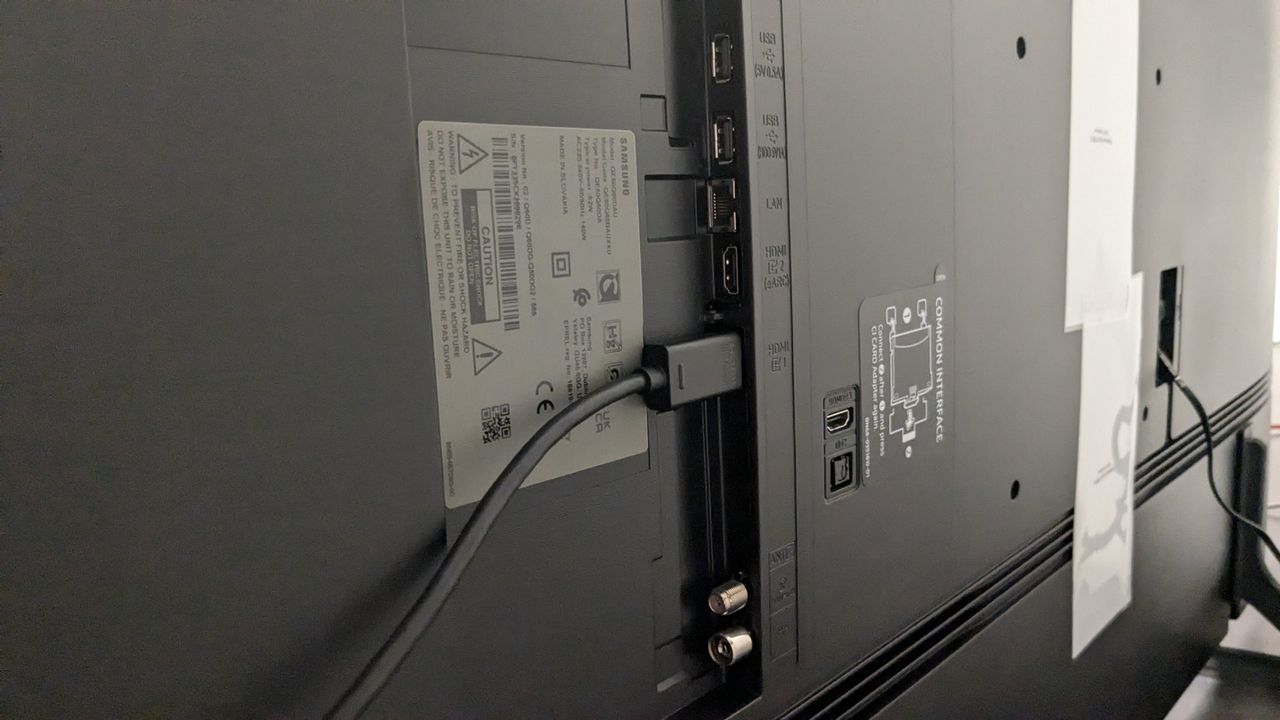
Image 5 of 5
The best budget Samsung TV
Specifications
Screen size: 32, 43, 50, 55, 65, 75, 85-inch
Resolution: 4K
Panel type: LED
Smart TV: Tizen
HDR: HDR10, HLG, HDR10+
Reasons to buy
+
Detailed, colorful picture
+
Better than anticipated contrast
+
Slim, premium design
Reasons to avoid
-
Thin-sounding audio
-
No 4K 120Hz or VRR support
-
Similarly priced mini-LED TVs are available
Buy it if:
✅ You want a QLED TV on a budget: The Samsung Q60D gives you a TV with QLED screen tech cheaper than any other Samsung model.
✅ You want a cheap TV that also looks good: The Samsung Q60D has an appealing design you won't often find at this price range.
Don't buy it if:
❌ You want the best Samsung TV for gaming: The Samsung Q60D is missing some key gaming features, including 4K 120Hz and VRR.
❌You don't want to use a soundbar: The Samsung Q60D's built-in sound is on the thin side, lacking bass and immersion due to its limited speaker array.
The Samsung Q60D is one of the best value TVs in this guide, offering a QLED panel for brighter, more colorful pictures, a decent array of smart features, cloud gaming options, and an appealing design at an affordable price.
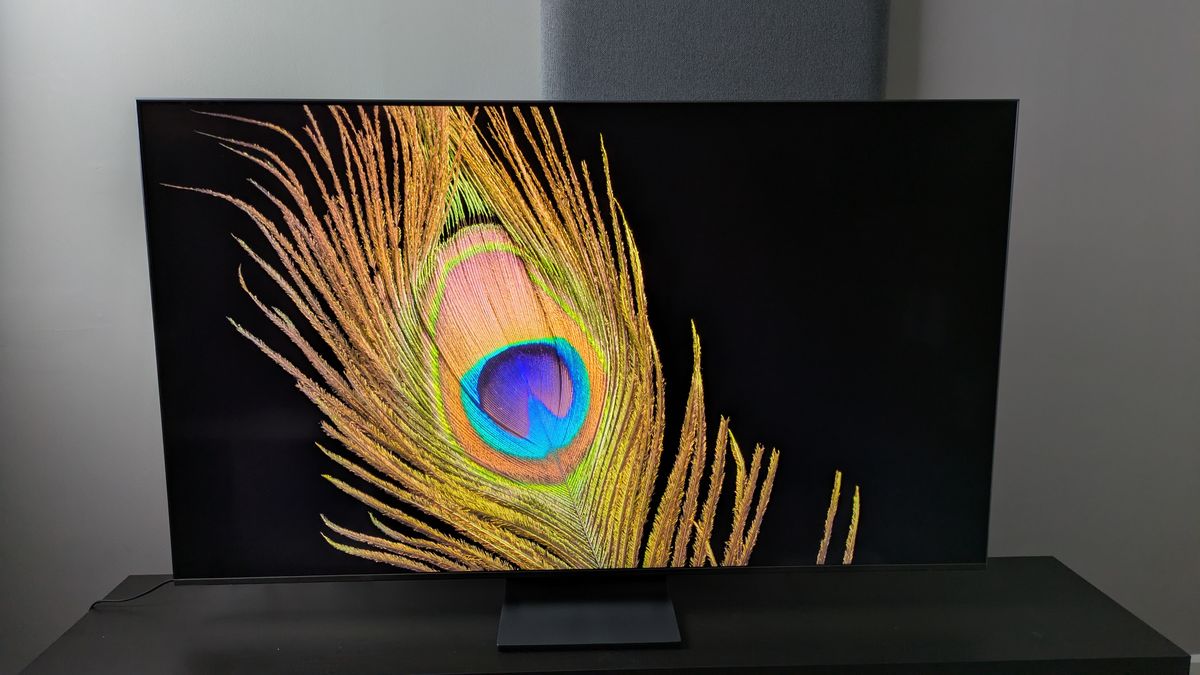
When we tested the Q60D, we were surprised at how good the details and textures looked, even compared to more premium Samsung TVs such as the Samsung S95D and Samsung QN90D. We were also impressed by its color, which we found to have "plenty of punch while also maintaining a natural look". Black levels and contrast were also solid for the price range thanks to the Q60D's Dual LED tech, although shadows did take on a gray wash with dimmer images.
The Q60D is fairly light on gaming features, but what it does have is impressive for a budget model. There's no 4K 120Hz or VRR support – features found in step-up Samsung TVs – but it does support ALLM and cloud gaming options from Xbox, Luna, and more. All in all, a pretty decent gaming suite.
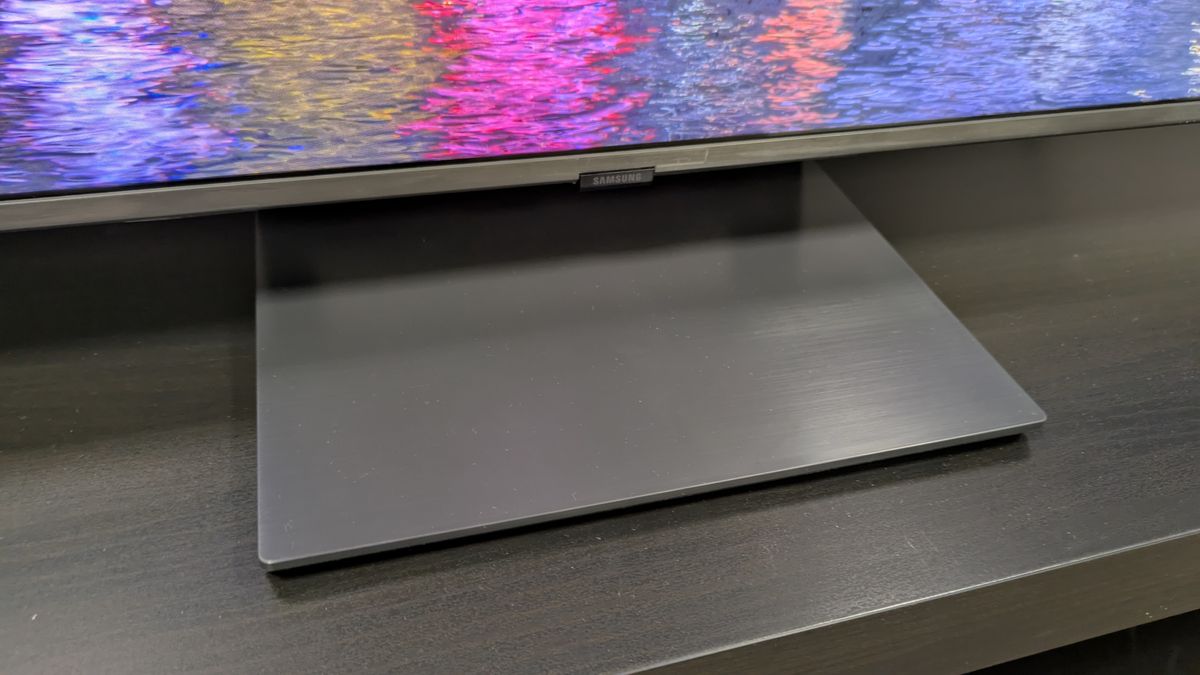
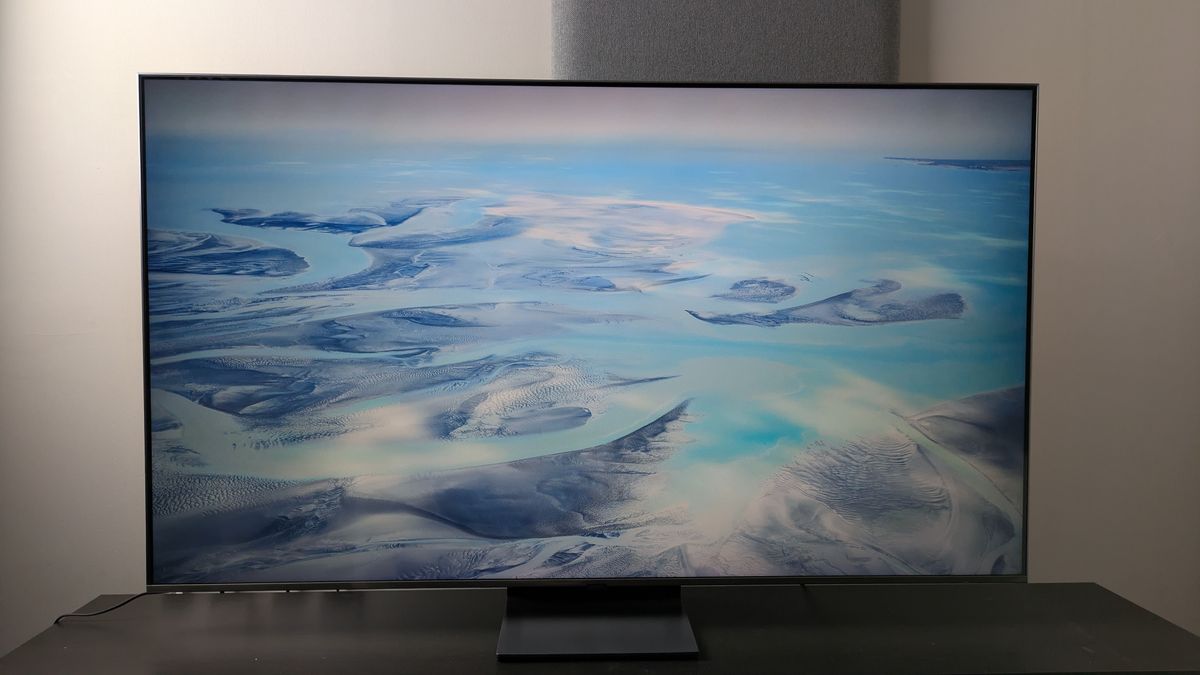
It also has an appealing design with a slim profile and trim bezel that give it a more premium look than you'd expect at this price. Unfortunately, the Q60D suffers from thin sound, and it faces stiff competition from cheap mini-LEDs such as the Hisense U6N and Hisense U7N, but it's still a great, affordable option and the best cheap Samsung TV overall.
Read our full
The best mid-range Samsung TV
Image 1 of 5
(Image credit: Future)
(Image credit: Future)
(Image credit: Future)
(Image credit: Future)
(Image credit: Future)
Image 1 of 5
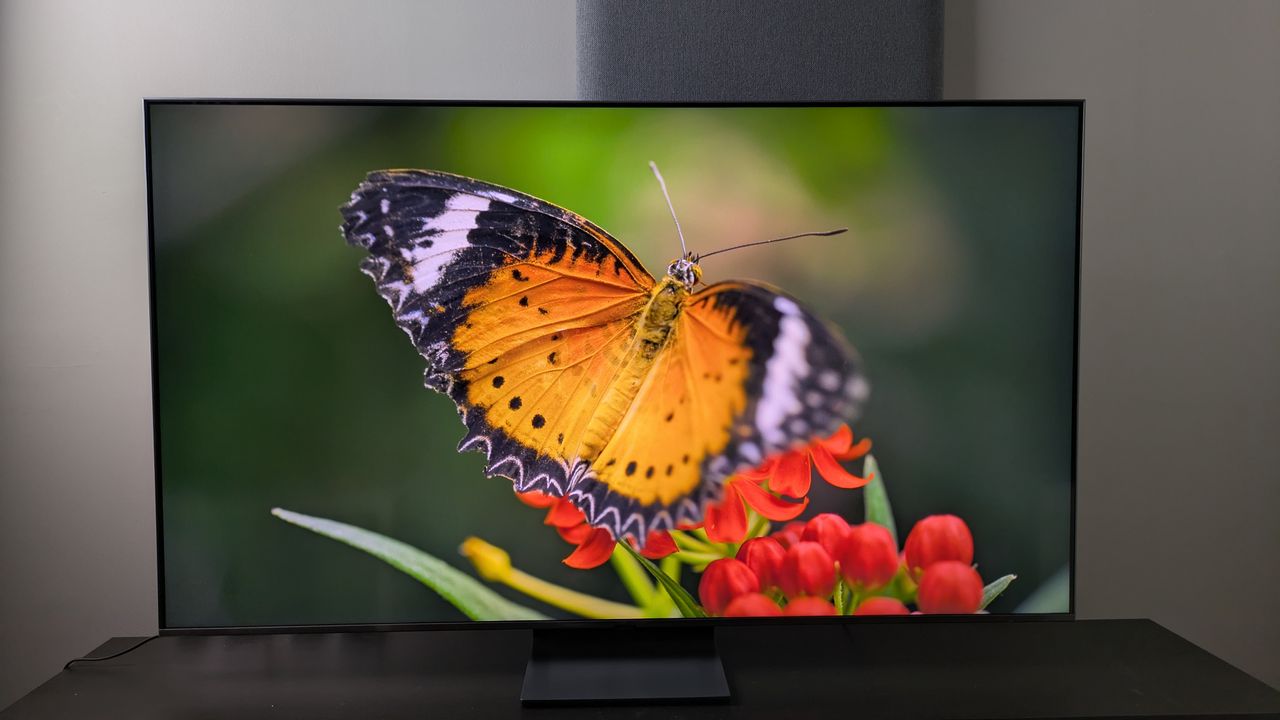
Image 2 of 5
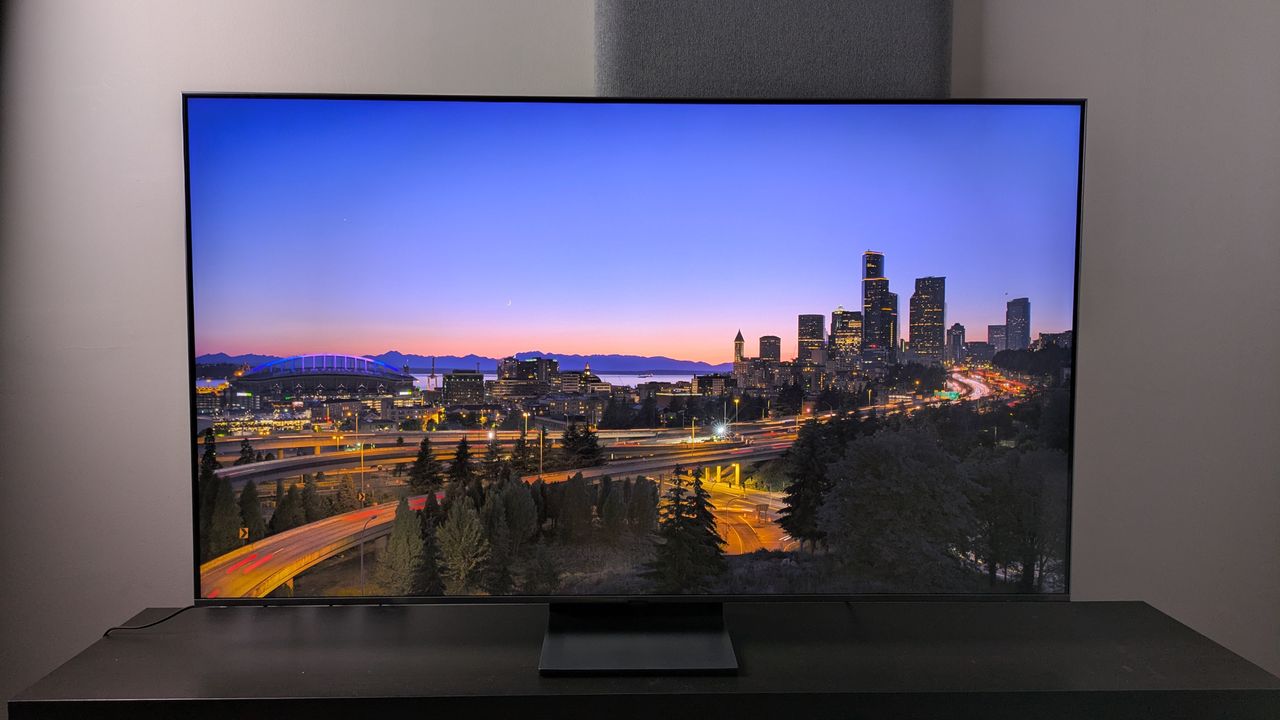
Image 3 of 5
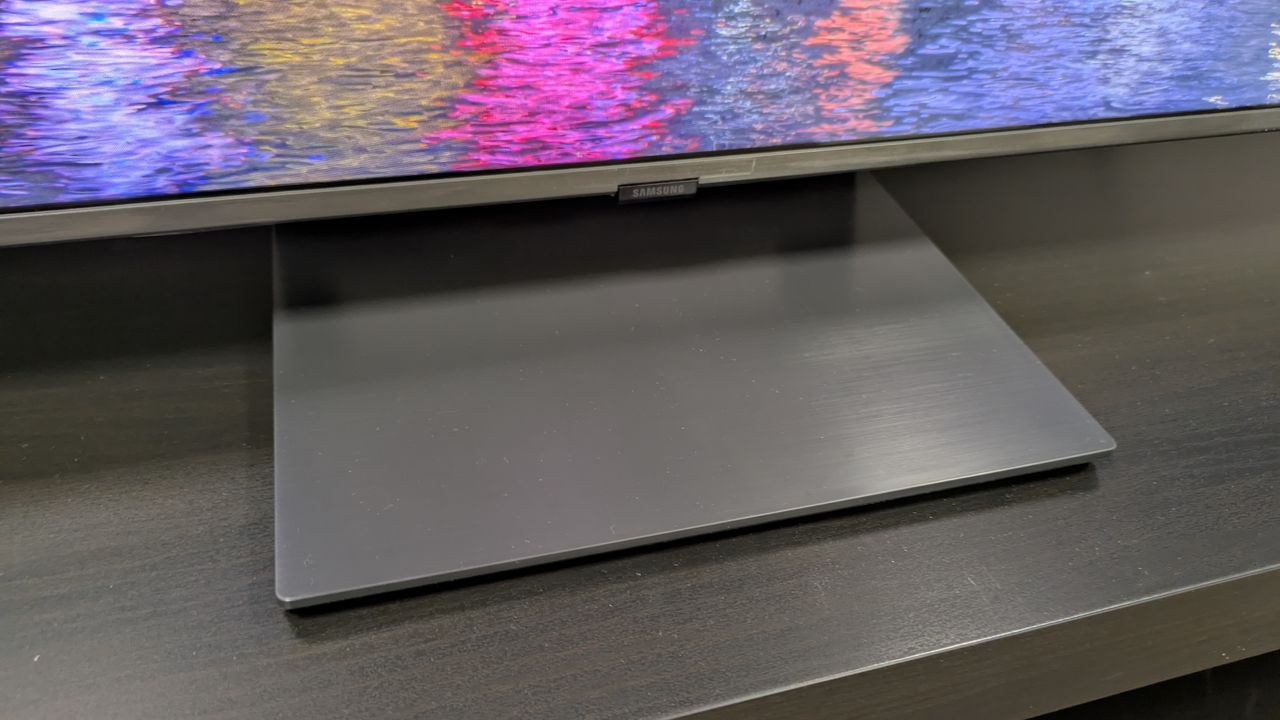
Image 4 of 5
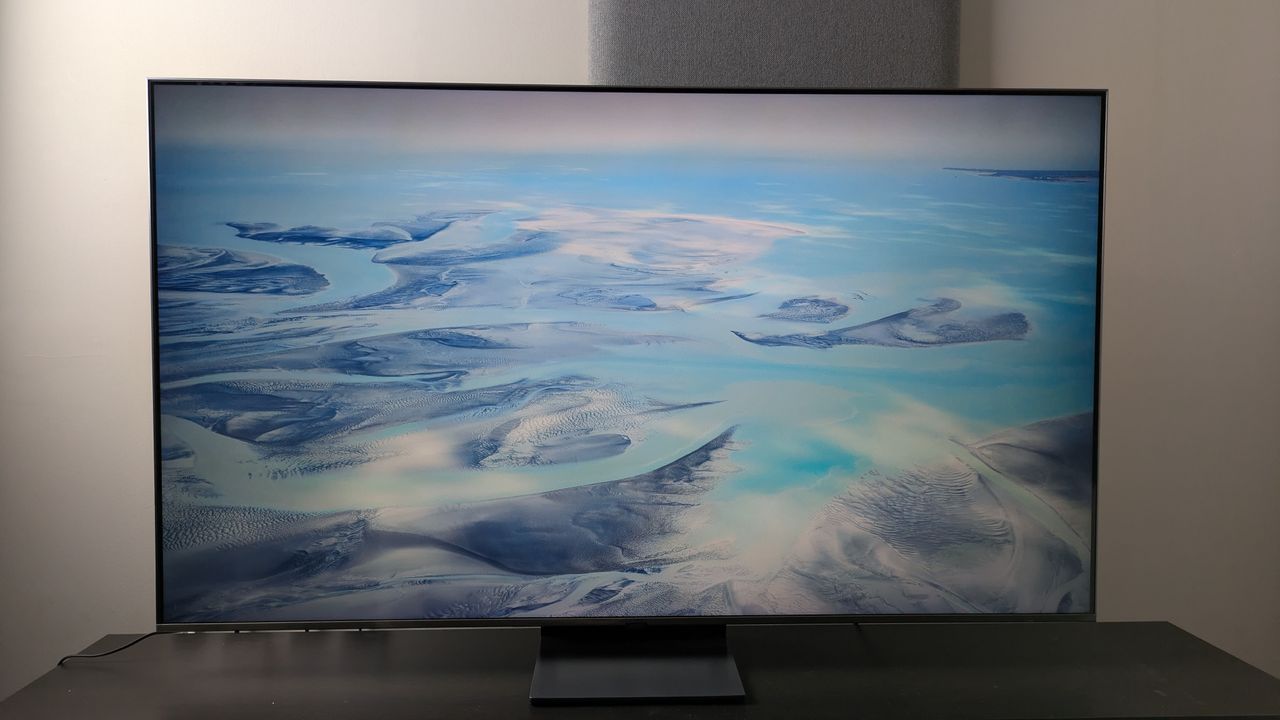
Image 5 of 5
The best mid-range Samsung TV
Specifications
Screen size: 50, 55, 65, 75, 85, 100-inches
Resolution: 4K
Panel type: QLED with mini-LED
Smart TV: Tizen
HDR: HLG, HDR10, HDR10+
Reasons to buy
+
Punchy colors
+
Great gaming features and performance
+
Improved smart TV platform
Reasons to avoid
-
Reflective screen
-
Pricey compared to rivals
-
No Dolby Vision HDR
Buy it if:
✅ You want bold, natural color: The QN80F delivers vibrant, punchy colors that still look true to life. ✅ You’re a gamer: With 4K at 144Hz, AMD FreeSync Premium Pro, ALLM, HDR10+ gaming, and four HDMI 2.1 ports, the QN80F offers smooth, responsive performance.
Don't buy it if:
❌ You want Dolby Vision HDR: Like all Samsung TVs, the QN80F skips Dolby Vision, though it supports HDR10+. ❌ You have a very bright room: During testing, we found that the QN80F’s reflective screen can show distracting, mirror-like reflections in strong light.
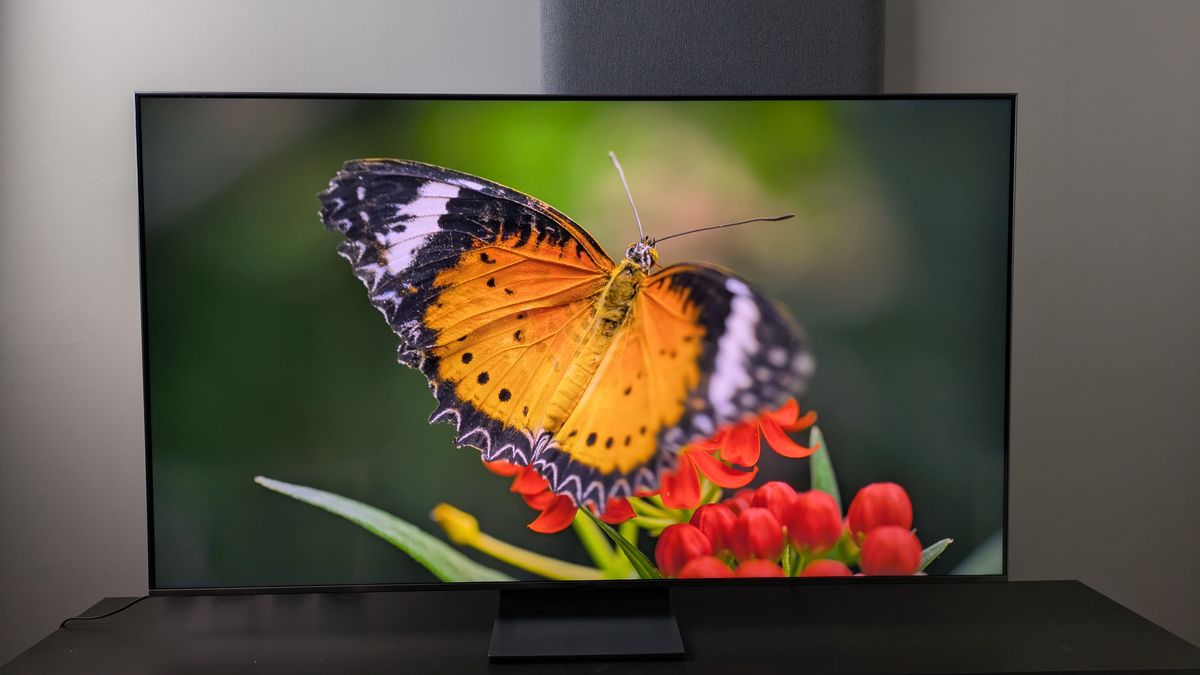
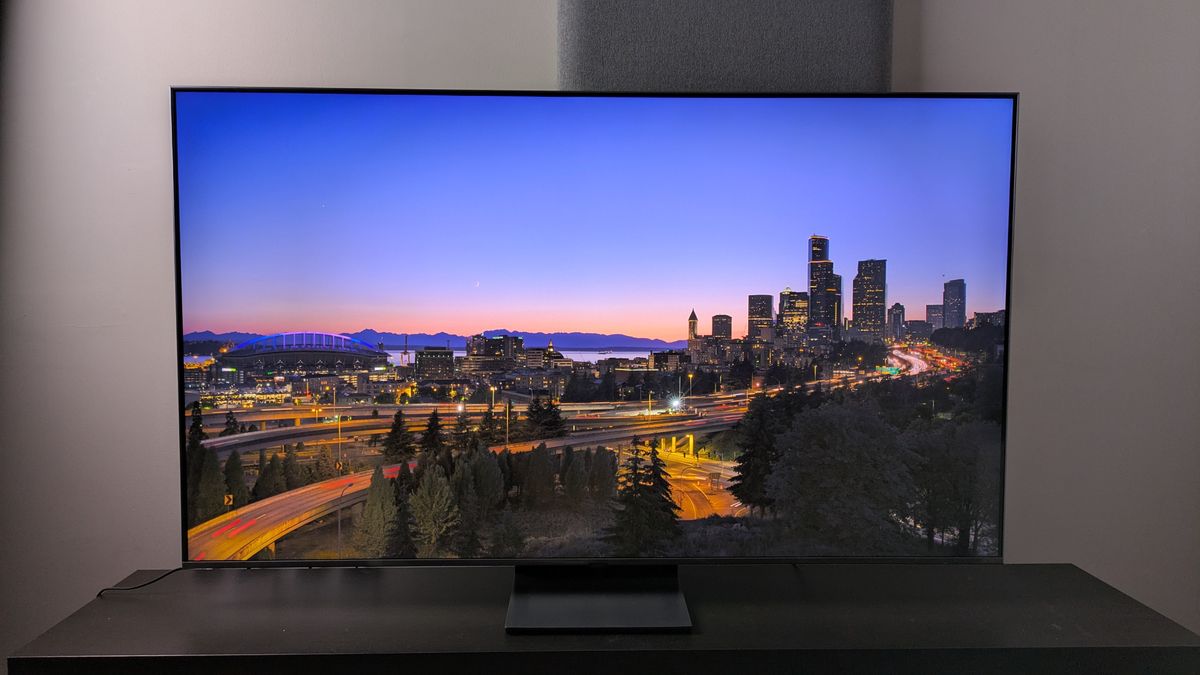
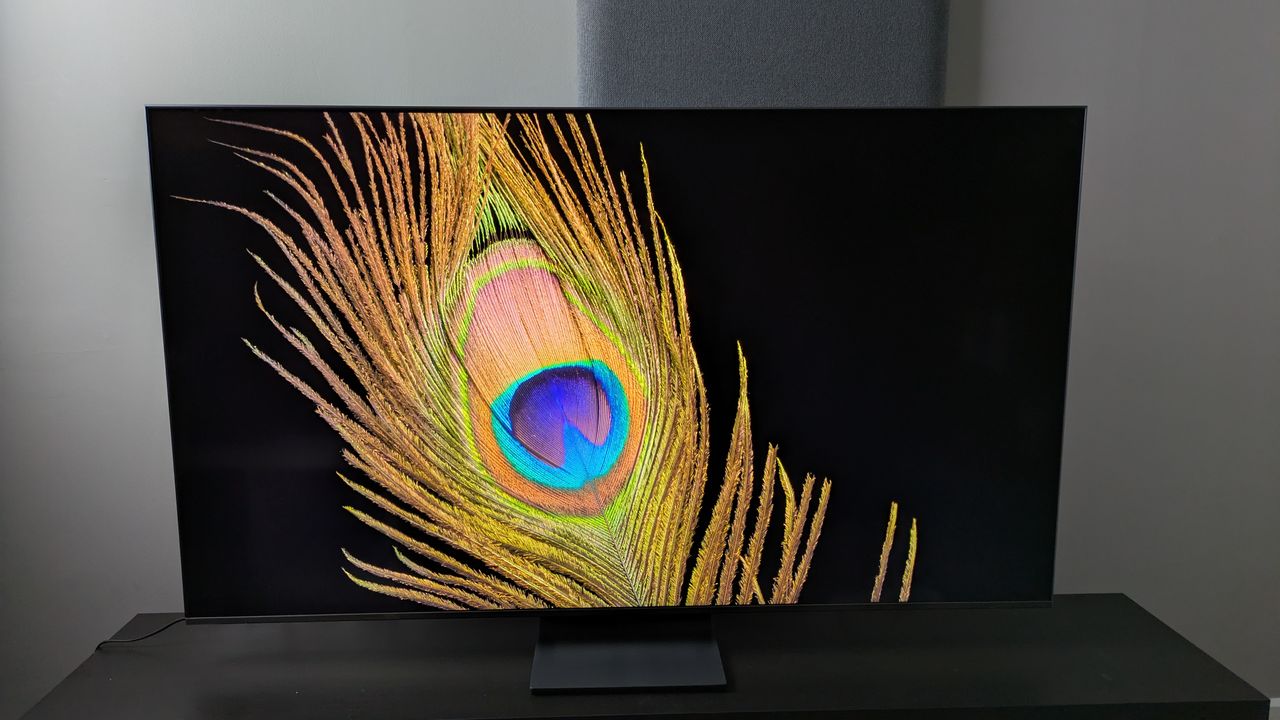
Samsung’s QN80 range has long given us strong, mid-range options in the company’s lineup. It always delivers a solid balance of performance, features, and price – and the latest Samsung QN80F continues that tradition.
This year’s model brings a brightness boost over the QN80D and has vibrant, punchy colors and good overall contrast for a mini-LED TV at this mid-range price point. While it does lack the glare-free screen you’ll now find on the step-up QN90F, the QN80F still performs well in most lighting conditions, though reflections can be an issue in very bright rooms. Off-axis viewing is also less consistent than higher-end models. Expect some contrast and color loss from wider angles.
Gaming is a real highlight here. All four HDMI 2.1 ports on offer support 4K at 144Hz, VRR (including AMD FreeSync Premium Pro) and ALLM, with the Samsung Game Hub bringing both console and cloud gaming features together in one place. Input lag is low, too, making it an excellent choice for fast-paced games.
Design is solid if not as sleek as Samsung’s premium sets, and while built-in sound won’t rival a dedicated soundbar, it’s capable enough for everyday viewing.
The Samsung QN80F might not have the anti-glare sophistication or off-axis performance of pricier models, but its combination of brightness, color, and gaming features makes it one of the most appealing mid-range mini-LED options in Samsung’s 2025 lineup.
Read our full
The best 8K Samsung TV
Image 1 of 6
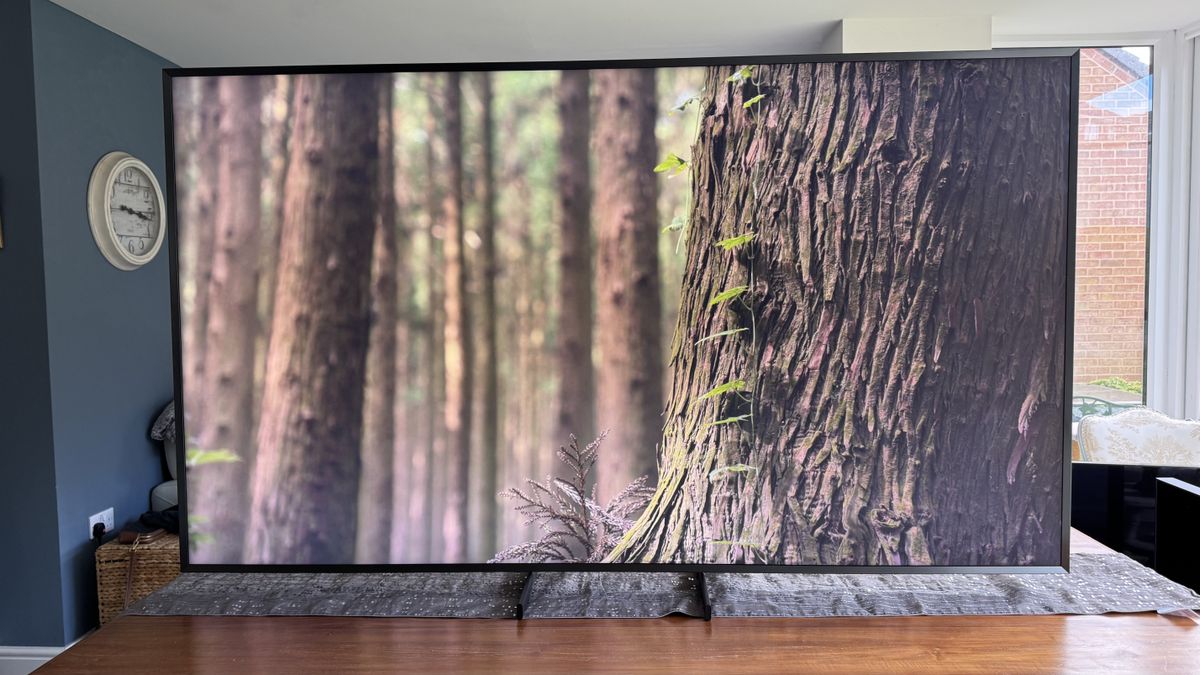
(Image credit: Future)
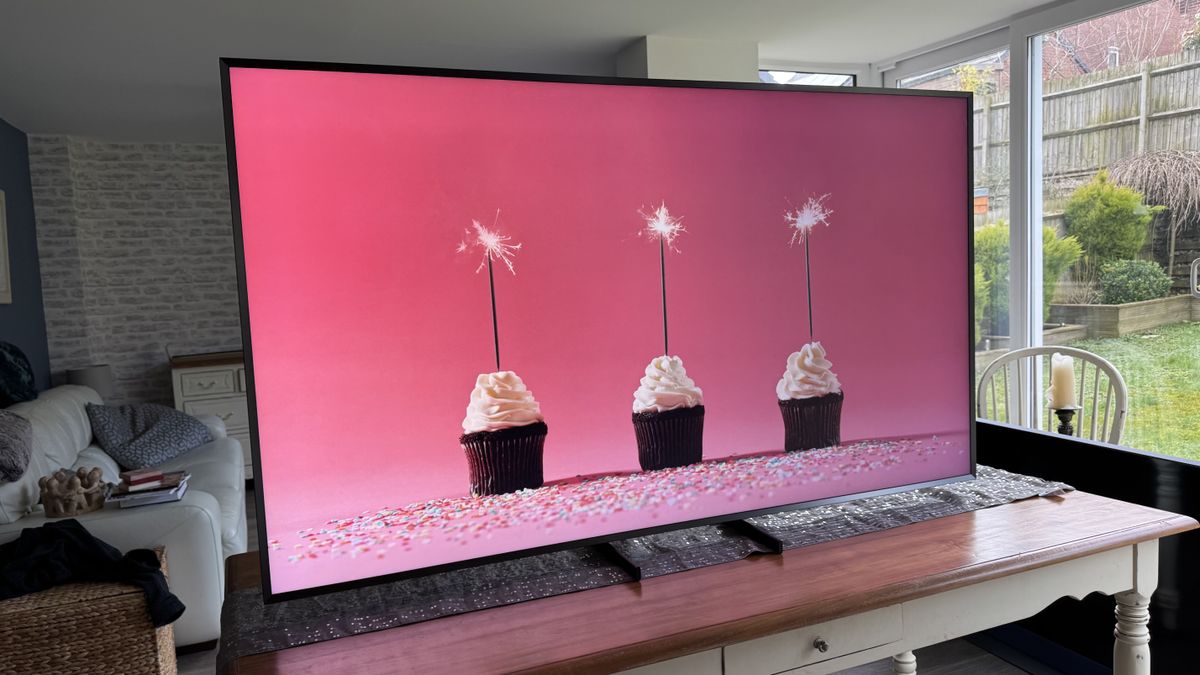
(Image credit: Future)
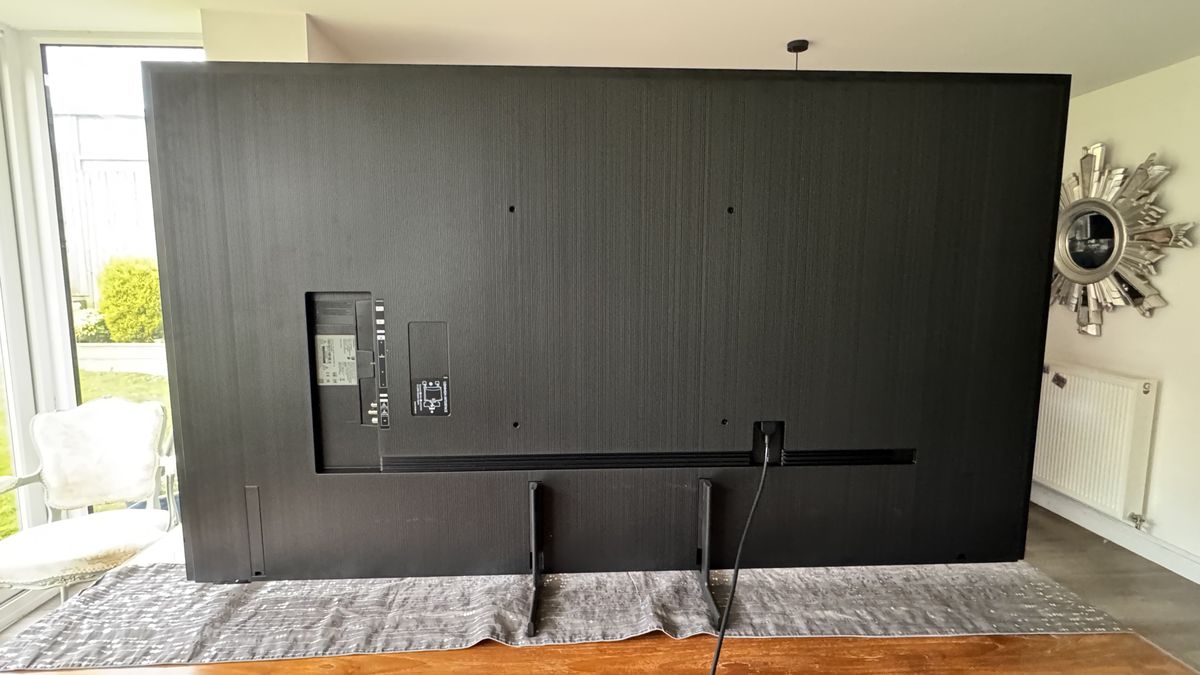
(Image credit: Future)
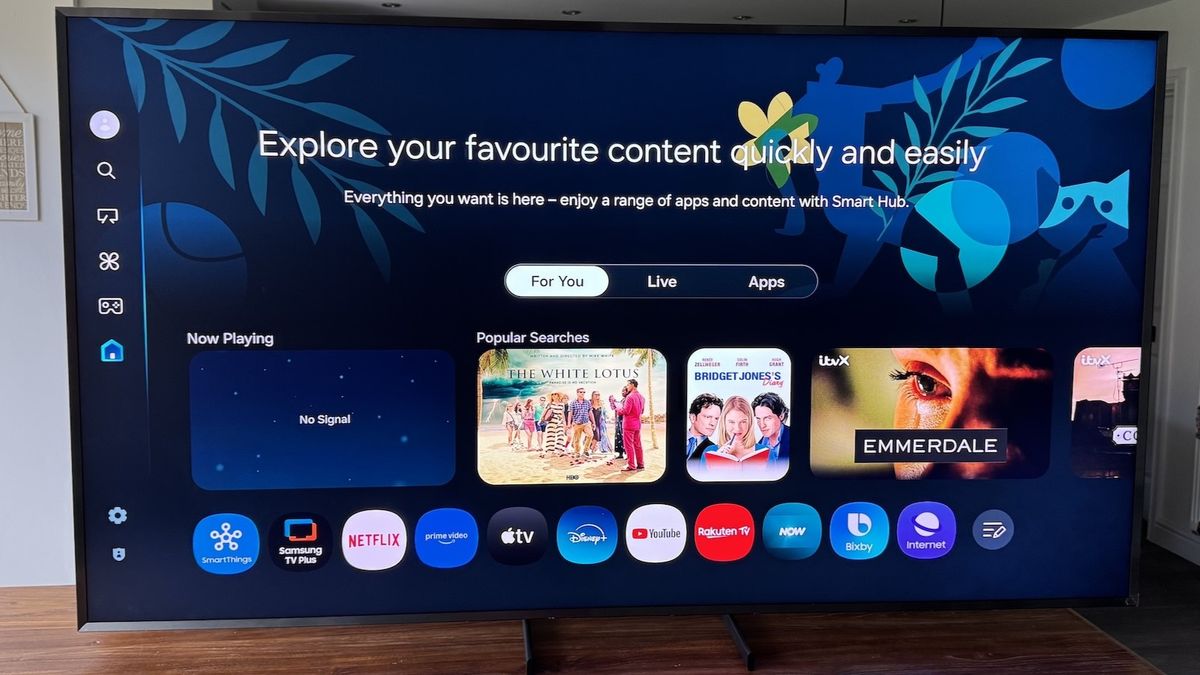
(Image credit: Future)
(Image credit: Future)
(Image credit: Future)
Image 1 of 6
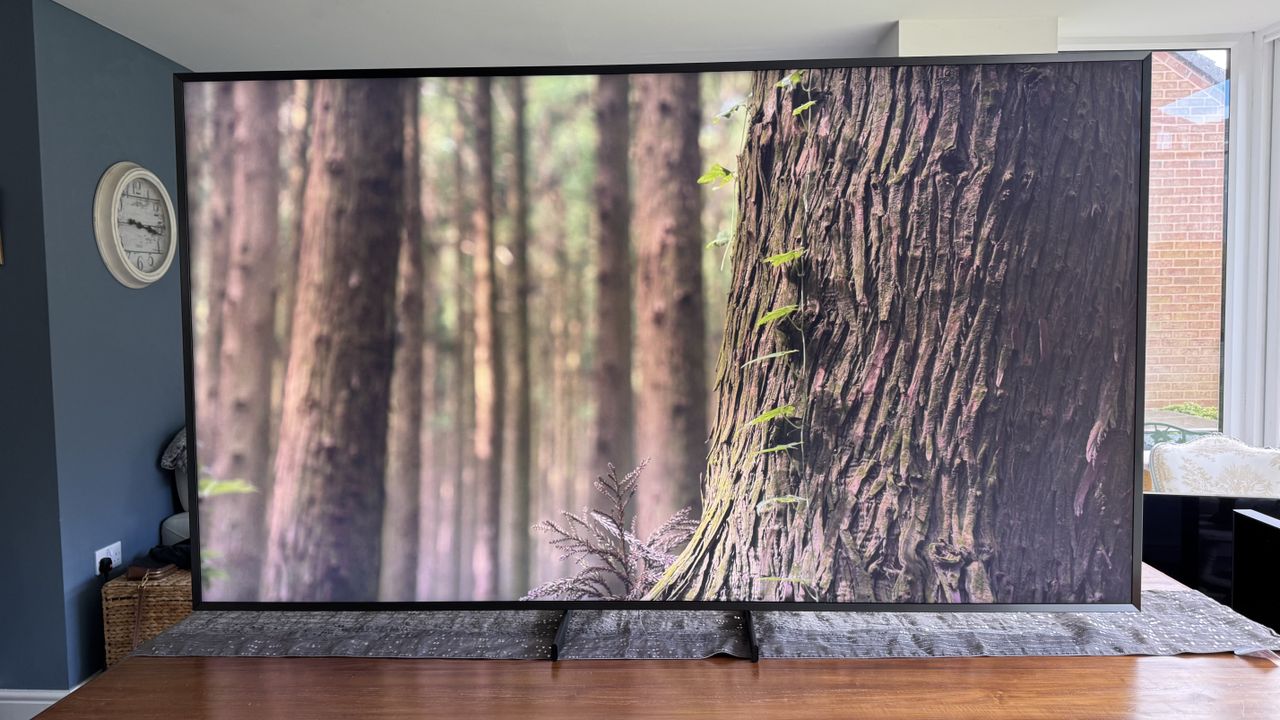
Image 2 of 6
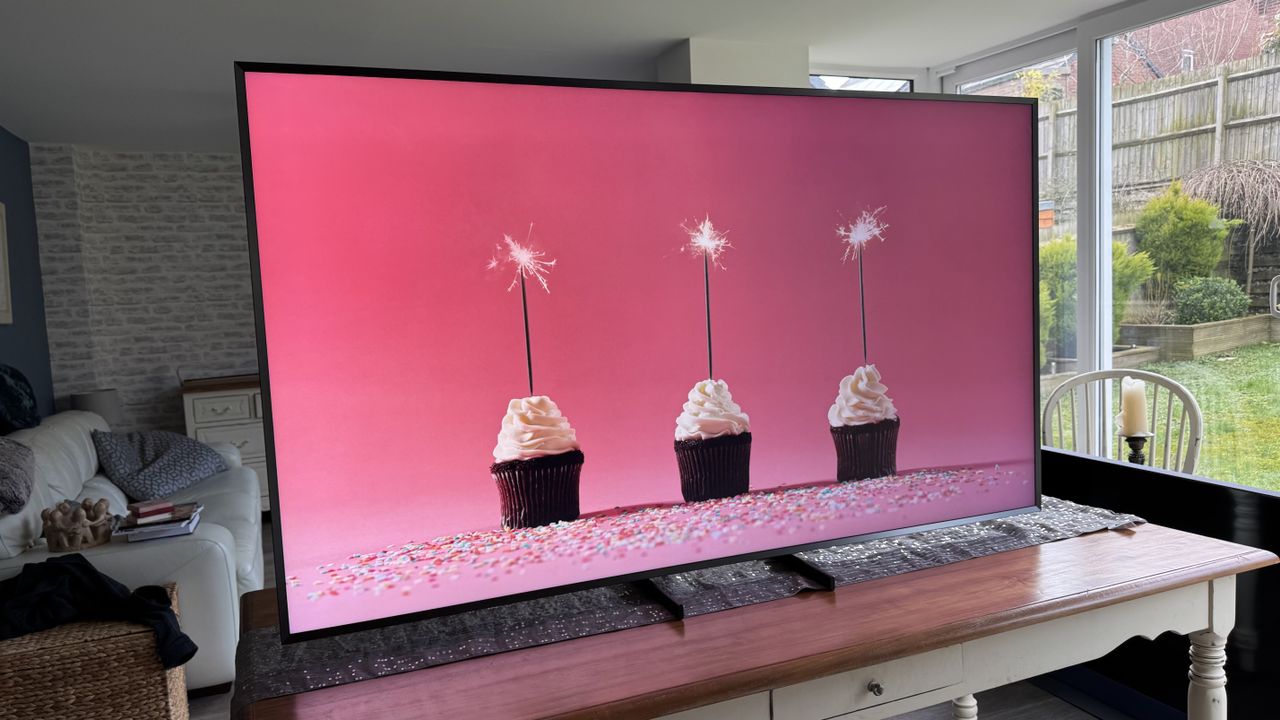
Image 3 of 6
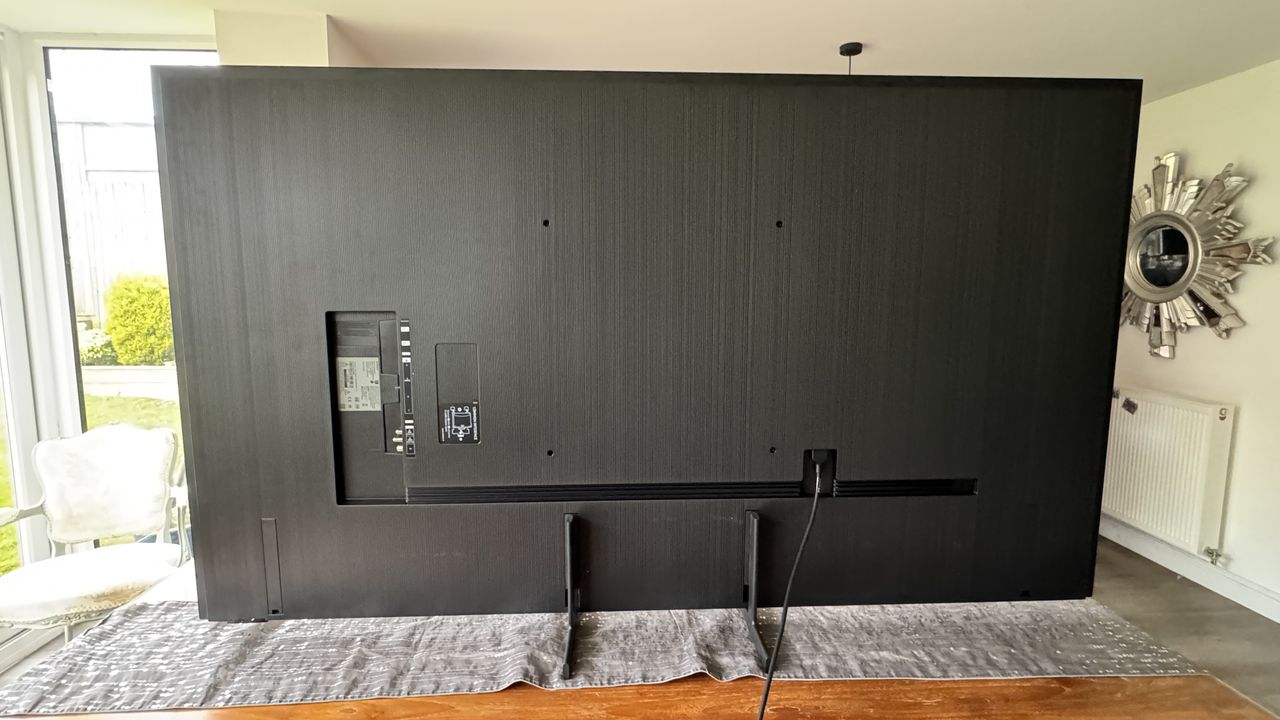
Image 4 of 6
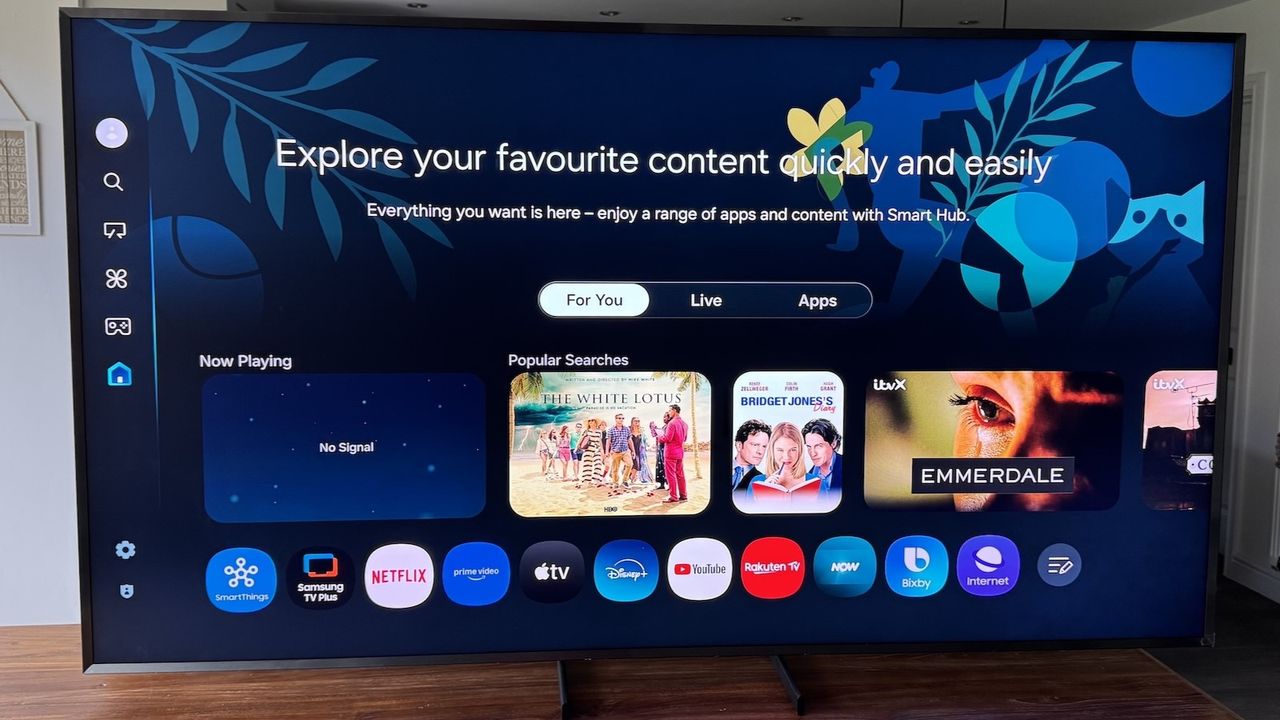
Image 5 of 6
Image 6 of 6
The best Samsung 8K TV
Specifications
Screen size: 65, 75 and 85-inches
Resolution: 8K
Panel type: QLED with mini-LED
Smart TV: Tizen
HDR: HDR, HDR10+ and HLG
Reasons to buy
+
Sensational picture quality
+
Impressive sound quality
+
Outstanding gaming display
Reasons to avoid
-
No Dolby Vision support
-
Some default settings require tweaks
-
Native 8K content remains elusive
Buy it if:
✅ You want next-gen picture quality: The QN900F pairs native 8K resolution with outstanding color, sharpness, and contrast, fully unlocking the potential of all that detail. ✅ You’re a gamer: With ultra-low lag, vivid visuals, robust gaming features, and support for ultra-high frame rates, the QN900F is a dream display for serious players.
Don't buy it if:
❌ You’re on a tight budget: There are plenty of excellent 4K TVs for far less money. The QN900F certainly earns its price tag, but it’s not worth going into debt for. ❌ You need Dolby Vision: Samsung still doesn’t support Dolby Vision HDR, so you won’t get the absolute top-tier version of every source.
The Samsung QN900F is the company's flagship 8K Neo QLED TV for 2025. It takes the bold strides of last year’s model, the QN900D, and pushes even further. It enhances AI-driven upscaling with its NQ8 AI Gen 2 processor, turning 4K and lower-res content into sharp and detailed 8K images.
The QN900F has a glare-free screen, which reduces reflections in bright rooms but can preserve both the contrast and the brightness. On that note, picture quality truly dazzles here with incredible brightness that’s as high as 2,350 nits, as well as vivid colors, deep contrast, and minimal blooming.
Sound-wise, this TV packs a powerful, built‑in 4.2.2‑channel Dolby Atmos system with Object Tracking Sound that delivers surprisingly immersive audio straight out of the box. It’s also a fantastic option for gamers, as you’ve got 4K at 165 Hz, VRR, ALLM, HDR10+, and ultra‑low input lag.
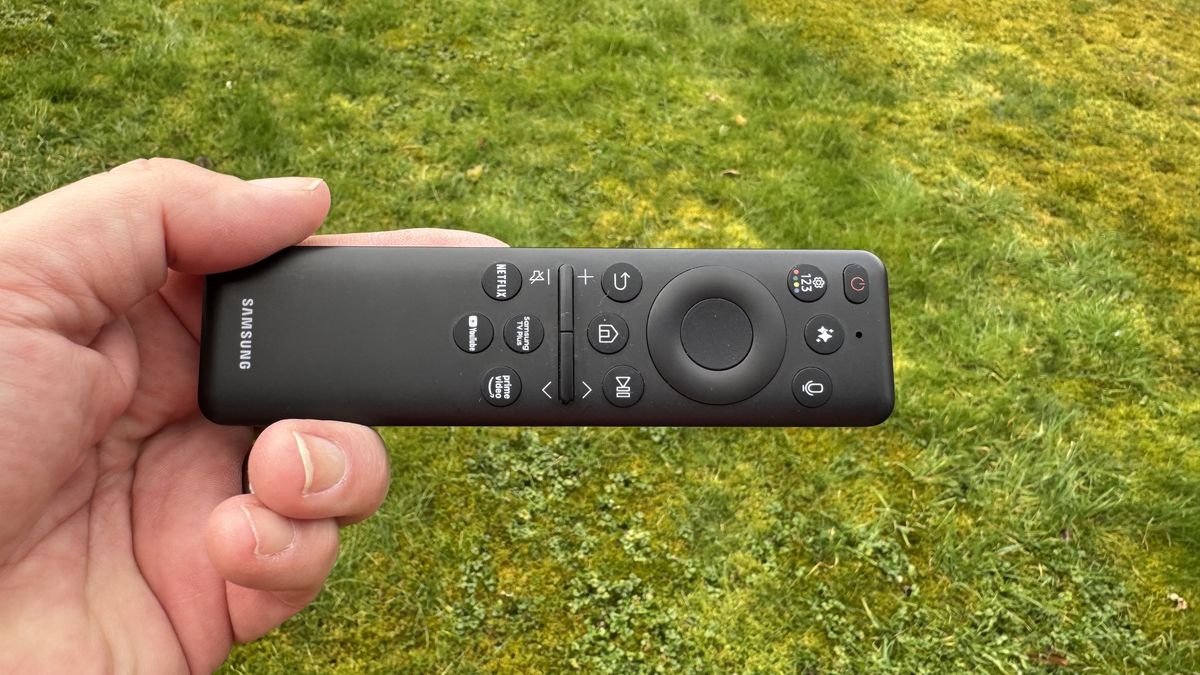
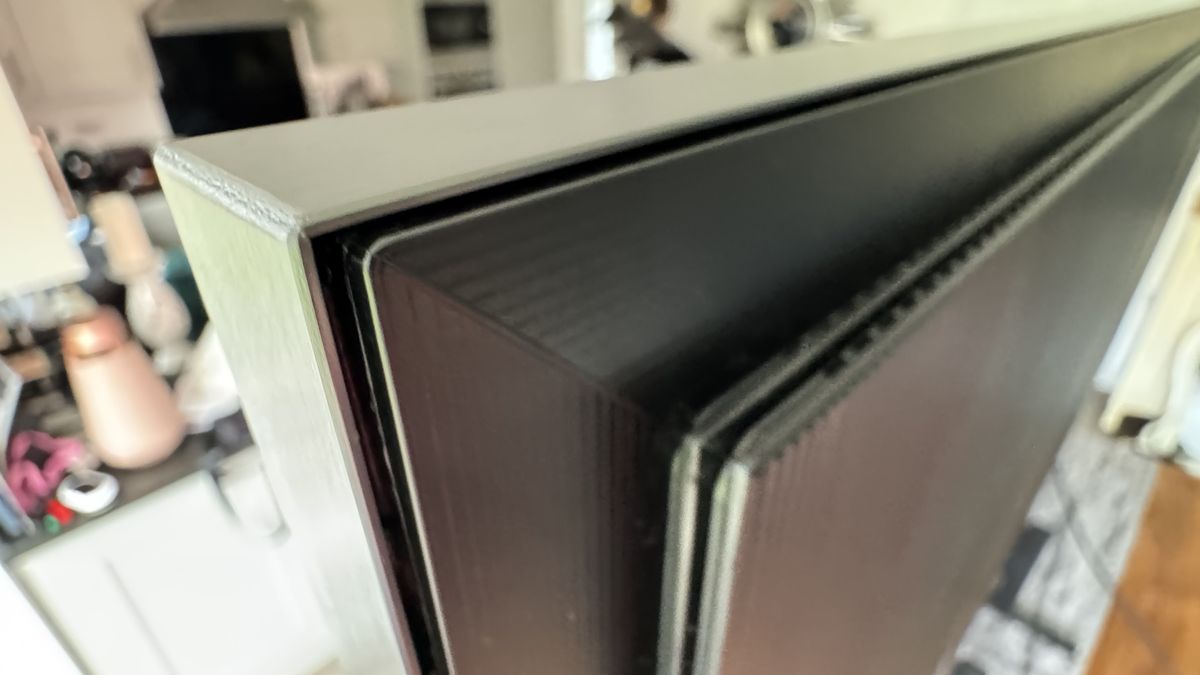
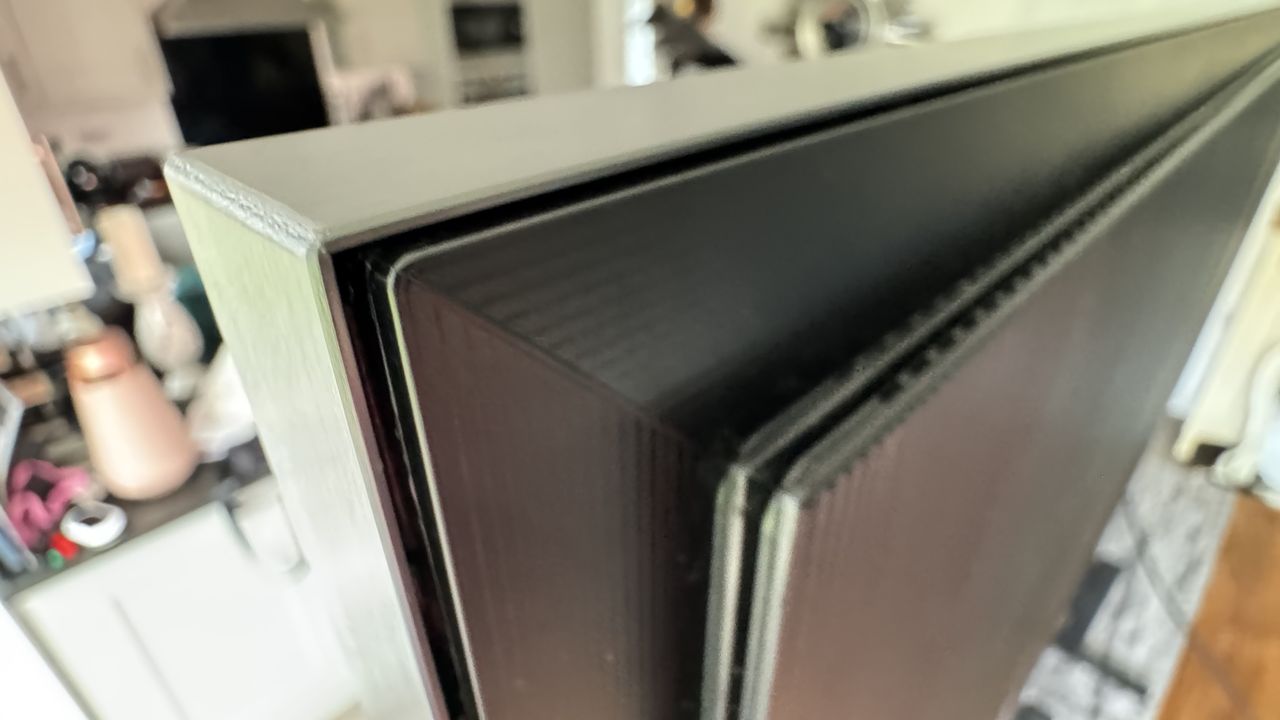
The design of the QN900F is striking, too. It has a robust picture frame-style metal frame, which works well for Ambient Mode displays. Like Samsung’s other latest TVs, its smart Tizen interface now includes Samsung’s Art Store, helping the TV feel like curated art when it’s not in use.
Sure, native 8K content may still be rare, and Dolby Vision is missing, but with such exceptional upscaling, brightness, design, and gaming chops, the QN900F delivers an 8K TV experience that’s truly future‑proof – as long as you’re prepared to invest.
Read our full
The best cheaper 8K Samsung TV
Image 1 of 5
(Image credit: Future)
(Image credit: Future)
(Image credit: Future)
(Image credit: Future)
(Image credit: Future)
Image 1 of 5
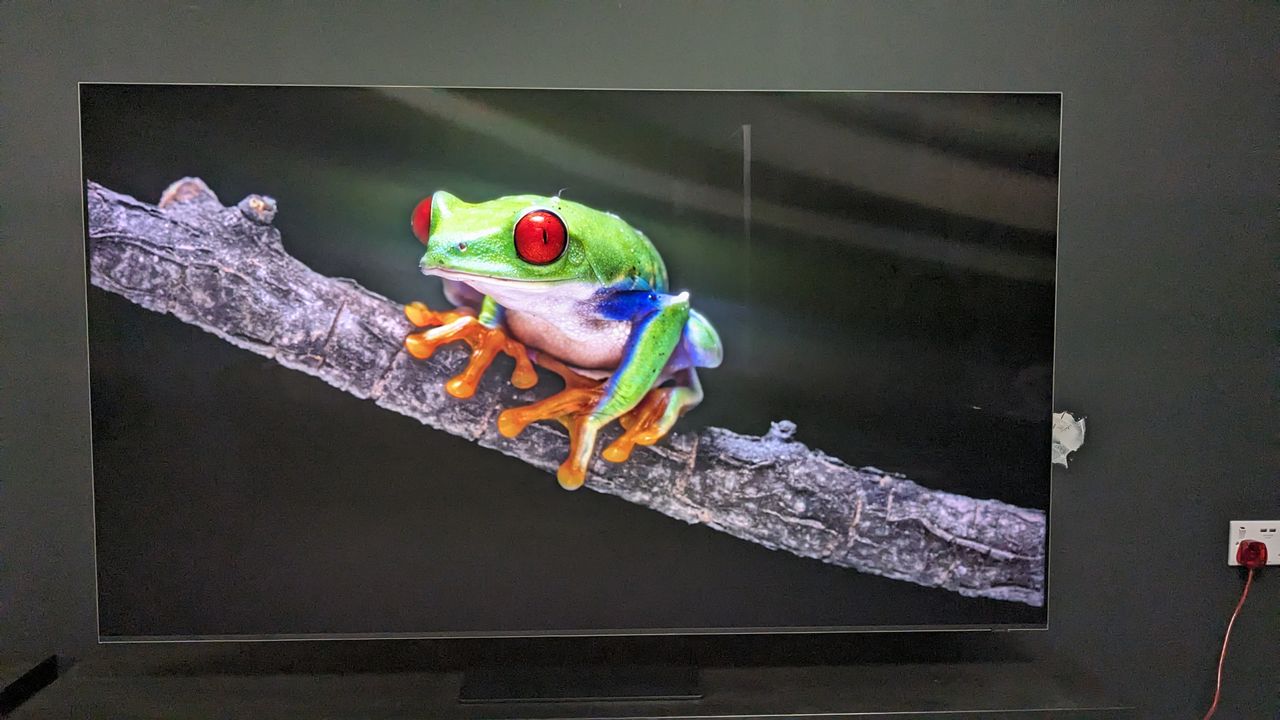
Image 2 of 5
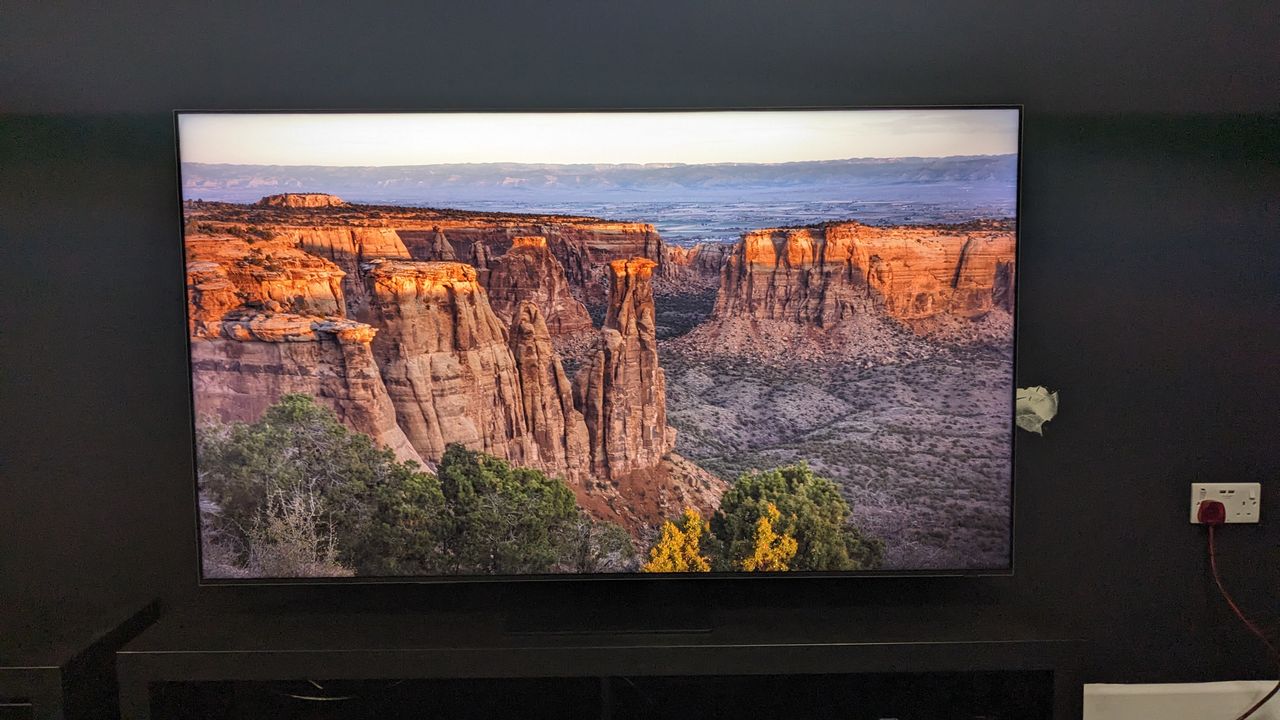
Image 3 of 5
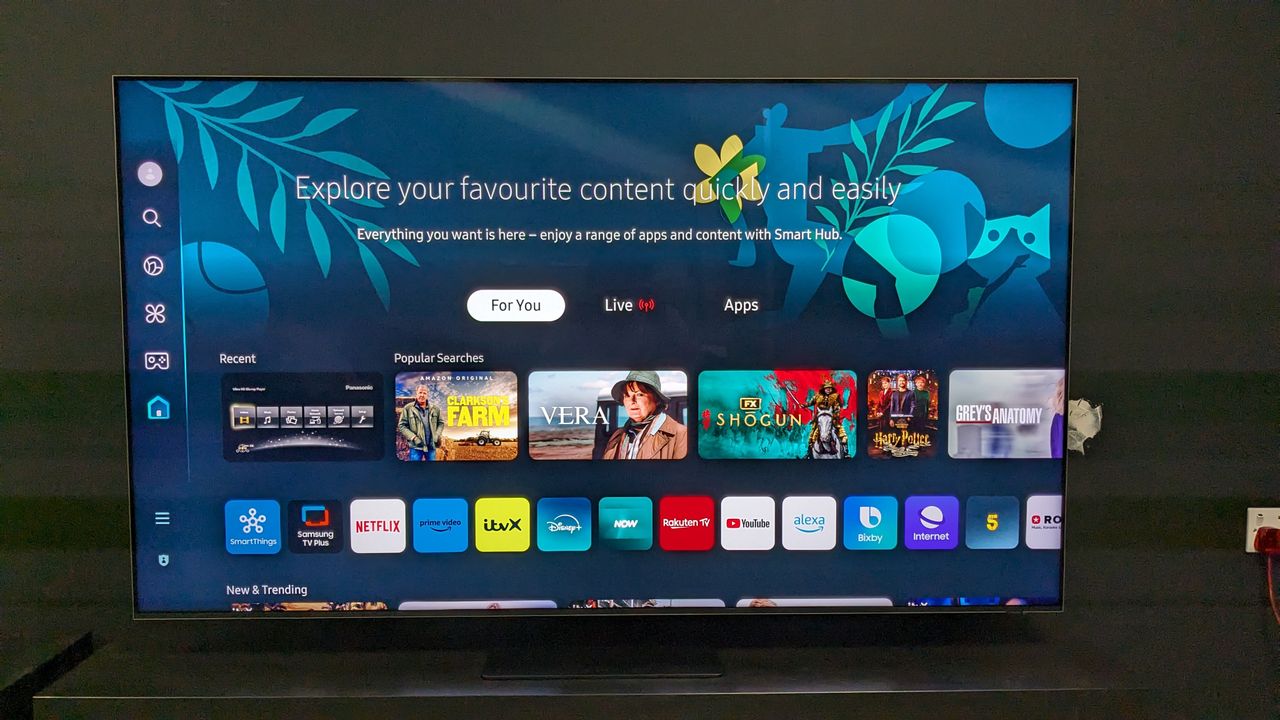
Image 4 of 5
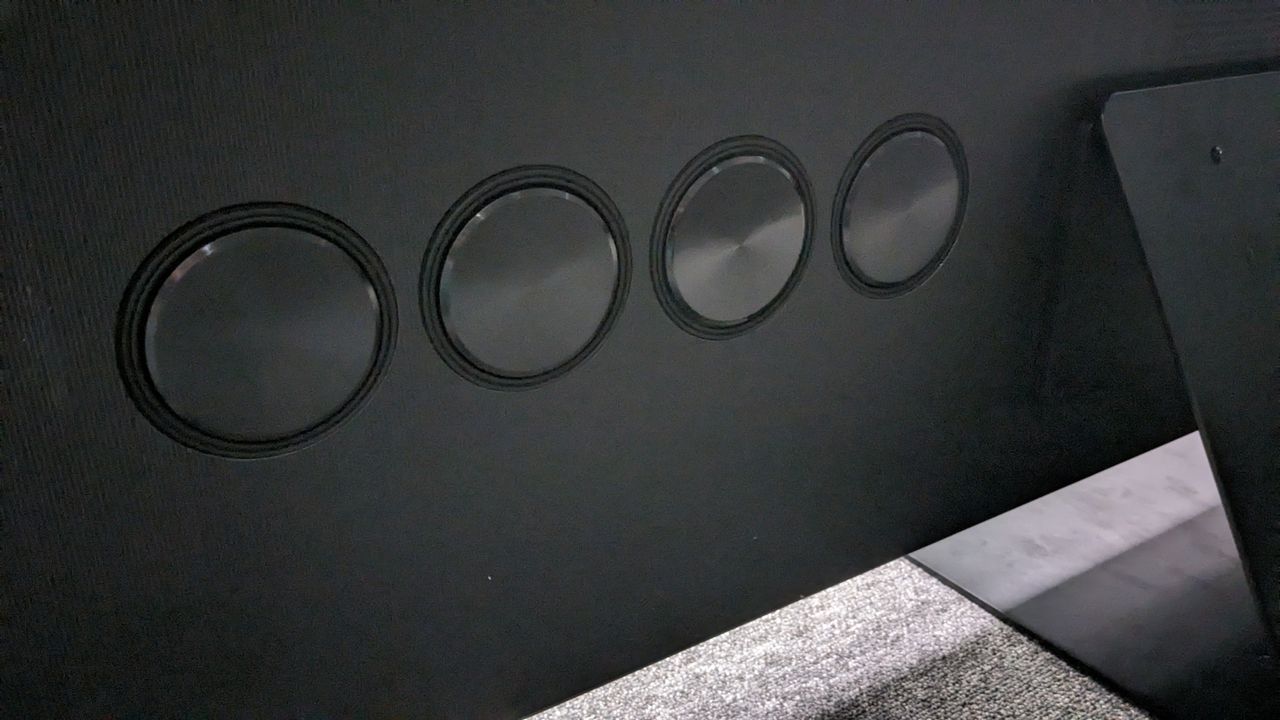
Image 5 of 5
The best cheaper 8K TV
Specifications
Screen size: 65, 75 & 85-inches
Resolution: 8K
Panel type: Neo QLED/Mini-LED
Smart TV: Tizen
HDR: HDR10+, HDR10, HLG
Reasons to buy
+
Exceptional detailing
+
Effective 8K upscaling
+
Superb gaming features and performance
Reasons to avoid
-
Still pricier than 4K models
-
Middling bass levels
-
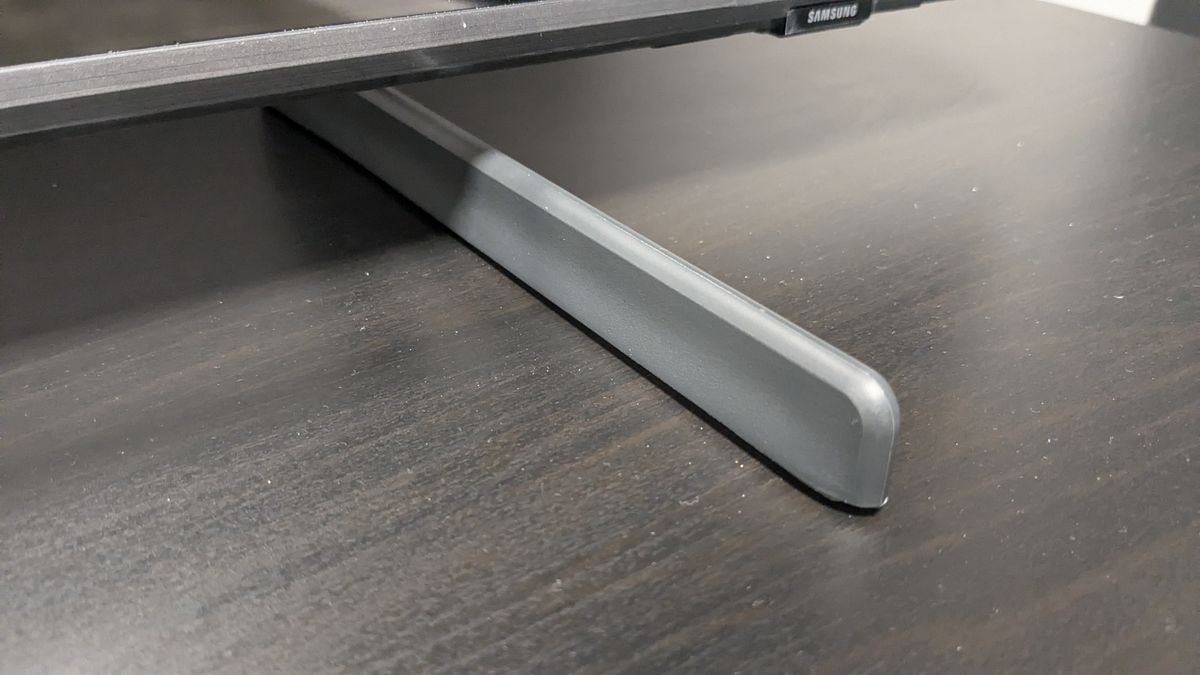
Fiddly stand
Buy it if:
✅ You want an 8K TV for cheaper: Although still at a premium price, the Samsung QN800D is one of the cheaper 8K TVs available.
✅ You want a step-up over 4K: The Samsung QN800D has fantastic upscaling, giving 4K sources even better detail, color, and brightness than you'd find on most 4K models.
Don't buy it if:
❌ You're on a budget: Although prices have dropped, the QN800D is undoubtedly pricey and will still outstretch most budgets.
❌You want hassle-free installation: We found during our testing that installing the TV's stand wasn't easy due to its hefty weight and awkward positioning.
The QN800D may not hit the same spectacular performance levels of its more premium 8K counterpart, the QN900D, but it is still an outstanding TV in its own right – and offers stunning 8K textures at a slightly more affordable (though still expensive) price.
Much like the QN900D, the QN800D has exceptional object detailing, capturing the same lifelike appearance. Its 8K upscaling is extremely effective to make this work, taking 4K pictures to the next level. It also features excellent local dimming, showcasing great contrast and black levels, while its bold, vivid colors suit HDR movies and pictures as well. There is some minor backlight blooming present, but it's generally expected with mini-LED, and we found the QN800D to be better than normal in our testing.
Also similar to the QN900D, the QN800D's gaming performance and features are superb. It has four HDMI 2.1 ports, with not only 4K 120Hz, but also 8K 60Hz, VRR (including AMD FreeSync Premium Pro), auto low latency mode, and Samsung's Game Hub. It also has plenty of cloud gaming options from Xbox, Nvidia GeForce Now, Luna, and more. It carries across its impressive picture quality from movies to games, too, especially in textures.
Of course, because it's an 8K TV, the QN800D carries a high price tag that overshadows its 4K cousins. However, it is noticeably cheaper than the more premium QN900D (roughly $1,000/£1,000 cheaper!), and while not achieving quite the same stunning results, the QN800D still ticks pretty much every box, and its picture really is a sight to behold – it's an 8K marvel in its own right. If you can't quite get to the QN900D with your budget, the QN800D won't let you down and will save some money doing it.
Read our full
The best 4K mini-LED Samsung TV
Image 1 of 6
(Image credit: Future)
(Image credit: Future)
(Image credit: Future)
(Image credit: Future)
(Image credit: Future)
(Image credit: Future)
Image 1 of 6
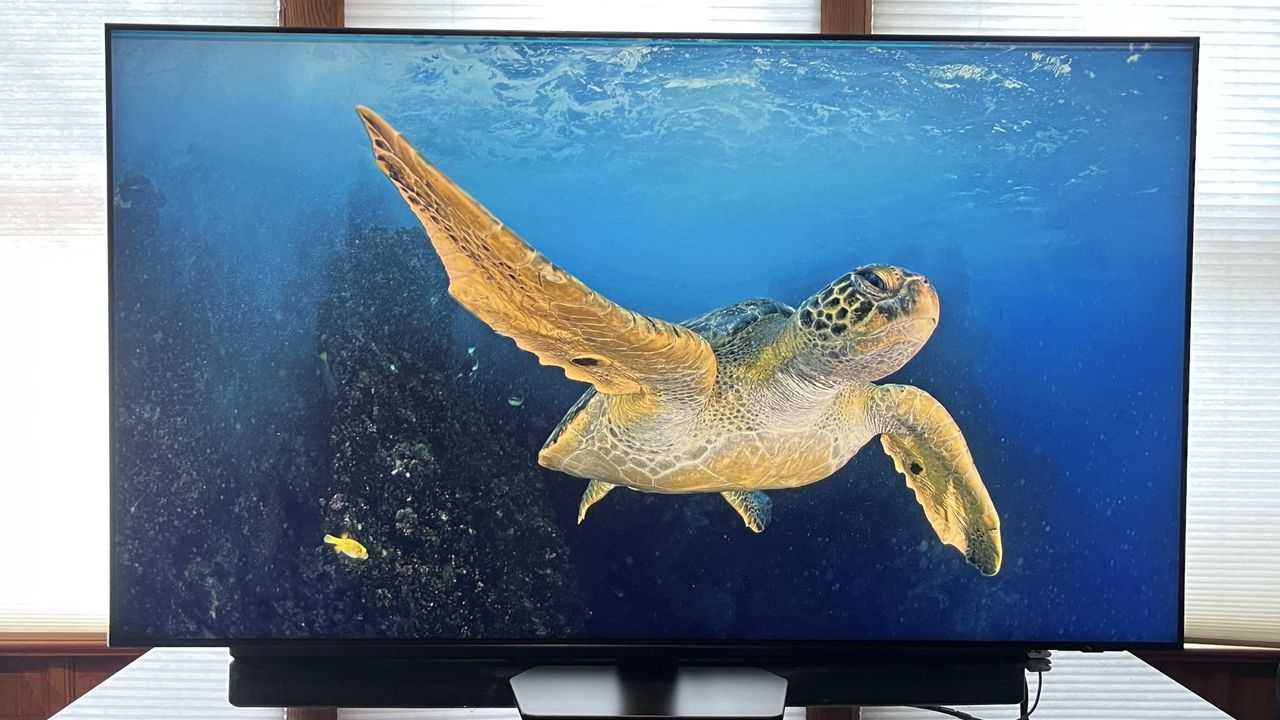
Image 2 of 6
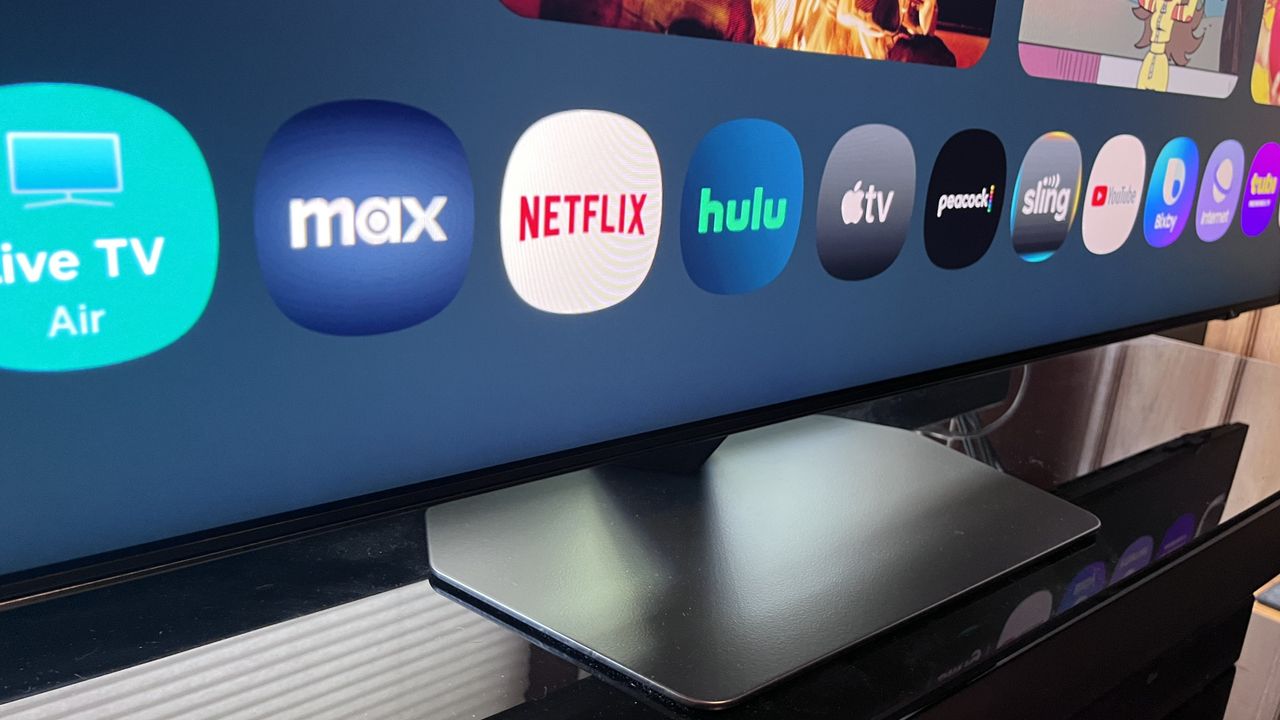
Image 3 of 6
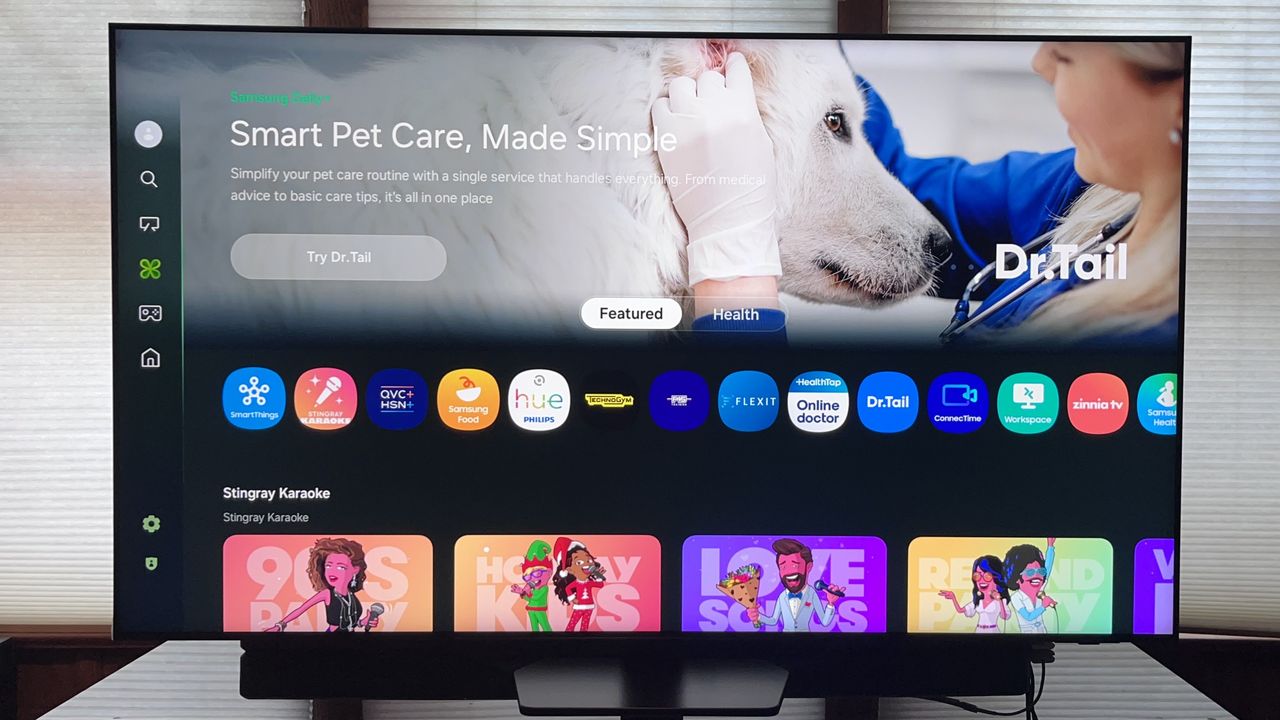
Image 4 of 6
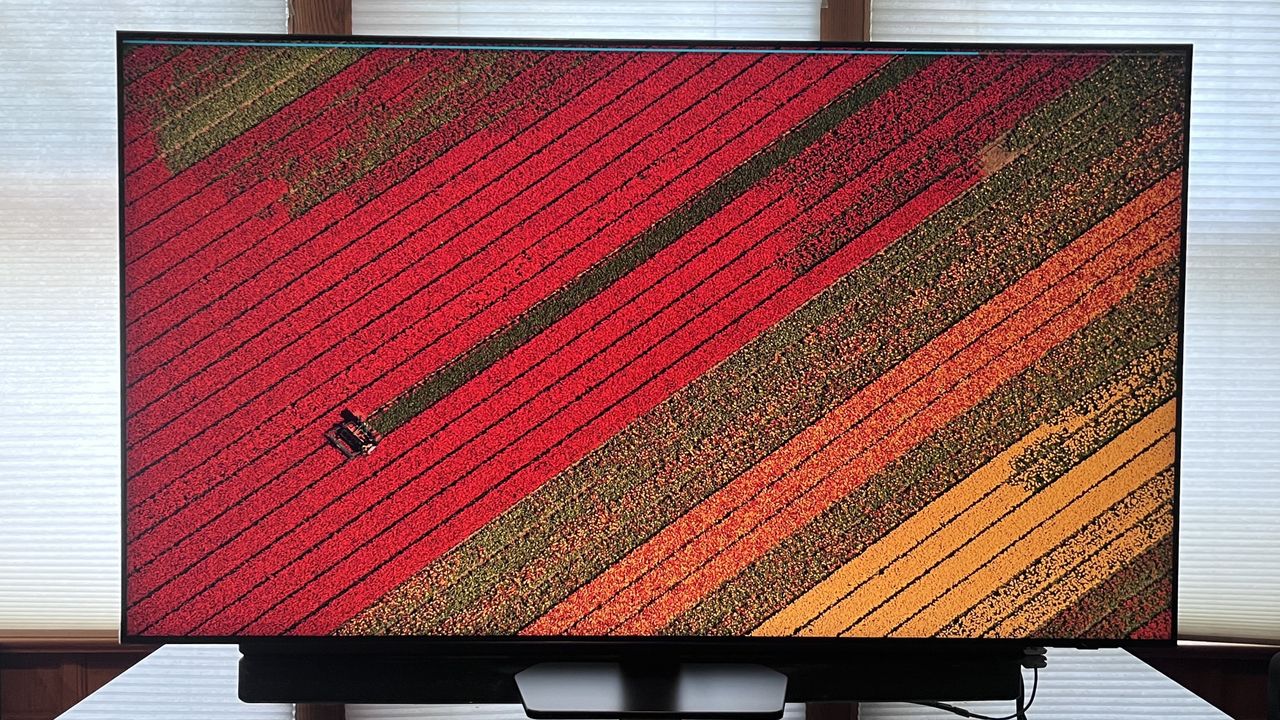
Image 5 of 6
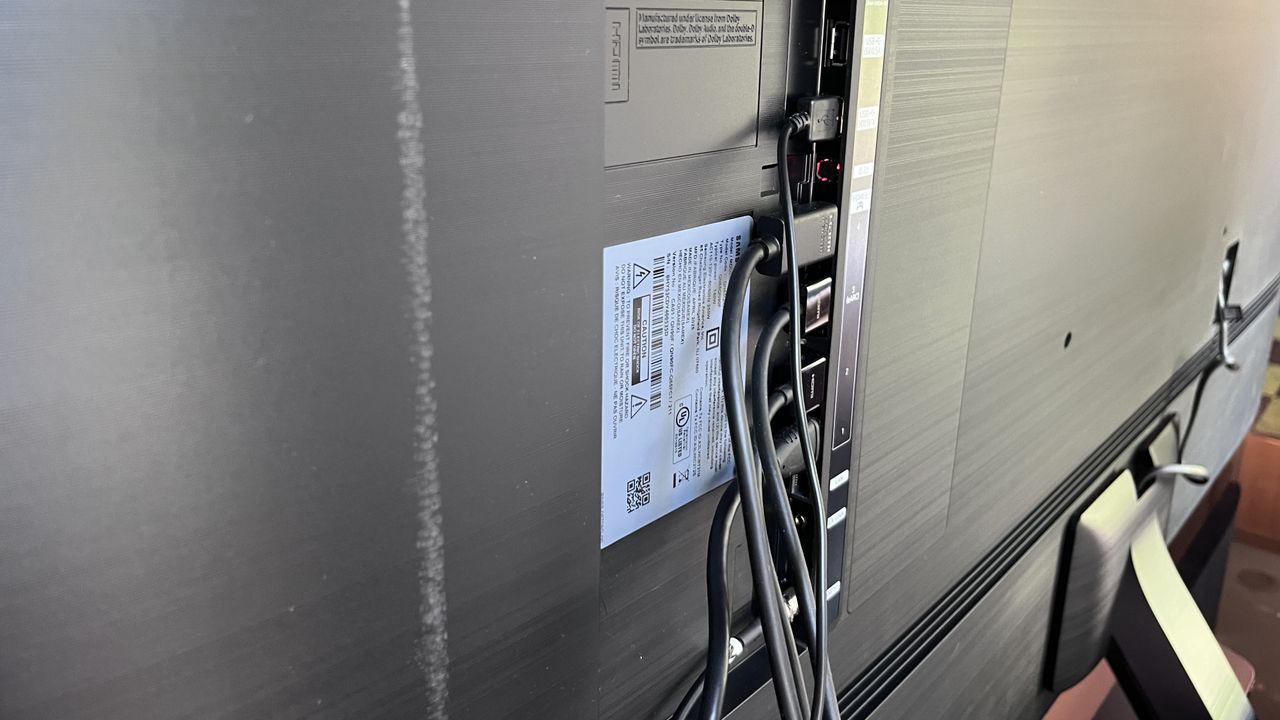
Image 6 of 6
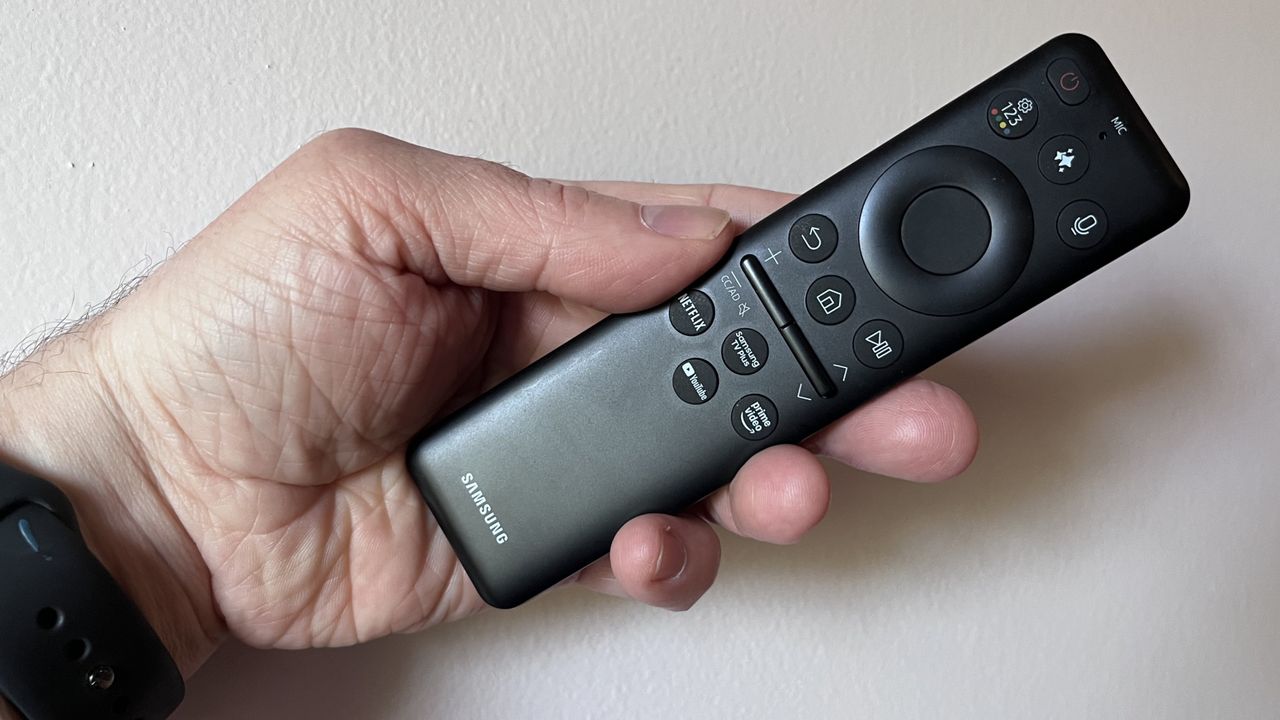
The best 4K mini-LED Samsung TV
Specifications
Screen size: 43, 50, 55, 65, 75, 85, 98 inches
Resolution: 4K
Panel type: QLED with mini-LED
Smart TV: Tizen
HDR: HDR10, HDR10+, HLG
Reasons to buy
+
High brightness
+
Glare Free tech eliminates screen reflections
+
Great gaming features and performance
Reasons to avoid
-
No Dolby Vision HDR support
-
Pricey compared to competition
Buy it if:
✅ You watch TV in bright rooms: The QN90F’s powerful brightness and glare-free screen make it easy to enjoy clear, reflection-free pictures even in sunlit spaces. ✅ You’re a gamer: With four HDMI 2.1 ports supporting 4K at 165Hz, FreeSync Premium Pro, HGiG, and Samsung’s Gaming Hub, plus ultra-low input lag, the QN90F delivers fast, smooth gameplay.
Don't buy it if:
❌ You want Dolby Vision HDR: Samsung still doesn’t support Dolby Vision, though the QN90F does handle HDR10+. ❌ You’re looking for a bargain: Brands like Hisense and TCL offer cheaper mini-LED models that get close in performance, so you can save if you’re willing to compromise slightly.
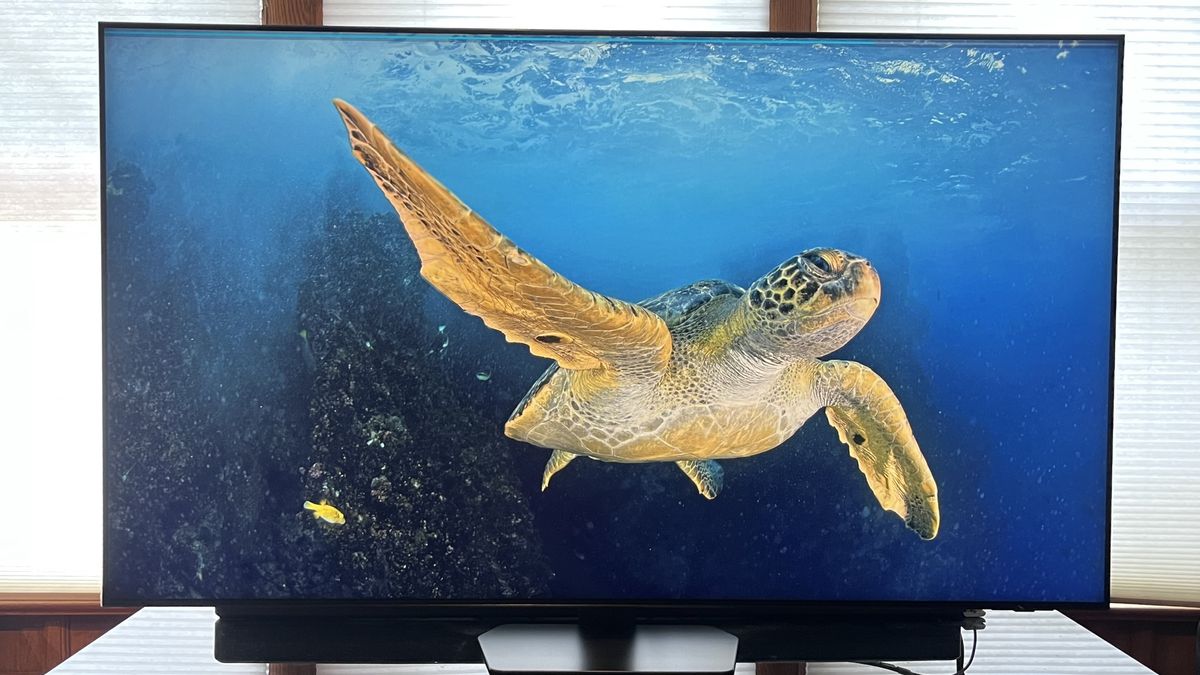
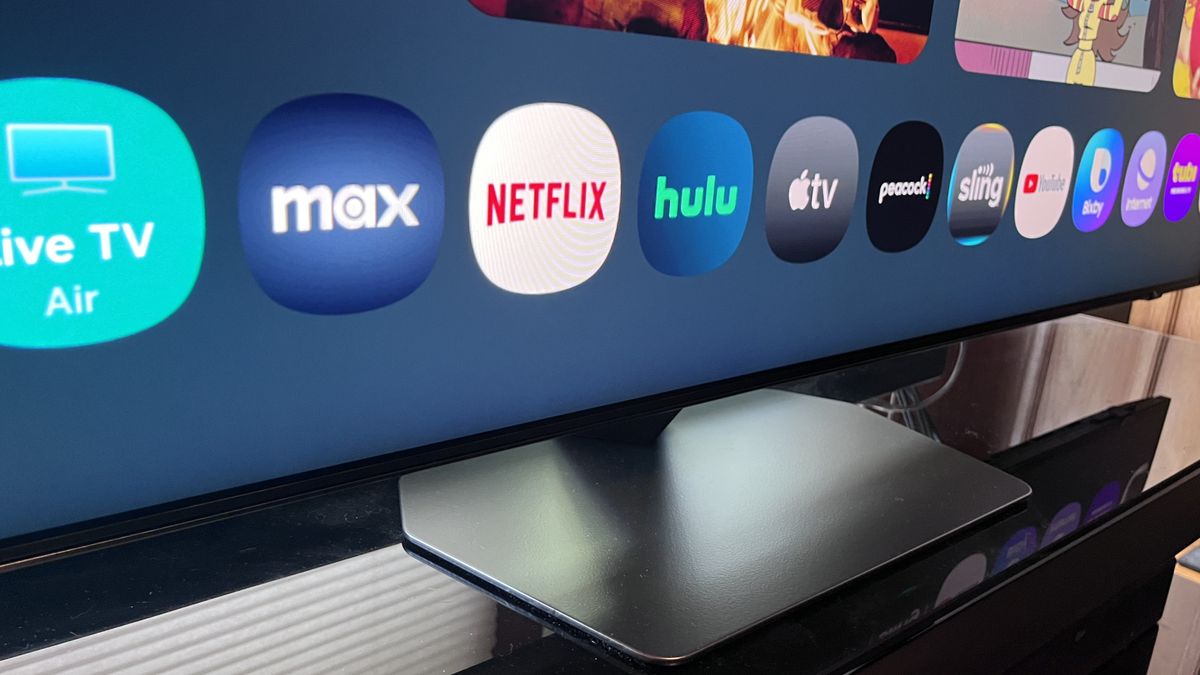
The Samsung QN90F is a superb all-rounder in the brand’s 2025 mini-LED 4K range. It combines high brightness, strong contrast, and excellent gaming features with Samsung’s refined new Glare Free screen that makes it even better suited for bright-room viewing than its QN90D predecessor. It’s also available in sizes from 43 inches all the way up to 98 inches, which gives you plenty of flexibility to match your space.
The Samsung QN90F excels in daylight, but it’s equally at home in a dim, movie-watching environment too. That’s because blacks are deep, contrast is rich, and shadow detail is impressive. The NQ4 AI Gen2 processor here works to enhance clarity and texture, while features like Auto HDR Remastering boost SDR content with convincing HDR-like effects. The new Glare Free screen here is especially effective at cutting reflections without dulling the image down, maintaining both brightness and contrast even when there are light sources nearby.
The design of the QN90F remains sleek and modern, with a slim chassis and sturdy aluminum pedestal stand. A built-in 4.2.2-channel, 60W speaker array supports Dolby Atmos, and Samsung’s Object Tracking Sound+ tech helps pin dialogue and effects to the right parts of the screen.
For gamers, the QN90F builds on its predecessor with support for 4K at up to 165Hz, VRR including AMD FreeSync Premium Pro, ALLM, and HDR10+ gaming across all four HDMI 2.1 ports. Samsung’s Gaming Hub also provides quick access to both console settings and cloud gaming services like Xbox Game Pass and Nvidia GeForce Now, while an ultra-low input lag keeps gameplay responsive.
The QN90F’s combination of brightness, anti-glare tech, and high-end gaming support makes it one of the most versatile TVs in Samsung’s lineup because it’s equally at home in sunlit living rooms, darkened home cinemas, or part of dedicated gaming setups.
Read our full
The best affordable mini-LED Samsung TV
Image 1 of 5
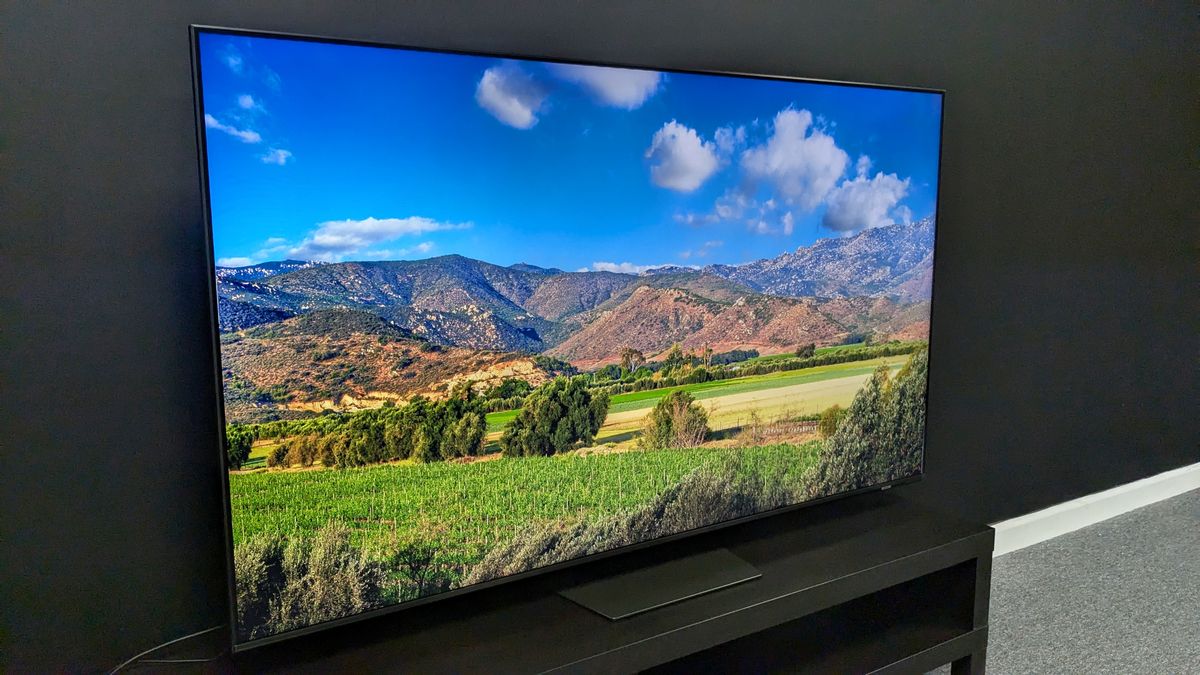
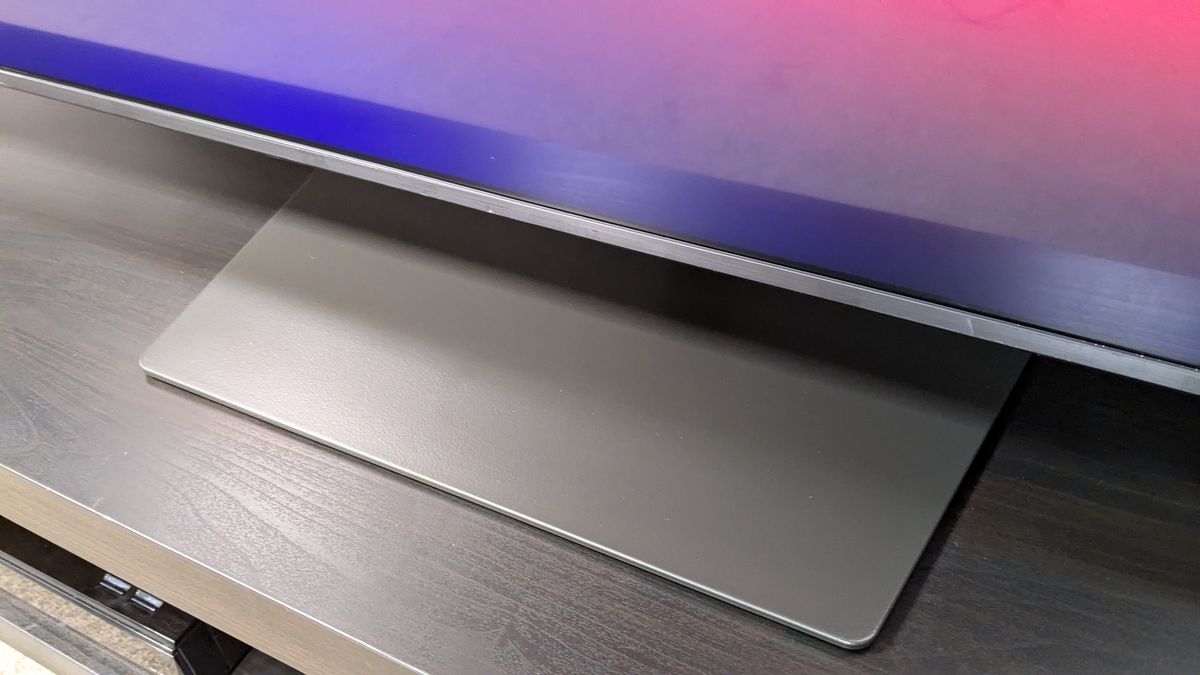
(Image credit: Future)
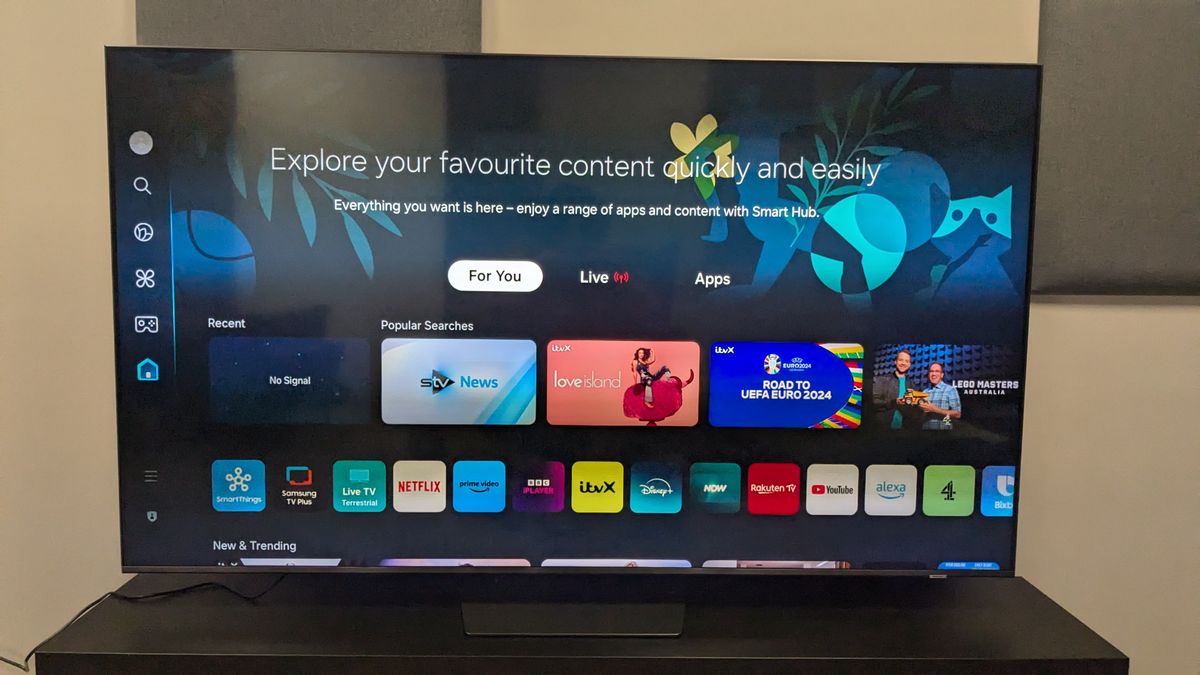
(Image credit: Future)
(Image credit: Future)
(Image credit: Future)
(Image credit: Future)
Image 1 of 5
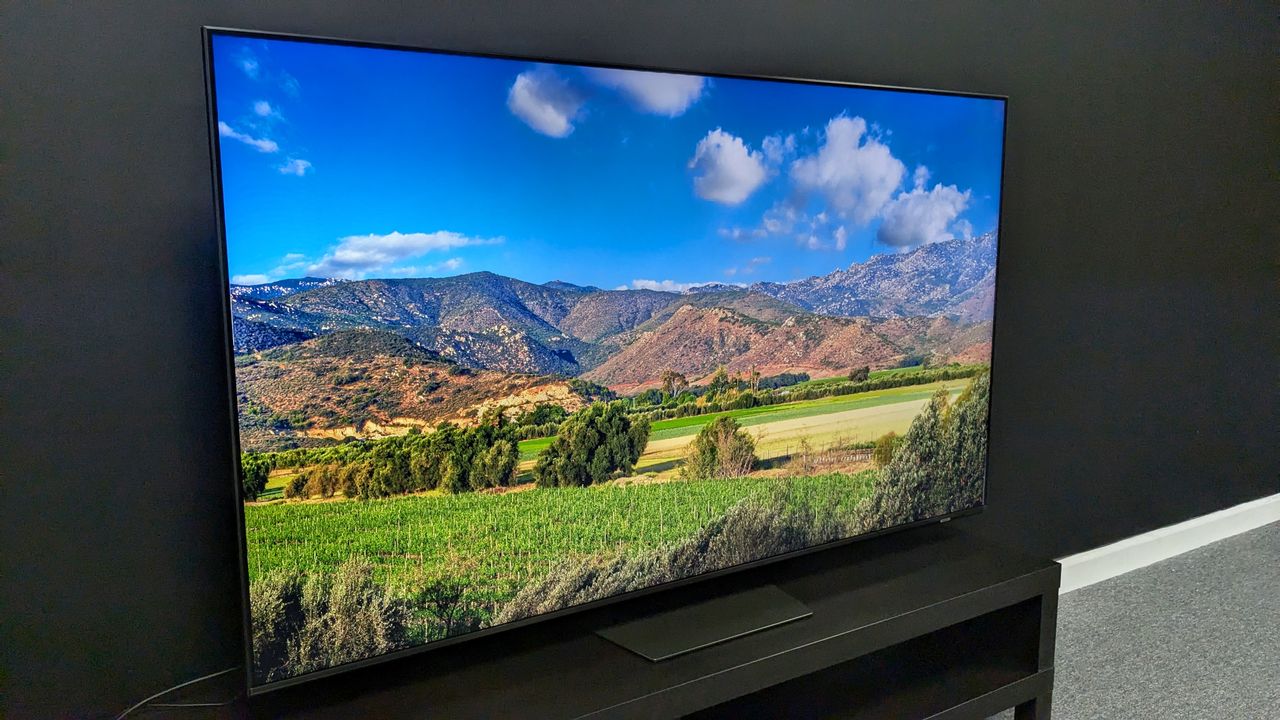
Image 2 of 5
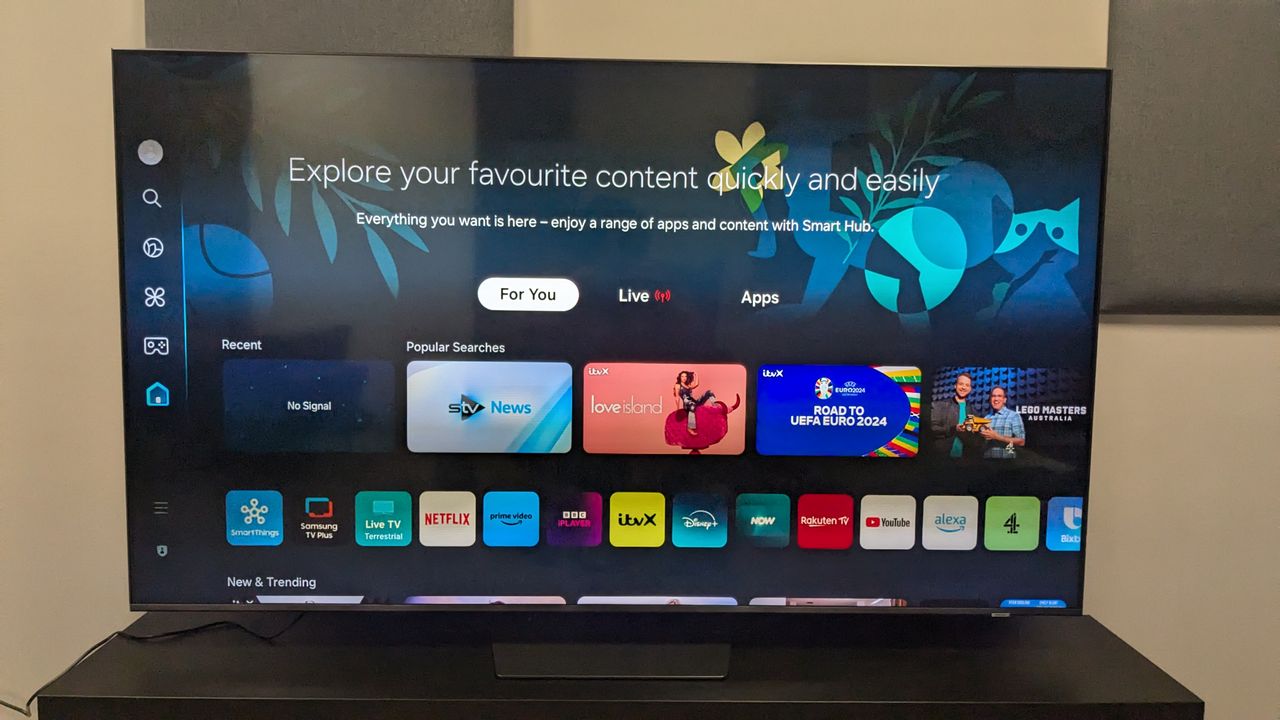
Image 3 of 5
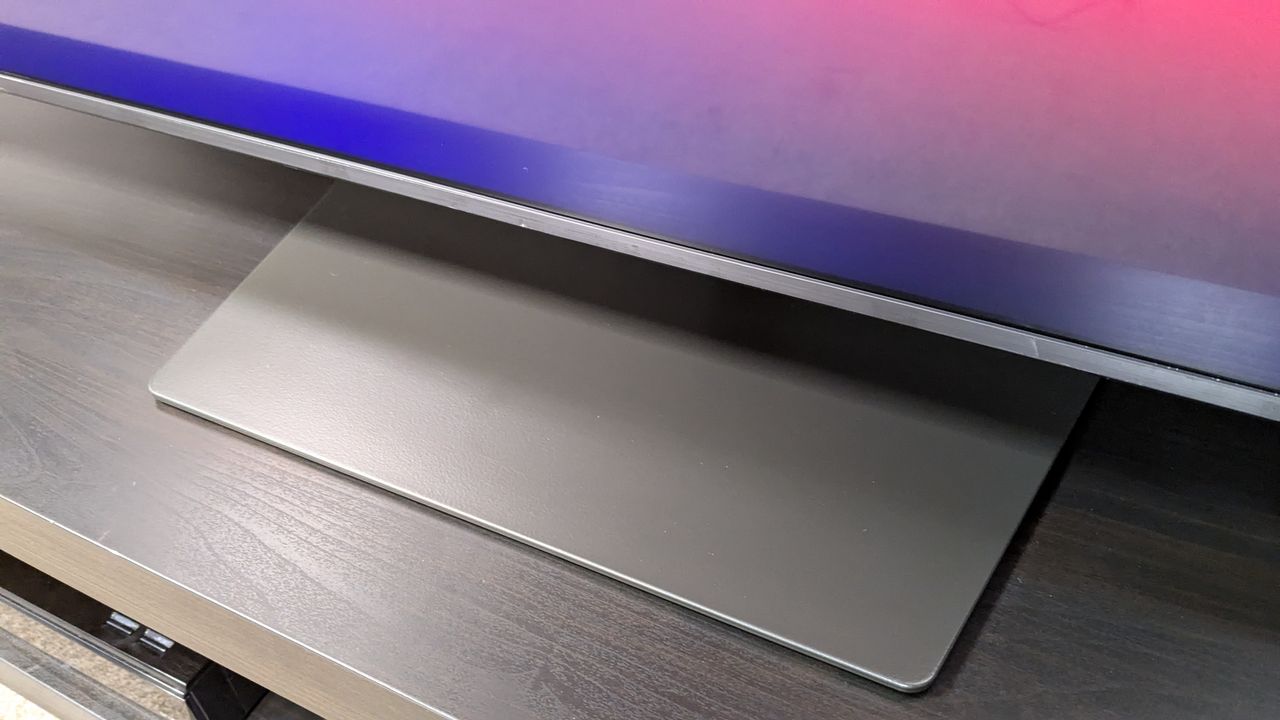
Image 4 of 5
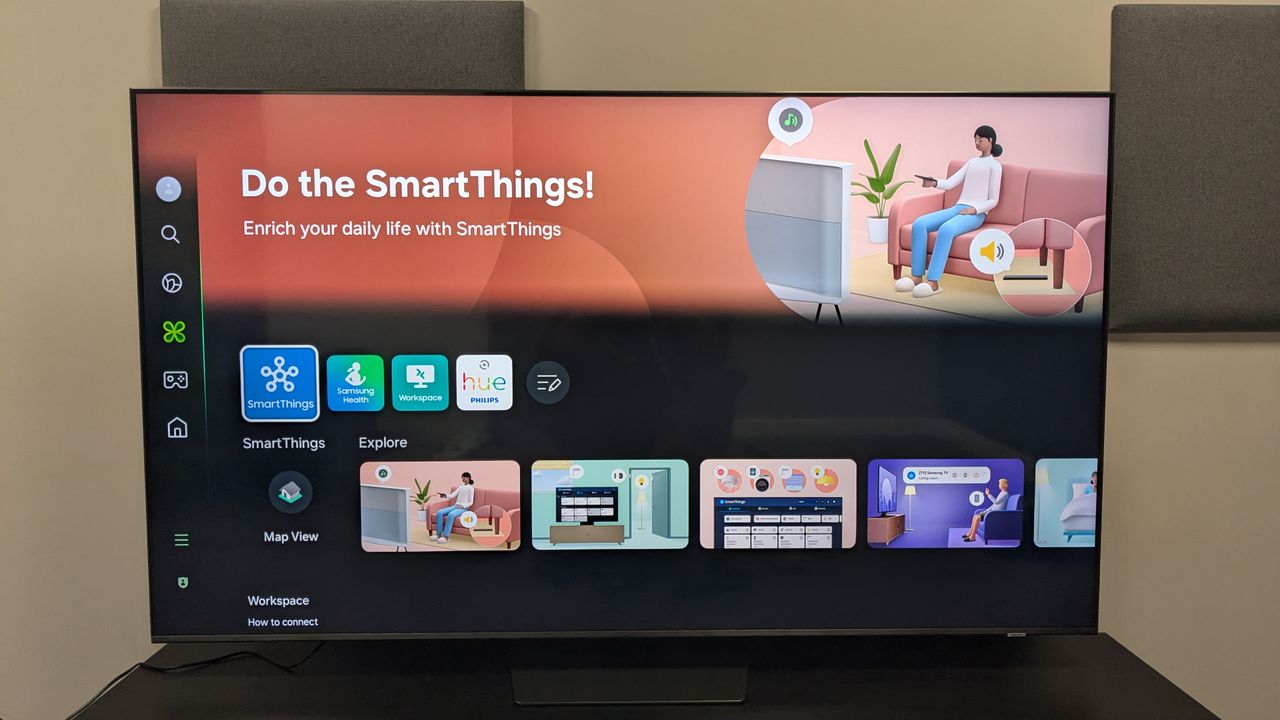
Image 5 of 5
The best affordable mini-LED Samsung TV
Specifications
Screen size: 55, 65, 75, 85-inches
Resolution: 4K
Panel type: Neo QLED / Mini LED
Smart TV: Tizen
HDR: HDR10, HDR10+, HLG
Reasons to buy
+
Good color
+
Natural textures and details
+
Great gaming features and performance
Reasons to avoid
-
Some backlight blooming
-
Average built-in audio
-
Pricey compared to budget competition
Buy it if:
✅ You want a well-featured gaming TV: The Samsung QN85D carries four HDMI 2.1 ports that support 4K 120Hz and VRR and also has cloud gaming options.
✅ You want a good smart TV platform: While it may not be the best, Samsung's Tizen is an intuitive and well-featured smart TV platform.
Don't buy it if:
❌ You want the best value 'budget' mini-LED TV: Budget mini-LED models from the likes of Hisense and TCL offer similar features and performance as the QN85D but are significantly cheaper.
❌You want good built-in sound: Bass levels on the QN85D are solid enough, but it lacks in every other area compared to other Samsung sets.
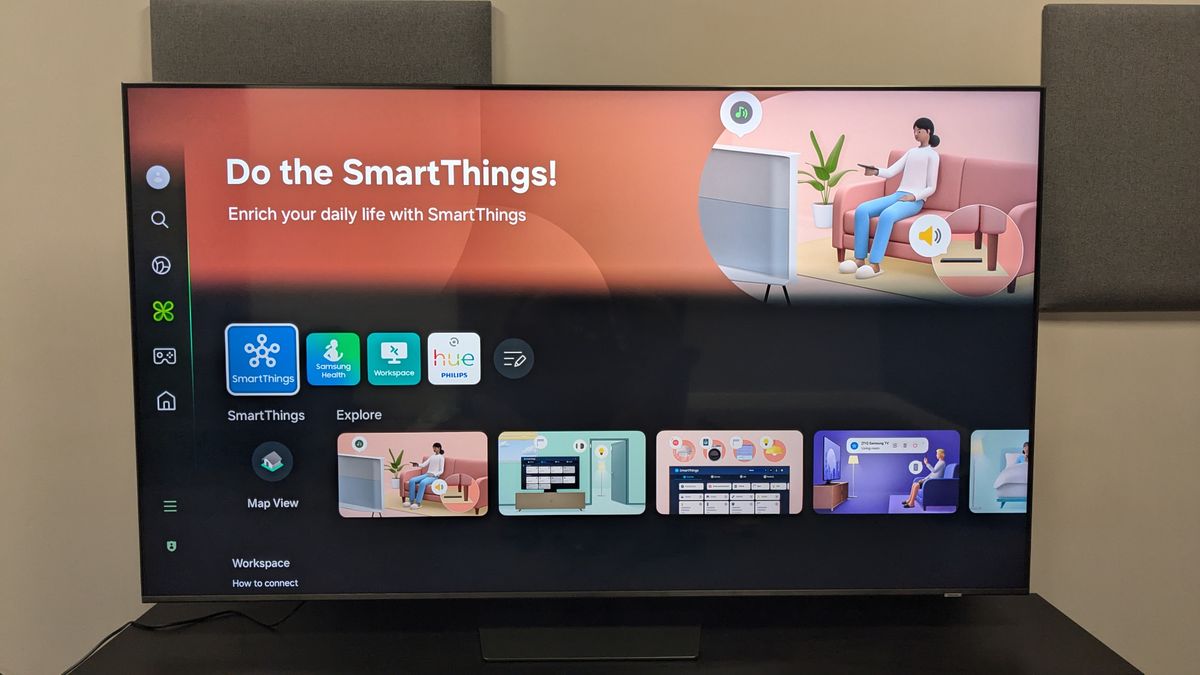
The Samsung QN85D faces a lot of budget competition from the likes of Hisense and TCL, both of which carry similar levels of performance and features as the QN85D. However, it beats them by offering HDMI 2.1 gaming features on all four ports, while still offering a good quality picture, plus Samsung's Tizen TV platform. It serves as the most affordable mini-LED in Samsung's 2024 range, too.
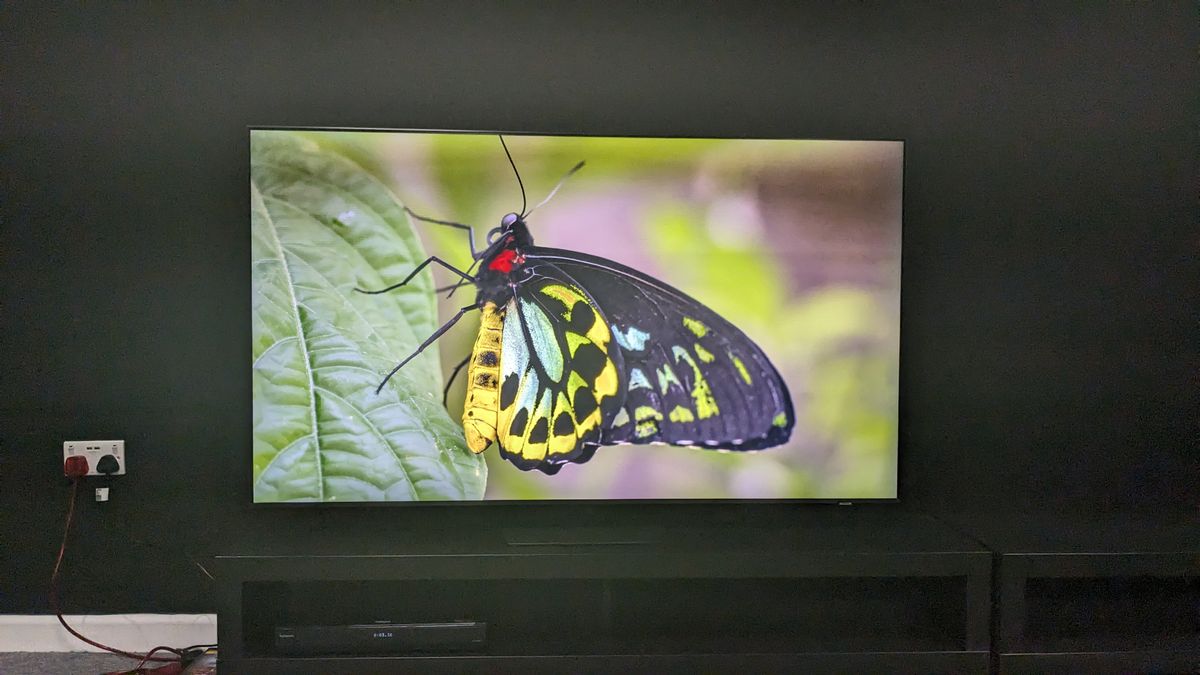
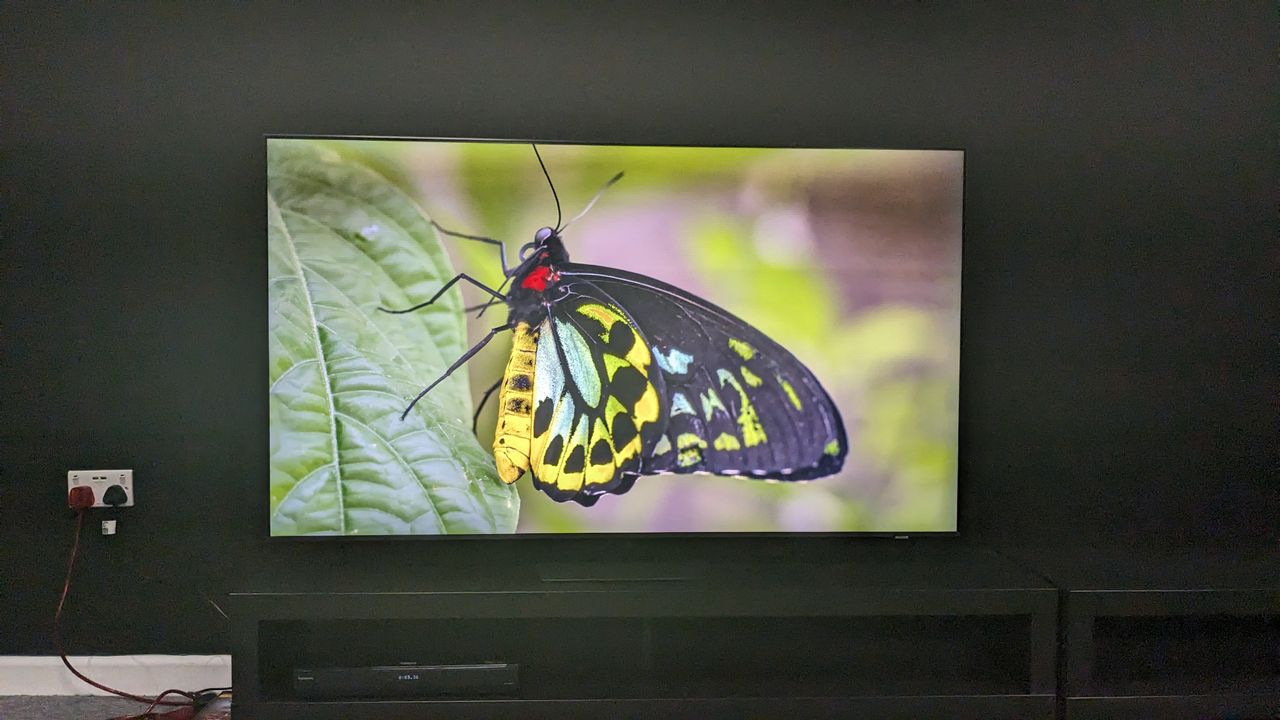
Picture quality on the QN85D is solid. Its natural textures and strong contrast levels are the main highlights, with a rich color as well, especially noticeable in HDR movies. Its black levels, while generally decent, did suffer from a gray hue on occasion that can happen with mini-LED sets. Motion was also generally well-handled, but required some tinkering to get right during our testing.
Like many Samsung TVs, the QN85D is a great option for gaming. It comes with the near-full suite of features gamers will hope for, like 4K, 120Hz, VRR (AMD FreeSync Premium Pro as well), the Samsung Game Hub, and ALLM. It also has an extremely good 10.1ms input lag time to make everything feel smooth and seamless, even in the most intense games.
In terms of pure value for money, the Samsung QN85D is a little behind the Hisense U8N or the – but in this guide, it splits the difference very well between Samsung's higher-end mini-LED or OLED TVs, and its more affordable models.
Read our full
The best affordable OLED Samsung TV
Image 1 of 5
(Image credit: Future)
(Image credit: Future)
(Image credit: Future)
(Image credit: Future)
(Image credit: Future)
Image 1 of 5
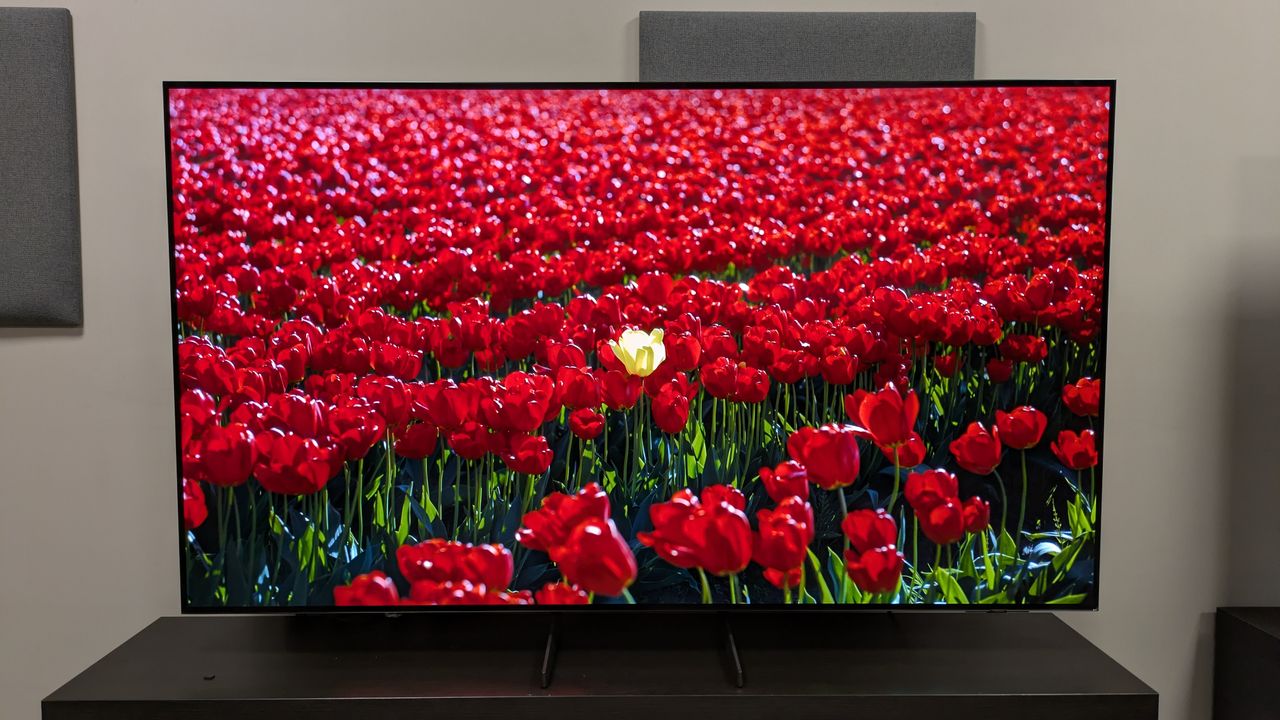
Image 2 of 5
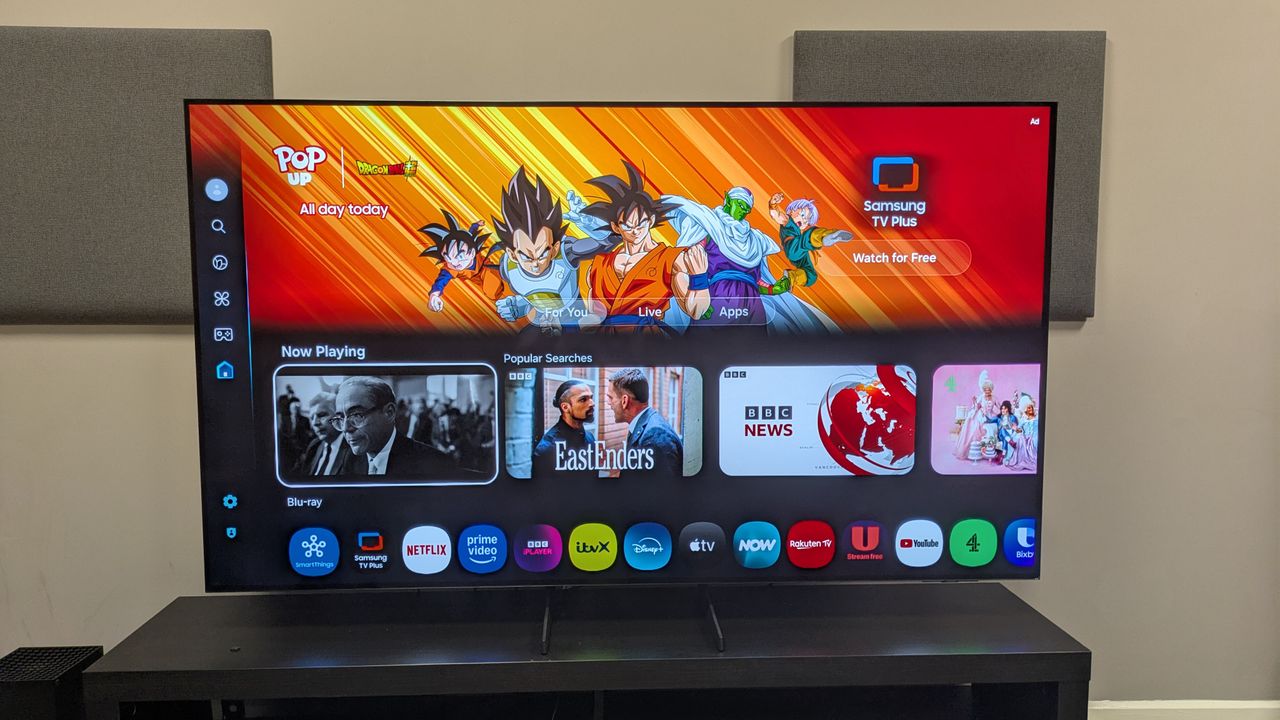
Image 3 of 5
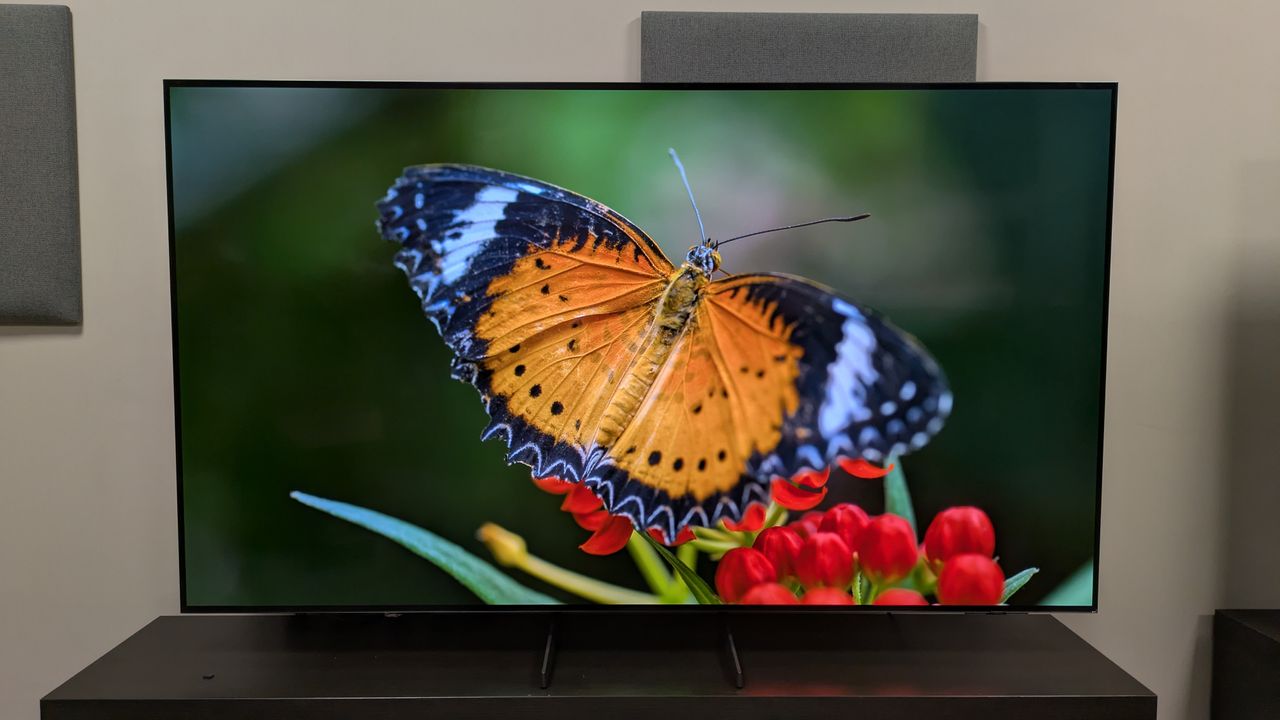
Image 4 of 5
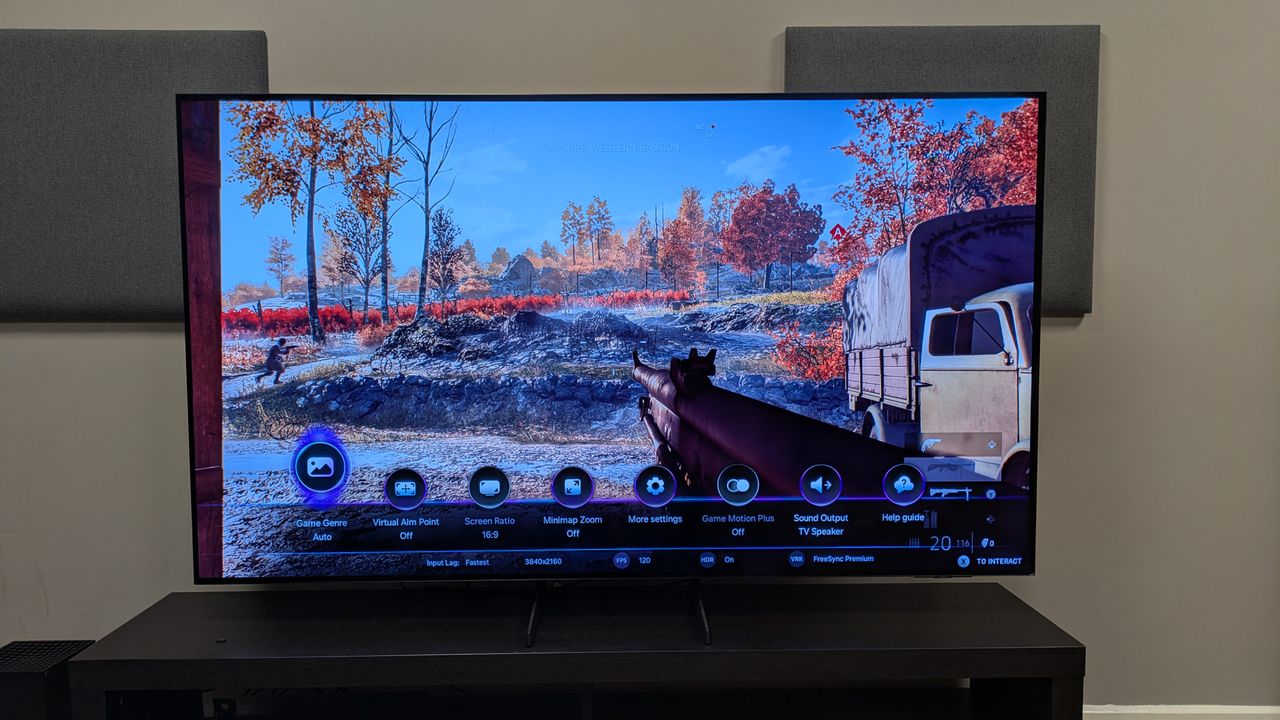
Image 5 of 5
The best affordable OLED Samsung TV
Specifications
Screen size: 55, 65, 77, 83-inches
Resolution: 4K
Panel type: OLED
Smart TV: Tizen
HDR: HDR10+, HDR10, HLG
Reasons to buy
+
Bold, colorful picture
+
Great gaming features
+
Solid value for money
Reasons to avoid
-
No Dolby Vision
-
Sound is average
-
Brightness is just fine
Buy it if:
✅ You want a strong OLED performance at a lower price: The S85F offers punchy colors, sharp detail, and good contrast, all at a more accessible price than many 2025 OLED rivals. ✅ You want a TV that's great for gaming: With four HDMI 2.1 ports, 4K 120Hz support, FreeSync Premium, and Nvidia G-Sync, the S85F delivers smooth, responsive gaming.
Don't buy it if:
❌ You'll be watching in a bright space: Its brightness can't compete with higher-end OLEDs, and the reflective screen can be distracting in well-lit rooms. ❌ You care about top-tier audio: The S85F's speakers are fine for casual viewing, but even budget soundbars will outperform them.
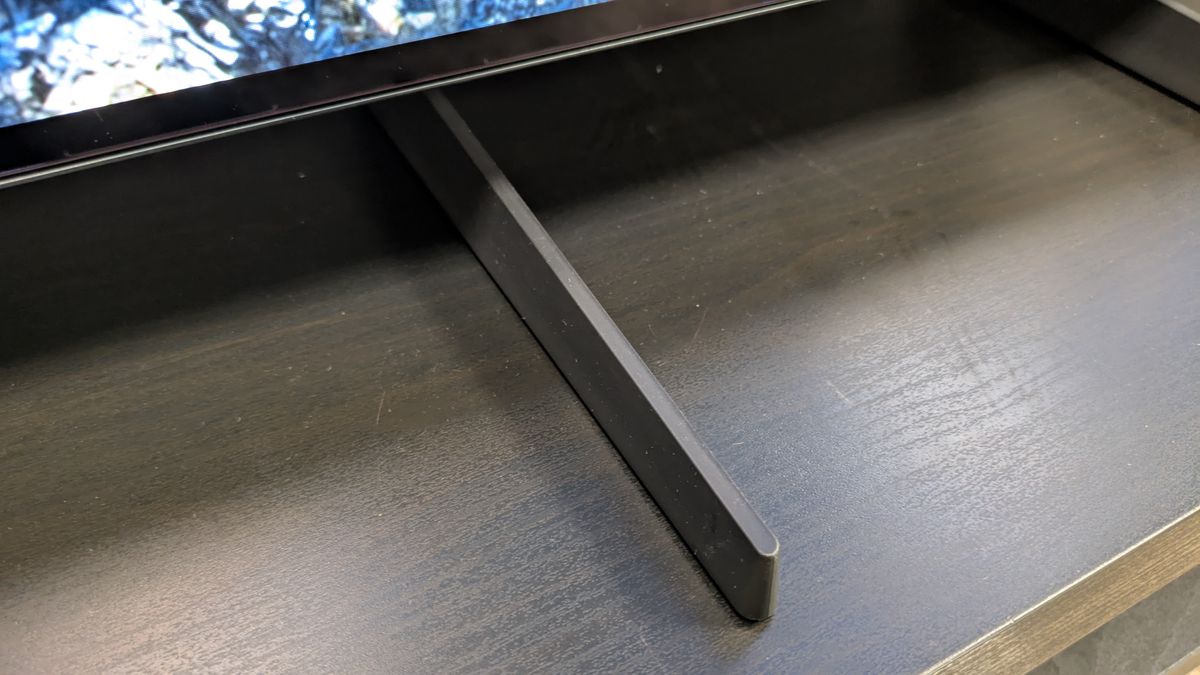
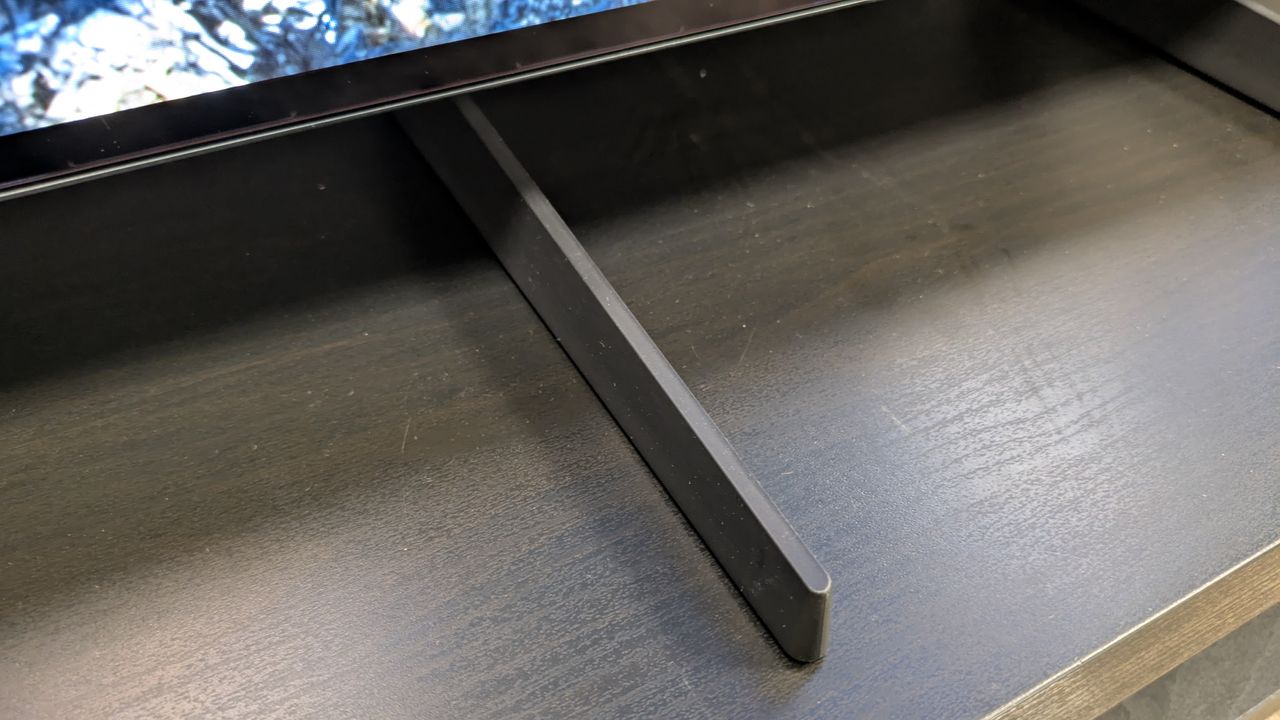
If you want a Samsung OLED at the more affordable end of the range, the S85F is the one to consider. It’s the entry-level model in the Samsung lineup in 2025, but it punches well above its weight in terms of picture quality and features, which makes it an easy recommendation at this price.
While it doesn’t reach the brightness of Samsung’s S90F or S95F step-up models, the S85F still delivers the deep blacks, strong contrast, and rich color that define OLED. Now, it’s worth mentioning here that the glossy screen can be challenging in bright rooms. If you watch a lot in daylight, the S95F or QN90F, both with Samsung’s Glare Free tech, will serve you better.
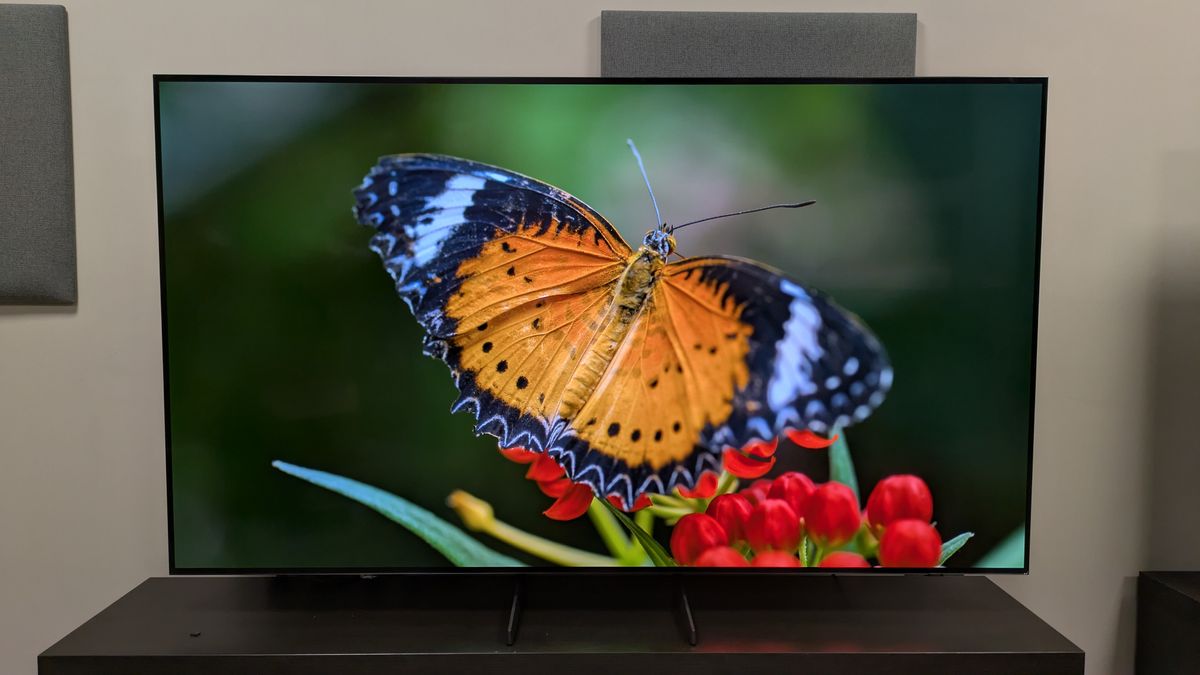
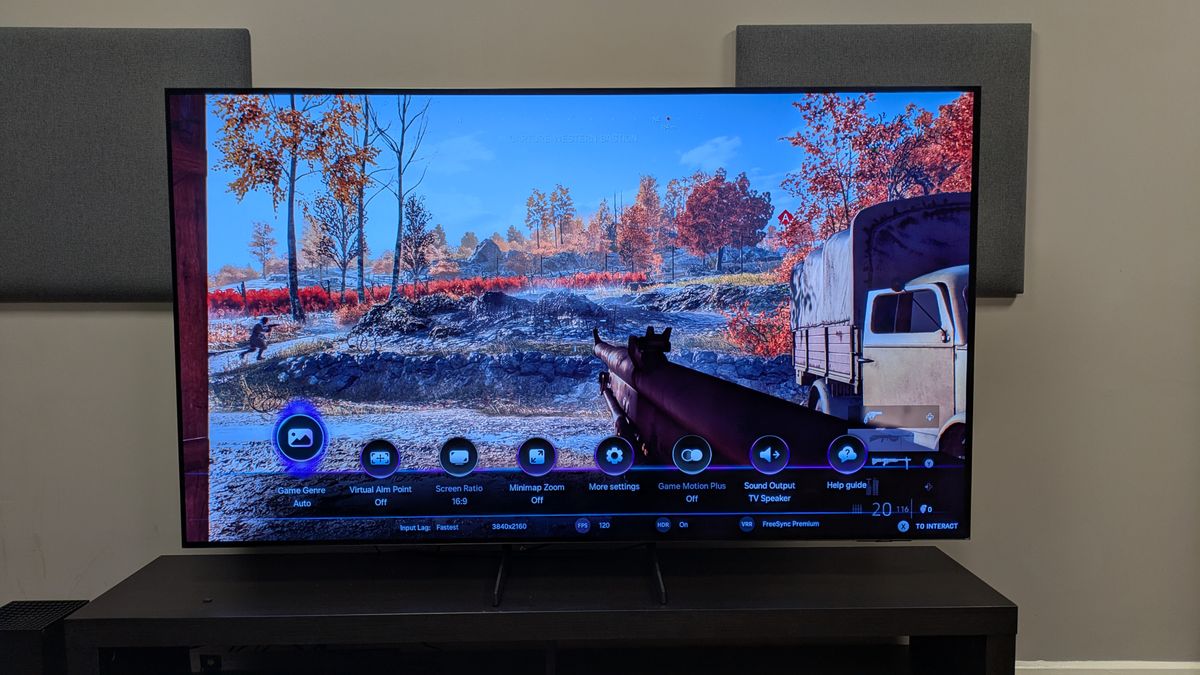
Gaming support is excellent. You get four HDMI 2.1 ports with 4K 120Hz, FreeSync Premium, Nvidia G-Sync, and an ultra-low 9.4ms input lag, giving you smooth, responsive play across consoles and PC.
Audio is fine rather than standout. The 2.0-channel, 20W system offers clear dialogue and decent bass, and Samsung’s sound mapping helps effects track accurately across the screen. However, most people will want to add a soundbar, even a budget one will give your audio a worthwhile upgrade.
You won’t get the brightness or refinement of Samsung’s higher-end OLEDs, but the S85F remains a fantastic entry-level option. It’s affordable, capable, and delivers classic OLED contrast and color without stretching your budget.
Read our full
More Samsung TVs we've tested
Samsung Q80D: It's a couple of years old now, but the Q80D is still a fantastic QLED TV with exquisite picture quality and shockingly good in-built speakers. As it's not an up-to-date model, it's not featured in the list above, but can be had for much cheaper these days if you're on a strict budget.
Read our full
Samsung QN90D: The QN90D used to find itself featured in this guide, but it has since been succeeded by the QN90F. However, this is still an awesome screen that we found fantastic for sports watching. Again, worth a look if you're on a budget and don't mind shopping for slightly older models.
Read our full
Samsung CU8000: We used to really rate this budget-friendly TV, but stock is hard to come by these days and we reckon the Samsung Q60D is a more compelling contemporary purchase. Still worth a look-in if you spot it in a clearance sale.
Read our full
How to choose the best Samsung TV
With so many models to choose from, picking out the best Samsung TV from the bunch isn't always a straightforward task. So, to help narrow down your options, here are some specifics to keep in mind while shopping:
Budget. Be firm here, and set a budget and stick to it. Sure, there's always going to be a little bit of wiggle room if you find that the perfect TV is ever-so-slightly more expensive (or, in a happier scenario, if you snag a bargain during the Black Friday sales), but don't fall into the trap of falling for a high-end option you can't afford.
Size. You might think bigger is better when it comes to TVs, but that's not always true. The size of the TV you buy should be dictated by how far away you'll sit from it. Manufacturers, including Samsung, typically recommend sitting between 1.5 and 2.5 times the TV's diagonal screen size to find the perfect viewing spot. Break out the tape measure to ensure you have enough space to fit the TV into your setup – and consider whether it'll be too big or small for the room in general, too.
Panel type. You'll find a range of panels in our shortlist above: LED, QLED, OLED, etc. LEDs are often cheaper than QLEDs and OLEDs, which is good news for bargain hunters. QLEDs produce rich black tones and great color accuracy for movie buffs, and OLEDs are awesome home theatre picks, given how well they perform in dark rooms, whether you're watching sports, TV, or gaming.
Sound. If you're planning to pick up a soundbar for your shiny new Samsung TV, you won't need to agonize about audio. However, if you'd prefer an all-in-one cinema system, you'll need a set that combines crystal-clear picture quality with audio that's clean and punchy. We recommend checking out the Samsung QN900B Neo QLED 8K.
Finally, it's worth considering whether a Samsung TV is even the right choice. There's a lot to love about Samsung TVs, but the and the are right up there, too, in terms of quality.
Are Samsung TVs any good?
Considering you've made it this far, we're guessing you had Samsung in mind. But why else would you look for the best Samsung TV?
You'll find multiple Samsung TVs across our guides. The flagship models are generally class-leading in terms of technology, while the more affordable options don't cut corners; they deliver excellent value for money. Samsung's Tizen OS is one of the platforms, too, although some of us feel that the most recent changes to its user interface were a step backwards rather than forwards. But it's still an excellent OS.
The one big downside that applies to all current Samsung TVs is that they don't support , an HDR format that delivers higher brightness and better colors than HDR10. Samsung TVs support all the other key ones, but it does mean you won't benefit from Dolby Vision content on devices such as the Xbox Series X.
That's a minor niggle, though. The sheer size of Samsung's TV range – and its constant launching of even better models – means that the firm offers multiple high-quality models in every major market sector and at every price point too. If you're looking for good quality without breaking the bank, Samsung TVs definitely get our seal of approval.
Is QLED better than OLED?
With both QLED and OLED vying for your attention, it can be tricky to know what's best for your situation. We've broken down the differences in our guide. But it's also fairly easy to summarise. QLED uses LED backlights to illuminate the screen, and OLED's pixels illuminate individually. That means OLED typically offers much better black and grey reproduction than QLED, but QLED is significantly brighter.
Until fairly recently, Samsung was sticking firmly with LED technology rather than OLED, so while firms such as LG were building their brands on high-performance OLED displays, Samsung concentrated instead on its brighter, more responsive, and more affordable Quantum Dot LEDs, or QD-LED for short. Samsung has also brought some very impressive mini-LED TVs to market, and its latest flagships are QD-OLED. That means they have the incredible contrast of OLED TVs but the brightness of QD-LED, which, for many buyers, means they offer the best of both worlds.
If you're buying on a budget, QLED definitely gives you more brightness for your buck than the equivalent OLED – but if you're a fan of old movies and want to see them as the director and cinematographer intended, OLED is a better bet. And if you can't decide? We're pretty impressed by Samsung's mini-LED, and we'd like QD-OLED even more when the prices come down.
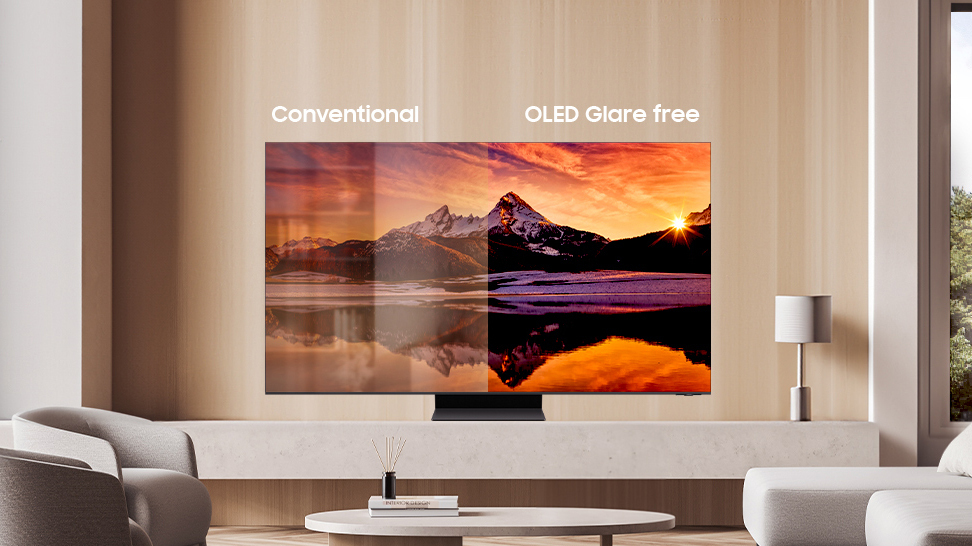
The Samsung S95D introduced new OLED Glare Free tech that all but eliminated reflections. (Image credit: Samsung)
How do Samsung TVs compare to other manufacturers?
Samsung QLED, mini-LED, and QD-OLED TVs are known to be some of the brightest, most color-saturated televisions on the planet. With Tizen built in, they're well-stocked with the latest apps, and most of the mid-range and high-end models have high levels of quality control. However, budget models make some concessions and generally don't look as good as models from TCL or Hisense, but are in line with LG's cheaper TVs.
We feel Sony does a better job overall with motion handling, and LG seems to understand how to do upscaling the best of the big three, but Samsung remains competent in all major areas with no real weak spots.
How we test the best Samsung TVs
When it comes to the best Samsung TVs, we'll put them through all the same tests we do for any other brand, looking at specific criteria such as picture quality, gaming performance, built-in audio, and more.
For starters, we put all of the sets in this list to the test with standard definition, 1080p, 4K, and even 8K content resolutions (if applicable) to see how they perform. During this, we'll choose the most accurate picture preset and begin our subjective tests using reference scenes we're familiar with, so we know a TV's strengths and weaknesses.
For picture, we're looking for bold, dynamic color that isn't too oversaturated, rich black levels that are accurate, and good contrast that's well-balanced when it comes to light and dark sections of the screen. We'll also test motion - how does the TV handle motion naturally? Is it smooth? Does it need motion processing, such as blur and judder reduction?
Using the variety of sources listed above, we'll also test a TV's upscaling abilities on lower-resolution sources to see if it can create a clearer image of SDR movies and TV shows. This is especially important on larger screens, as it has to work harder to reproduce the low-res image across a larger surface.
We'll also test gaming and see if it has the features we're looking for, such as 120Hz, VRR, ALLM, and a gaming mode to tailor the gaming experience to its optimum. These features aren't strictly necessary, but the more gaming features it has, the better. We'll also test overall gaming performance and graphics.
After testing audio quality, checking out design, and so on, we'll move on to our objective tests. This is where we use specialized equipment - a test pattern generator, colorimeter, the Leo Bodnar 4K HDMI input lag tester, and Portrait Displays' - to measure brightness, accuracy, color gamut, and input lag on each TV.
To test for brightness, we use the colorimeter to measure the TV's brightness across different-sized white window patterns generated by the test pattern generator, including sizes such as 2%, 10%, and 100%. A 10% window will give us the most realistic idea of peak brightness and how effectively the TV will display HDR highlights, whereas 100% (full screen) will tell us how a TV handles reflections and sustained bright images across the whole screen. We then use Calman to record the results.
Color accuracy and color gamut coverage, in both SDR and HDR, tell us how accurately a TV displays a source's colors on screen and how much of the color gamut it can cover. We also test grayscale to see how effective a TV is with darker, grayer tones.
While we always aim for consistency across our testing, some of our reviewers do have different setups and environments. However, we will always use the same level of equipment and follow the same testing criteria and guidelines.
Latest updates to the best Samsung TVs
August 19, 2026 Replaced the Samsung S95F with the Samsung S95H/S99H as the best premium OLED Samsung TV.
June 29, 2026 Refreshed the introduction and added a new 'more we've tested' section, featuring a handful of products that used to headline this buying guide.
May 18, 2026 Refreshed introduction and product entries to incorporate newest available testing data.
January 2, 2026 Swapped the Samsung S90C for a newer model, the 65-inch Samsung S90F, as 'best overall' due to low S90C inventory and improved performance of the S90F.
August 18, 2025 Swapped the S95D for the S95F as 'best premium'; the Q80D for the Q80F as 'best mid-range'; the QN900D for the QN900F as 'best 8K'; and the QN90D for the QN90F as 'best 4K mini-LED.'
March 17, 2025 Added photo galleries for each TV entry in the guide.
January 17, 2025 Added section 'New Samsung TVS for 2025' with details on new models announced at the CES trade show.
November 20, 2024 Swapped the Samsung CU8000 with the Samsung Q60D as 'best budget' due to stock and Q60D's better picture and performance. Added in Buy if if boxes with reasons to buy and avoid for each entry.
September 20, 2024 Swapped the Samsung QN90C for the Samsung QN90D, a 2024 model with improved brightness and picture processing.
July 23, 2024 Swapped the Q80C for the Q80D in 'best-mid range'. Swapped the QN900C for the QN900D and changed category from 'best mini-LED' to 'best 8K'. Introduced QN800D as 'best cheaper 8K'. Swapped the QN85C for the QN85D as 'best affordable mini-LED'.
March 14, 2024 Changed best budget from Samsung BU8500 to Samsung CU8000 due to stock. Expanded how we test section for more detail on testing process.
December 18, 2023 Updated guide format to have new quick menu and lead image, as well as added in the Samsung Q80C as best mid-range.